
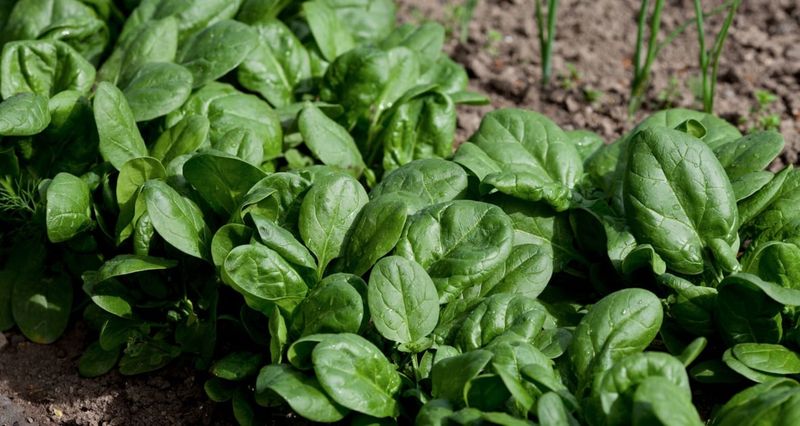
Spring gardens often start with a mad scramble of buying seeds, prepping beds, and racing the heat. In the South, there is a calmer way to do it.
Many vegetables planted in October grow slowly through the mild winter and are ready to pick by early spring, before summer heat arrives. Get them in the ground now, and your future self will thank you.
1. Garlic
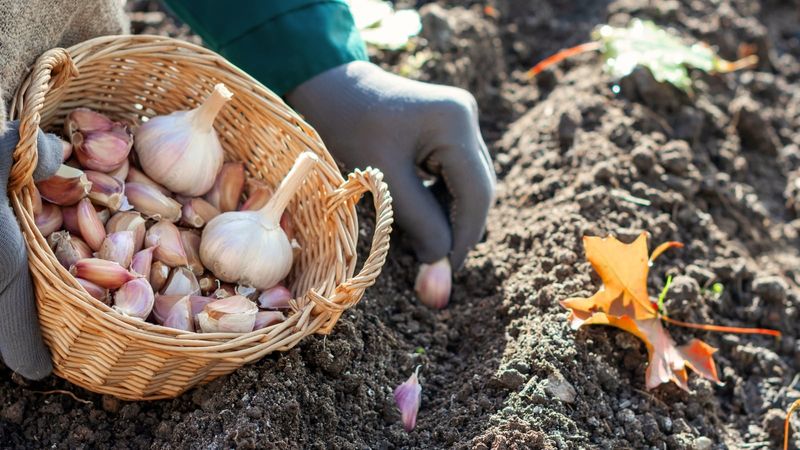
Few crops reward patience like garlic. You tuck single cloves into the soil in October, then mostly forget about them until late spring, when each one has quietly turned into a full bulb.
For Southern gardeners, the variety matters a lot. Softneck types and Creole or Turban garlic usually handle mild Texas and Florida winters better than the hardneck kinds sold up North, which often need more cold to form good bulbs.
Buy seed garlic from a supplier rather than grocery store bulbs, since store garlic may be treated to stop sprouting.
Plant cloves pointy end up, about 2 inches deep and 6 inches apart, in loose soil that drains well. A layer of straw mulch can help hold moisture and keep weeds down through winter.
Watch the leaves in spring. When about half of them turn yellow and flop over, that is usually your signal to dig.
If leaves yellow early in winter, though, the cause is often soggy soil or a nitrogen shortage, and a light feeding of fish emulsion may help them recover.
Cure harvested bulbs in a shady, airy spot for two weeks. After that, they can store for months, giving you homegrown flavor long after the bed is cleared.
2. Onions
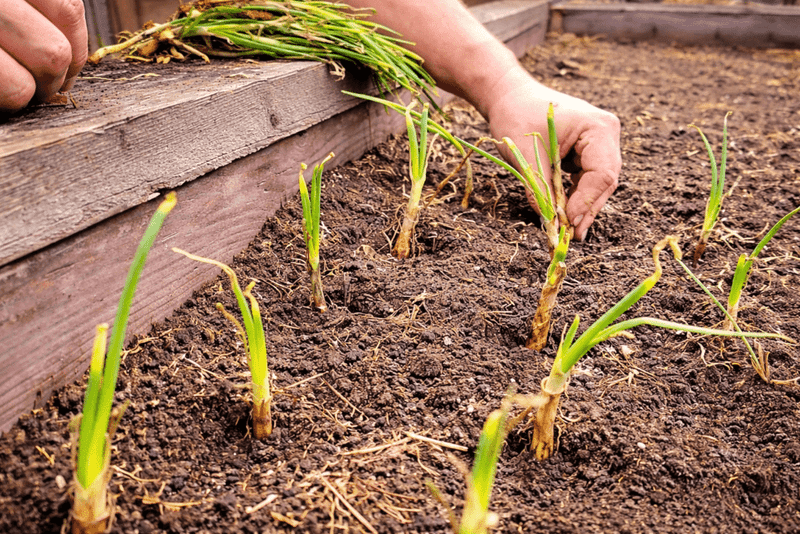
Here is a fun bit of trivia: the famous Texas 1015Y sweet onion got its name from its ideal planting date, October 15. That tells you everything about when Southern onions like to start.
Onions decide when to bulb based on day length, so variety choice is the whole game. Short-day onions such as Texas Grano, Granex, and Red Creole are built for the South.
Long-day types from Northern catalogs often grow lush tops but never form decent bulbs here.
You can sow seed in October and transplant later, or plant sets and transplants once they show up at garden centers. Space them about 4 inches apart in fertile, well-drained soil.
Onions are heavy feeders with shallow roots. A side dressing of nitrogen fertilizer every few weeks through winter can help them build size before bulbing kicks in as days lengthen.
If the tops start bending over in late spring, that is normal and a sign they are nearly done. Purple or tan spots on leaves, however, may point to fungal trouble from wet weather.
Improving airflow and avoiding overhead watering can reduce the problem. Your reward is sweet, mild onions by April or May.
3. Spinach
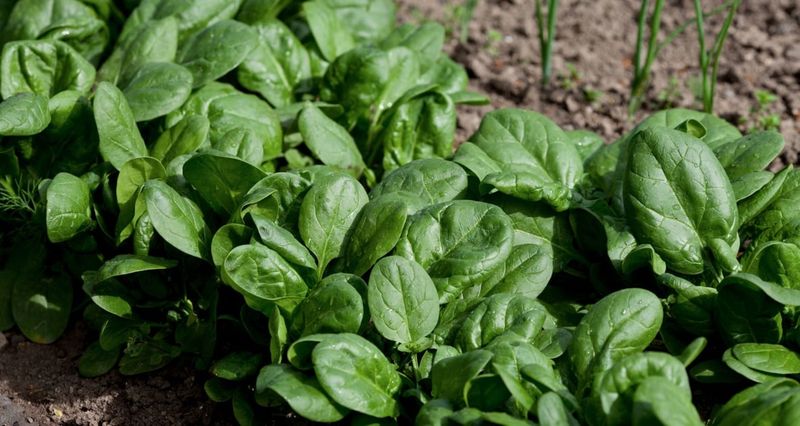
Spinach is the vegetable that sulks in summer and shines in winter. Try growing it in June in Houston and it bolts almost overnight.
Sow it in October, and it settles in like it finally found home.
Cool soil is the key. Spinach seed germinates poorly when soil is hot, so wait until nights drop into the 60s.
In South Florida, late October into November often works better than early October.
Sow seeds half an inch deep in rich, slightly alkaline soil, keeping them evenly moist until sprouts appear. Thin plants to about 4 inches apart so leaves have room to fill out.
Pick outer leaves as plants grow, and they will often keep producing for weeks. A fall planting can give you salads through winter and a final flush in early spring before warmth triggers flowering.
Pale or yellow leaves may signal low nitrogen, which a dose of compost tea or balanced fertilizer can help correct. Small holes usually mean leaf miners or caterpillars, and pinching off damaged leaves often keeps the problem in check.
Savoy types like Bloomsdale tend to resist bolting better. Malabar spinach is a summer stand-in, but true spinach belongs to the cool months.
4. Carrots
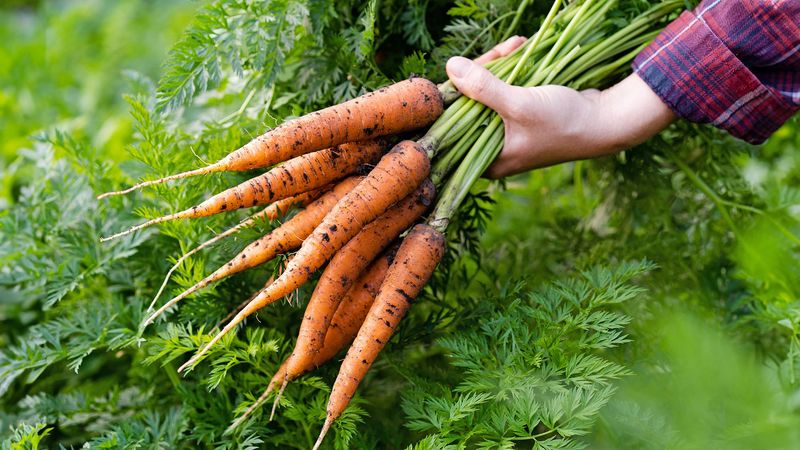
Anyone who has tasted a carrot harvested after a cold snap knows the difference. Chilly nights push the roots to store more sugar, so October plantings often taste sweeter than spring ones.
Carrots are a bit fussy about soil. They want it loose, deep, and free of rocks or clumps.
Heavy clay, common across much of Texas, can produce stubby or forked roots. Raised beds or shorter varieties like Danvers and Chantenay usually do better in tough ground.
Getting seeds to sprout is the biggest hurdle. The tiny seeds must stay damp for up to two weeks.
Laying a board or burlap over the row until sprouts appear can help hold moisture, just remove it as soon as you see green.
Thin seedlings to 2 inches apart once they are a few inches tall. Skipping this step is the most common reason for skinny, tangled carrots.
By late winter or early spring, roots are typically ready. Check the shoulders peeking out of the soil for size.
Green shoulders are harmless but bitter, and a little mulch or soil pulled over them prevents it. Pull what you need and leave the rest stored right in the bed.
5. Broccoli
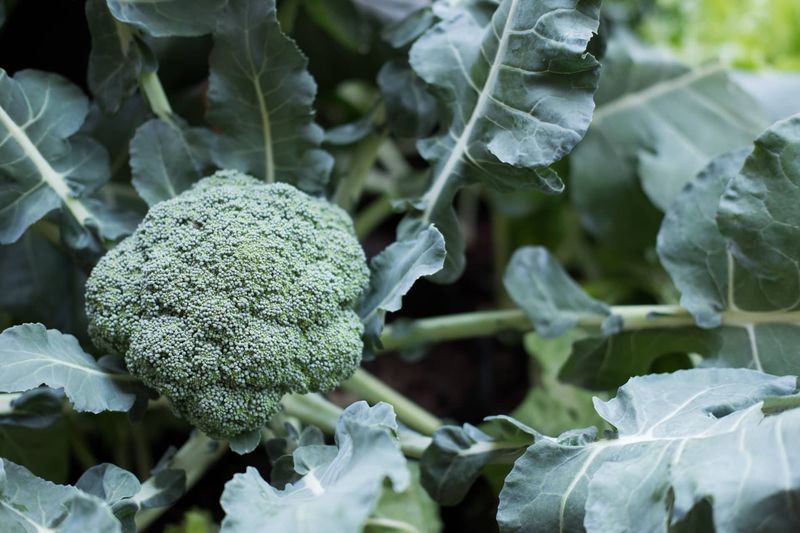
Plenty of Southern gardeners have tried spring broccoli only to watch it burst into yellow flowers before the head even formed. October planting fixes that timing problem for most people.
Set out transplants rather than seed this late, since they give you a head start. Space them about 18 inches apart in full sun and fertile soil enriched with compost.
Broccoli is hungry, so a nitrogen boost about three weeks after planting may help leaves and heads size up.
Cabbage worms are the usual troublemakers. Those velvety green caterpillars can chew leaves to lace in days.
Floating row cover can reduce damage a great deal, and a Bt spray often works well on young caterpillars without harming bees.
Harvest the main head while the buds are still tight and dark green. If you see yellow peeking through, cut it right away.
Here is the bonus most beginners miss. After you cut the main head, leave the plant in place.
Side shoots usually keep coming for weeks, stretching your harvest well into early spring. Varieties like Packman and Green Magic tend to handle Southern swings in temperature better than many others.
6. Sugar Snap Peas
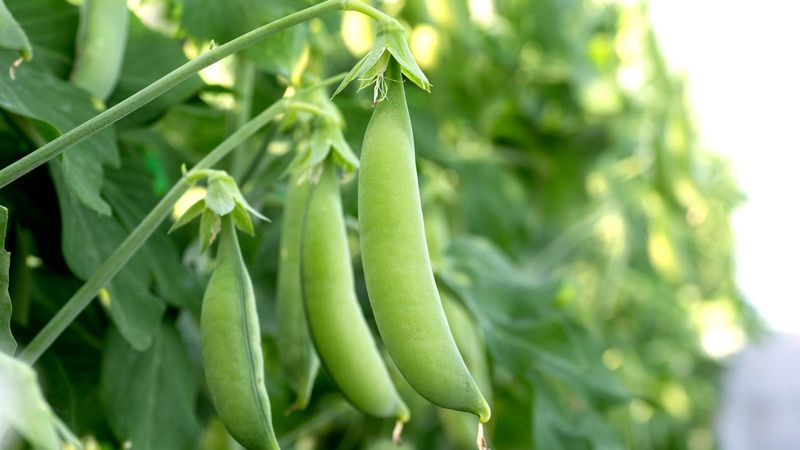
Picture a child standing by the trellis, eating pods straight off the vine faster than you can pick them. Sugar snap peas have that effect on people.
In much of the South, peas sown in October build roots and vines through fall, then flower and pod up as days warm slightly in late winter. Along the Gulf Coast and in Central Florida, this timing often beats spring sowing, which runs straight into heat.
Soak seeds overnight before planting to speed things up. Set them an inch deep and 2 inches apart along a trellis or fence at least 5 feet tall.
Peas grab support with tendrils, so give them something thin to hold.
Go easy on fertilizer. Peas make some of their own nitrogen with help from soil bacteria, and too much feeding can mean lots of leaves and few pods.
Powdery mildew sometimes shows up as white dust on leaves. Good airflow and morning watering may slow it down.
A hard freeze can nip flowers, so draping a sheet over vines on frosty nights helps protect the crop.
Pick often. The more you harvest, the more the vines tend to produce.
7. Kale
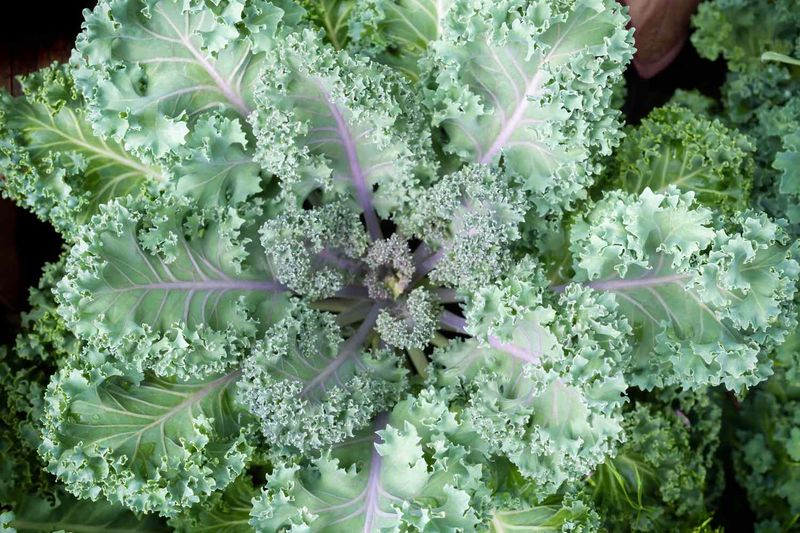
Tough as old boots, kale might be the easiest crop on this list. It shrugs off light freezes and actually gets sweeter after one.
October is ideal across Texas and Florida. Plant transplants 12 to 18 inches apart, or sow seed and thin later.
Kale handles a range of soils but grows fastest in compost-rich beds with steady moisture.
The beauty of kale is the long harvest. Instead of cutting the whole plant, snap off the lower leaves and let the center keep growing.
One fall planting can feed a family from November straight into April.
Lacinato, sometimes called dinosaur kale, holds up well in mild climates and looks striking in a front-yard bed. Red Russian is tender and quick.
Curly types are classic and productive.
Aphids love to hide in the folds of curly leaves. A strong spray of water may knock them off, and ladybugs often move in to finish the job.
Cabbage loopers can also visit, so check leaf undersides weekly.
When warm spring weather finally pushes kale to flower, let a few blooms open. The small yellow flowers are edible and bees will happily stop by.
8. Beets
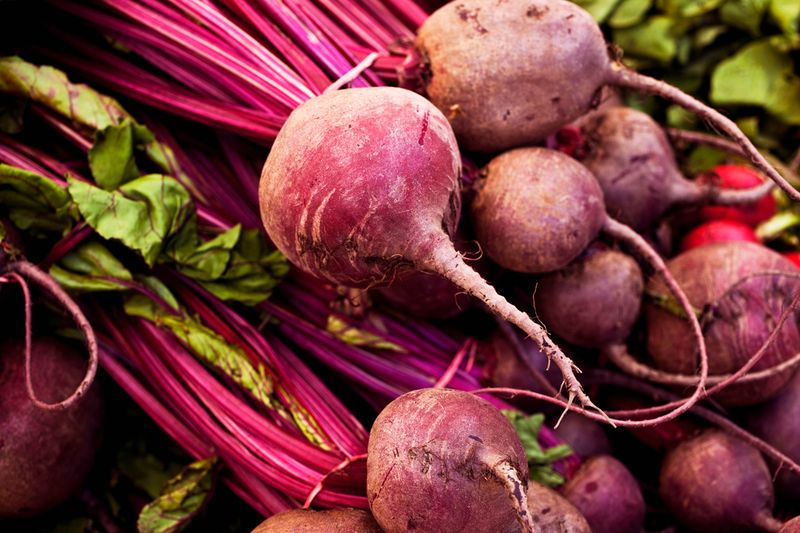
Two crops for the price of one. That is the deal beets offer, since the leafy greens are just as tasty as the roots.
Beets prefer cool weather and handle mild Southern winters with ease. Sow seeds in October about half an inch deep and an inch apart.
Each wrinkled seed is actually a cluster that can sprout several plants, so thinning is a must.
Thin when seedlings are a few inches tall, leaving about 3 inches between them. The thinnings make excellent salad greens, so nothing goes to waste.
Steady moisture matters. Uneven watering can cause tough, woody roots or cracking.
A layer of mulch helps keep soil evenly damp between rains.
If roots stay small while tops grow huge, the soil may be too rich in nitrogen or short on phosphorus. Soil testing through your county extension office can point you in the right direction.
Most varieties are ready in 55 to 70 days, though fall-planted beets may take longer as growth slows in cool spells. Detroit Dark Red is dependable, while golden and striped Chioggia beets add color.
Harvest when roots reach golf ball to tennis ball size for the best texture.
9. Cabbage
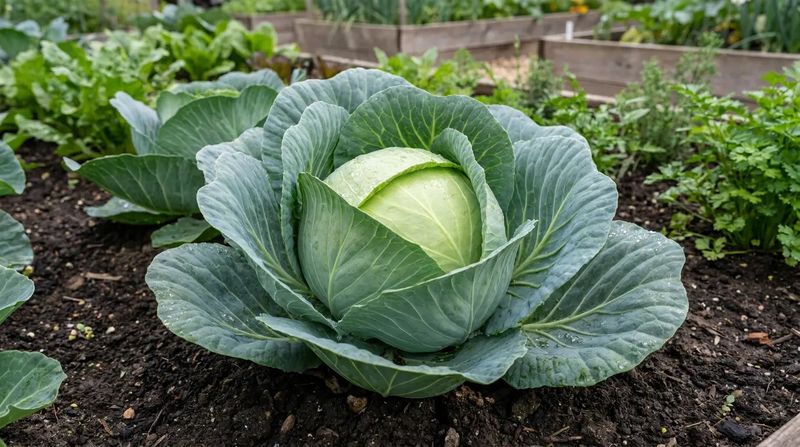
Grandparents across the South often kept a row of cabbage going all winter, and for good reason. Few vegetables give you so much food from a single plant.
Cabbage takes time, often 70 to 100 days, which is exactly why October planting works. Heads form slowly through cool weather and are usually ready from late winter into early spring, before heat causes splitting or bolting.
Use transplants spaced 12 to 18 inches apart in full sun. Feed lightly at planting and again a few weeks later.
Consistent water is essential, since dry spells followed by heavy rain can make heads crack open.
Like broccoli, cabbage attracts caterpillars. Row covers can keep moths from laying eggs, and checking leaves weekly helps you catch trouble early.
Holes in outer leaves are mostly cosmetic, so do not panic over a few.
Squeeze the head to test it. When it feels firm and solid, cut it at the base.
Leaving the stump in the ground may even reward you with a few small bonus heads.
Early Jersey Wakefield and Stonehead are quick to mature, while savoy types offer crinkled leaves perfect for slaw or wraps.
10. Strawberries
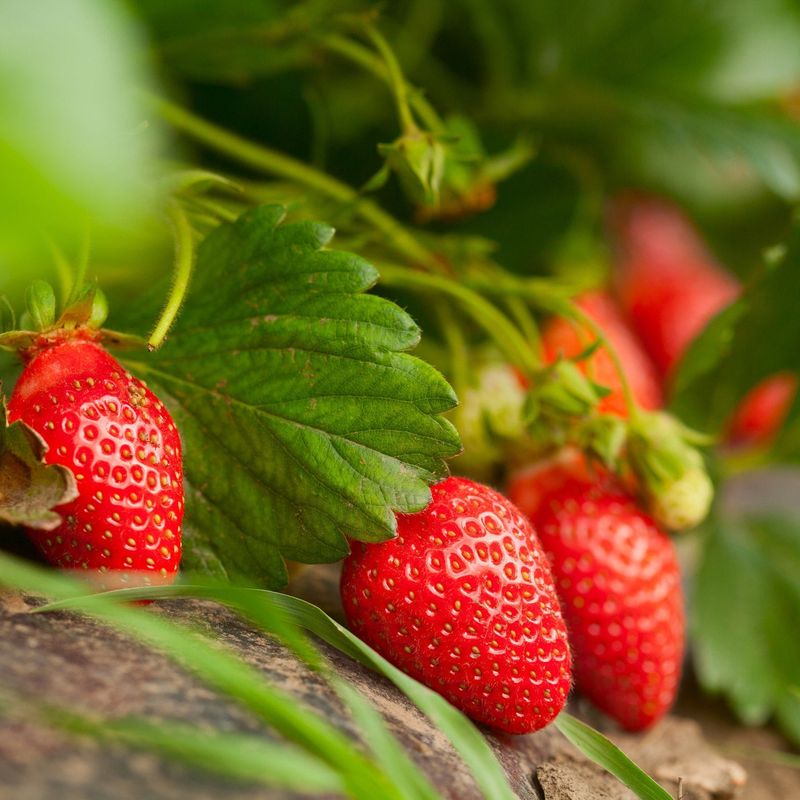
Not technically a vegetable, but no October planting list in the South feels complete without strawberries. Florida growers have long treated them as a winter crop, and home gardeners can do the same.
The trick is planting in fall instead of spring. October transplants root in while weather is mild, then bloom and fruit from late winter through spring.
In Central Florida, berries may show up as early as January.
Choose short-day varieties suited to warm climates, such as Sweet Charlie, Chandler, or Florida Radiance. Set plants so the crown sits right at soil level, since burying it can cause rot and planting too high lets roots dry out.
Raised beds or mounded rows with good drainage tend to work best. Straw mulch keeps berries off the soil and may reduce fruit rot.
Birds and squirrels will find ripe berries quickly. Netting can help protect your harvest.
Gray mold sometimes appears after rainy spells, so picking often and removing damaged fruit can lower the risk.
Treat them as annuals in hot regions and replant each fall. One small bed can deliver sweet, sun-warmed berries long before most of the country even plants theirs.