
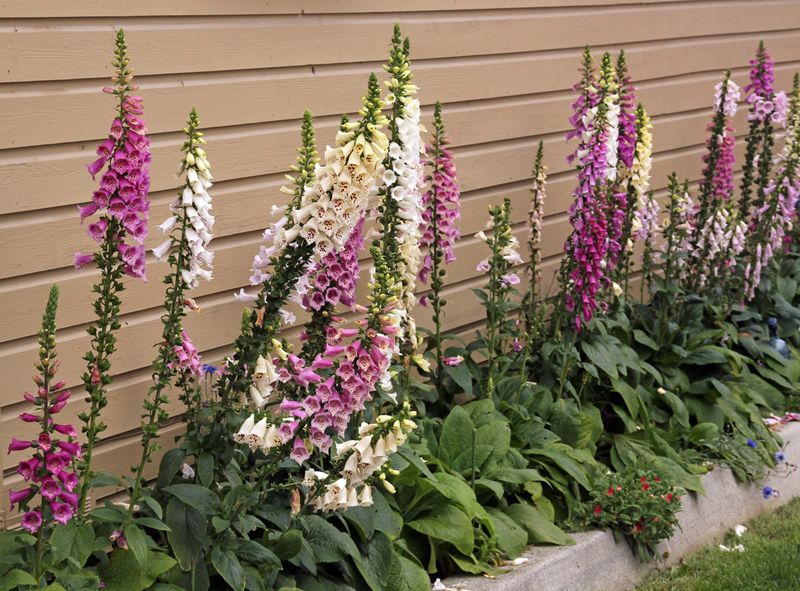
You planted foxgloves, and now you have a bold clump of fuzzy green leaves but no tall flower spikes. That can feel like a failure, especially after a long wait.
Often the plant is simply not done growing up yet. A few quick checks can help you decide whether to wait or change how you care for it.
A leafy first-season rosette can be right on schedule
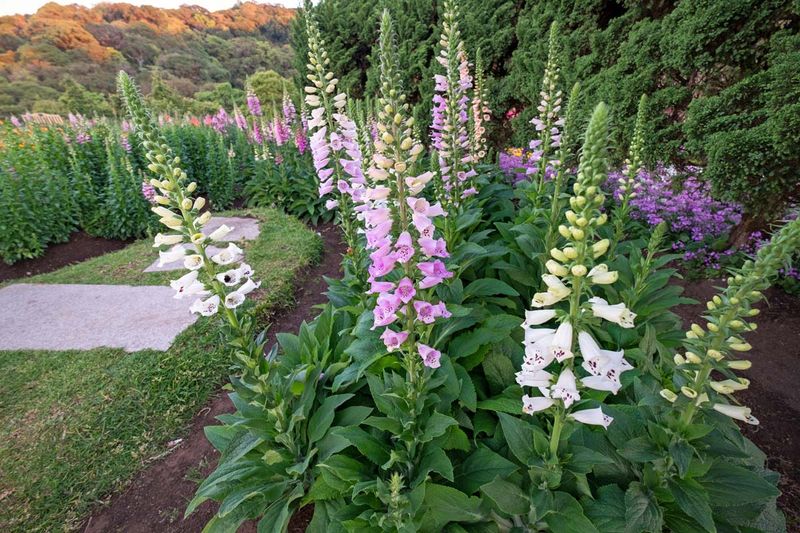
Common foxglove (Digitalis purpurea) usually grows as a low rosette of leaves first. NC State Extension describes it as a biennial, and the flower spike typically rises in the second growing season after winter.
So a plant with only leaves is not, by itself, a sign that something went wrong. It may just be at the stage where it is building strength.
Some plants take longer than that, and some varieties bloom sooner, but a leafy first season is a normal part of the usual pattern, as Clemson Extension also explains.
The idea that a foxglove will never flower goes too far. A plant that has not flowered yet is a different thing from a plant that cannot.
Patience, plus a few checks, is usually the right first move.
Check which foxglove you planted
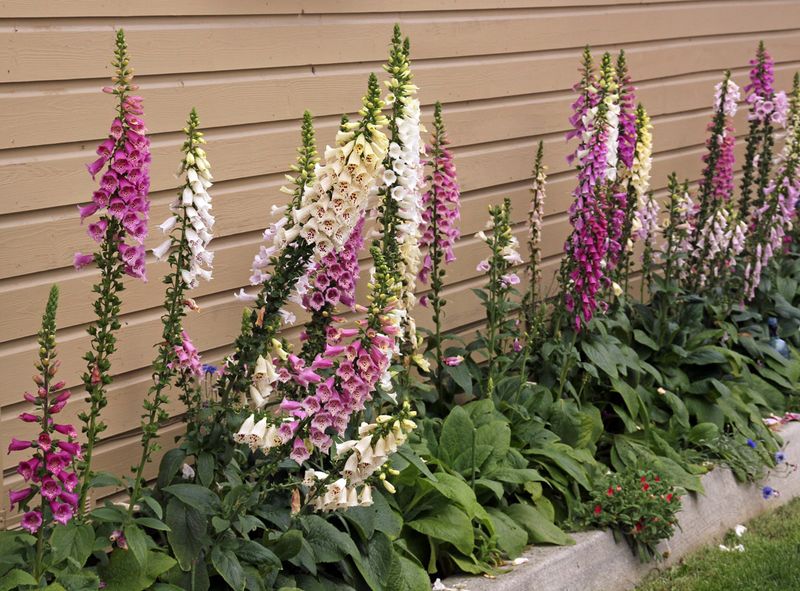
Before judging bloom timing, look at the plant label or seed packet. The word foxglove covers several species and cultivars, and they do not all follow the same schedule.
Common foxglove usually follows the two-season pattern. But Clemson Extension names ‘Camelot’ and ‘Dalmatian’ as cultivars that can bloom in their first year from seed.
NC State Extension lists ‘Foxy’ as a first-year bloomer.
If your tag says one of those, a leafy plant may deserve a closer look at growing conditions. If the tag says plain Digitalis purpurea, or the tag is long gone, a leaf-only first season is easier to explain.
No label at all? Treat the plant as a typical biennial and keep watching it.
Fall planting depends on where you garden
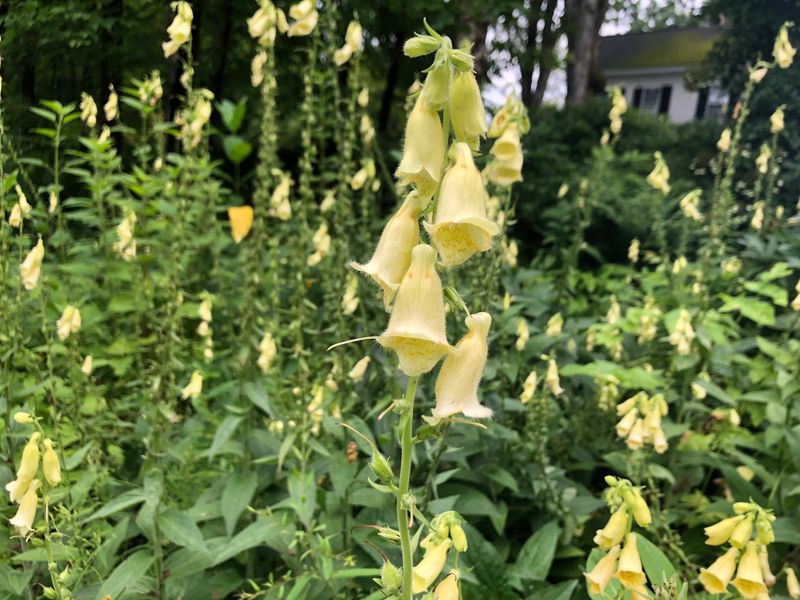
Fall planting is not automatically the mistake. Clemson suggests sowing some first-year-flowering cultivars in fall for spring blooms.
For Florida, the UF/IFAS October planting list includes foxglove for North and Central Florida, but not South Florida. That means timing changes even within one state.
Those recommendations do not make one fall deadline for the whole South. They also do not give a Texas schedule, since the sources we found do not set one for foxglove.
If you garden in Texas, a local Extension office or a trusted regional nursery can tell you what works near you.
Big leaves do not prove a plant is ready to bloom
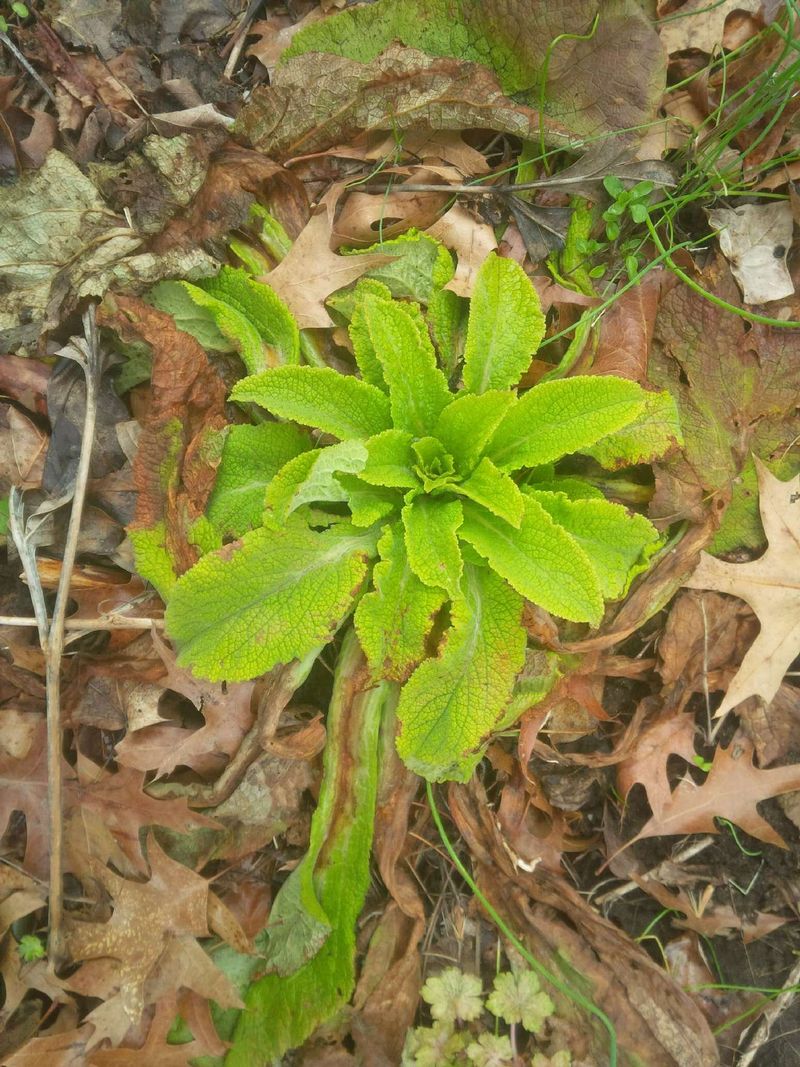
A huge, healthy-looking rosette feels like a promise. It is not one.
Leaf size alone does not tell you when a foxglove will flower.
One study of natural populations in southwestern Norway found that flowering was related to plant size and that flowering could be delayed. Those findings come from those wild populations only.
The size numbers and cold response measured there are not rules for Florida or Texas gardens. So skip the ruler.
A plant that is big and still leafy may simply be on its own timeline.
Check the site for growing stress
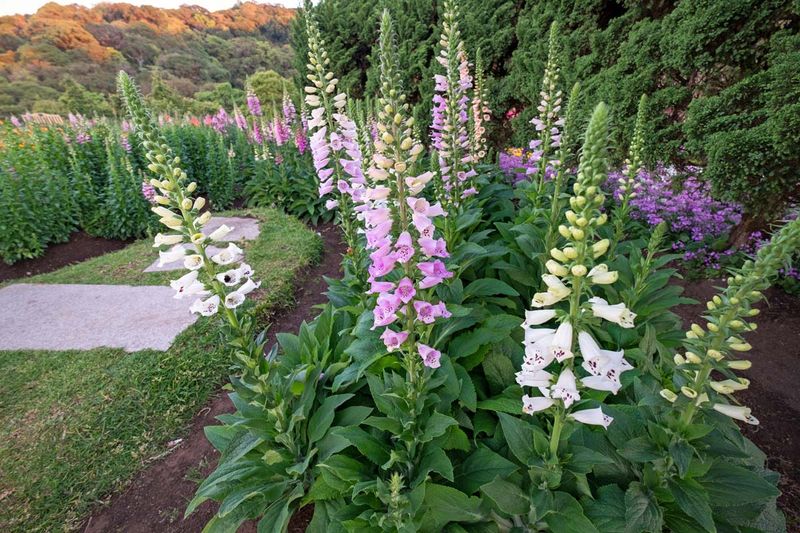
For established common foxglove, NC State’s Plant Toolbox recommends moist, well-drained soil rich in organic matter, plus afternoon shade. It also notes that drought stress can limit flowering.
Try a simple check. Push a finger a few inches into the soil: does it stay evenly damp, or bake dry between waterings?
Does water pool after rain? Does the plant take hard afternoon sun, which is common in Texas and Florida summers?
Reasonable fixes include mulch, steadier watering, compost worked into the bed, and a spot with afternoon shade. These changes can reduce stress on the plant, but they cannot guarantee a flower spike.
Decide whether to wait or adjust care
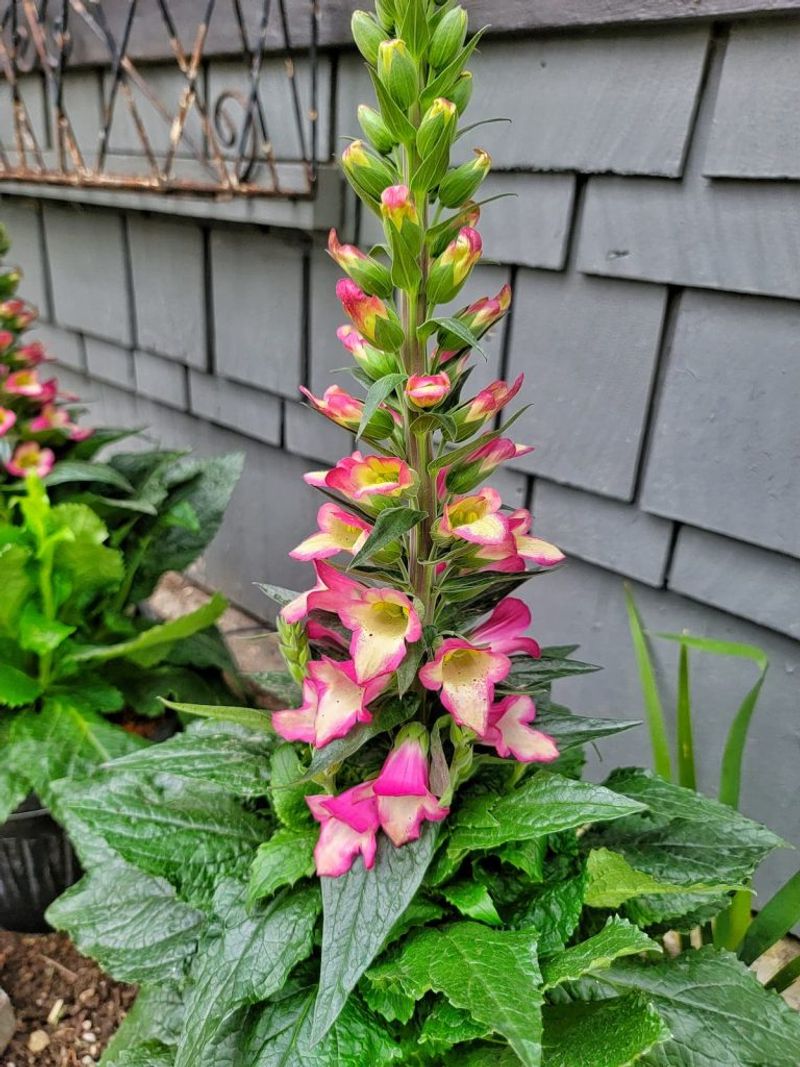
Work through it in order. First, identify the plant and cultivar from the label.
Second, count growing seasons: has it been through a full one yet?
Third, look up timing for your area, such as the UF/IFAS planting calendar if you garden in Florida. Fourth, check moisture, drainage, and shade.
If it is a typical biennial in its first season, waiting is reasonable. If a first-year cultivar is not blooming, adjust the site.
Leave the plant in place rather than pulling it, and do not blame fall planting from leaves alone. No step promises blooms, but each one narrows the list of causes.
Keep foxglove away from mouths
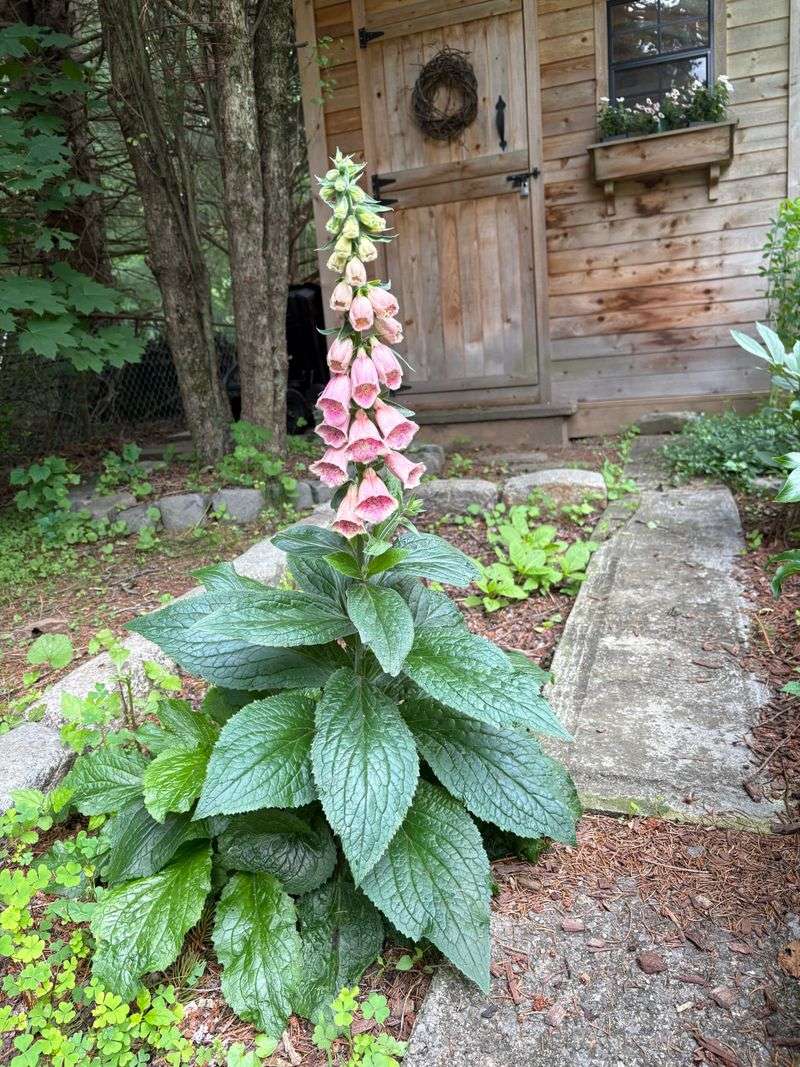
Foxglove is poisonous if ingested, and UC Agriculture and Natural Resources lists all parts as toxic. Keep children and pets from chewing on it, and never use any part as a remedy.
Pretty plants can still deserve a respectful distance.