
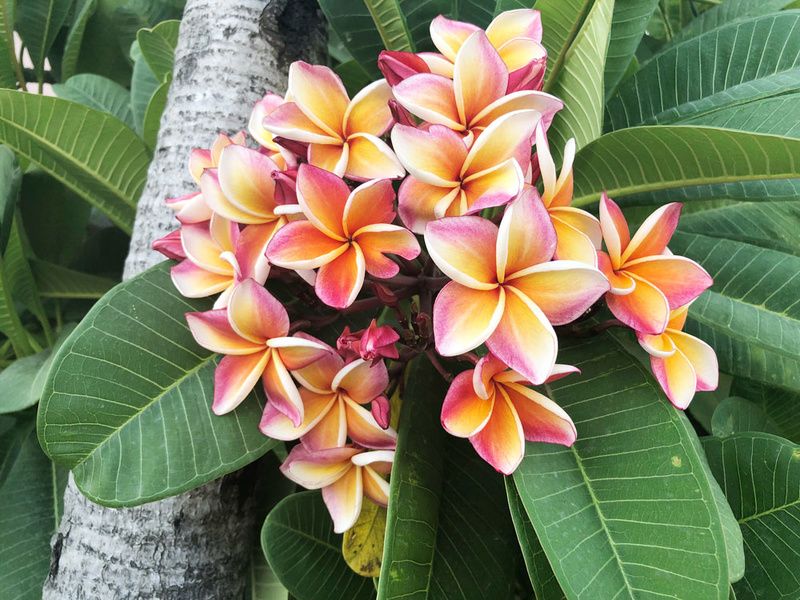
Plumeria drops its leaves as the weather cools, and those leaves are easy to ignore on the ground. Yet a simple fall chore can help keep a common leaf disease in check next year.
Florida growers have a clear task to do now, and it does not require special products. Here is what the task is, what it can do, and what it cannot promise.
Fall leaf cleanup helps manage rust—not guarantee blooms
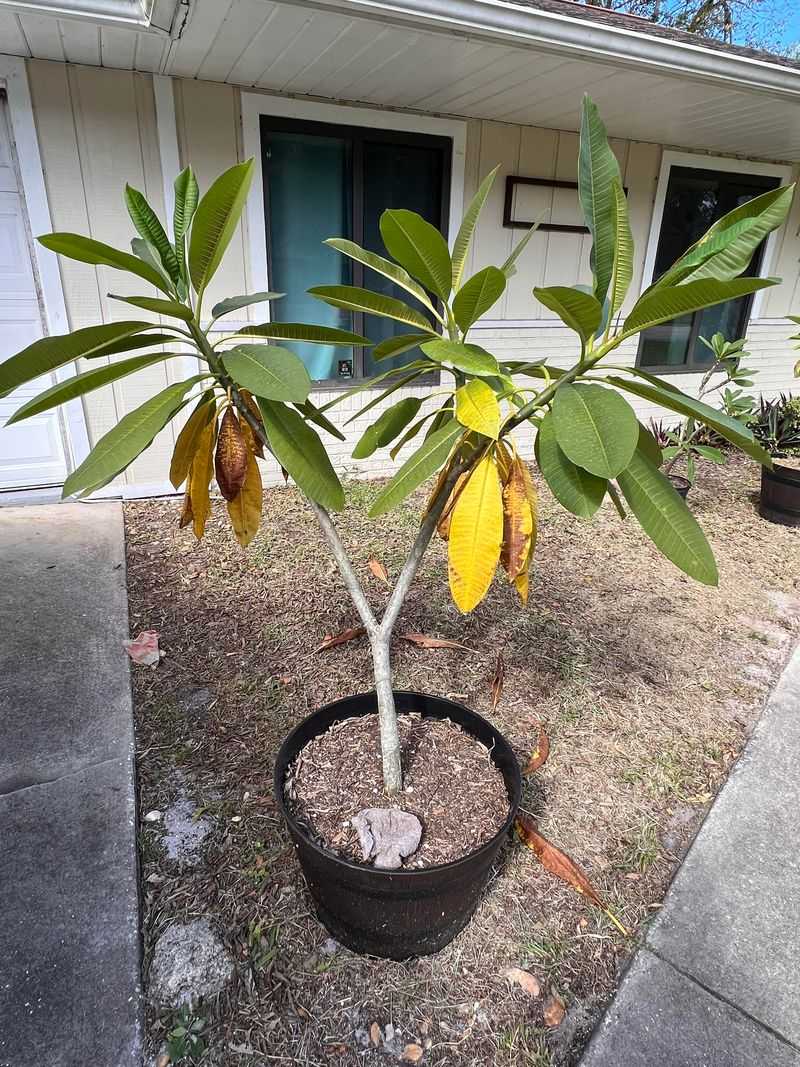
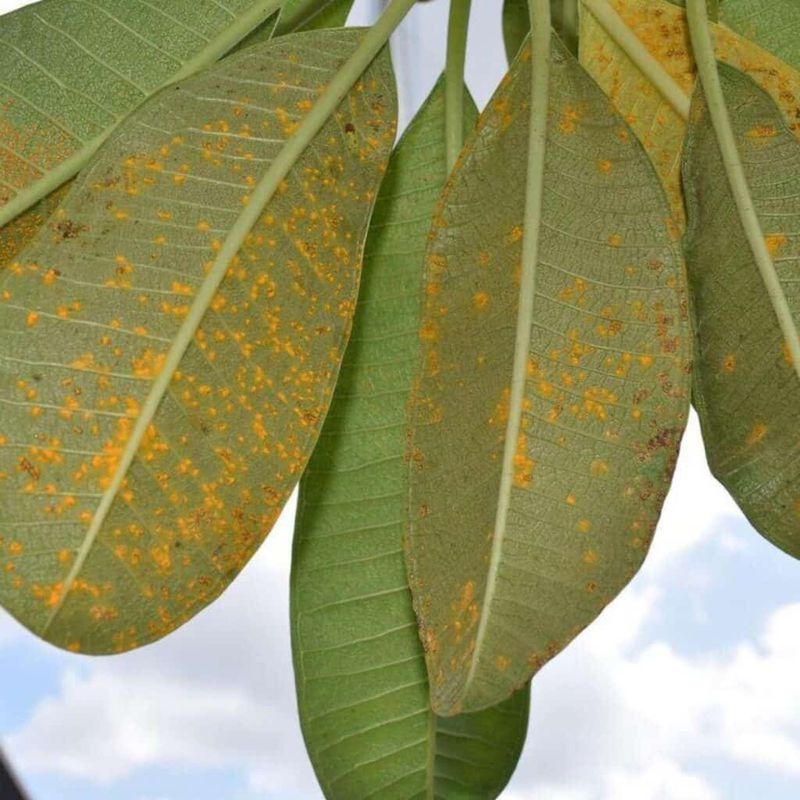
Picking up fallen leaves is the fall job worth your time. Walk around the plumeria and gather what has dropped, paying extra attention to leaves with orange spots.
UF/IFAS plumeria guidance says this fall cleanup can reduce rust levels in the next growing season.
If you confirm that leaves are infected, remove and destroy them rather than leaving them in the bed. UF/IFAS rust guidance advises this step for confirmed rust.
Bag them for the trash instead of tossing them into a compost pile or back under the tree.
Now the honest part. The title of this article promises thin spring blooms if you skip the chore, and the sources do not back that up.
Nothing from UF/IFAS says cleanup increases flower production, and nothing says skipping it causes sparse flowers. Cleanup is rust management, and it will not eliminate rust entirely.
That is still a worthwhile payoff. A plant that starts the season with less rust around its roots has a cleaner start when new leaves emerge.
One safety note before you start. Plumeria sap contains irritants, so avoid getting it on sensitive skin or in your eyes.
Wear gloves, wash your hands afterward, and keep your hands away from your face while you work.
Is the leaf drop normal—or rust?
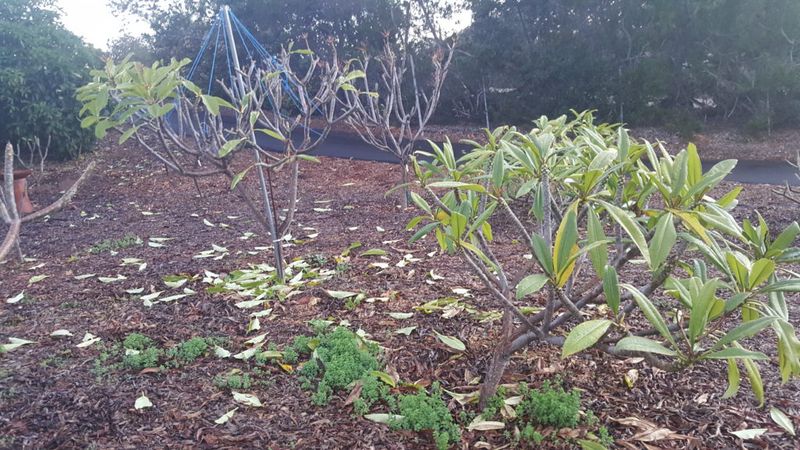
A bare plumeria in winter can look alarming, but it is often just doing what it normally does. According to UF/IFAS, most Florida plumerias go dormant and lose their leaves in winter.
A leafless plant is not automatically a sick plant.
Rust is the exception worth checking. It can cause leaves to drop early, sometimes while the weather is still warm and the plant should be growing.
Flip a few leaves over and look at the undersides for orange pustules, which are a classic sign described in UF/IFAS rust guidance.
Here is a quick way to sort it out. Yellowing leaves that drop slowly as nights cool, with clean undersides, point toward normal seasonal change.
Leaves dusted with orange powder on the back, especially if they fall well before cold weather, deserve a closer look.
Collecting fallen leaves fits both cases. For a healthy dormant plant, it simply tidies the bed.
For a plant with rust, it takes away leaves that may carry the disease into the next season.
If you are unsure what you are seeing, take a clear photo of the leaf underside and ask your local county extension office. They can confirm rust and tell you what is common in your area.
Let watering follow the plant’s slowdown
Plumeria drinks less as days shorten and temperatures fall. Growth slows, leaves drop, and the roots simply do not need as much moisture.
Watering on the same schedule you used in summer can leave the soil wet for too long.
General plumeria guidance from University of Wisconsin Extension says to reduce watering in cooler weather and let the growing medium dry between waterings. That is a plant-care principle, not a Florida calendar.
There is no single date when every yard should cut back.
So watch the plant and the weather instead. Push a finger a couple of inches into the soil or potting mix.
If it is still damp, wait.
Soil type and setup matter too. Sandy in-ground soil drains fast and may dry sooner than a pot filled with dense mix.
A container sitting in a saucer of water is the riskiest setup, so empty saucers after rain.
The goal is not to stop watering altogether. It is to avoid soil that stays soggy day after day, since constantly wet roots on a slowing plant invite trouble.
A bloom booster is not a fall fix
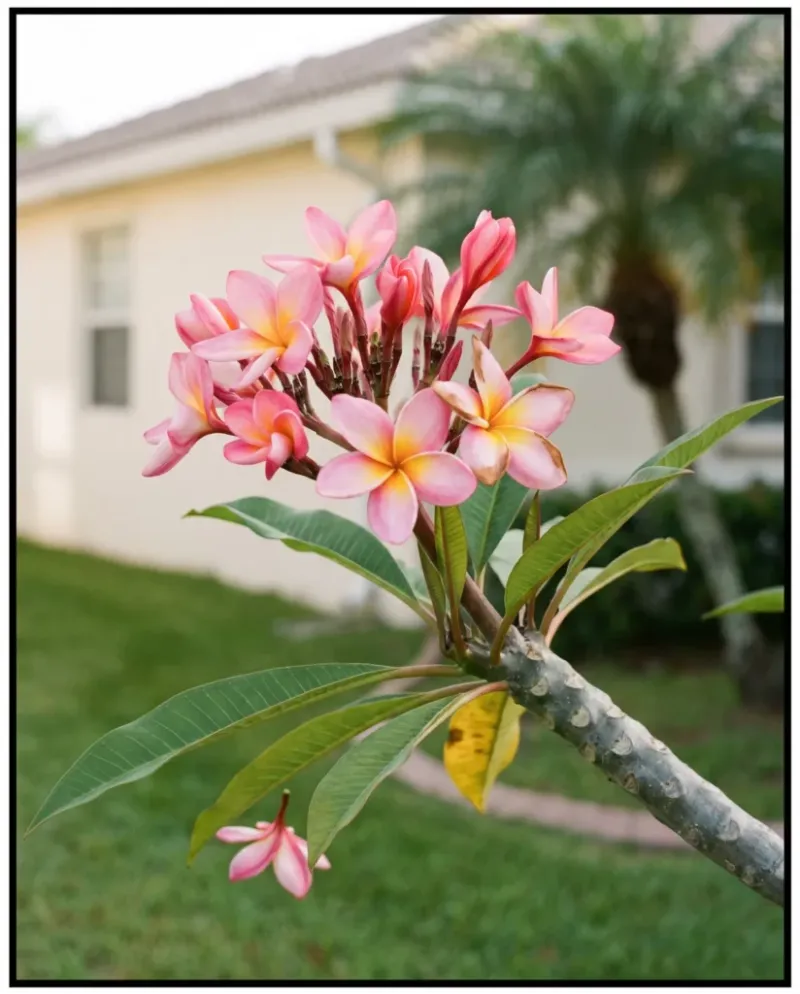
When you want more flowers, reaching for fertilizer or pruning shears feels natural. In fall, both are the wrong move for plumeria.
The plant is winding down, and feeding it now does not force blooms.
Plumeria-specific guidance from University of Wisconsin Extension says to fertilize during the growing season, not at other times. Save the feeding for when the plant is leafing out and growing again.
What about high-phosphorus bloom boosters? The advice is mixed.
That same guide suggests high-phosphorus fertilizer during active growth, but NDSU Extension notes that high-phosphorus products do not necessarily increase flower numbers in garden plants. That article is not about plumeria, so it is a reason for caution, not a final answer.
No universal formula for more plumeria blooms has been established.
Pruning follows the same logic. Plumeria generally does not need routine pruning.
If a deciduous type does need a trim, the cited guidance puts it in spring before the leaves come out.
If you do prune later, remember the sap. It can irritate skin and eyes, so wear gloves and eye protection and avoid touching your face.
Cold protection depends on where the plumeria grows
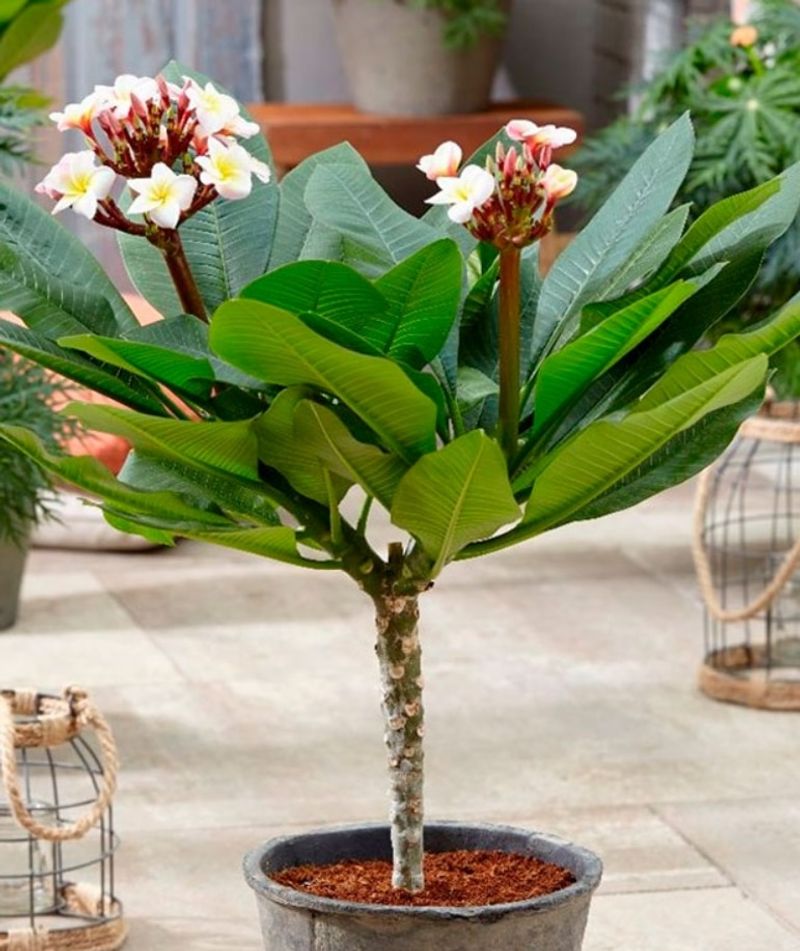
Florida is long, and its winters are not the same from Key West to the Panhandle. UF/IFAS places plumeria’s best fit in USDA zones 10B to 11.
It also notes that frost can threaten much of interior Central Florida, which is zone 9B.
Farther north, growing plumeria in a container makes sense, because you can bring it indoors when cold arrives. In the ground, the plant stays put, so your location and microclimate matter more.
A spot near a south-facing wall may stay milder than an open lawn.
Rather than picking a date, check your local forecast as fall moves along. According to UF/IFAS cold-protection guidance, freezing weather normally occurs in north and central Florida and is rare in south Florida.
Tropical plants can also suffer chilling injury when temperatures drop below 50 degrees Fahrenheit, even without a freeze.
Plan ahead for your setup. Container growers can choose a bright garage, porch, or indoor spot.
In-ground growers can think about covers for short cold snaps.
Skip the household sprinkler as a freeze fix. UF/IFAS warns that home irrigation systems generally cannot provide adequate freeze protection and may do more harm than good.
Set realistic expectations for the next flowering season
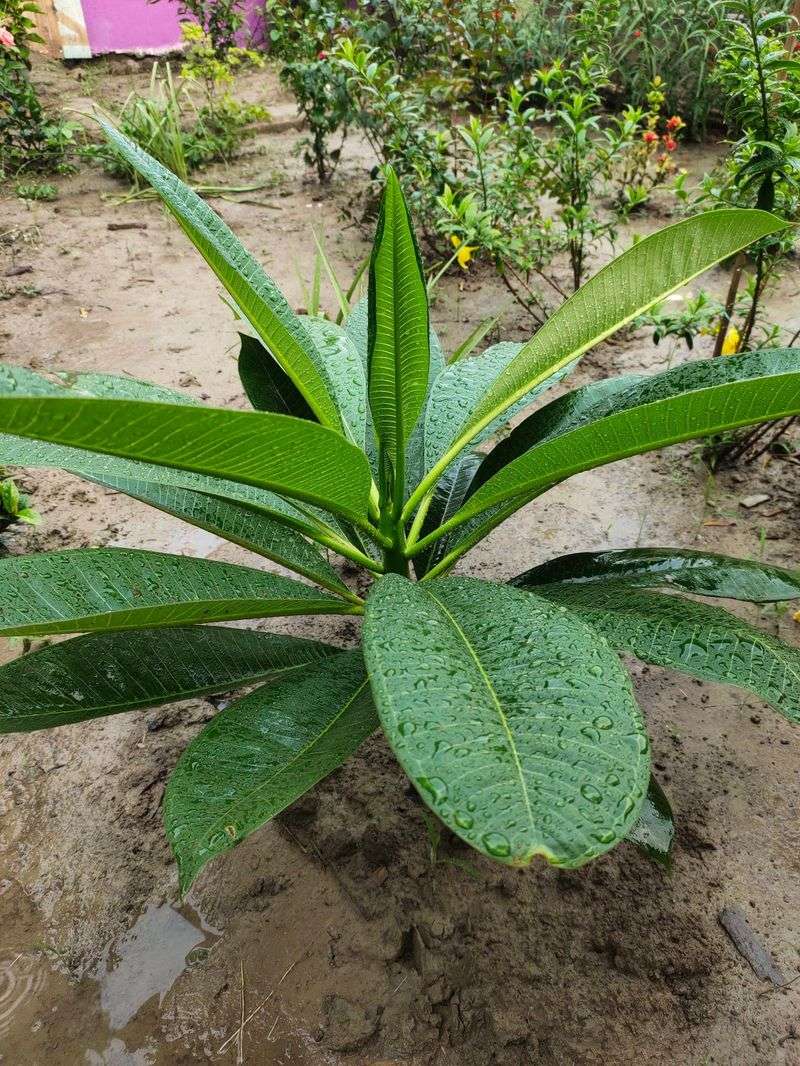
Clear the fallen leaves, then adjust watering, feeding, and cold plans to your own plant and zip code. That is the whole fall routine, and none of it is complicated.
UF/IFAS describes Florida flowering as generally running from May through November, with blooms following the return of leaves. It does not promise spring flowers, and it does not tie fall cleanup to flower abundance.
What you can expect is better rust management. A tidy base and fewer infected leaves give new growth a healthier start.
Flowers come when the plant is ready.
A bare plumeria in winter is not a failure, just a plant waiting for its turn.