
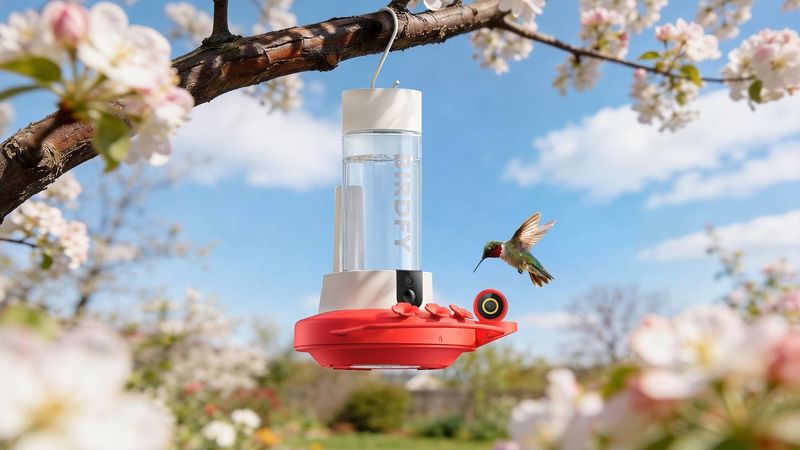
A hummingbird feeder that hangs untouched all week can leave any gardener scratching their head. In hot parts of Florida and Texas, a feeder baking in afternoon sun may have nectar that turns cloudy fast.
Moving it to shade is an easy step that may help keep the sugar water fresh. Here is how to pick the spot, care for the nectar, and sort out other reasons birds might be slow to show up.
Sun May Affect Nectar Clarity, but It Cannot Diagnose a Quiet Feeder
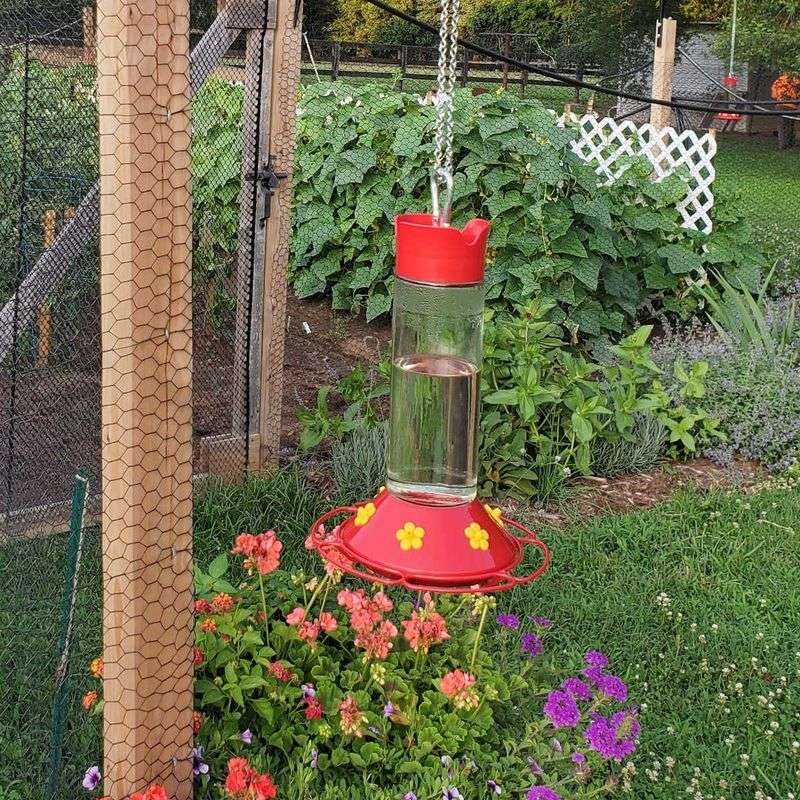
Sunshine and sugar water do not mix well. In a 2013 Oklahoma field study, researchers watched 12 feeders and found that the solution turned cloudy sooner in full sun than in full shade.
That result makes shade a reasonable freshness step, especially in a hot Southern summer. It does have limits, though.
The study measured how clear the nectar stayed. It did not track bird visits, feeders that birds gave up on, or a set number of days before nectar goes bad.
It also compared full sun with full shade, so it cannot pin the blame on afternoon sun alone.
Freshness is also a different question from where hummingbirds like to feed. A 2023 study of Anna’s hummingbirds in California actually recorded more visits at sunny test sites.
That work did not test nectar freshness, and it covered one species in one region. So shade is a nectar-care choice, not a promise that birds will return.
Choose a Shaded Spot That Birds Can Approach
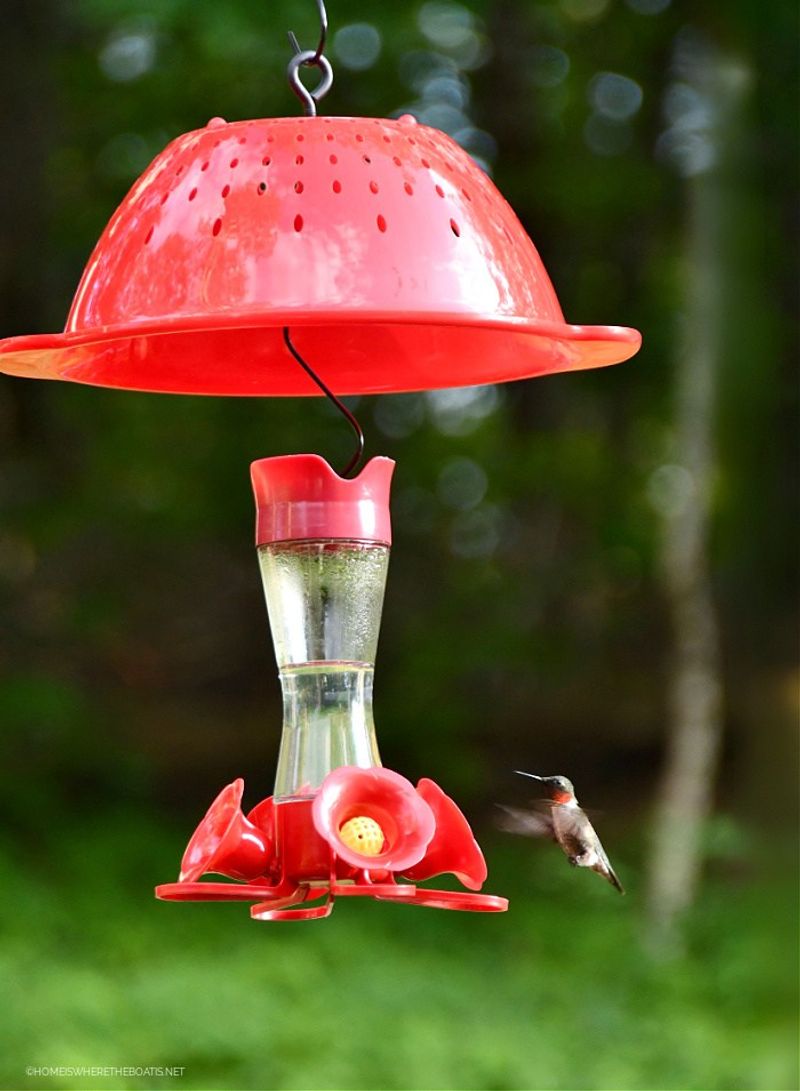
Aim for a place that is shaded or partly shaded, especially in the afternoon, but still easy for birds to reach. A porch eave, the north or east side of the house, or the edge of a tree canopy often works well in hot climates.
Birds like somewhere to rest and keep watch. The Cornell Lab of Ornithology points to nearby trees and shrubs as handy lookout perches.
If your yard has none, Audubon suggests adding a perch about 10 to 20 feet from the feeder.
Windows deserve a second look before you hang anything. Bird-conservation guidance recommends placing feeders within 3 feet of a glass window or at least 30 feet away, rather than somewhere in between.
Close placement leaves birds little room to build up speed, while distant placement gives them time to notice the glass.
Clean More Often When Southern Weather Turns Hot
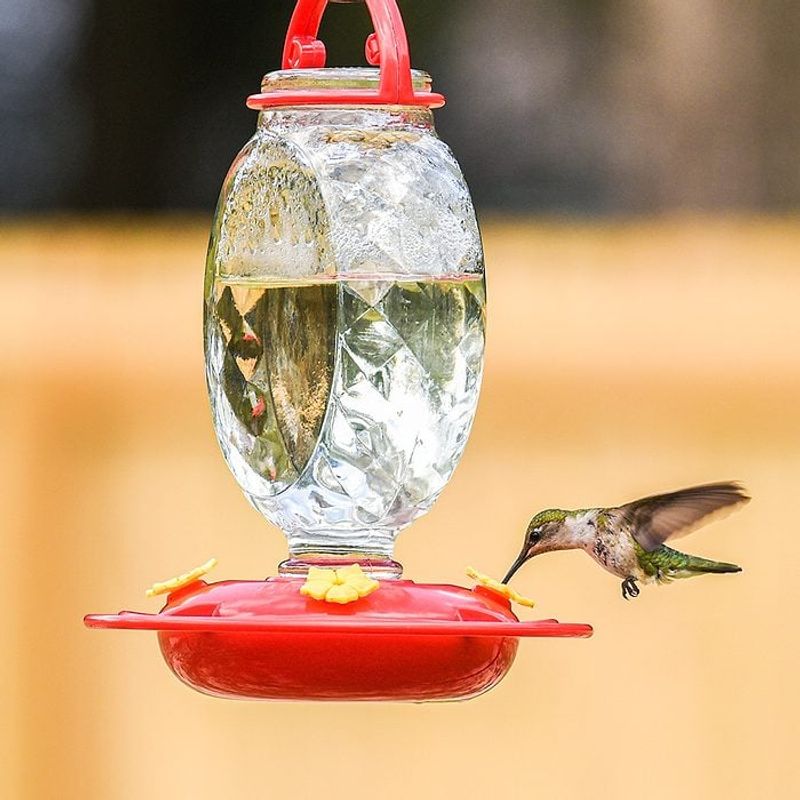
Hot weather calls for a steadier routine. Audubon advises cleaning and refilling every two to three days, and daily when it is particularly hot.
In a Florida or Texas summer, the more cautious end of that range is a sensible choice.
Published intervals vary. The Oklahoma study landed on four to six days for its summer study period.
None of these numbers is a hard spoilage line, so treat them as guidance that shifts with heat and conditions.
If the nectar looks cloudy or you spot mold, toss it and clean the feeder right away. Clear nectar still needs regular care, since looks alone do not tell the whole story.
Cleaning advice differs, too. Audubon’s feeding FAQ suggests hot water with hydrogen peroxide or weak vinegar and cautions against dish soap residue.
Whatever method you choose, rinse thoroughly and follow the feeder maker’s directions.
Make Nectar with Sugar and Water—Nothing More
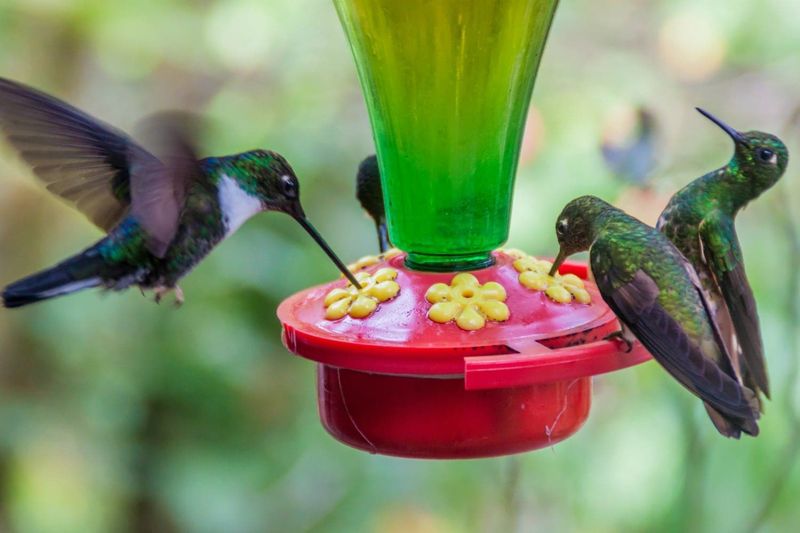
Homemade nectar takes only two ingredients. Audubon’s recipe calls for one part refined white sugar to four parts water.
For example, stir one cup of sugar into four cups of water until it dissolves.
Skip the red dye. Coloring is unnecessary, and the feeder itself usually has red or other bright accents that catch a bird’s eye.
Honey and artificial sweeteners are also best left out. Audubon advises against both, so stick with plain white sugar.
Store any extra nectar in a clean, covered container in the refrigerator, and make a new batch when you need one.
If the Feeder Stays Quiet, Consider Other Explanations
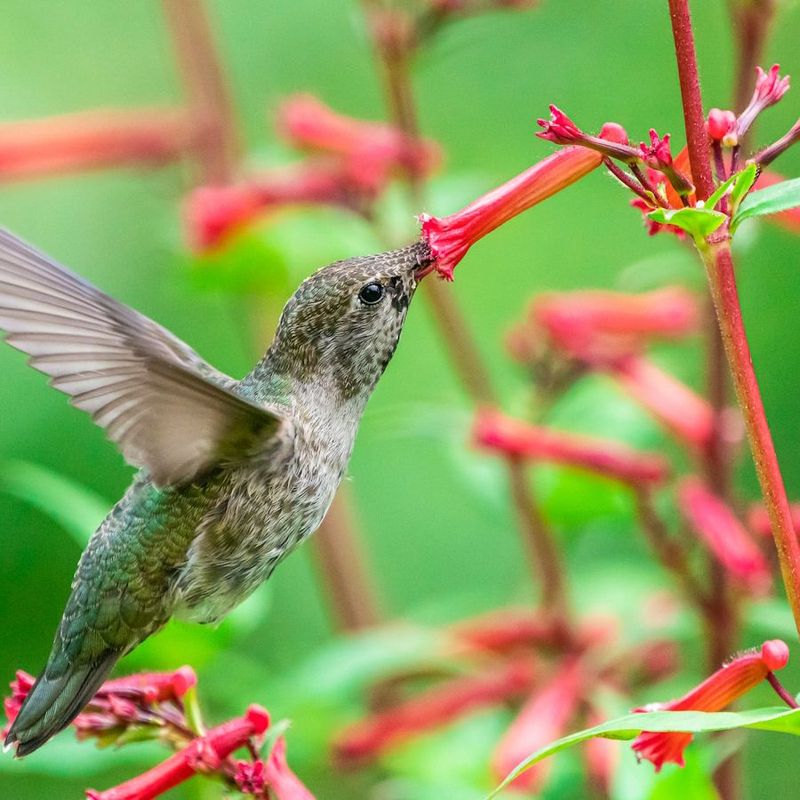
A quiet feeder does not prove that sun spoiled the nectar or that shade failed. Hummingbird numbers shift with place and season, and Audubon notes that a nearby flower patch can temporarily pull visits away from a feeder.
Timing matters in the South. Florida and the Gulf Coast of Texas may host hummingbirds in winter, while other parts of Texas and the region see them at different times.
Audubon’s spring arrival guide can help you see when birds typically pass through. Migration and nesting patterns can also leave a feeder empty for stretches.
Sometimes the birds simply have not found it yet. Audubon says it may take several weeks for hummingbirds to find a garden.
Keep the nectar fresh even while no one is drinking it.
Red or orange tubular flowers planted nearby may help draw attention to the feeder, though they cannot guarantee visits.
Try the Move, Keep Up the Care, and Give Birds Time
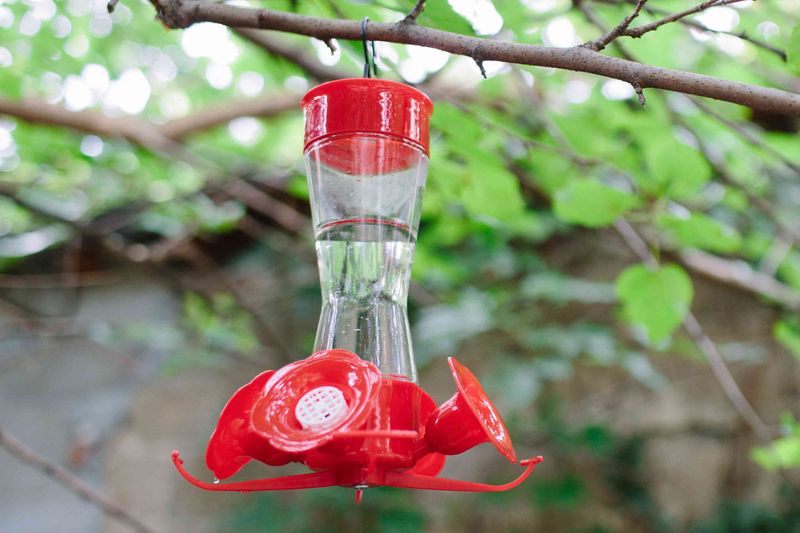
Start by moving the feeder to a spot with afternoon shade. Then keep up a hot-weather routine of fresh sugar-water nectar and regular cleaning, and give birds a few weeks to notice the new location.
These steps support fresh nectar and good feeder habits. They cannot name the cause of every quiet feeder or promise visits.
Sometimes the best a gardener can do is keep the table set and wait for the right wings to show up.