
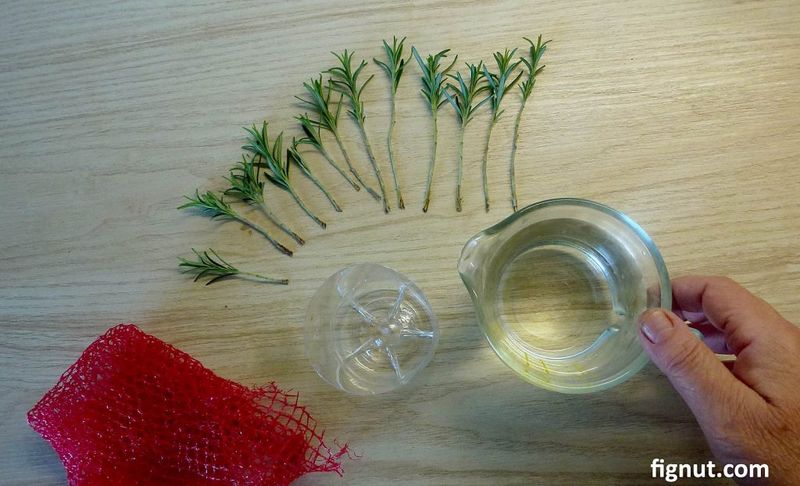
A rosemary plant you love can feel like a lost cause when the first cold forecast shows up. Snipping cuttings sounds like an easy rescue, but the timing matters more than most people expect.
Cuttings take weeks to grow roots, and they may not be ready by the time winter arrives. Here is a realistic routine that gives you a fair shot at fresh sprigs, plus a backup plan.
Start rosemary cuttings well before frost when possible
Here is the honest truth about the title: a cutting snipped right before frost may be too late to root and settle in for winter. Snipping cuttings at the last minute does not ensure that your rosemary will keep growing or give you sprigs to pick.
The better window is earlier. NC Extension recommends taking rosemary cuttings in late spring or summer.
That is one extension’s timing, so treat it as a guide rather than a calendar rule for every Southern yard, since Florida and Texas gardens vary a lot.
Many herb cuttings need about 4 to 6 weeks to root, according to Iowa State guidance on stem cuttings. Count backward from your local first cold snap and you can see why starting early helps.
If frost is already close, you can still try. Just treat late cuttings as an experiment, not your only winter plan, and keep a second option in mind, such as moving a potted parent plant indoors.
Choose healthy shoots and spare the parent plant
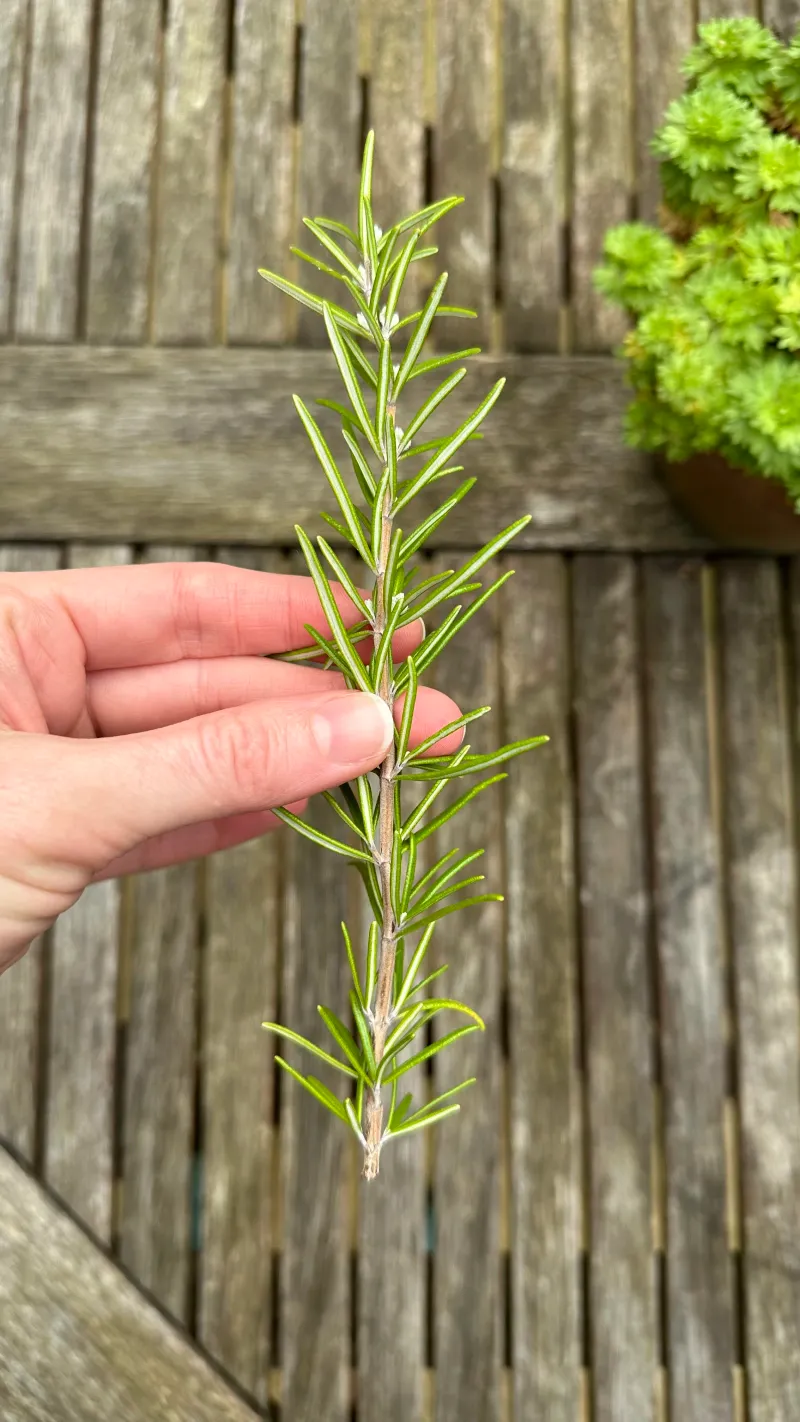
Walk around the plant and look for shoots that are green, flexible, and healthy. Skip woody, stiff stems, and choose ones without flowers when you can.
Gather several, because not every cutting will make it.
For length, Cornell suggests 4 to 6 inches as a handy size. A ruler or your hand span works fine for a quick check.
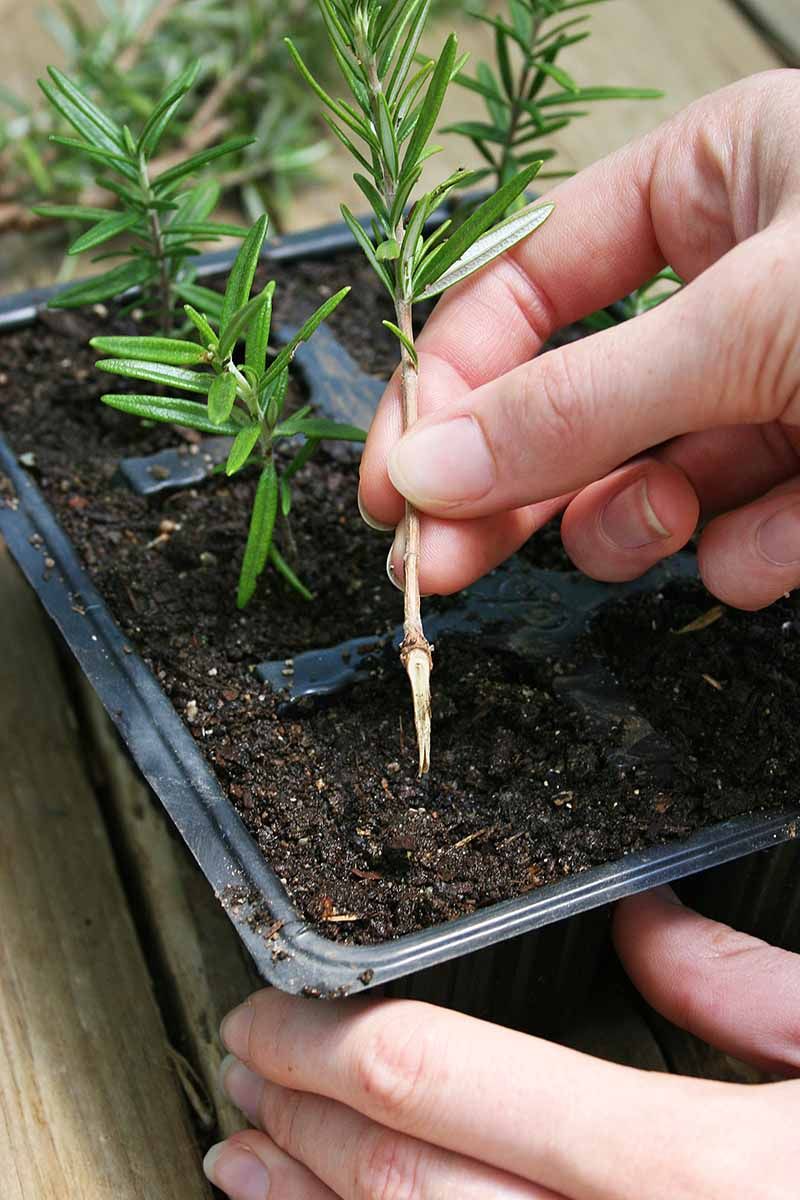
Next, strip the leaves from the lower part of each stem. You want a bare section that will sit in the rooting medium, since leaves left underground tend to rot.
Remember that cuttings come from the parent, so be gentle with it. If you also harvest the plant for the kitchen, Iowa State advises taking no more than one-third at a time.
Spread your snips around so the plant keeps its shape and enough leaves to recover.
Set the bare stem in moist rooting medium
Once your cuttings are prepped, poke a hole in a pot of rooting medium or soil with a pencil. Slide the bare, leaf-free part of the stem into it and firm the mix gently around the base.
A small pot can hold several cuttings.
Moisture is where many people go wrong. Cornell’s advice is to keep the medium moist, and the same goes for soil.
Moist means damp like a wrung-out sponge, not waterlogged, because soggy mix can rot the stem before roots form.
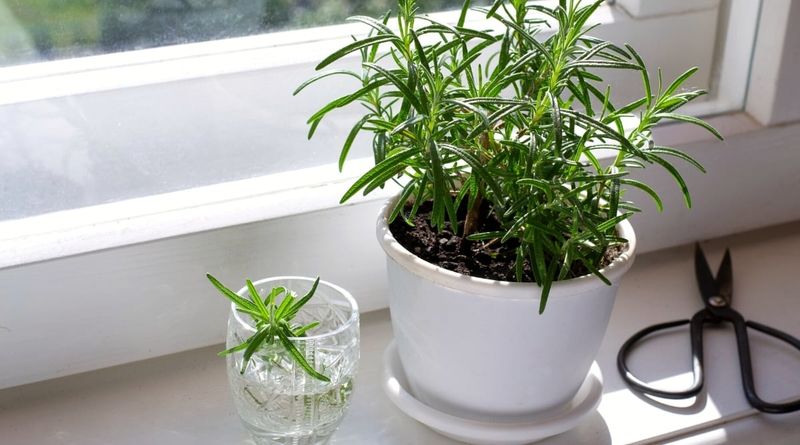
Place the pot in a bright, sheltered spot while roots develop. Think a sunny windowsill or a protected porch corner out of strong wind.
NC Extension also describes keeping cuttings in a sheltered place while they root.
Check the mix every day or two with a fingertip. Add a little water when the top feels dry, and let extra drain away.
Expect weeks of rooting and some failed cuttings
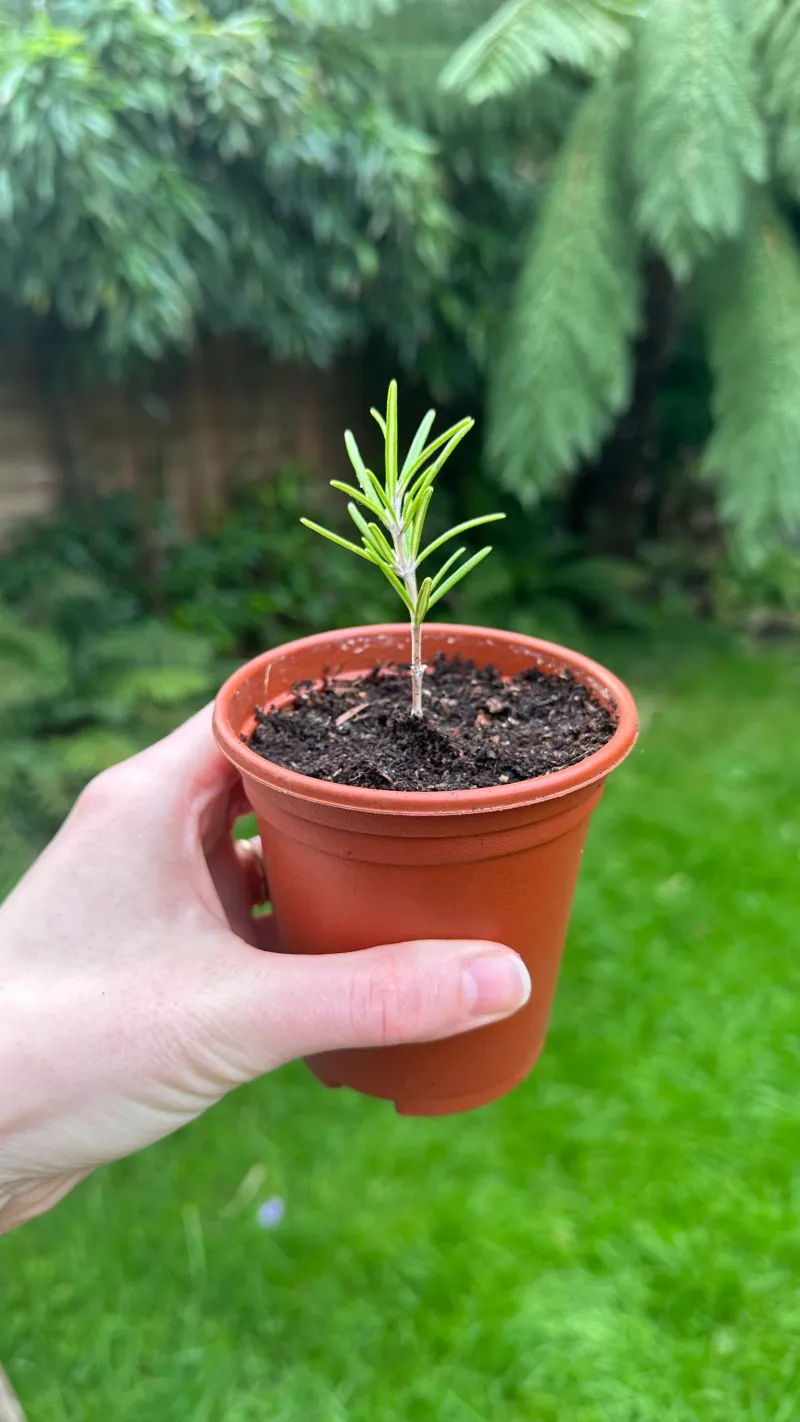
Patience is the main tool here. NC Extension estimates that rosemary cuttings take about 4 to 6 weeks to root, and that only 30 to 50 percent may succeed.
Some cuttings take longer. Cornell notes rosemary may need almost two months.
Those numbers are estimates, not promises, and your results can vary with the weather, the plant, and how you care for the cuttings.
So start more cuttings than you want plants. If you hope for two new rosemary starts, try six or eight.
A few may turn brown or limp, and that is normal.
A practical clue: new growth at the tip often hints that roots have formed. A gentle tug that meets slight resistance is another sign.
Be careful not to yank too often, since that can break tender new roots.
Pot rooted cuttings and give them strong light
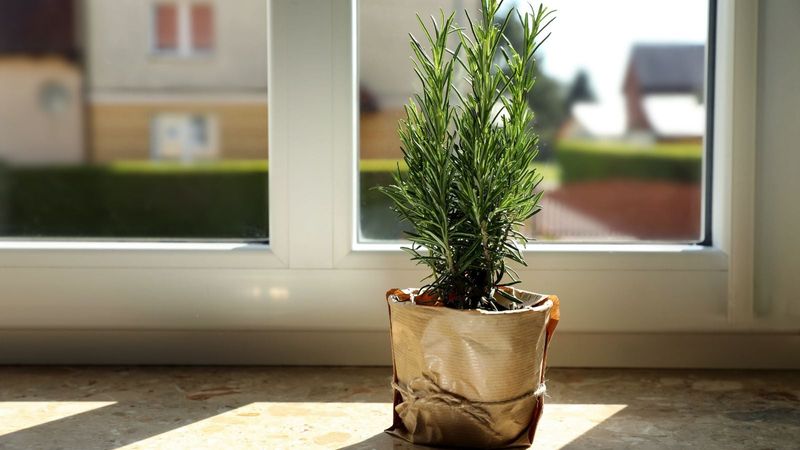
When roots have formed, give each rooted cutting its own container. Pick pots with drainage holes and fill them with well-drained potting mix, as NC Extension advises.
Each one is now a new small plant, separate from the parent.
Light is the next hurdle. Iowa State suggests 4 to 6 hours of direct sun, and notes that herbs like rosemary may need supplemental light for 12 to 16 hours a day.
Not every home gets that much sun in winter. A window facing a tree, a porch roof, or a short winter day can fall short.
If your best window is dim, a simple grow light placed close to the plants may help.
Watch the plants for clues. Leggy, pale, or stretched stems often mean the light is too weak, so move them closer to the window or add a lamp.
Let the mix dry somewhat between waterings
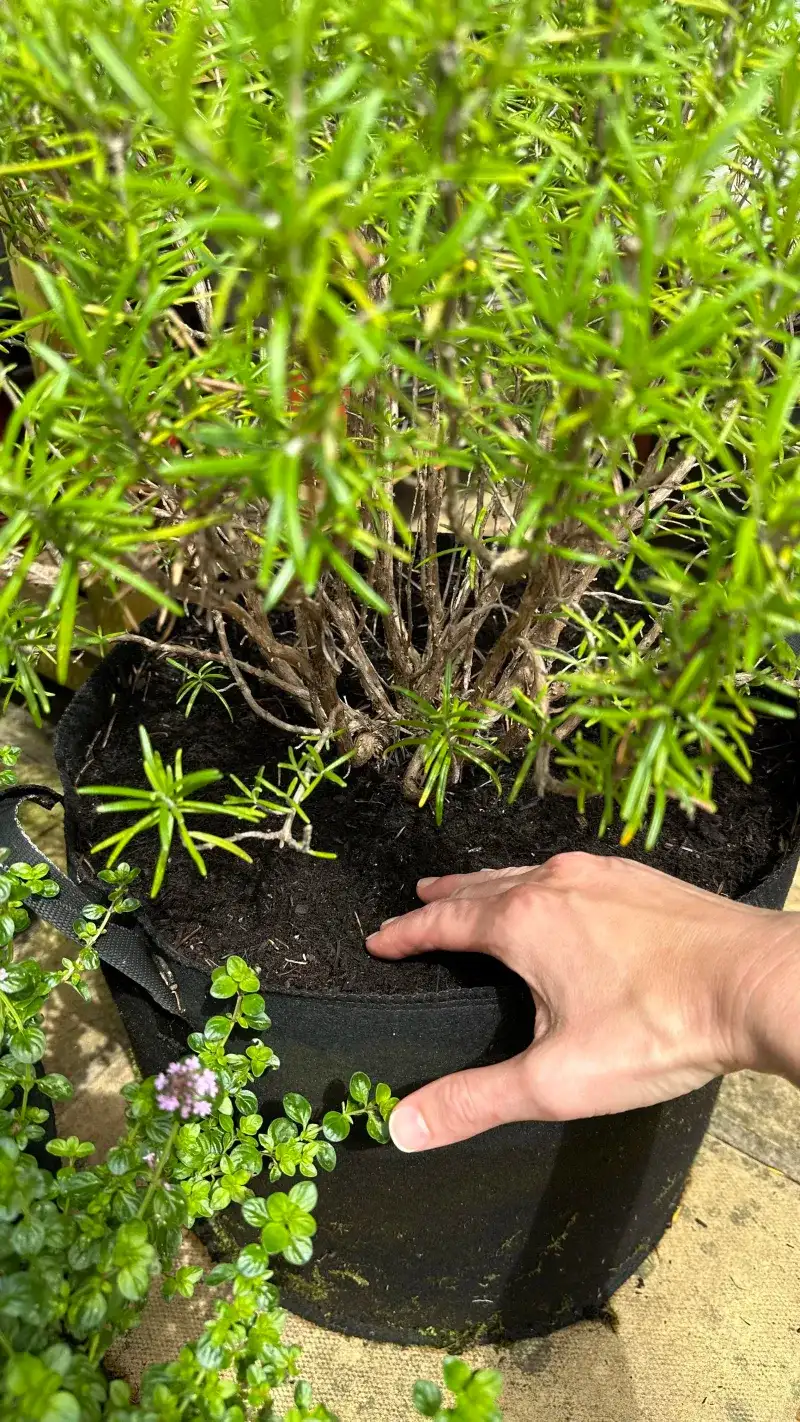
Overwatering is a quiet rosemary killer. Soggy soil invites root rot, and Illinois Extension stresses good drainage for this herb.
Texas A&M’s rosemary guide points the same way, noting the plant dislikes wet soil.
A simple rule: water when the top of the mix feels dry, then let the extra drain out of the pot. Empty the saucer afterward so the roots do not sit in water.
Do not swing to the other extreme. Let the mix dry somewhat, but avoid letting the plant wilt or the mix go completely dry.
Brown tips are common indoors, where the air can be dry. Pouring on more water is not the fix, and Iowa State warns that extra watering can risk root rot.
Check light, drainage, and your watering rhythm first.
A potted parent plant is a separate winter option
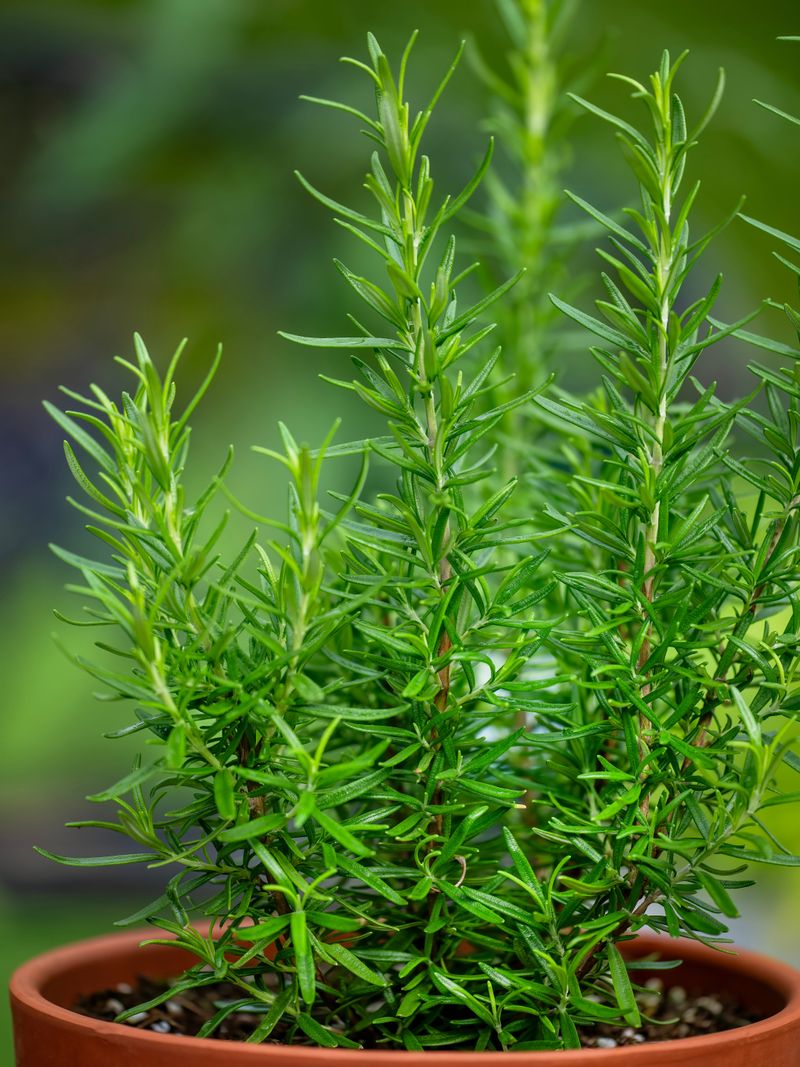
Cuttings make new plants. They do not protect the mature one.
If you already have rosemary growing in a container, bringing the whole pot indoors before frost is a different option, and it keeps the established plant going.
In-ground rosemary is trickier. Illinois Extension cautions that rosemary grown in the soil may not transplant well, so digging it up is a gamble.
Outdoor advice depends on where you live. UF/IFAS says rosemary can thrive year-round in Florida, though colder areas may need freeze protection.
A Texas A&M publication calls rosemary hardy in most of Texas but says it can die below about 10°F. Treat that as a rough reference, since cultivars, pots, and sites differ.
So there is no single frost rule for either state. Watch your own forecast, and move pots in when a hard freeze looks likely where you garden.
Plan for a modest winter harvest, not rapid growth
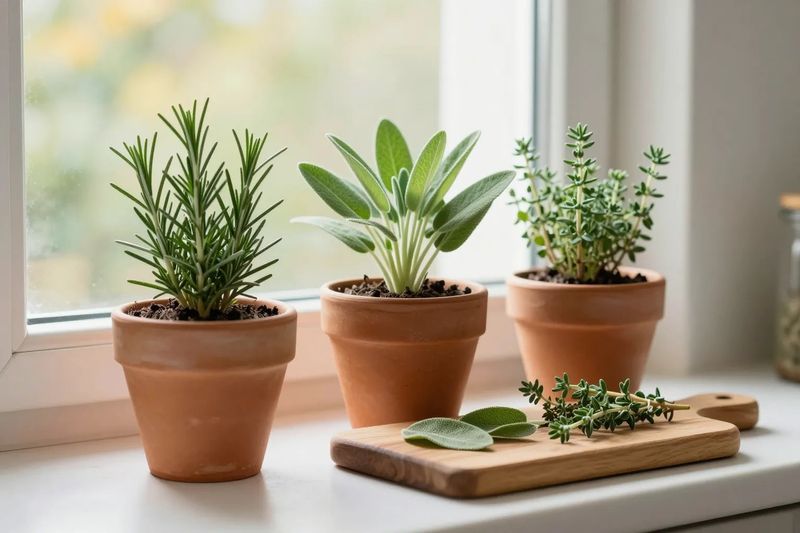
Indoor rosemary may give you a few fresh sprigs, but do not expect a bushy flush of growth. Illinois Extension says rosemary does not grow much on cool, low-light winter days.
Light is your biggest lever. Iowa State notes indoor herbs may need supplemental light, so a lamp can make a real difference.
Put it all together: start cuttings early when you can, give new plants strong light and drainage, and treat them as a backup rather than a sure source of winter herbs. Snip lightly, a sprig at a time.
A small, steady pot of rosemary on the sill beats a big plan that never roots.