
A front-door shrub can look harmless until a child picks a flower or a dog chews a leaf. In Florida, several popular entryway plants contain toxins or irritating sap.
Here are seven to check before you refresh your porch beds, plus safer ways to handle a plant that is already there.
1. Oleander
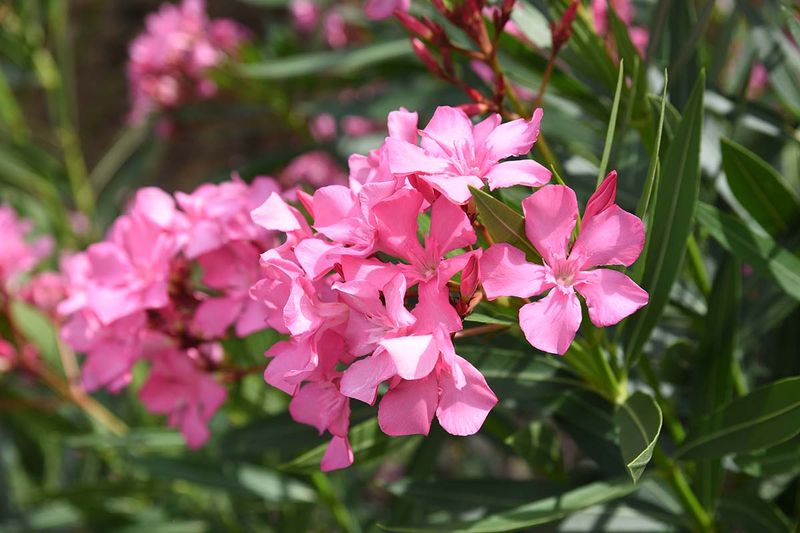
Few shrubs make a Florida entry look finished as quickly as oleander. It handles sun, heat, and coastal conditions, then covers itself in pink, white, or red flowers.
That easy beauty can hide a serious hazard: all parts of oleander contain cardiac glycosides, which can affect the heart if swallowed.
Leaves and flowers that fall beside a front walk are especially easy for a curious child or pet to reach. Dried clippings remain hazardous, too, so a cleanup pile should never sit near the porch.
Do not burn oleander branches; smoke from burning plant material can also be dangerous.
If an oleander already flanks your door, keep people and animals away from the plant while you decide whether to remove it. Wear gloves when pruning, bag the debris, and wash tools and hands afterward.
For a replacement with showy flowers, ask a local nursery about native firebush or Simpson’s stopper suited to your site’s sun, space, and drainage. If someone may have swallowed oleander, seek urgent medical or veterinary help rather than waiting for symptoms.
2. Sago Palm
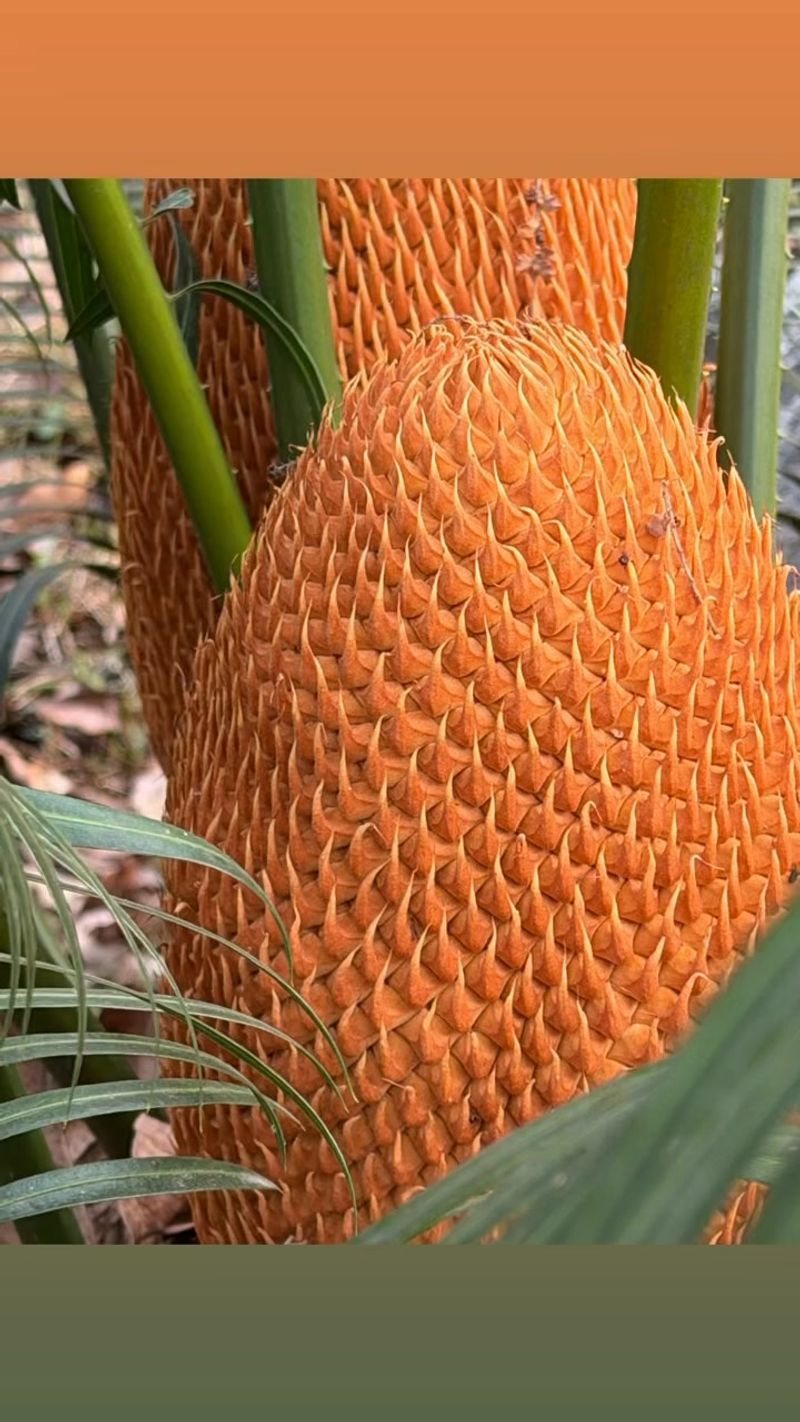
That tidy, palm-like plant beside the porch may not be a palm at all. Sago palm is a cycad, often grown as a low, sculptural shrub in Florida landscapes.
Its stiff fronds can scratch, but the larger concern is poisoning, particularly when dogs chew its seeds.
Every part of the plant is toxic, and the seeds are especially concentrated sources of cycasin. A dog can find fallen seeds under the crown while sniffing around the front steps.
Ingestion can cause severe liver damage, so even a suspected bite calls for immediate veterinary advice.
Check the base of any sago near your entrance, especially when seeds are present, and keep pets away from the area. Picking up visible seeds does not make the plant safe for a dog that digs or chews leaves.
If you remove one, wear gloves, contain the seeds and cut material, and follow local yard-waste rules. For a similar strong shape without a sago’s seed hazard, consider a properly spaced native coontie, another cycad, but confirm any new plant’s suitability if pets routinely eat landscaping.
3. Azalea
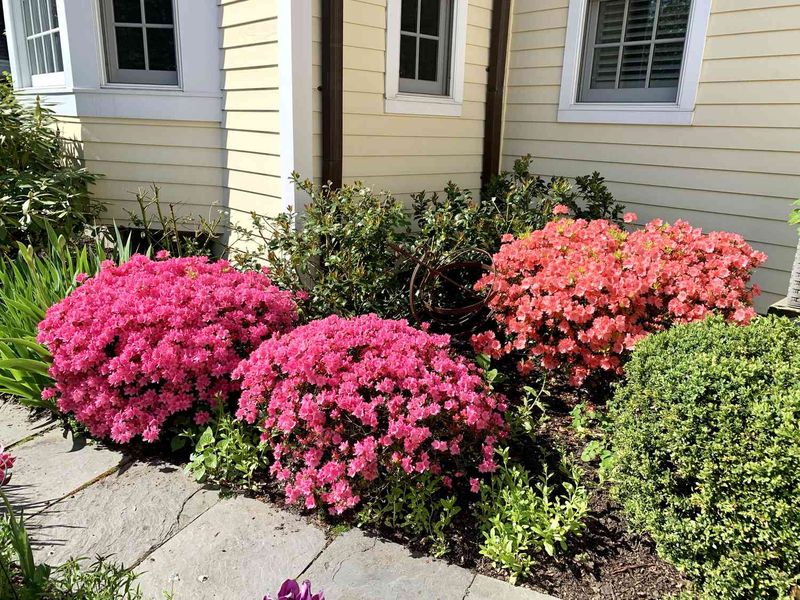
Azaleas can turn a shaded front walk into a burst of spring color. Their flowers also tend to land right where children stop to look and pets stop to sniff.
Azaleas contain grayanotoxins, which can cause poisoning when plant parts are eaten.
Leaves, flowers, and nectar are not snacks, even though the blooms look delicate. In pets, signs can include drooling, vomiting, weakness, and changes in heart rate.
Florida’s sandy soil adds a separate practical problem: azaleas need the right acidic conditions and steady moisture to look their best, so a hot, exposed doorway is often a poor spot for them anyway.
If your azaleas sit within easy reach of a toddler or a dog that samples plants, move them or choose a different shrub for that stretch of path. For a partly shaded Florida entry, ask about native Simpson’s stopper, which can be shaped into a neat hedge and offers flowers for pollinators.
Match any replacement to your yard’s light and drainage rather than assuming every covered porch stays cool and moist. If a person or pet eats azalea, contact a poison center or veterinarian promptly.
4. Allamanda

Bright yellow trumpets beside a front door practically wave hello. Allamanda is a favorite in warm Florida landscapes, where it can bloom for a long stretch of the year.
Bush forms fit entry beds more easily than sprawling vines, but they still deserve careful placement.
Allamanda’s milky sap can irritate skin, and eating the plant can cause stomach upset. The risk is different from oleander’s heart toxins, yet it matters beside a narrow path where bare arms brush stems and children may pick flowers.
Pruning also exposes more sap, so a quick trim before guests arrive is not a bare-handed job.
Give an established allamanda room so visitors do not have to push past it, and wear gloves and eye protection when cutting it back. Bag clippings instead of leaving bright flowers on the steps where a pet might mouth them.
If you want long-season color in a sunny entry bed, native firebush is one option to discuss with a local nursery. Check its mature width before planting; a safer choice still needs enough space to keep the walkway clear.
5. Angel’s Trumpet
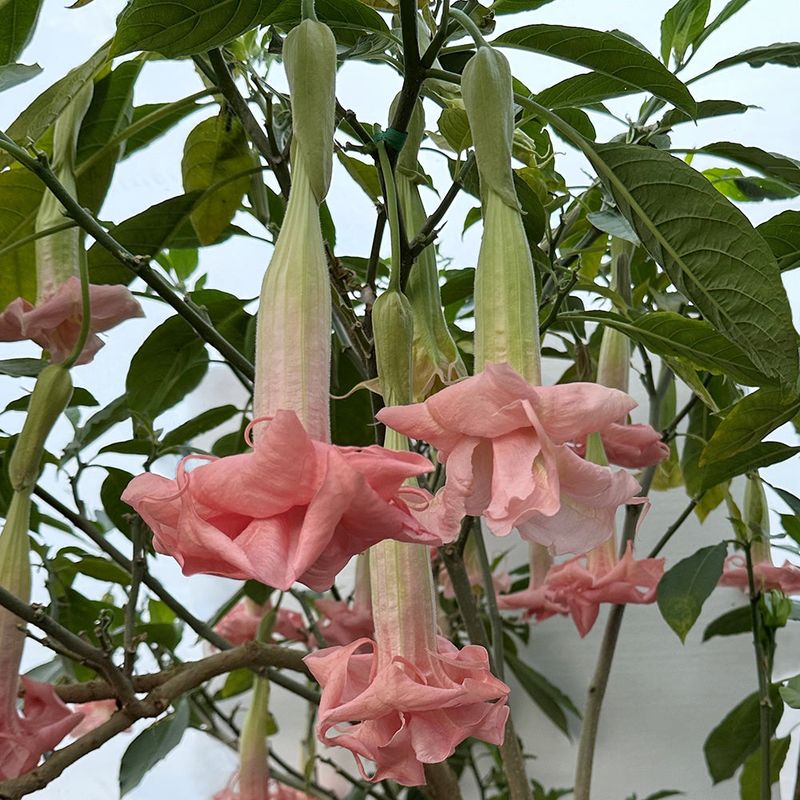
At dusk, the hanging flowers of angel’s trumpet can make a porch feel like a tropical garden. Their size and scent draw people close, which is exactly why this plant needs thought before it goes next to a front door.
Brugmansia contains toxic tropane alkaloids in its leaves, flowers, seeds, and other parts.
Swallowing plant material can cause serious symptoms, including confusion, a fast heartbeat, and dangerous changes in body function. Children may be tempted by the huge flowers, while cut blooms left on a porch table can bring the hazard within reach.
Even routine pruning is best handled with gloves, followed by careful handwashing.
An angel’s trumpet makes more sense, if grown at all, in a spot away from play areas, pet routes, and busy entry paths. Do not use its flowers in food or drinks, and dispose of fallen blooms and clippings where children and animals cannot get them.
For an eye-catching Florida entry, consider a flowering shrub selected for your light and soil instead of putting this plant at arm’s length from every visitor. Seek immediate help if any part is swallowed.
6. Lantana
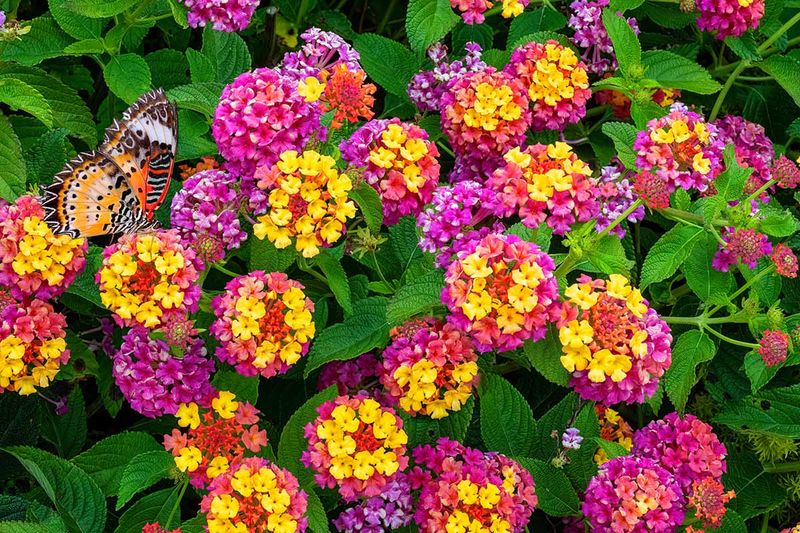
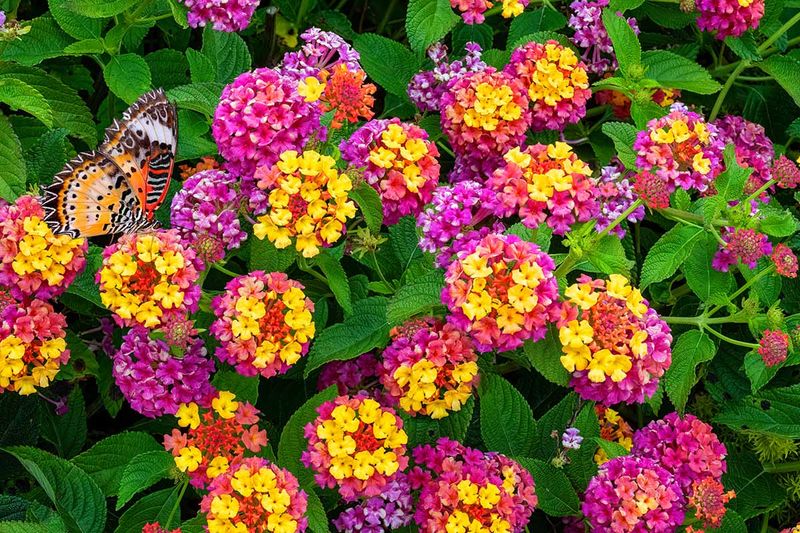
Butterflies love a sunny lantana, and homeowners love the color it brings to a bare entry bed. The surprise comes after the flowers: some lantanas produce small berries that can look inviting to a child.
Ingestion of lantana, particularly unripe berries and foliage, can cause poisoning in people and animals.
Risk varies among lantana species and cultivars, so the name on an old plant tag may not tell the whole story. Lantana camara also raises a separate Florida gardening concern because it can spread beyond the bed and is considered invasive in the state.
A shrub planted for pollinators should not create extra work for nearby natural areas.
Before keeping lantana by the steps, identify the plant and check current UF/IFAS guidance for your area. Keep berries and prunings out of reach, and avoid placing a fruiting shrub beside a child’s usual path.
For a sunny pollinator planting, ask a Florida native-plant nursery about regionally appropriate native lantana or other native flowers that fit your bed. The payoff is color and insect activity without automatically relying on the common invasive form.
7. Yesterday-Today-and-Tomorrow
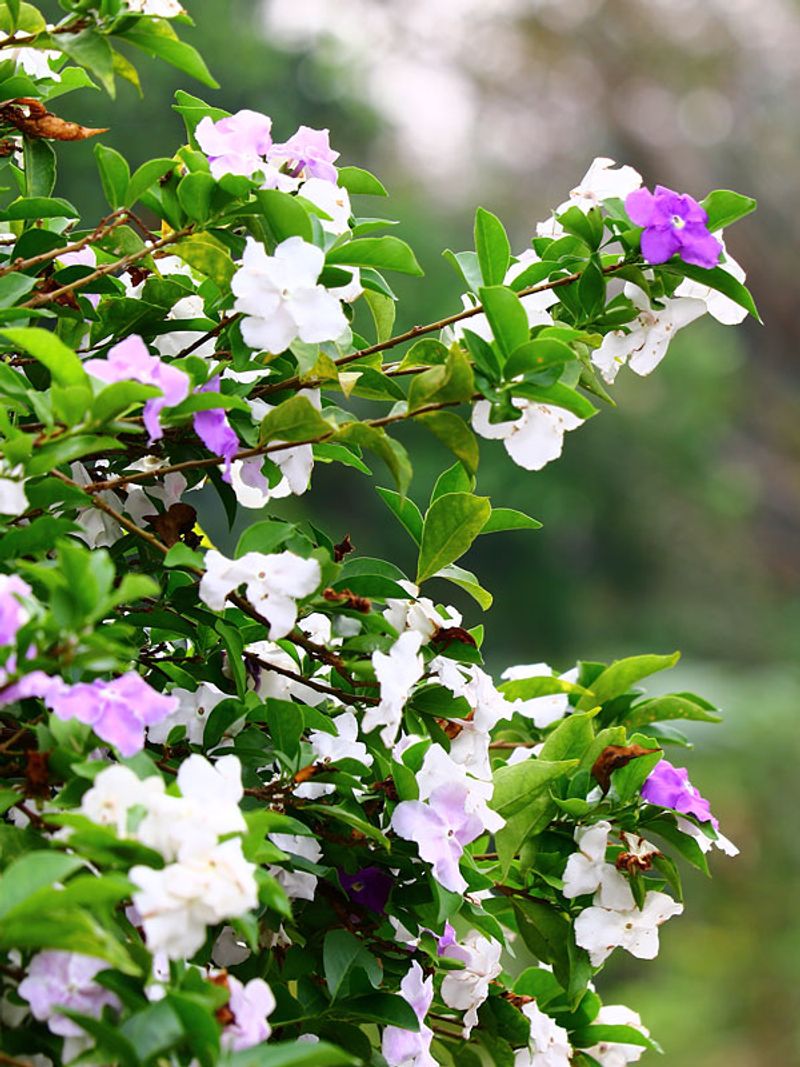
One shrub, three flower colors: yesterday-today-and-tomorrow earns its curious name as blooms fade from purple to lavender to white. That changing display makes it a tempting choice for a Florida doorway with some shade.
It also means the plant catches attention from anyone walking past, including children and pets.
Brunfelsia species contain toxic compounds, and ingestion can cause serious illness, especially in dogs. Flowers, leaves, and seed pods should all be treated as off-limits.
A dropped pod near the doormat is easy to miss, which makes this shrub a poor match for an entry where a dog waits or children play.
Look beneath an established plant for fallen material, and keep pets away while you decide whether the location is workable. If you prune or remove it, collect the debris promptly rather than letting it scatter through the bed.
A shaded Florida entrance can still have color without this particular risk: ask a local native-plant nursery about Simpson’s stopper for partial shade, then check the mature size against your available space. If a pet chews Brunfelsia, call a veterinarian right away and bring a clear photo or plant sample for identification.