
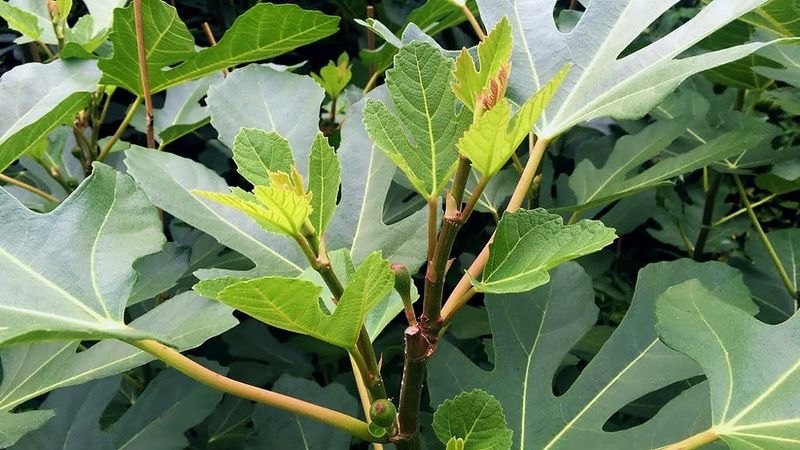
Your fig tree looks great, with big leaves and long branches, yet the branches hold no fruit. That can feel like a puzzle with no clues, but a missing crop is a problem you can investigate.
Fall and winter are a smart time to check the tree, avoid a few common mistakes, and plan for spring. Care can help address problems and improve the tree’s chances, though no single step can promise a harvest.
Lush Growth Is a Clue, Not a Diagnosis
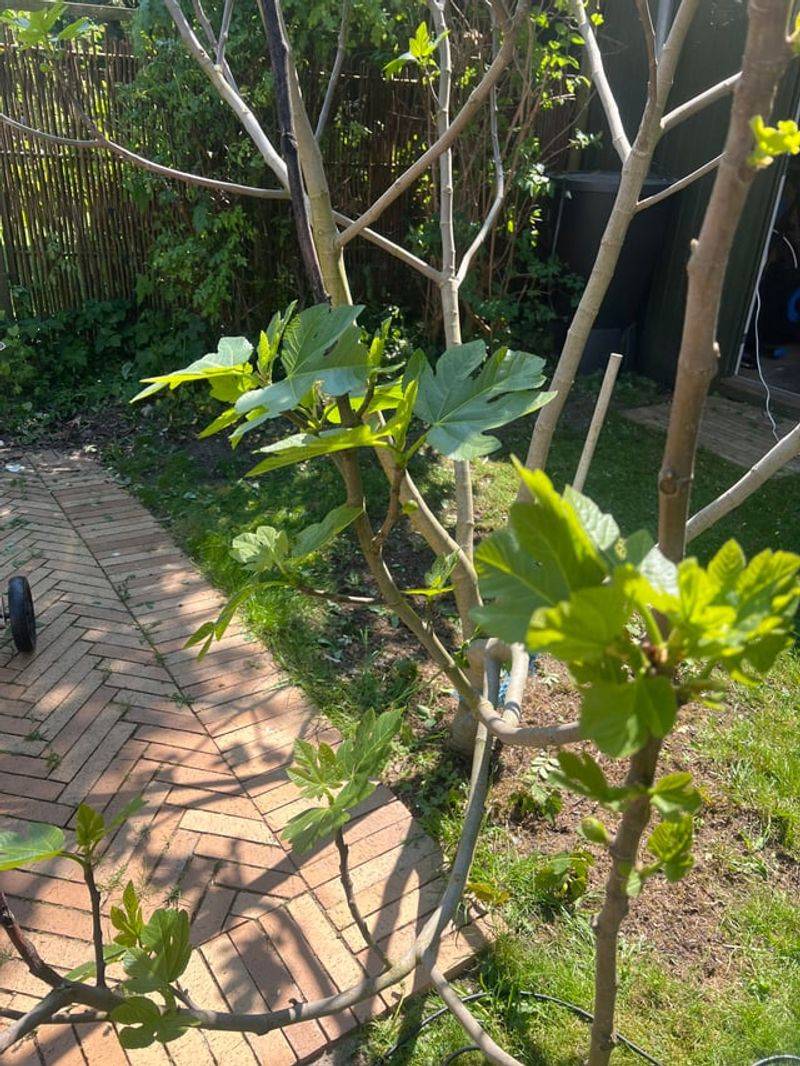
A fig tree that grows like crazy but never sets fruit is easy to blame on one thing. Too much nitrogen is a real possibility, because it can push leaves and branches at the expense of fruit.
UC IPM advice on fig drop and no fruit says to stop fertilizing when a fig is growing excessively.
Still, big growth alone does not prove nitrogen is the culprit. Think of it as a clue, like a cough that could mean several different things.
Here is one rough way to gauge vigor. UGA Extension’s home fig guide notes that leaf nodes spaced more than 3 inches apart on current-season shoots may point to excessive growth.
Treat that as a hint, not a nitrogen test.
Before you pick a fix, look at the other suspects. Age, shade, water problems, winter injury, and cultivar can all leave a tree leafy and fruitless.
The next sections walk through each one.
Check the Tree’s Age, Cultivar, and Growing Site
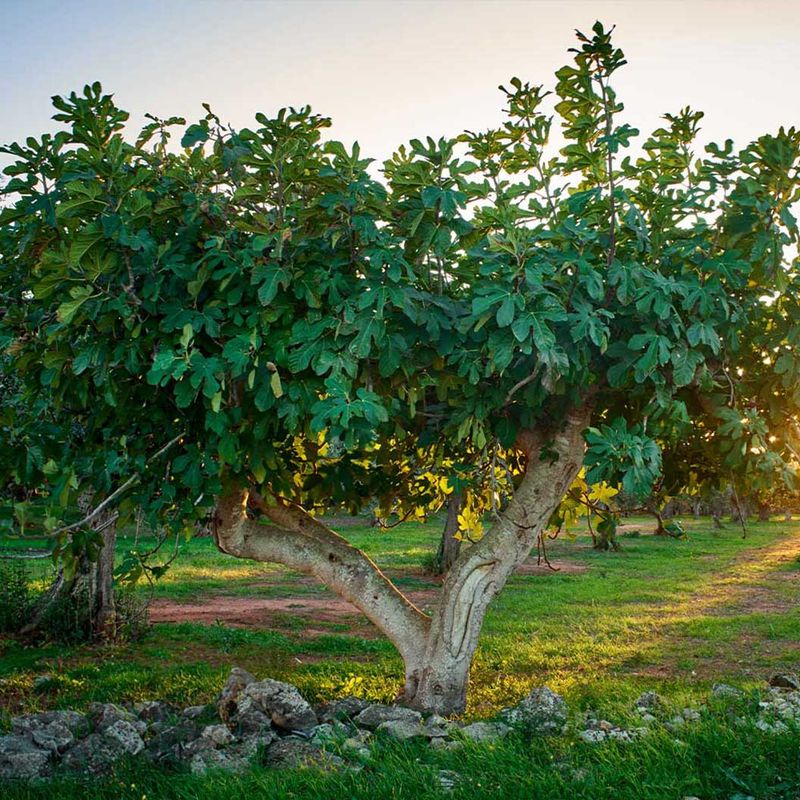
Start with the simple questions. How old is the tree?
UGA Extension says three or four years may pass before a plant matures a crop, and UC IPM gives a wider range of about two to six years. A young tree may simply need more time.
Next, find the cultivar name on an old tag or purchase receipt. Some cultivars suit your region better than others.
Pollination is a cultivar-specific possibility, not the usual story. UF/IFAS recommends common figs for Florida because they form fruit without pollination, and Tennessee Extension separates them from types needing cross-pollination.
Then look at the site. Does the tree get full sun and drain well after rain?
Shade and soggy soil are both worth checking.
In Florida, root-knot nematodes can be a concern, especially in sandy soil, as UF/IFAS publication MG214 explains. If the tree declines or keeps underperforming, ask your county Extension office about diagnosis.
Don’t Feed a Tree That Is Already Growing Vigorously
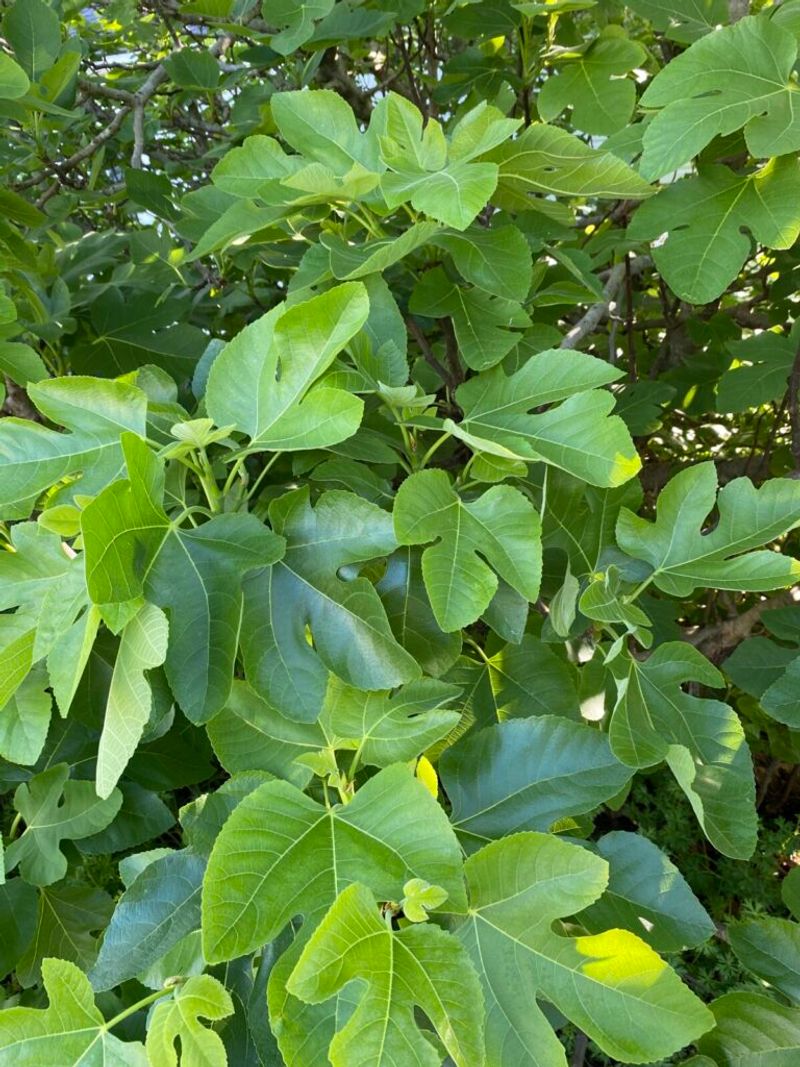
Reaching for fertilizer feels like action, but a fig that is already growing hard rarely needs more. Adding fertilizer just to make it fruit could push even more leaves and shoots.
For now, the safest move is to hold off.
Come spring, let the tree tell you what to do. UGA Extension ties feeding decisions to how the shoots are growing.
Node spacing is only a rough clue, so do not read it as proof of a nutrient problem.
If you suspect a deficiency, such as pale leaves with weak growth, get a soil test first. Both UF/IFAS Gardening Solutions and UF/IFAS publication MG214 point gardeners toward local recommendations, which vary by site and soil.
Skip the idea that a special bloom booster will trigger figs. Without a soil test or a clear deficiency, no particular nutrient blend is a proven fix.
Keep the Root Zone Moist, Not Waterlogged
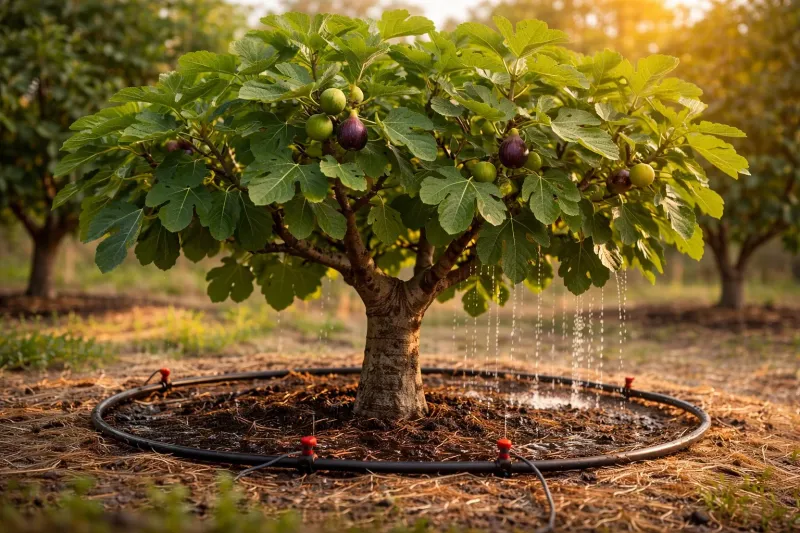
Figs can struggle at both ends of the water scale. Texas A&M AgriLife Extension describes them as relatively sensitive to drought stress, which matters during long dry Texas spells.
A quick check helps. Push a finger or trowel a few inches into the soil near the drip line.
If it is dry, a deep drink during drought may help. If it is soggy, hold off.
Poor drainage is the other side of the problem. UF/IFAS Gardening Solutions highlights good drainage as a growing need, and UC IPM notes that too little or too much water can hurt figs.
Let weather, soil type, and drainage set your schedule. Steady moisture may reduce stress, but it is not a guaranteed route to fruit.
Protect Cold-Exposed Trees Without Expecting a Guarantee
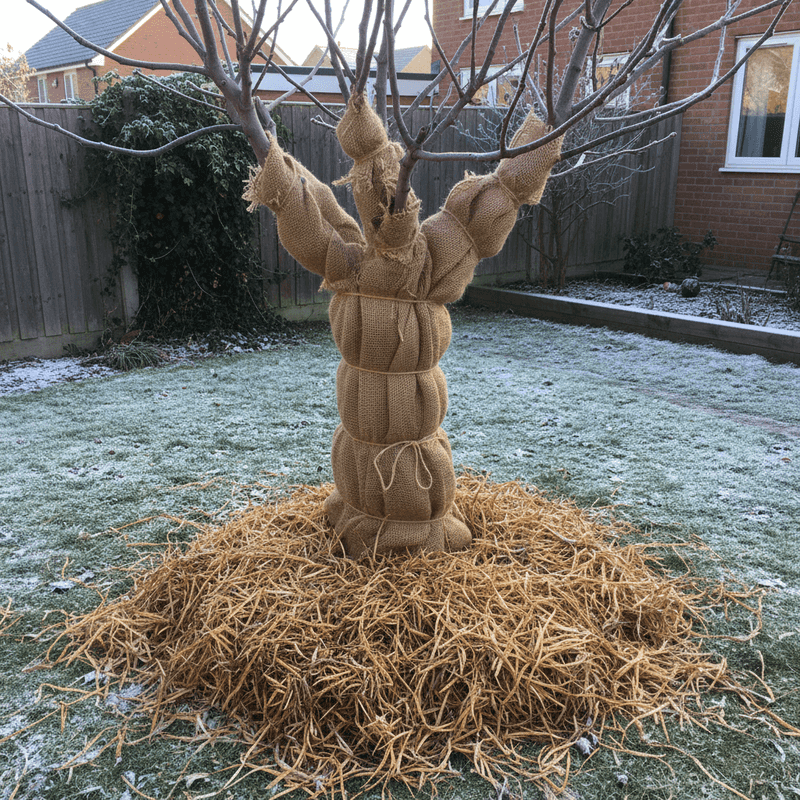
Winter injury is a quiet reason for a poor crop. Freeze damage can reduce or delay fruit, and cultivars differ in hardiness.
A tree that looked fine in summer may have lost buds or wood during a cold snap.
Young or exposed trees deserve extra thought. Texas A&M AgriLife Extension describes freeze protection measures and notes that after severe injury some cultivars crop on new growth while others may not return to production until the following year.
Use Texas guidance as one regional example, and check your own county Extension office.
Protection helps the tree, but it does not promise a harvest.
Also keep freeze repair separate from routine pruning. UF/IFAS advises removing freeze-damaged wood after regrowth begins, so you can see what survived.
Avoid Heavy Pruning Without Local Guidance
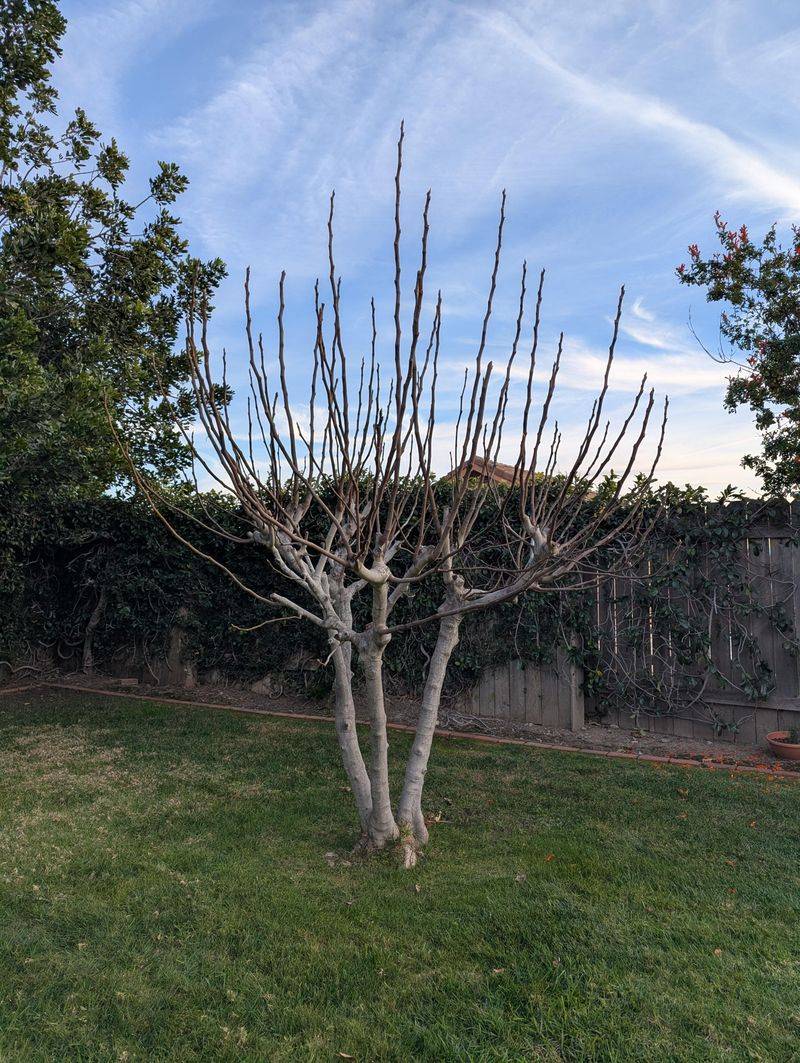
Cutting a fig back hard can feel like a reset button. It is not a safe fix for no fruit.
UF/IFAS Gardening Solutions warns that heavy winter pruning can eliminate the next crop.
The old saying that figs fruit on old wood is too broad. In recommended Southeastern cultivars, the main crop generally forms on current-season growth, as UF/IFAS publication MG214 explains.
Some cultivars also bear a breba crop on the previous year’s wood, and heavy cuts can remove those early figs.
Effects of pruning depend on cultivar, climate, and timing, so no single calendar fits every Southern fig. Tennessee Extension shows how guidance can differ by region.
Until you know your cultivar and local advice, avoid heavy cuts. In Florida, pruning for size after harvest is the usual suggestion.
Let Spring Growth Guide the Next Decision
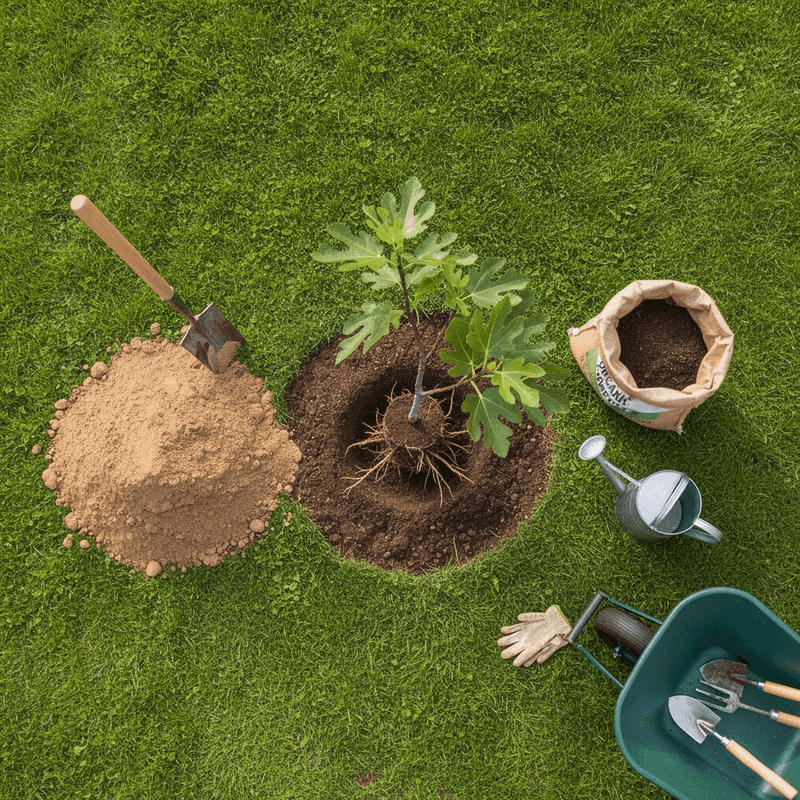
Spring gives you real information. Watch how the tree leafs out, how long the new shoots get, and whether any branches died back over winter.
Those observations beat guessing in fall.
If the tree stays excessively vigorous, keep the fertilizer in the shed. UC IPM advises stopping fertilizer on figs growing too much.
If you suspect a deficiency, a soil test and your county Extension office can steer the plan, as UGA Extension suggests when growth and nutrition questions come up.
Persistent decline, especially in sandy Florida soil, is a reason to ask about root-knot nematodes, which UF/IFAS flags as a concern.
Age, weather, winter injury, and cultivar all shape a season’s crop. Good care avoids common missteps, but it cannot promise figs.
A fruitless year is a question the tree will help you answer.