
A lonely snake plant with a few tall leaves can look a little sad in a big pot. Many headlines promise one secret change that fills the pot with baby plants, but the research does not back that up.
What does work is simple and free: you can use offsets you already have to make the pot look fuller. Here is how to do it safely, and what to expect afterward.
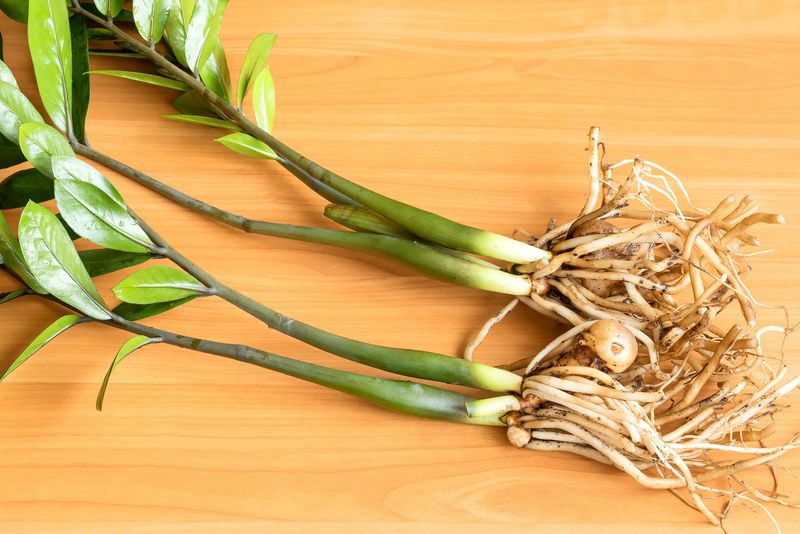
The reliable shortcut is combining rooted offsets
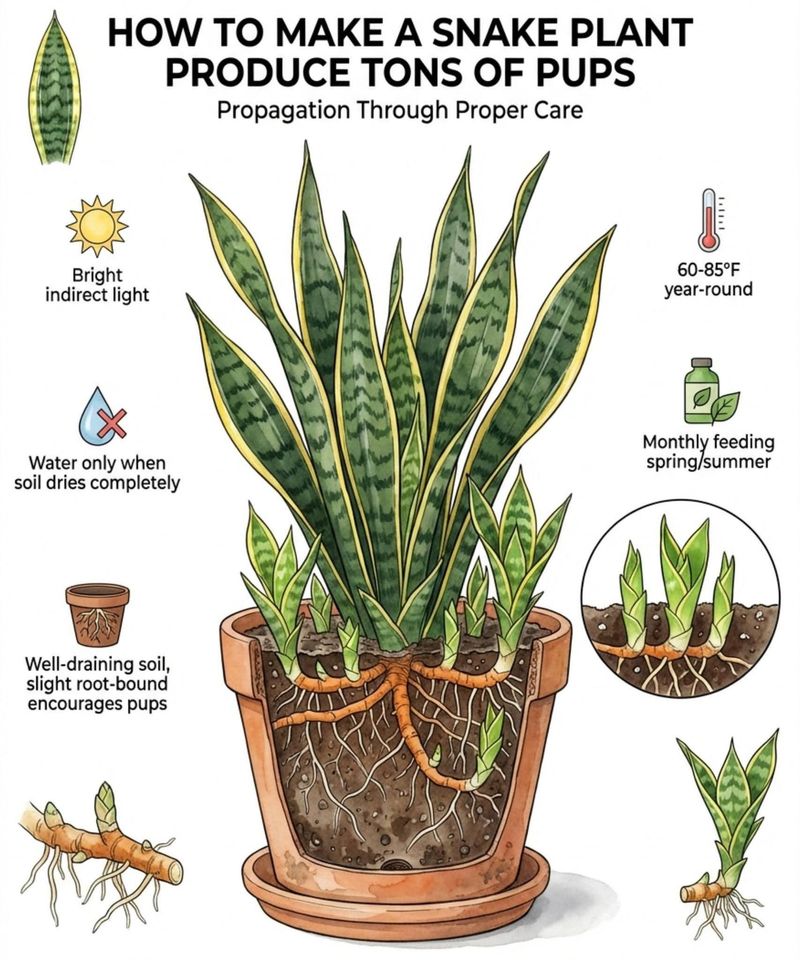
No single care change has been shown to make a snake plant fill its pot with new pups. The sources reviewed describe offsets appearing as the plant grows, but none show a trigger that works every time.
So a headline promising a guaranteed flood of babies is more hope than fact.
Here is what does work right now. The Royal Horticultural Society suggests planting several well-rooted offsets together for a fuller pot.
You get a thicker look the day you plant them.
That is a different result from waiting for the plant to make new pups on its own. Grouping offsets you already have is fast and under your control.
New pups, if they come, will arrive on the plant’s own schedule.
A snug pot is not a proven pup switch
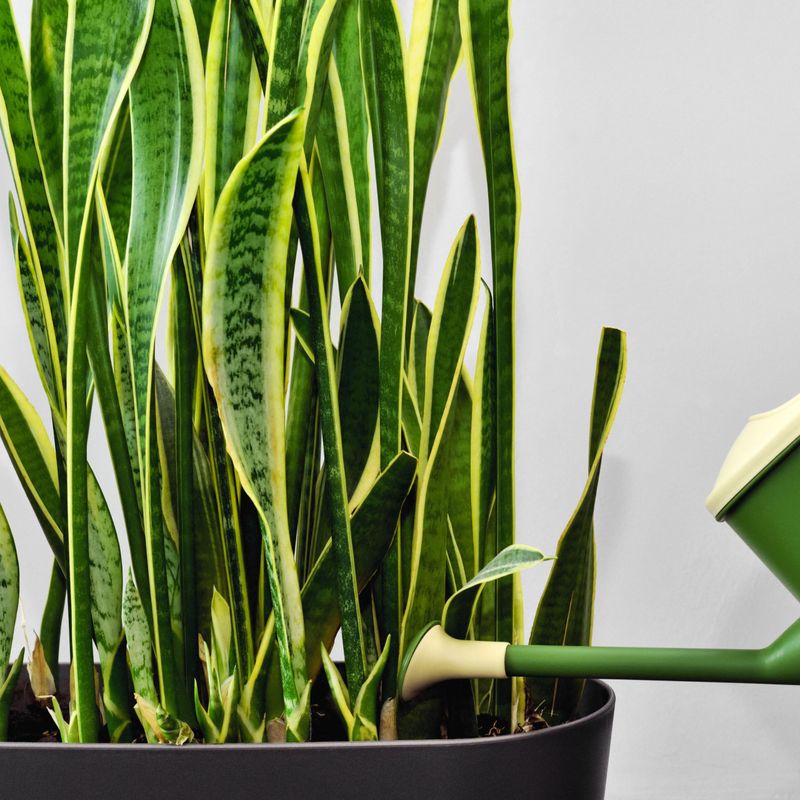
Plenty of advice says to keep snake plants cramped. There is some truth in it, since the RHS notes that snake plants tolerate a close-fitting pot.
They can wait to be repotted until roots and leaves fill the container or the pot starts to buckle.
The University of Arkansas also suggests keeping the plant rootbound for best effect. That is care guidance, though.
It does not prove that tight roots make a plant produce pups.
So a snug pot is fine, but do not squeeze a plant hard or leave it crowded for years hoping for babies. A bulging or cracked container is your cue to repot, not a sign of success.
Wait for offsets with roots before dividing
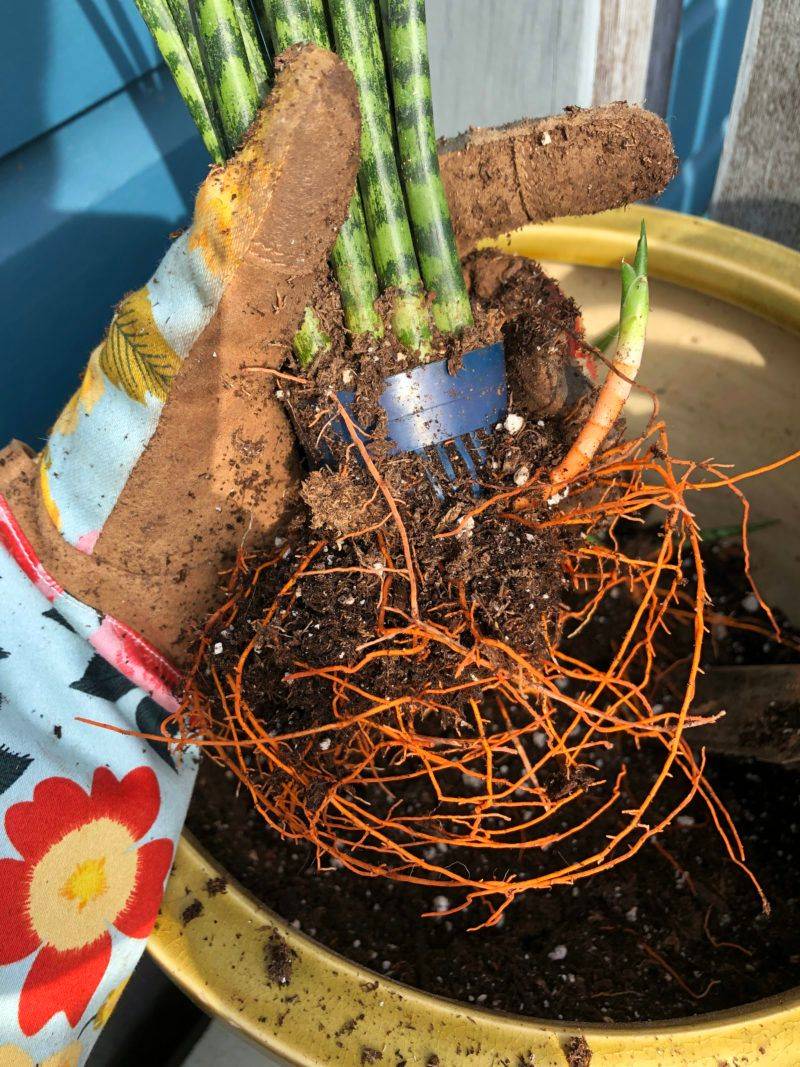
Check the clump first. You are looking for offsets standing beside the mother leaves, ideally with their own roots.
Snake plant is a clumping plant, so many mature pots have some.
Early spring is the preferred time in Iowa State Extension guidance, though most houseplants can be divided at other times too. In the warm South, that gives you a generous window, as long as the plant looks healthy.
Not every plant will have offsets ready. If yours has none, give it time.
The RHS describes snake plants as relatively slow growing, so no quick flush of new shoots is guaranteed.
Separate divisions with healthy leaves and roots
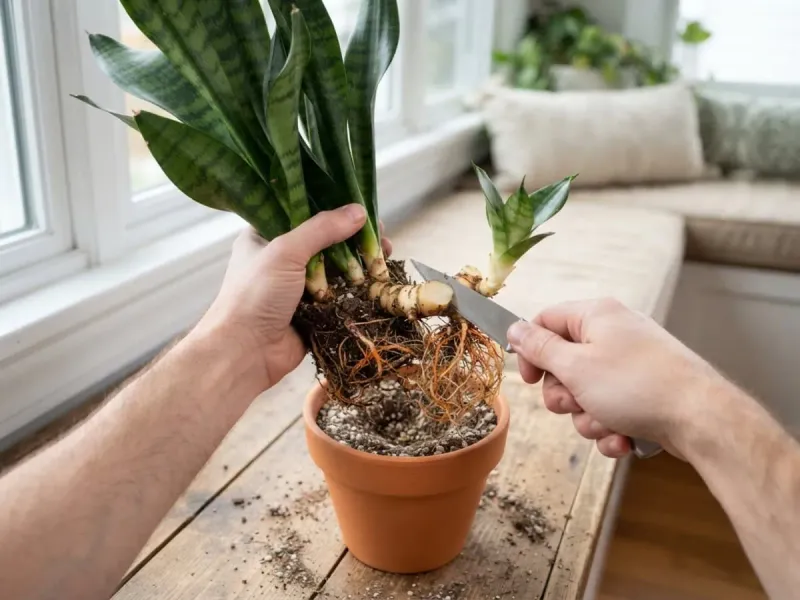
Start by easing the plant out of its pot. Work gently around the root ball and loosen the soil so you can see how the clump is connected.
Rough pulling can tear roots you want to keep.
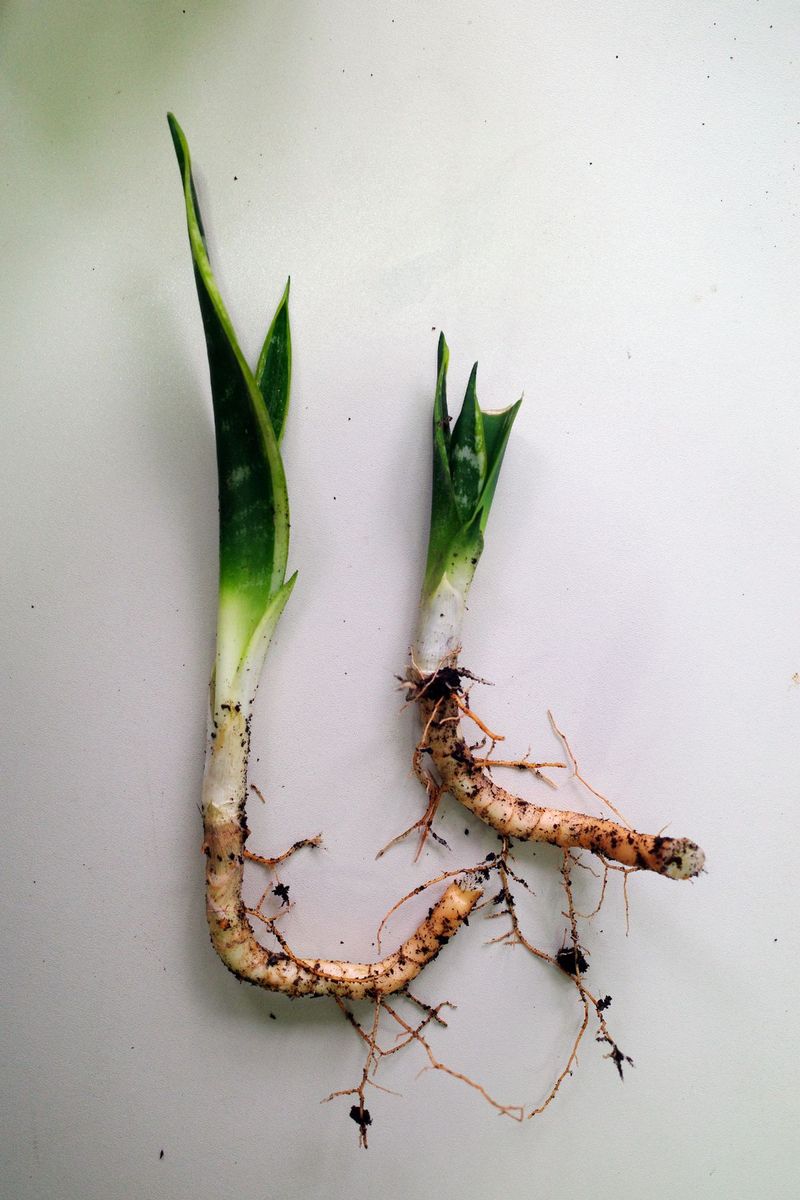
Snake plants spread by rhizomes, and Texas Tech notes that propagation can be done by dividing the rhizomes. Follow the connection from an offset back to the main plant and separate it there.
Each division should carry healthy leaves and healthy roots. Iowa State Extension lists snake plant among houseplants that suit this method.
Skip any piece that looks mushy or has no roots. Not every division will thrive, so keeping a few extras gives you a backup.
Division preserves variegation better than leaf sections
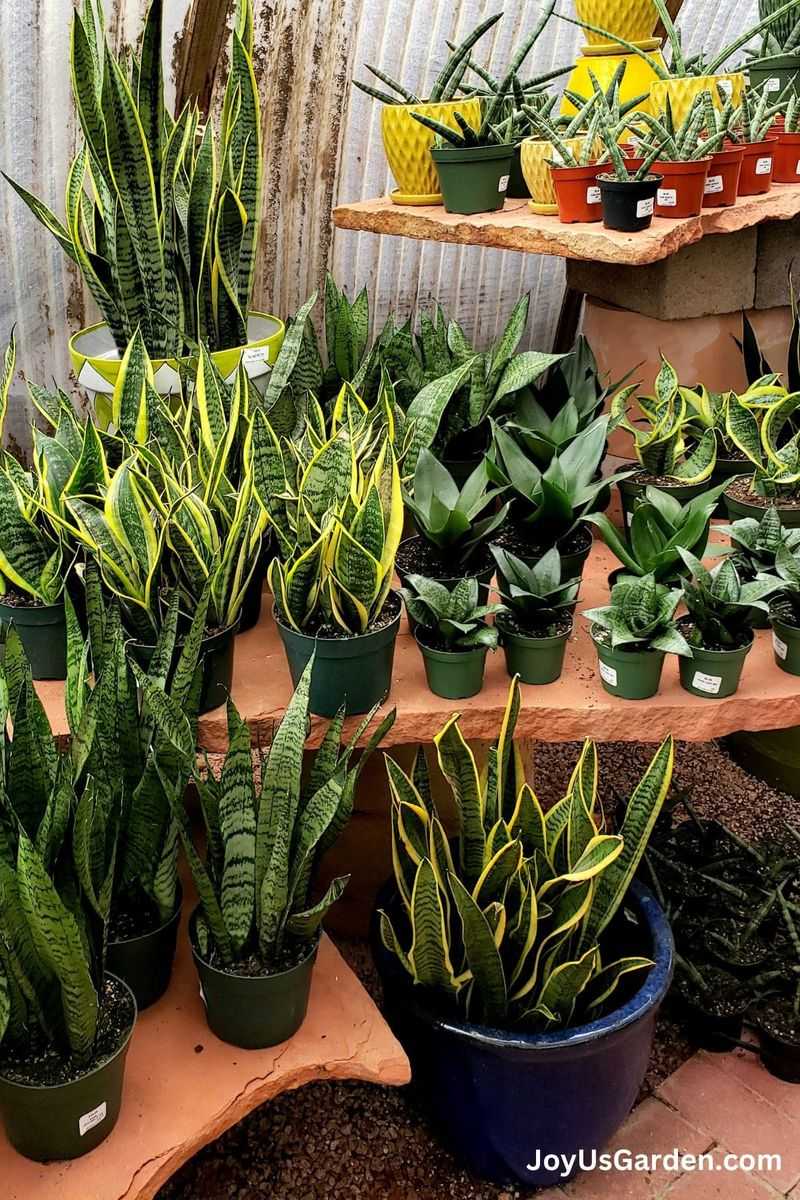
Do you grow a snake plant with yellow leaf edges? Then the method matters.
Iowa State warns that leaf cuttings of many variegated forms can grow into plants without the parent’s pattern.
Leaf sections can still make new snake plants. They just may come out plain green, which is a letdown if the stripes were the reason you bought it.
Division avoids that problem because you are moving a piece of the existing plant. If you want to keep the yellow edges, divide offsets and leave the leaf cuttings for plain green types.
Plant several rooted offsets together in a draining pot
Here is where the fuller look comes from. Choose a pot sized to the group, not a giant one.
Set three or four well-rooted offsets close together, at the same depth they grew before.
The pot must have drainage holes, and the mix should drain freely. The RHS cautions that a small root ball in a much larger volume of soil can stay damp and raise the risk of root rot.
A cactus or succulent mix works well, especially in humid parts of Florida and Texas where soil can stay wet.
Remember what this does. Grouping makes the pot look fuller today.
It does not promise more pups later.
Give divisions bright light and let the mix dry
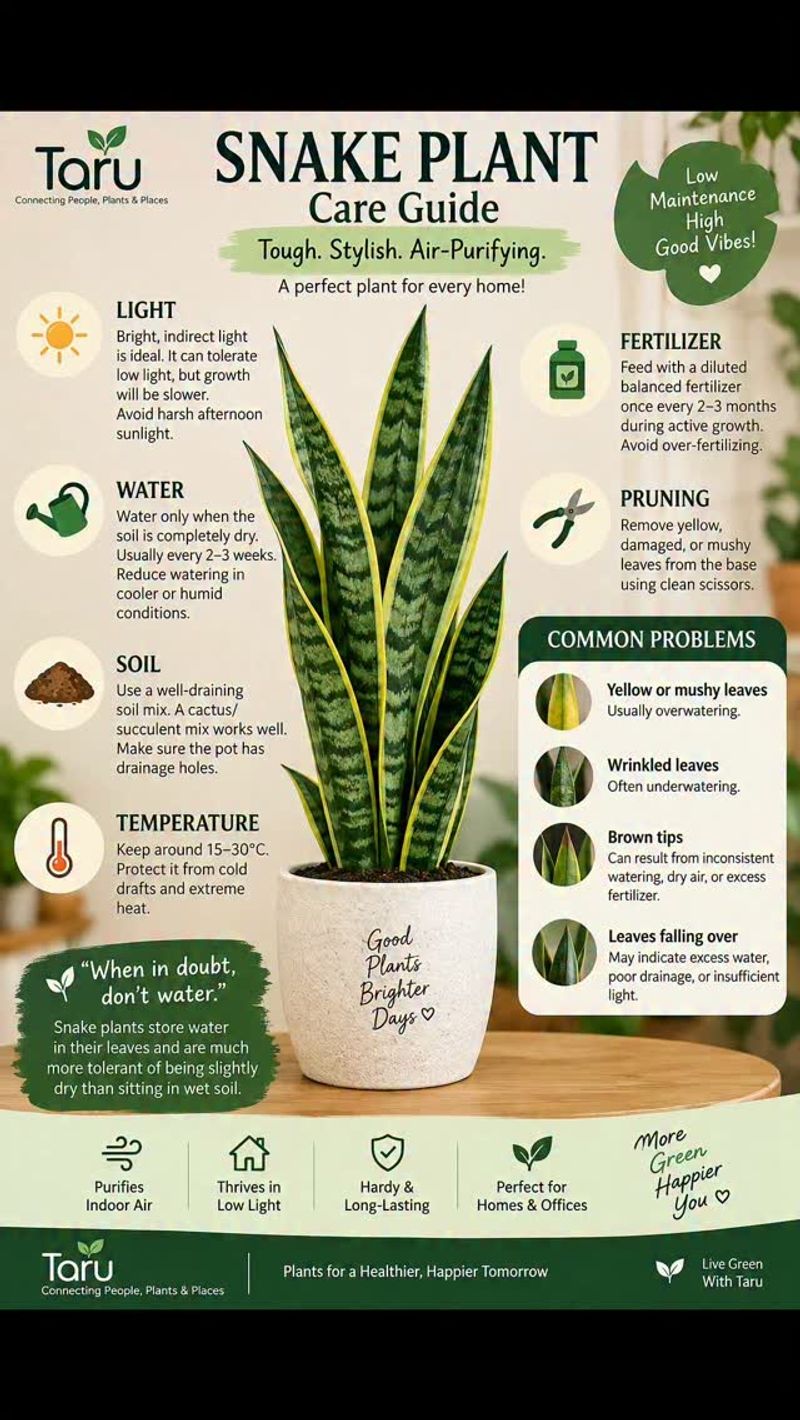
Newly divided plants like bright, indirect light. A spot near a window with filtered sun works well, and it keeps the leaves sturdy.
Water with care. Iowa State Extension advises letting the mix dry between waterings and never leaving the plant standing in drained water.
Overwatering can cause root rot.
Skip a rigid schedule. Poke a finger into the mix, and water only when it feels dry.
Empty the saucer after watering.
Soggy soil does not speed up growth, and this routine will not force pups. It simply keeps the divisions healthy while they settle in.
Keep divisions and discarded leaves away from pets
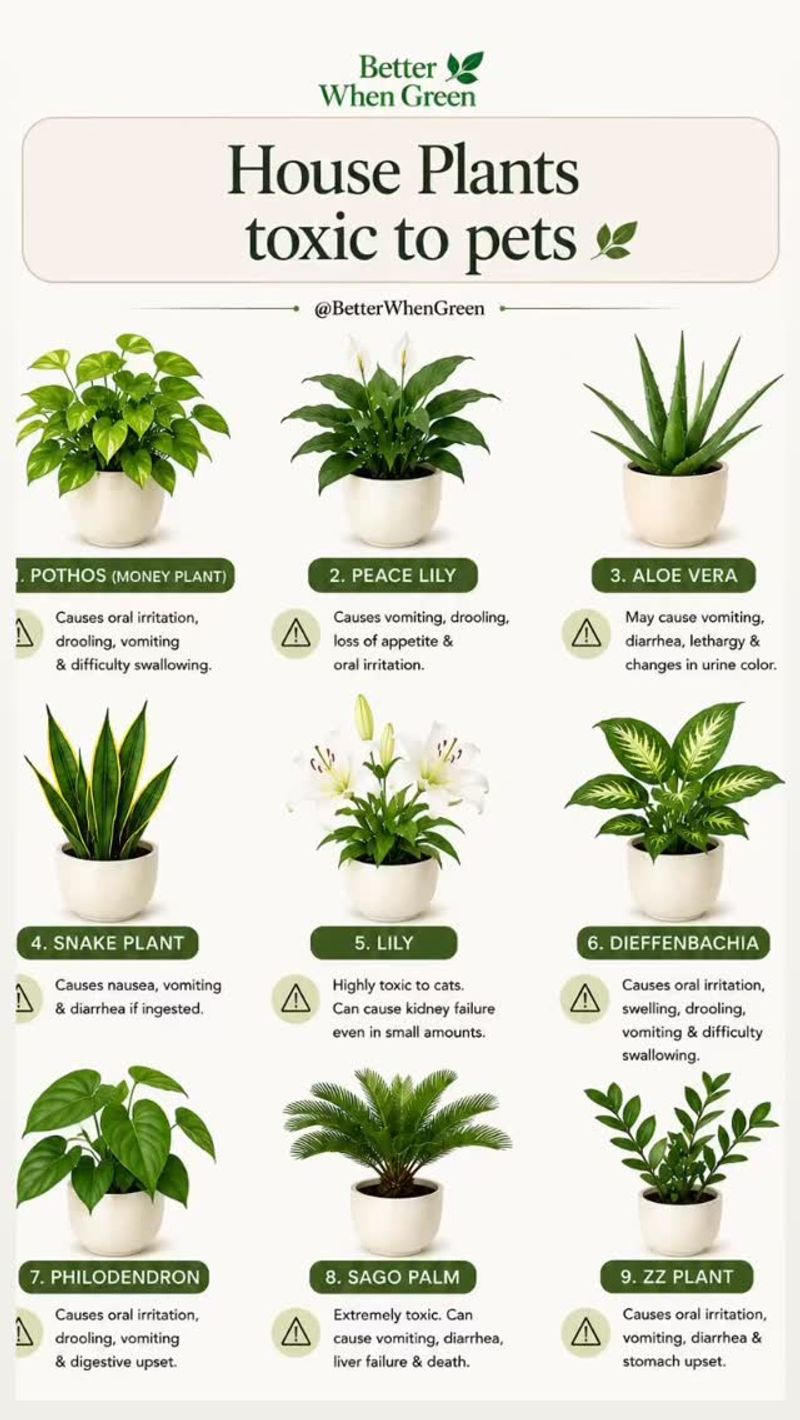
Snake plants are not pet-safe. The ASPCA lists them as toxic to cats and dogs, naming saponins as the cause.
Nausea, vomiting, and diarrhea are possible signs.
Dividing creates extra material lying around. Work somewhere pets cannot wander in, and bag leaves, broken pieces, and old soil before the trash goes out.
Place finished pots on high shelves or in rooms with closed doors. If a pet chews on a plant, call your vet.
Expect a fuller pot, not a guaranteed flush of pups
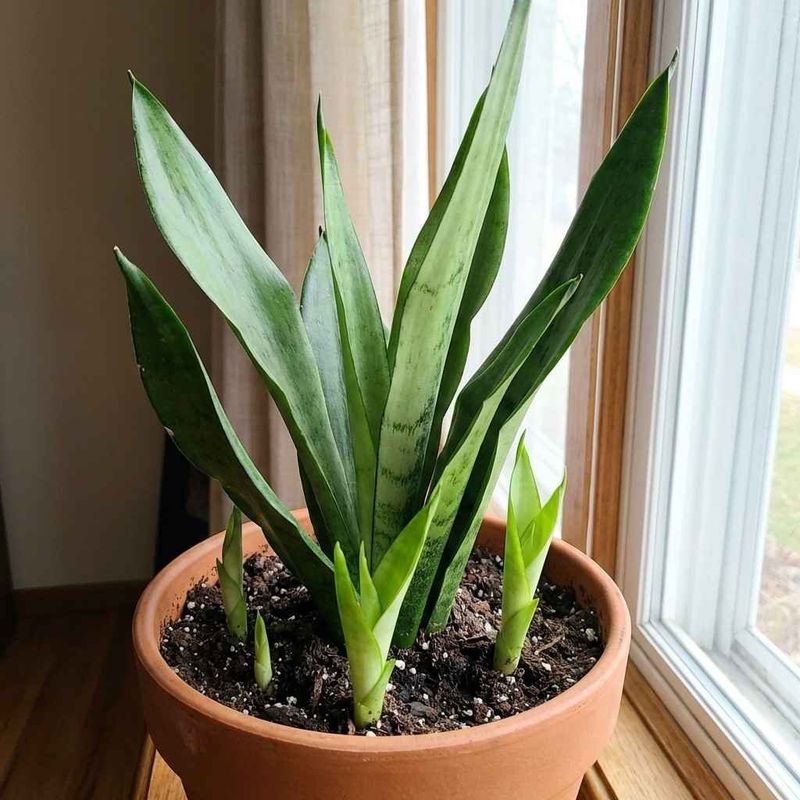
Grouping rooted offsets gives you a fuller pot on planting day. New pups, on the other hand, may appear over time in a slow-growing plant, with no proven trigger or set schedule.
Plant the divisions, keep the care steady, and let the pot fill in at its own pace. The best pot is the one that grows well, not the one that was pushed.