
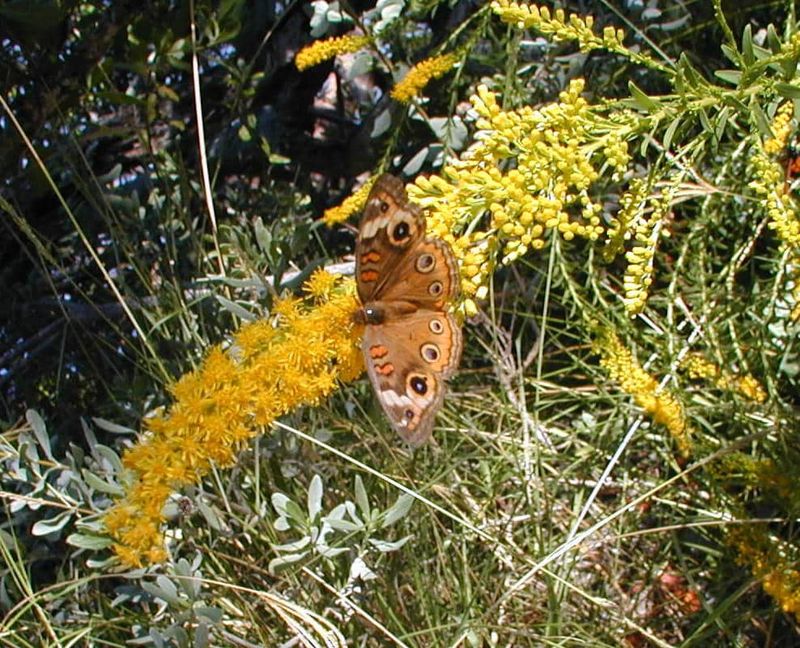
Aphids can crowd the tender leaves of Florida fall vegetables before you know they are there. Hoverflies offer a helping hand: adults visit flowers, while many of their young eat aphids.
Planting flowers near your crops gives the adults a reason to stop by. These seven choices offer different ways to fit that help into a Florida garden.
1. Sweet Alyssum
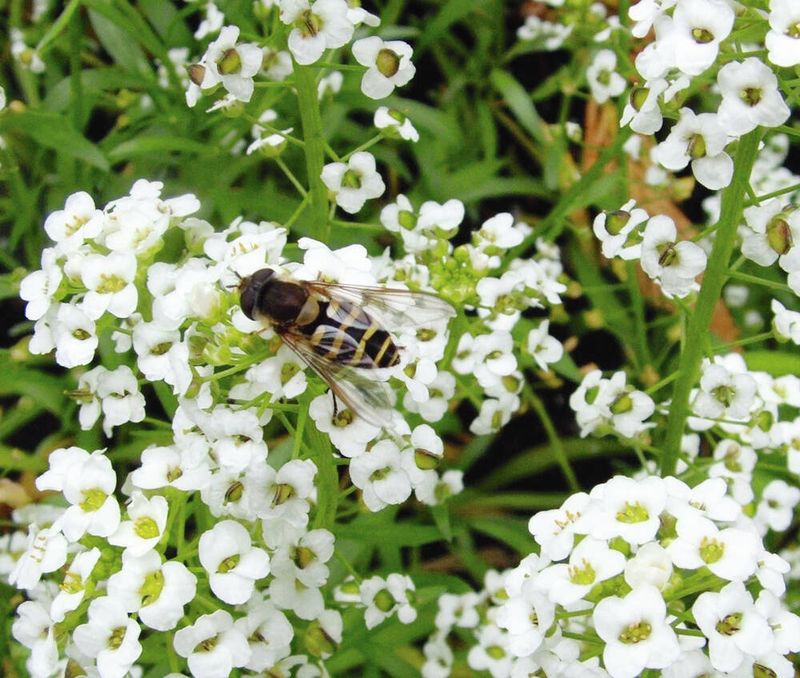
Need a flower for the narrow strip beside your lettuce? Sweet alyssum stays low and produces masses of tiny, open blooms that adult hoverflies can reach easily.
It works well along bed edges and in pots set beside containers of kale, collards, or other fall greens. Its tidy shape also makes the vegetable patch look more finished.
In much of Florida, alyssum is a cool-season choice, not a plant to count on through the hottest months. Set out transplants as temperatures ease in fall, and give them sun to light shade.
Keep the soil evenly moist while they settle in, especially if your bed drains quickly through sand. A little mulch around the plants can slow drying without covering their stems.
For the best chance of attracting hoverflies, plant several alyssum plants together rather than tucking one lonely plant at the far end of the yard. Adults feed at the flowers; their larvae need aphids nearby to do the cleanup.
Leave a few aphids in place when you spot them, and check for small, legless hoverfly larvae before reaching for a spray. Flowering plants help invite these useful insects, but they will not guarantee an aphid-free crop.
2. Spanish Needles
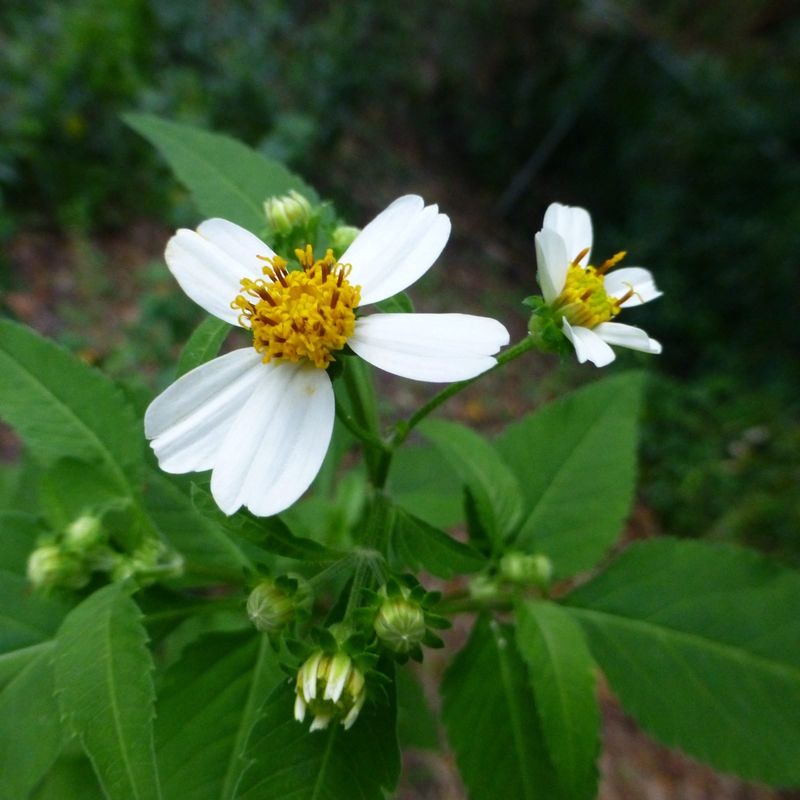
That little white daisy at the edge of the yard might be doing more work than it gets credit for. Spanish needles, Bidens alba, is a Florida native with open flower heads that visiting hoverflies can use.
It blooms for a long stretch in warm conditions, making it useful when early fall still feels like summer and other flowers have slowed down.
Give it a sunny spot near, but not inside, your vegetable bed. Spanish needles tolerates lean conditions and can handle the sandy soil common in Florida yards.
A plant at the back of the bed or in a separate pollinator corner gives insects access without shading young vegetables. Look for its white petals and yellow center before deciding which volunteer plants to keep.
There is one catch: its seeds cling to clothes and pets, and the plant can spread freely. Deadhead spent flowers if you want to limit seedlings, or keep just a few plants and pull the rest while they are small.
Avoid spraying the flowers when insects are visiting. Adult hoverflies may stop there for food, then lay eggs near aphid colonies elsewhere in the garden, where their larvae can feed.
3. Seaside Goldenrod
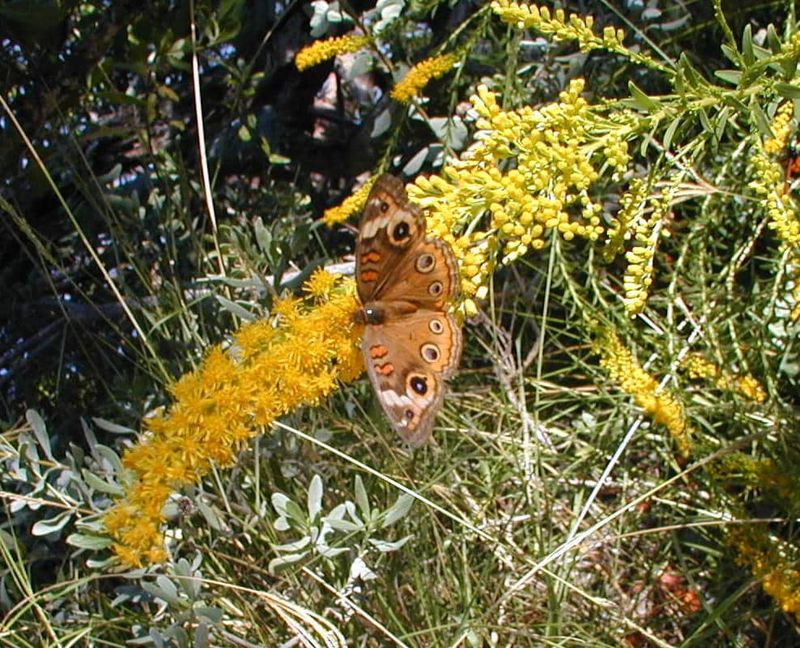
Bright yellow plumes can turn a plain fence line into a useful landing spot for insects. Seaside goldenrod is a Florida native that flowers in fall, right when many gardeners are getting cool-season vegetable beds going.
Its clusters of small flowers offer adult hoverflies places to feed, while the upright stems add color behind the crops.
Put seaside goldenrod toward the back of a sunny garden rather than at the front of a short lettuce bed. It can grow tall and needs room so it does not shade vegetables or block a walkway.
Once established, it suits well-drained sites and is especially at home in coastal gardens where salt exposure rules out fussier plants. Water new plants until their roots take hold; do not assume a newly planted native can manage dry sand on its own.
Leave some flowering stems standing while your fall vegetables are growing. The flowers are the reason hoverflies visit, so cutting every stem for a vase removes that food source.
Goldenrod is also often blamed for fall sneezes, but its pollen is carried mainly by insects; wind-pollinated ragweed is a more common culprit. Here, goldenrod earns its space by bringing a lively, long-lasting fall display close to the vegetable patch.
4. Frostweed
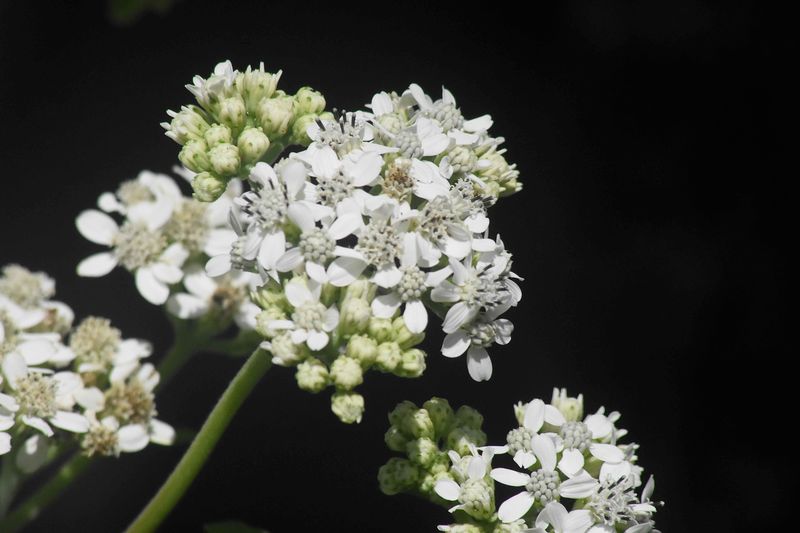
Not every helpful flower needs a spot in full sun. Frostweed can fill a partly shaded edge of a Florida yard with loose clusters of small white blooms in fall.
Those accessible flowers attract a range of visiting insects, including hoverflies, and make good use of a space that might otherwise sit empty behind the vegetable beds.
This Florida native can grow tall and spread, so give it a place where a natural-looking patch is welcome. A fence line or the far side of a garden path works better than a tight row between young broccoli plants.
It generally does best with some moisture and room for its stems. In a dry, fast-draining yard, water during establishment and watch how quickly that spot dries before you decide it needs no further care.
Frostweed gets its unusual name from the ice ribbons that can form at the base of its stems during a freeze. Florida gardeners may not see that trick often, but they can enjoy its flowers well before any cold snap.
Keep the blooms available to adult hoverflies and check nearby vegetables for aphid colonies. If larvae are already feeding there, patience may save you from making an unnecessary spray application.
5. Climbing Aster
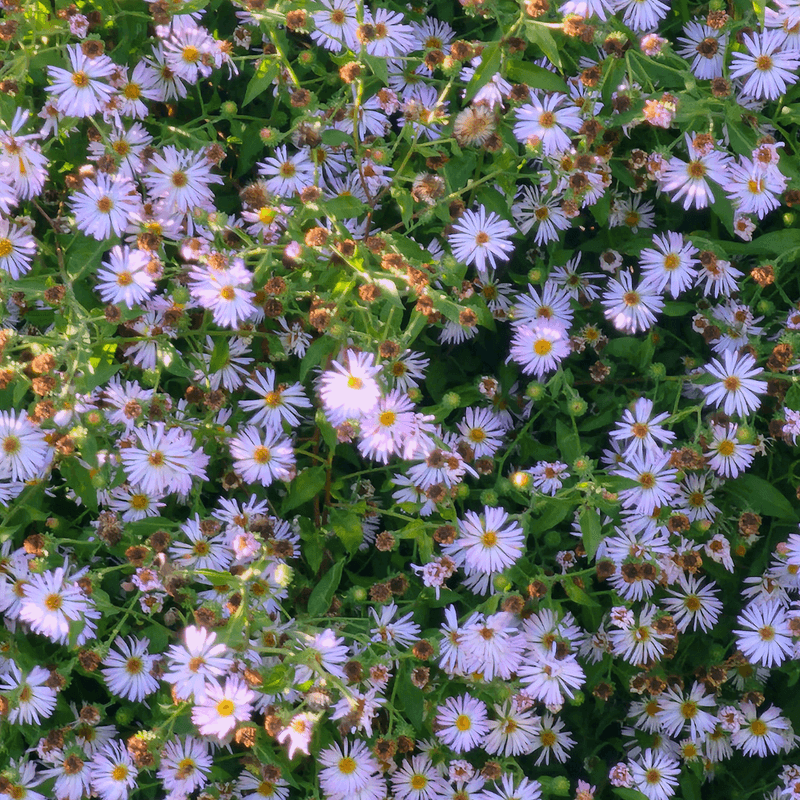
A bare fence can become a fall flower display without taking up much bed space. Climbing aster, a Florida native, sends long stems through a support and opens pale purple, daisy-like flowers in fall.
Their exposed centers give adult hoverflies an easy place to feed, while the plant brings color to the garden as warm-season annuals fade.
Choose a fence or sturdy trellis near your vegetables, but leave enough space to reach the crops for harvest and pest checks. The stems need guidance and occasional trimming to keep them from wandering across paths or into the vegetable bed.
Climbing aster appreciates moisture, particularly while it is establishing, so it is a better match for a site that does not dry out immediately after every watering.
Its strength is timing. A plant covered in fall blooms can keep floral food available while you are watching new growth on cabbage-family crops and other vegetables for aphids.
Hoverflies still need a suitable place to lay eggs, and not every visitor will do so in your garden. Even so, an unsprayed flowering fence close to the beds gives these insects a better chance to find the pests than a bare fence would.
6. French Marigold
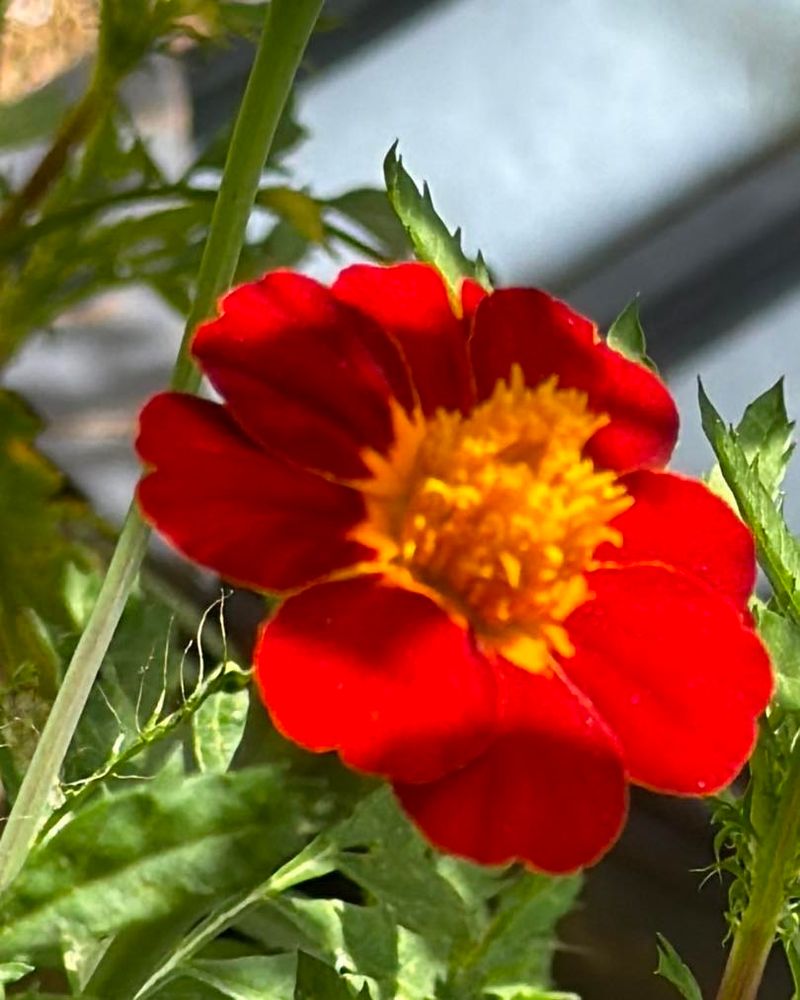
Marigolds are easy to find, but the flower form matters here. Choose French marigolds with simple, open blooms and visible centers rather than dense pom-poms that can be harder for small insects to use.
Their compact size suits the corners of raised beds, sunny path edges, and pots beside fall vegetables.
In Florida, early fall can still be hot, especially farther south. French marigolds appreciate sun and well-drained soil, but transplants need regular water while they establish in sandy beds or containers.
Check that pots have drainage holes, and avoid crowding plants against vegetable stems. Removing faded flowers can encourage more blooms, keeping the display useful and cheerful for longer.
Marigolds are not an instant aphid cure, despite the big pest-control claims sometimes made about them. The practical goal is to offer adult hoverflies another food stop close to the crops where aphids appear.
Look under leaves for aphids, hoverfly eggs, and larvae before taking action. If a colony is growing quickly, a firm spray of water on affected leaves can knock off aphids without coating the nearby flowers with insecticide.
Keeping blooms and vegetables close together gives beneficial insects a chance to help with the follow-up.
7. Single-Flowered Zinnia
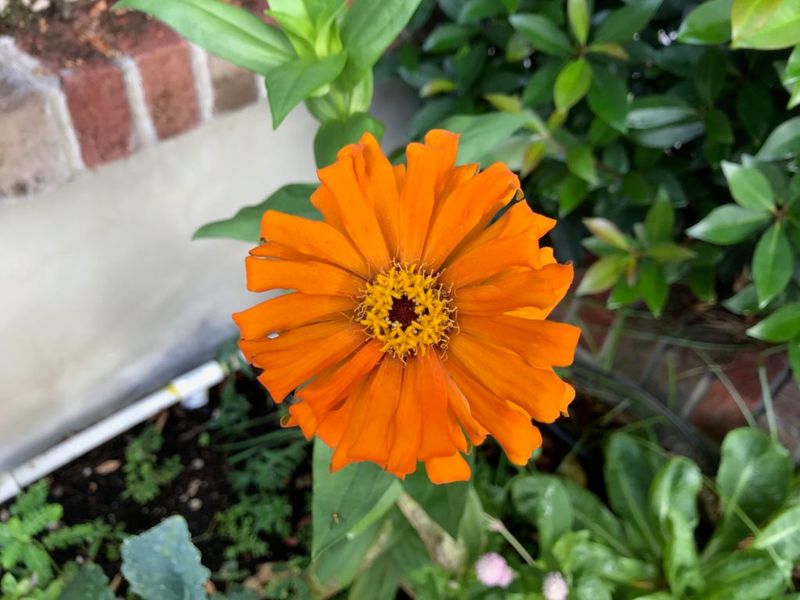
For a quick splash of color while fall is still warm, try zinnias with open centers. Single-flowered varieties give hoverflies access to the small flowers in the center of each colorful head.
They also make the vegetable garden feel less like a row of chores and more like a place you want to visit every day.
Zinnias want sun, good drainage, and airflow. Sow seed or set out transplants while your part of Florida still has reliably warm weather, allowing time for them to bloom before chilly nights slow growth.
In a sandy bed, water young plants as needed rather than assuming rain has soaked the root zone. Keep water at soil level when possible, and space plants according to the label to help reduce leaf disease in humid weather.
Place a small group beside the bed instead of scattering single plants throughout it. Pick some flowers for the house, but leave plenty open for visiting insects.
Unlike goldenrod or frostweed, zinnias are annuals, so they are an easy trial if you are not ready to commit garden space to a larger plant. Watch for hoverflies on sunny days, then inspect aphid-prone vegetable tips for the larvae that provide the real pest-control benefit.