
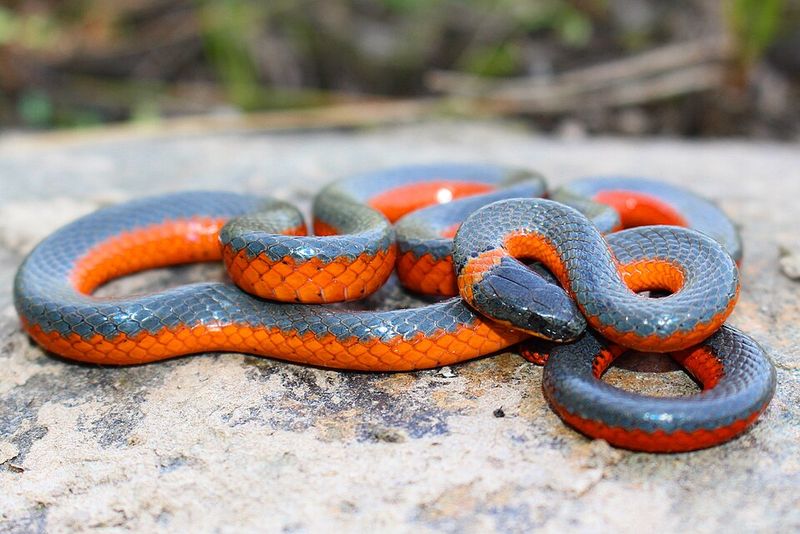
A thin, dark snake with a bright orange belly slides out from under a board in the yard, and many people freeze. The California ringneck is a small native animal that stays hidden most of the time.
Some California sources list slugs among its foods, which makes gardeners curious about what it might do for their beds. Here is what is known, what is not, and how to handle a surprise meeting.
A ringneck snake may use your yard, but it is not everywhere in California
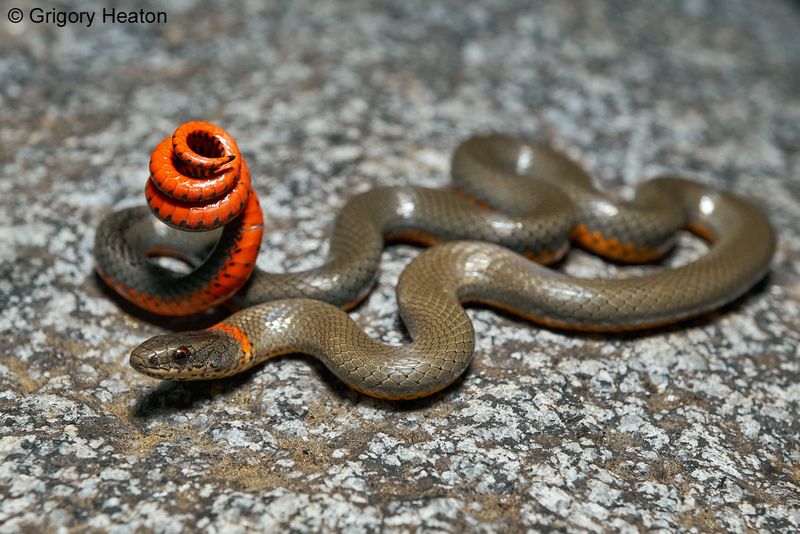
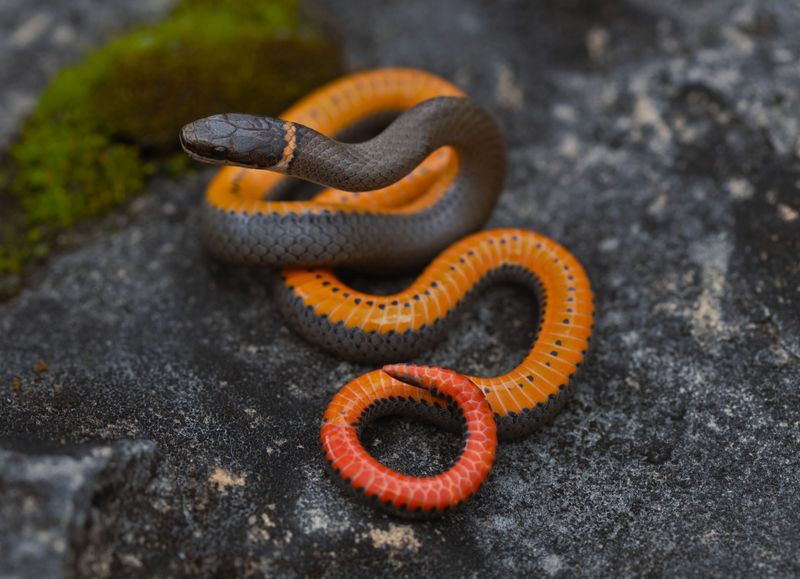
Picture a pencil-thin snake, often under a foot long, with a gray back and a bright orange or yellow belly. That is the ringneck snake, and the California Department of Fish and Wildlife’s life history account describes it as small and secretive.
Most people never see one, even where they live.
The same account describes the snake as widespread in California but absent from large parts of the Central Valley, the high mountains, and the desert regions. So a ringneck is not something every California homeowner should expect.
Whether one lives near you depends on where your yard sits and what the surrounding land looks like.
Where ringnecks do live, they use sheltered spots. Documented cover includes boards, flat rocks, rotting logs, woodpiles, surface litter, small ground holes, and herbaceous vegetation.
These are places that stay cool and damp and keep the snake out of sight.
It is tempting to jump from that list to garden mulch or pavers. The records do not say those are preferred habitat, so treat them as possible hiding spots at most.
A better clue is simple: if you lift a board or flat stone and a tiny snake is underneath, you have found its daytime shelter.
Some California sources list slugs among its prey
Slugs do show up in a couple of California diet descriptions. A California State Parks guide to snakes includes slugs in its summary of what ringnecks eat.
That is the first piece of the story.
The second piece comes from San Diego County. A county land management plan lists slugs for the San Diego ringneck snake, which is a regional form, so that account speaks for that snake rather than for every ringneck in the state.
Now the contrast. CDFW’s statewide prey list names earthworms, salamanders, treefrogs, small lizards, and small snakes.
Slugs are not on it.
Put together, the fair summary is that some California sources list slugs among the prey. None of them says how often a ringneck eats a slug, and the sources reviewed mention slugs but not snails, so snails should not be added to the menu.
Slug consumption does not establish garden pest control
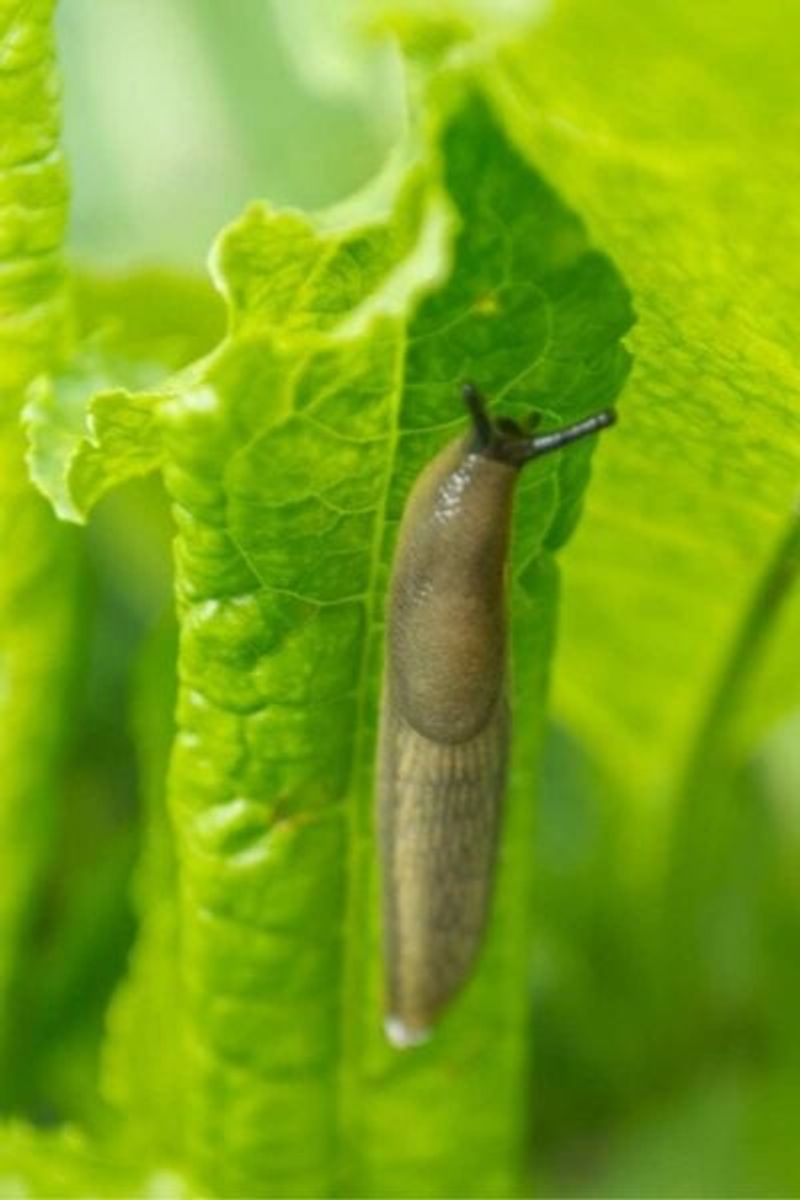
Anyone who has found lettuce shredded overnight would love a hungry snake on patrol. The diet lists above do not back that up.
They say slugs can be prey, not that ringnecks hunt in garden beds or lower the number of slugs in a yard.
Think about what the sources actually describe: a small predator with a varied diet of worms, amphibians, lizards, and other small snakes. A snake with that range of options is not a dependable slug crew.
Nobody has measured whether a ringneck living near your beds changes the damage you see.
So plan your slug defense as if no snake were helping. Check beds at dusk with a flashlight, pick off slugs by hand, water in the morning so the soil surface dries before night, and clear out damp debris right next to tender seedlings.
If a ringneck does turn up, count it as a pleasant bonus and a sign of a living yard, not a replacement for those habits.
Avoid a bite without treating the snake as a reason to panic
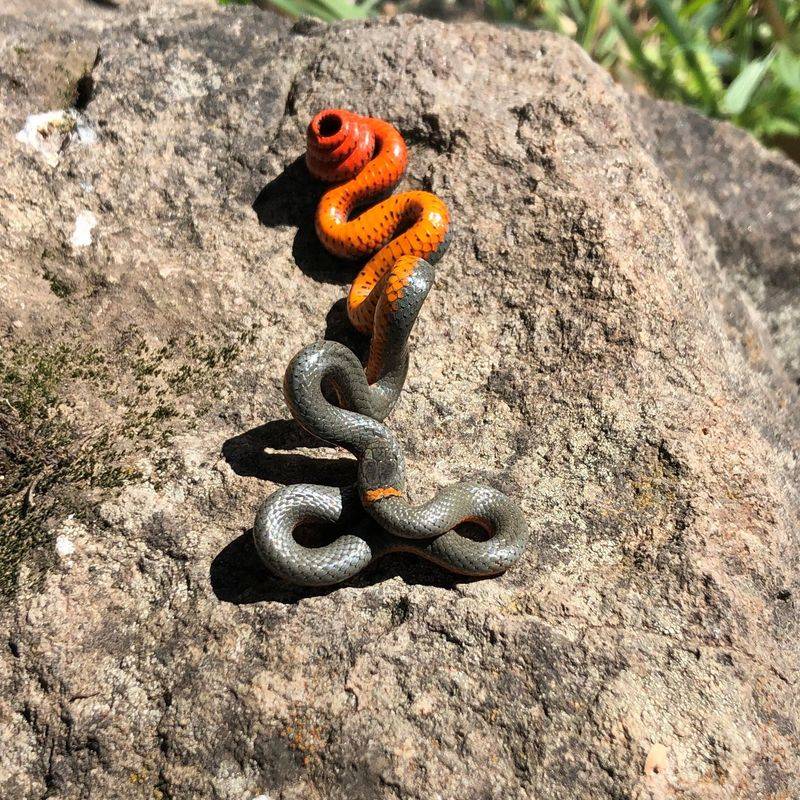
Ringnecks are tiny, and bites are rare because the snake would rather hide or flee. When threatened, it may curl its tail to flash the orange underside, which is a bluff rather than an attack.
Still, a wild animal can bite when caught.
California State Parks guidance says the snake may produce a mild venom that typically does not cause death or illness in most humans. The same guidance says to avoid bites.
Both statements matter, so skip the word harmless and skip the panic too.
You may also read about lab work. In a peer-reviewed experiment, oral secretions from the northwestern ring-necked snake were toxic to a snake prey species when injected.
That was a test on prey animals in a lab setting, and it does not tell us what a bite would do to a person.
The practical rule is easy. Admire from a distance, wear gloves when moving boards or stones, and never pick the snake up.
If you find one, leave it alone and give it space
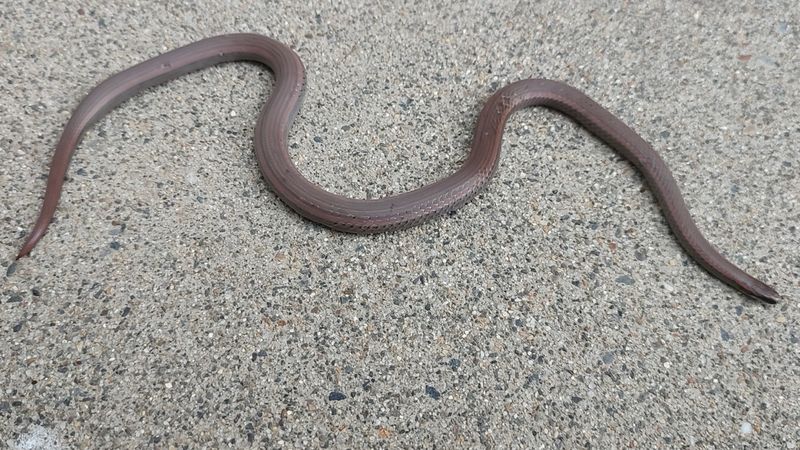
Say you lift a flat stone while weeding and a slim snake with an orange belly is curled underneath. Stop, set the stone down gently if you can, and step back.
Most of the time the snake will slip away on its own within minutes.
Do not grab it to figure out what it is. State Parks guidance advises avoiding bites, and handling is the most likely way to get one.
A clear phone photo from a few feet away is plenty for identification later.
Keep kids and pets back while the snake leaves. Leash the dog, call children inside for a moment, and give the animal a clear path to cover.
Relocating it is not a good idea either, because moving a snake means handling it. If it stays near a doorway or patio you use every day, gently hose the area from a distance or sweep it toward a nearby planting with a long broom, and let it choose where to go.
If you are unsure of the species, local wildlife officials or a nature center can help.
Any yard cover must fit California fire-safety guidance
Because ringnecks use boards, flat rocks, logs, woodpiles, and litter, it is natural to wonder if you should leave more of that around. CDFW’s account documents the snake using such cover.
No source tested whether adding cover to a yard attracts ringnecks or helps them survive, so any such step is a reasonable guess, not a proven fix.
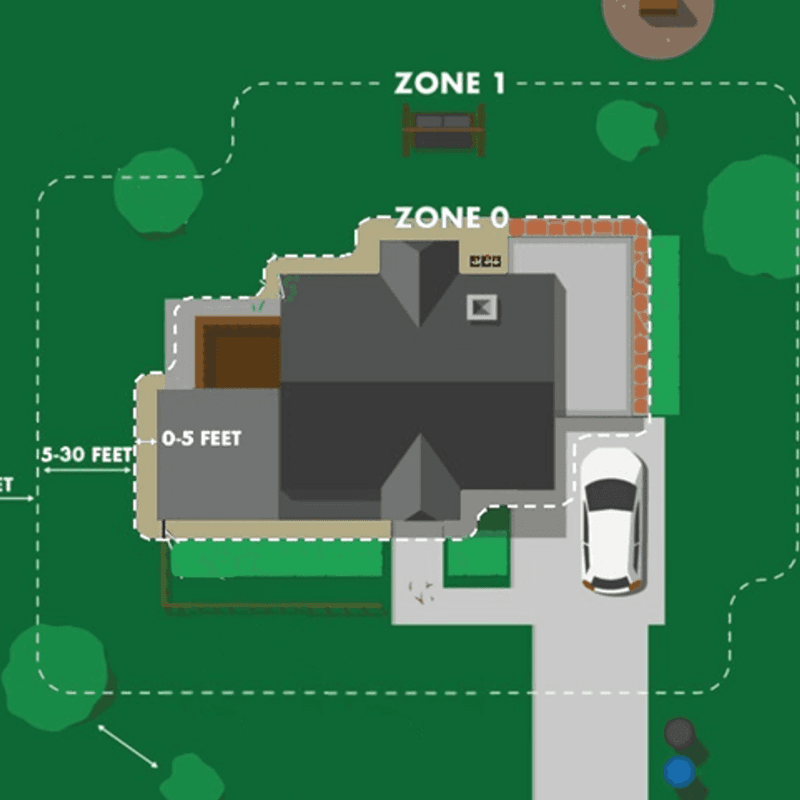
Fire safety comes first. CAL FIRE’s defensible space guidance advises keeping combustible bark and mulch out of the first five feet around a home.
Woodpiles and dry litter near walls raise the same concern, and rules differ by county and city, so check current local requirements before changing anything.
Here is a practical way to sort it out. Near the house, use bare soil, gravel, or pavers and keep it clear of dry debris.
Farther out, where your local rules allow, a few flat stones or a tidy log in a spaced, well-watered planting can serve as shelter.
Never stack firewood against the house for the sake of wildlife.
Protect the snake without counting on it to clear your beds
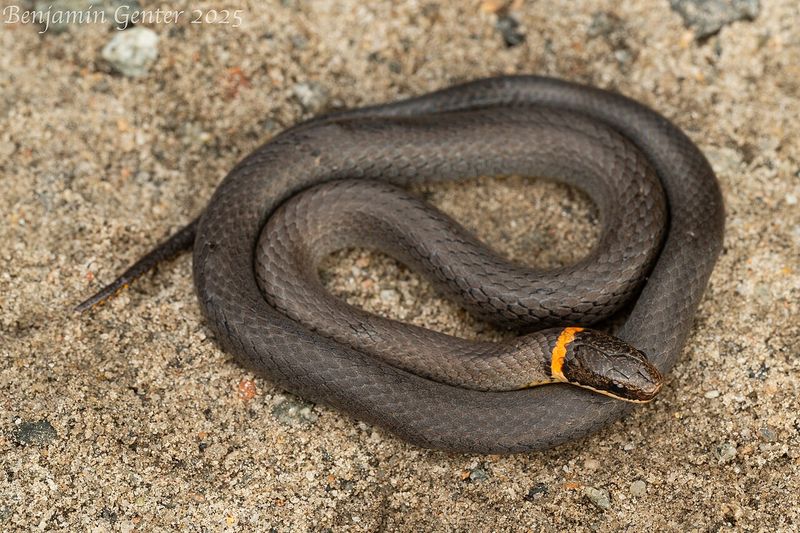
A ringneck is a quiet native animal that some California sources list as eating slugs, and that is where the evidence stops. Keep up your own slug routine, leave any snake you meet alone, and follow CAL FIRE’s defensible space advice when you decide what cover stays near the house.
The best welcome is simple: space, distance, and a yard that stays safe in fire season. A snake you never see may be the best sign you got it right.