
You step outside with your coffee and find a strip of lawn peeled back like a rug. Nothing was there the night before, and now your yard looks like a small bulldozer paid a visit.
Something was hunting in the soil while you slept, and the clues it left behind can point you toward a smart, safe response. Here is how to read the damage, check your turf, and fix the lawn without making costly guesses.
Rolled-back sod points to foraging, not a certain culprit
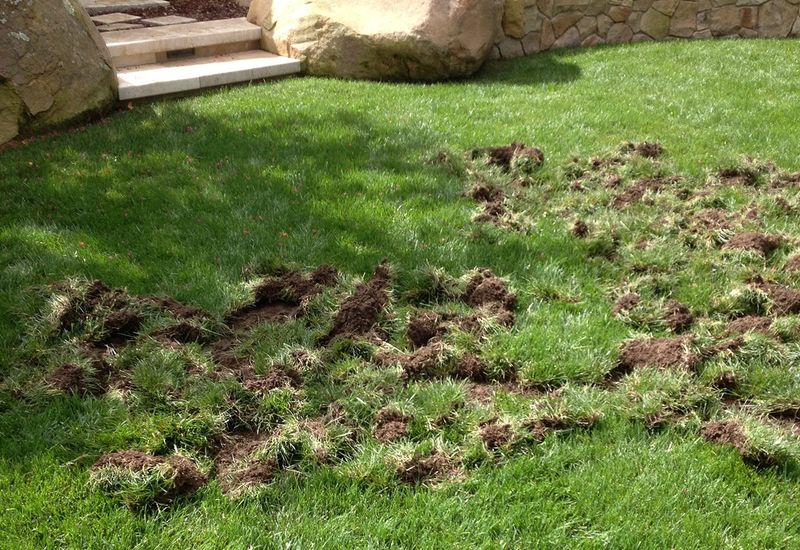
Sod that is pulled back overnight is consistent with a nocturnal animal foraging in the soil. Animals dig and tear at turf because something edible may be living underneath, such as grubs, earthworms, or other insects.
Raccoons are a strong possibility. Iowa State Extension guidance describes raccoons lifting and flipping sod, which can leave strips that look rolled back by hand.
That makes them a reasonable first suspect, but only a suspect.
The pattern alone cannot name the animal. University of Maryland Extension notes that skunks and other animals can also tear turf, and that seeing the animal, getting a camera image, finding tracks, or noticing the same distinctive signs again and again gives far stronger identification than a single patch of damage.
Resist the urge to grab a grub killer right away. Digging does not prove grubs are present, because these animals also eat earthworms and other soil prey.
Treating a lawn that has no grub problem costs money and does nothing about the visitor.
A better approach is evidence first. Walk the yard in daylight, note where the damage is and what it looks like, and write down whether new patches appear over several nights.
Those details will guide each step that follows, from checking the roots to repairing the turf to deciding whether any barriers are worth the effort.
Compare the clues left by raccoons and skunks
Think of lawn damage as handwriting. It gives hints about the writer, but it is not a signature.
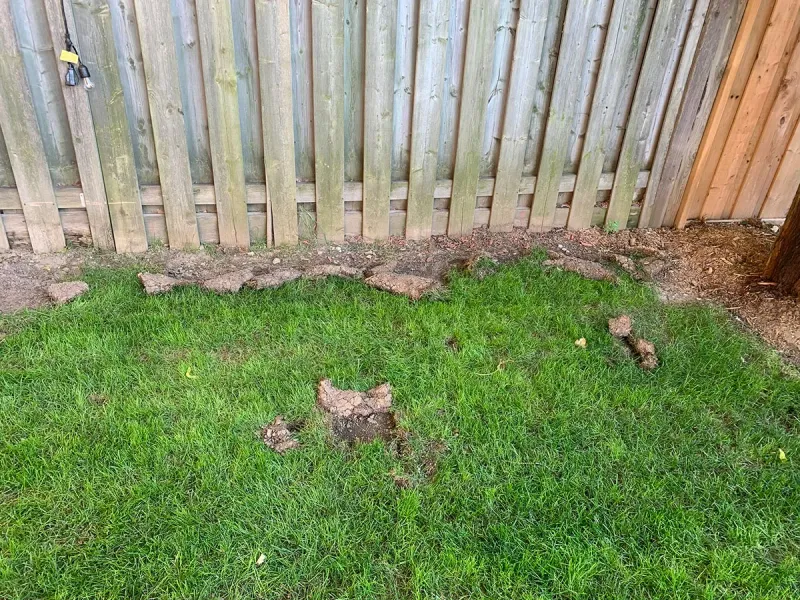
Raccoons tend to use their front paws to lift and flip sections of sod, leaving strips or chunks turned over with the roots facing up.
Skunks more often leave clusters of individual, cone-shaped holes, where they poke their snouts and claws into the soil to reach prey. According to Iowa State Extension, these are tendencies, so a lawn with many small holes leans toward a skunk and a lawn with flipped turf leans toward a raccoon.
Overlap is common. A skunk can tear a larger patch, and a raccoon can leave scattered holes, so a single morning’s damage should not settle the question.
University of Maryland Extension points out that the two animals’ damage can look similar.
For stronger evidence, look for tracks in soft soil or mud near the damage, and check whether the same type of mess shows up repeatedly. A trail camera or a doorbell camera pointed at the yard can capture an image of the visitor without you going anywhere near it.
Photograph the damage each morning and note the date. A few days of pictures will show whether you are seeing flipped strips, clusters of holes, or a mix, and that record will help if you later talk with a local Extension office or a licensed wildlife professional.
Include armadillos among Central Texas possibilities
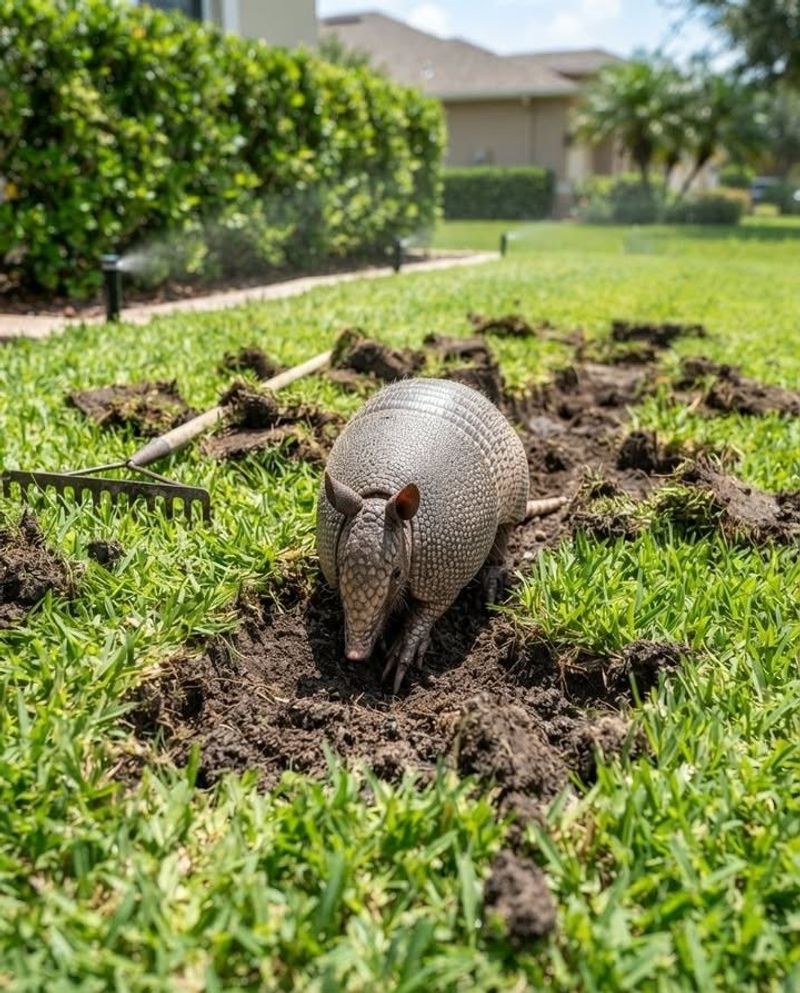
Central Texas has another well-known digger: the nine-banded armadillo. Texas Parks and Wildlife Department notes that armadillos are widespread across most of the state and dig for grubs and other soil-dwelling invertebrates.
Their feeding evidence usually looks different from a rolled-back strip. Armadillos more typically leave pits or divots, small scooped-out spots where they have rooted around for a meal.
If your lawn has several of those, an armadillo belongs on your list.
Rolled-back sod is a different picture, a long section lifted and turned over rather than a hole dug into the ground. That does not rule an armadillo out, and it does not make one the likeliest cause of this particular pattern.
It simply means the damage deserves a closer look.
Why bring them up at all? Because it keeps your thinking open.
If you assume a raccoon and set up a plan around that, you could miss what is actually happening in your yard.
Walk the lawn and sort what you see. Flipped strips, clusters of cone-shaped holes, and scattered pits can all appear in the same yard, and sometimes more than one animal has been visiting.
Treat each type of mark as its own clue.
Inspect roots and soil before treating for grubs
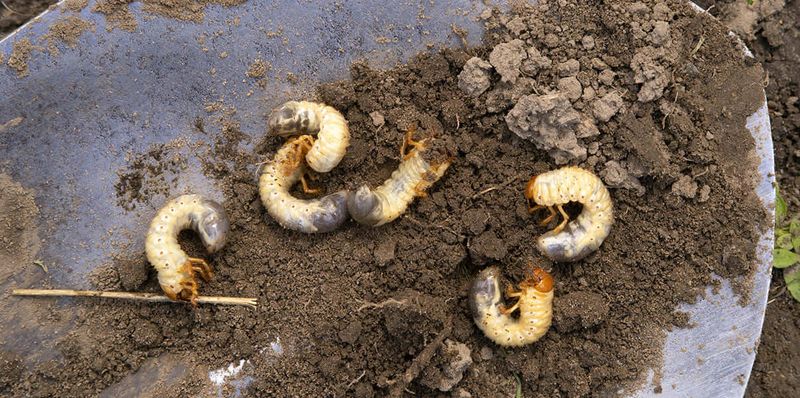
Before you buy any grub product, take ten minutes to look under the grass. Grub feeding can weaken turf roots until the lawn lifts like carpet, even without an animal rolling it back.
So loose turf might be a root problem, an animal problem, or both.
Cut a small square of turf on three sides and peel it back, or lift a loose edge near the damage. Check the roots and count the white, C-shaped grubs you find in a square foot of soil.
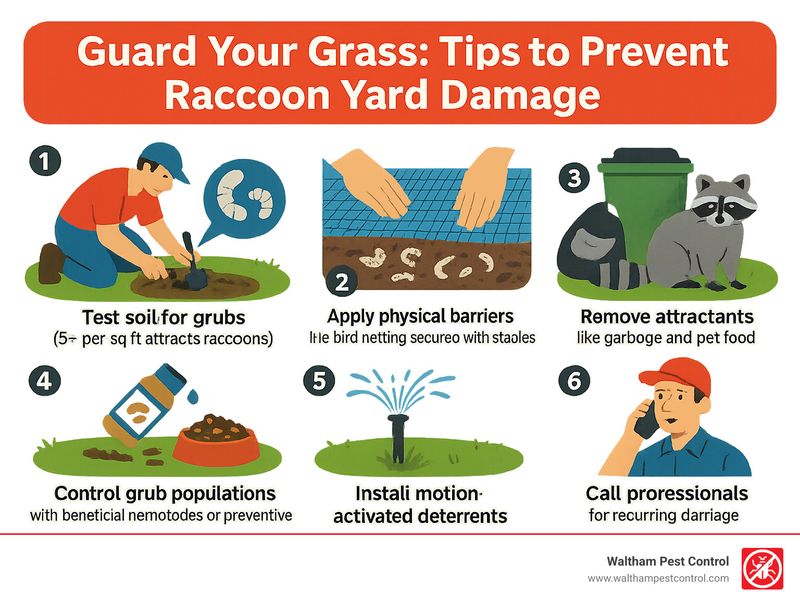
According to Texas A&M AgriLife’s AggieTurf guidance, treatment may be justified when grass pulls up easily with few roots and roughly 5 to 10 or more grubs per square foot are present. That number is a treatment guideline.
It does not prove that grubs drew an animal to your yard.
Grubs can be patchy, so sample several areas, including spots with no damage. University of Maryland Extension also cautions that a few grubs, or a high count in one place, do not on their own call for treating the entire yard.
Texas A&M says not every lawn needs regular treatment, and timing matters. Skip generic calendars, including ones you might see online.
Check current Texas A&M or your county Extension office for guidance that fits Central Texas, and read the product label before applying anything.
Restore the damaged turf
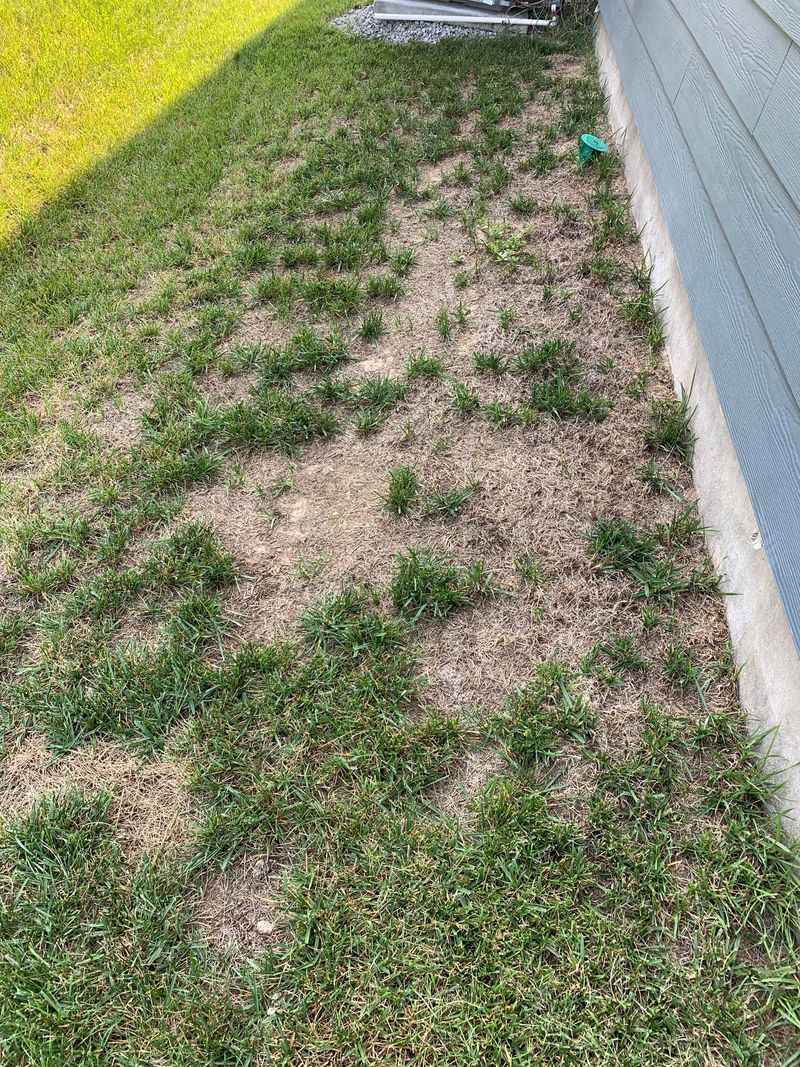
Once you have photographed the damage and checked the roots, repair comes next. It is a separate job from figuring out who did it, and it is worth doing quickly so the exposed roots do not dry out in the Texas sun.
If the sod is lifted but mostly intact, put it back where it came from. Press it down firmly so the roots touch the soil, and fill any gaps along the edges with a little soil.
When conditions are dry, water the repaired area. Iowa State Extension advises irrigating when it is dry and reseeding or resodding more heavily damaged areas as needed.
In a Texas summer, that may mean keeping the patch evenly moist while following any local watering restrictions.
Torn, shredded, or dried-out pieces may not recover. For those spots, remove the dead turf, loosen the soil, and replace it with fresh sod or reseed with a grass that suits your yard.
Keep expectations realistic. Repairing turf makes the lawn look better and helps it recover, but it does not stop an animal from coming back.
If new damage appears, check the roots again before assuming the first fix failed.
Reduce repeat damage safely and without guarantees
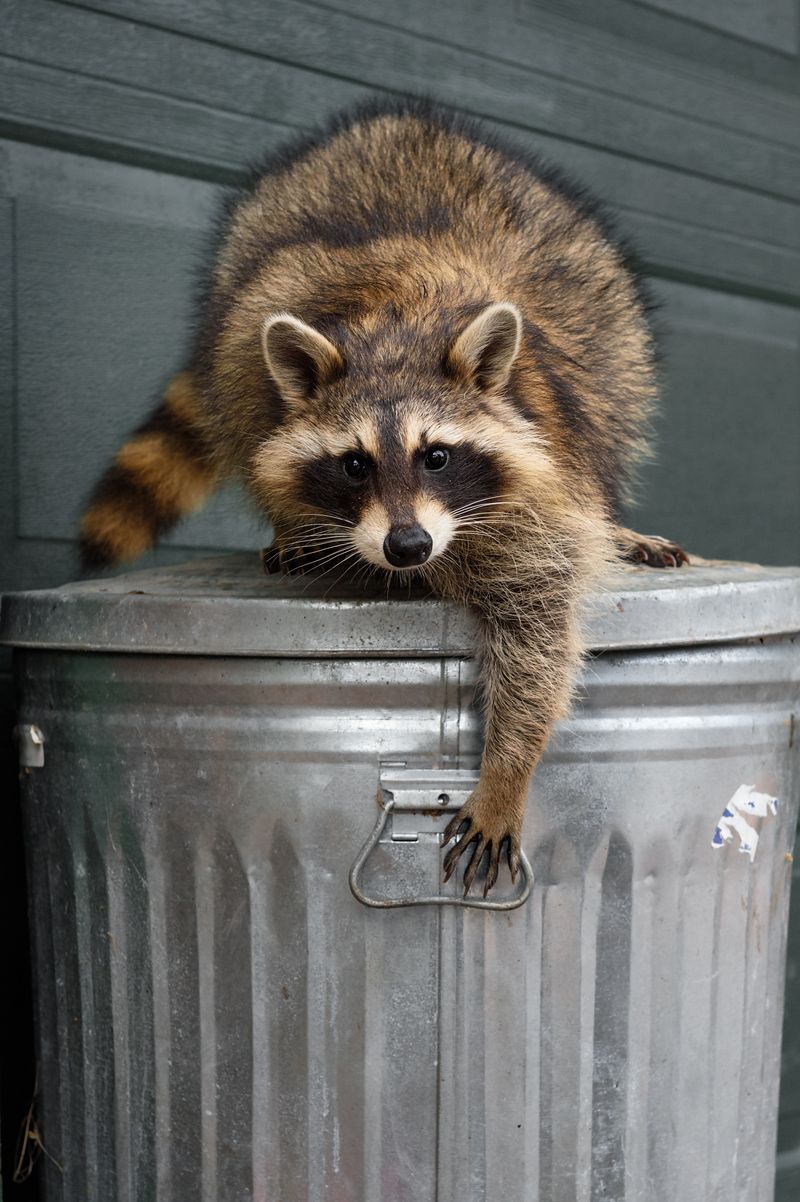
Start with what you can control. Remove outdoor food attractants such as pet food, spilled birdseed, and unsecured trash, and consider physical exclusion over damaged areas.
University of Maryland Extension lists these steps as options that may help, though barriers are not foolproof, especially against raccoons.
Iowa State Extension adds that exclusion has limitations and scent repellents are typically not very effective. Grub treatment is not wildlife control either, so use it only if your inspection shows a real grub problem.
Keep your distance from the animals themselves. Do not approach or handle a skunk, raccoon, or armadillo, even one that seems calm.
Capturing and relocating wildlife is not a casual DIY fix: Texas Parks and Wildlife says relocating nuisance fur-bearing animals requires department authorization and permission from the owner of the release property, and the Texas Department of State Health Services restricts transporting live skunks and raccoons.
If anyone, including a pet, is bitten or may have been exposed, contact a doctor or veterinarian promptly. The Texas DSHS rabies page advises against handling wildlife and explains why quick medical advice matters.
A torn lawn is a clue, not a verdict. Look first, treat only what you confirm, and the dirt will tell you the rest.