
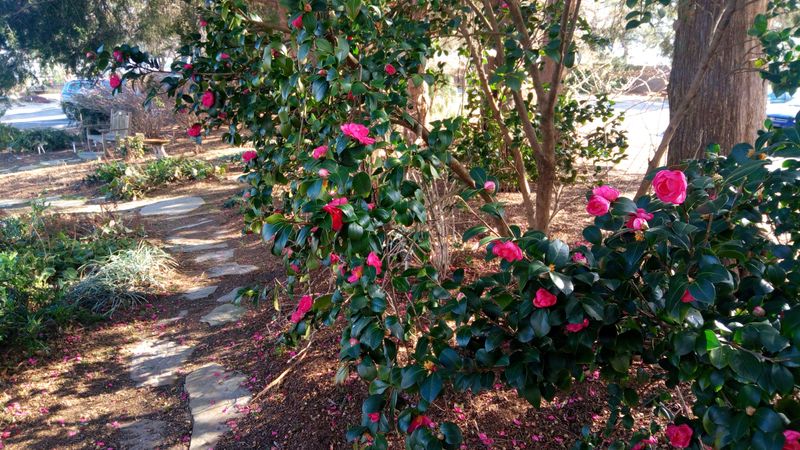
Most flowers in North Carolina give up the moment frost coats the yard. A handful of tough camellias shrug off the cold and keep opening fresh blooms through the darkest weeks of winter.
Picking the right kind matters, because a freeze can turn the wrong camellia’s buds into brown mush overnight. Here are ten varieties that have proven they can handle a hard Carolina freeze and still put on a show.
1. April Remembered
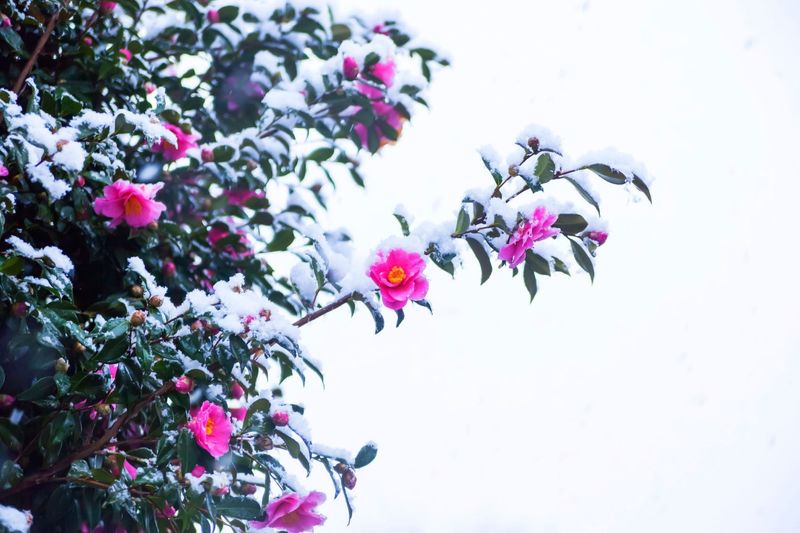
Bred by Dr. William Ackerman at the U.S. National Arboretum, the April series was built for one job: surviving winters that kill ordinary camellias.
April Remembered is one of the showiest of the bunch. Its big semi-double flowers blend cream and soft pink, almost like a watercolor.
The shrub is rated hardy to zone 6, which covers nearly all of North Carolina, including much of the mountain region. It blooms from late winter into spring, so if one cold snap damages open flowers, more buds are waiting to replace them.
Plant it where it gets morning sun and afternoon shade. A spot on the east side of the house is ideal in Raleigh or Greensboro clay.
2. Winter’s Star
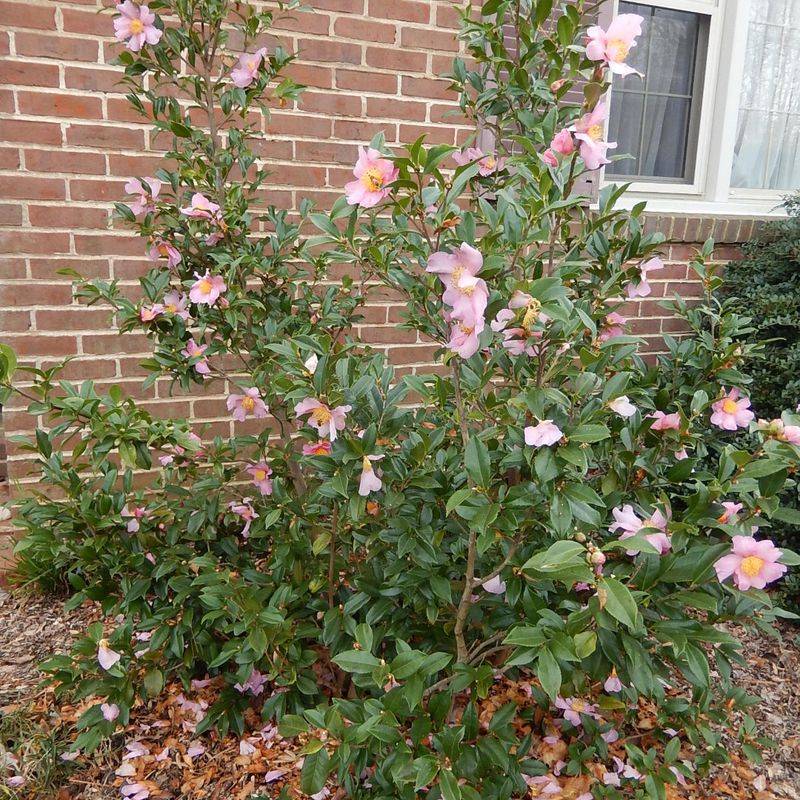
Picture a gray November day in Boone with snow in the forecast. Somehow, a shrub by the porch is covered in bright lavender-pink stars.
That is Winter’s Star doing exactly what it was bred to do.
The single blooms have golden centers that bees love on warm winter afternoons. It flowers in fall, roughly October through December, and handles temperatures well below zero once established.
It grows fast and fairly upright, often reaching 8 to 10 feet. Use it as a living screen along a property line where you want privacy and color at the same time.
3. Winter’s Snowman
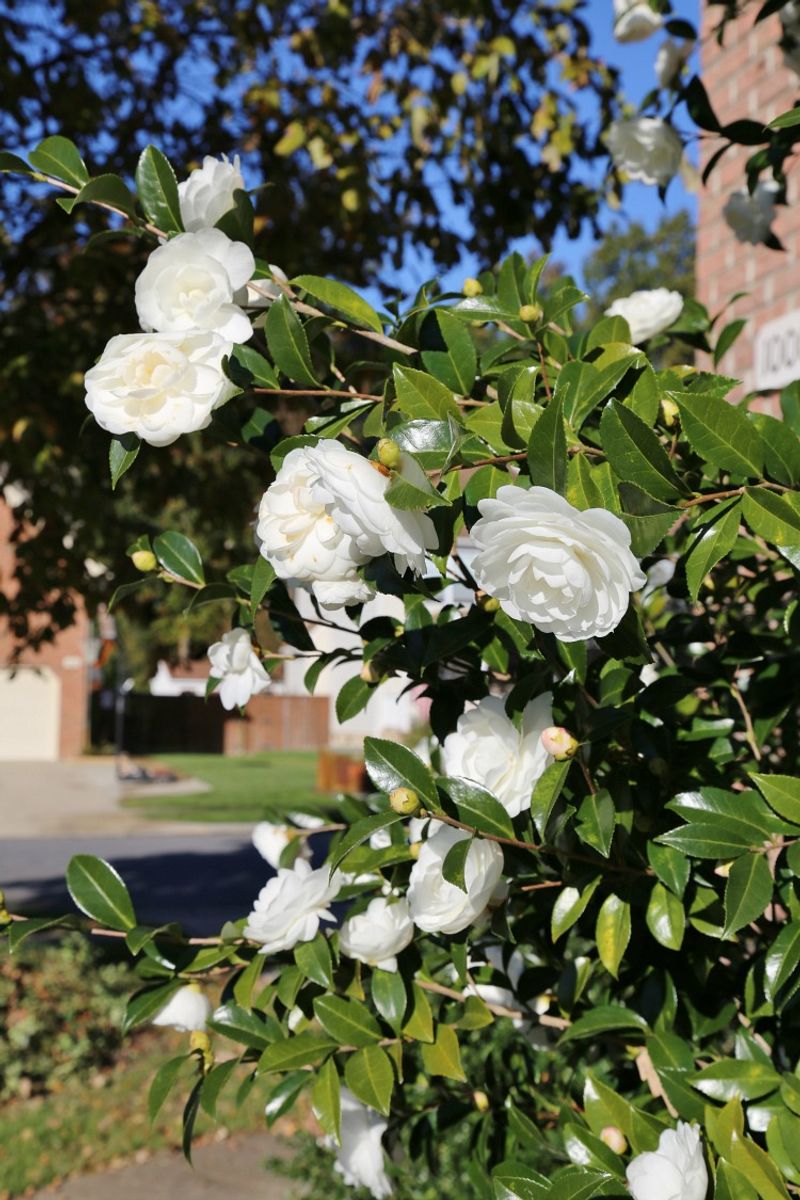
Did you know some camellias are tougher than the boxwoods next to them? Winter’s Snowman is a great example.
Its crisp white anemone-form blooms look delicate, yet the plant laughs at temperatures around minus 10.
The flowers have a fluffy, pom-pom center surrounded by flat outer petals. Against a red brick home, they practically glow on short winter evenings.
Blooms open in late fall and early winter. Give it acidic, well-drained soil and a layer of pine straw, and it will ask very little of you.
4. Korean Fire
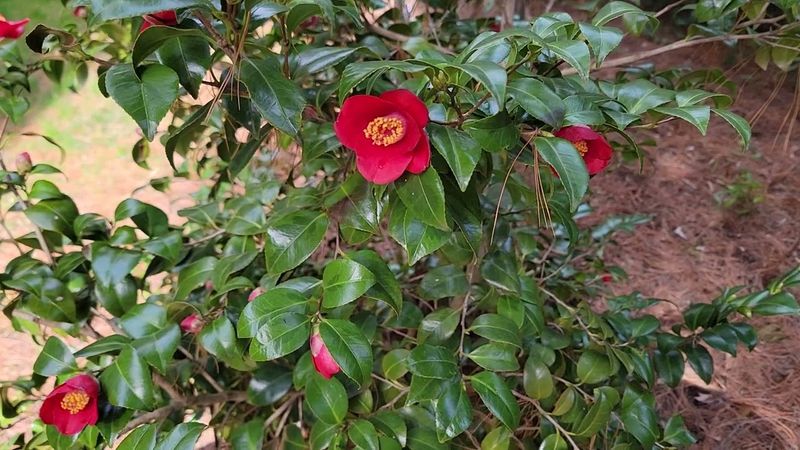
Grab a seed from a wild camellia growing on a windswept Korean island, and you get something special. Korean Fire came from just such a collection, and its genes are pure grit.
Many growers consider it one of the hardiest Camellia japonica selections available. The flowers are simple, single, and fire-engine red with a bright yellow cluster of stamens.
It may not be the fanciest bloom on this list. However, when a January ice storm hits Asheville, Korean Fire is often the camellia still standing with its buds intact.
5. Pink Icicle
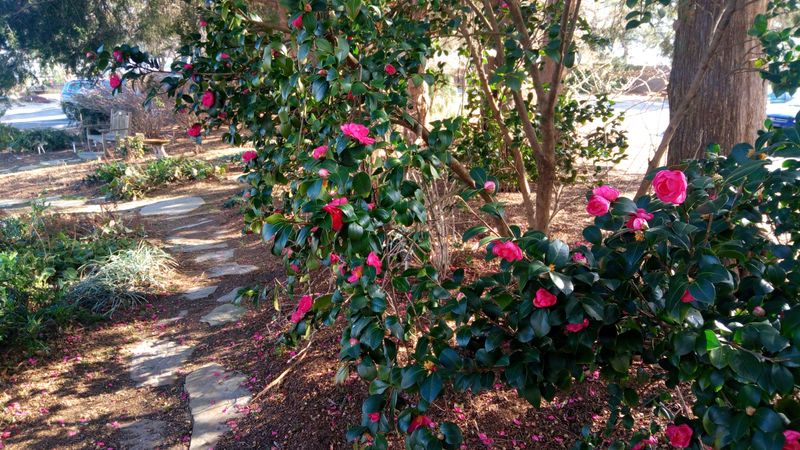
Honestly, the name says it all. Pink Icicle earned its reputation by blooming through cold that sends most gardeners indoors.
Its shell-pink, peony-style flowers are big and ruffled, sometimes reaching four inches across. They appear in mid to late winter, which is perfect timing for anyone craving color in February.
One tip from experienced growers is to avoid planting it in a frost pocket at the bottom of a slope. Cold air settles there, and even a tough camellia appreciates a slightly higher spot.
6. Snow Flurry
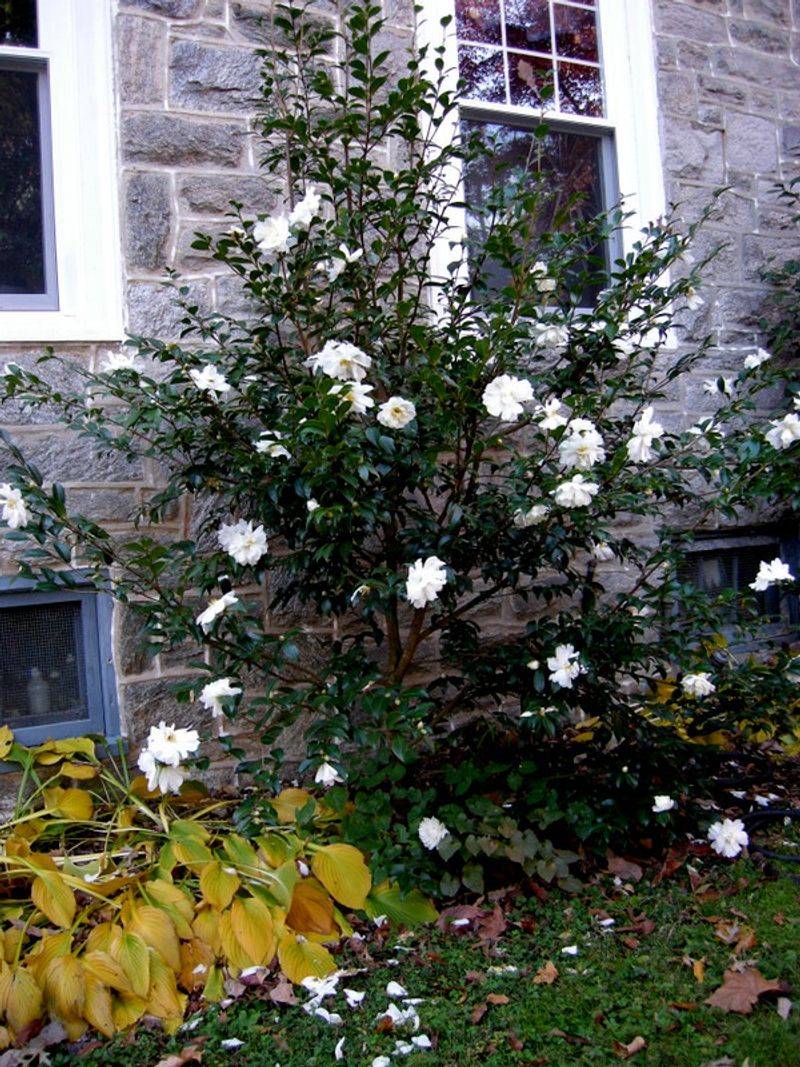
Some plants whisper instead of shout. Snow Flurry covers itself in small, creamy white flowers that look like a light dusting of snow on dark leaves.
The shrub stays dense and tidy, making it a smart pick along a driveway or front walk. Its blooms usually arrive in October and November, often continuing into December.
For homeowners who want something classy and low-maintenance, Snow Flurry is a quiet winner. Pair it with native ferns for a woodland look that holds up all year.
7. Polar Ice
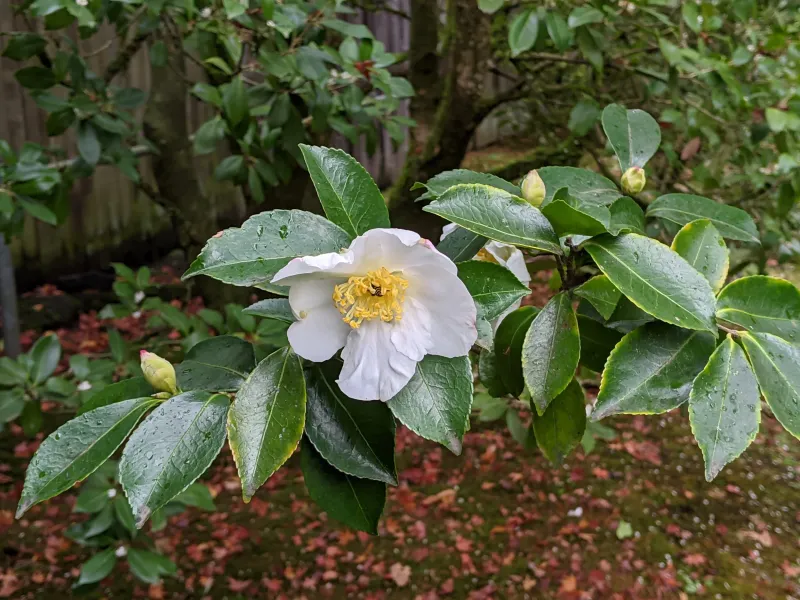
A friend in Winston-Salem once swore her Polar Ice bloomed through a week of single-digit nights. After seeing it in person, I believed her.
The white anemone-form flowers are thicker than you might expect. That extra substance helps them shrug off light frost that browns thinner petals.
Polar Ice grows to about 8 feet with a rounded shape. Plant it in fall so roots settle in before summer heat arrives.
8. Long Island Pink
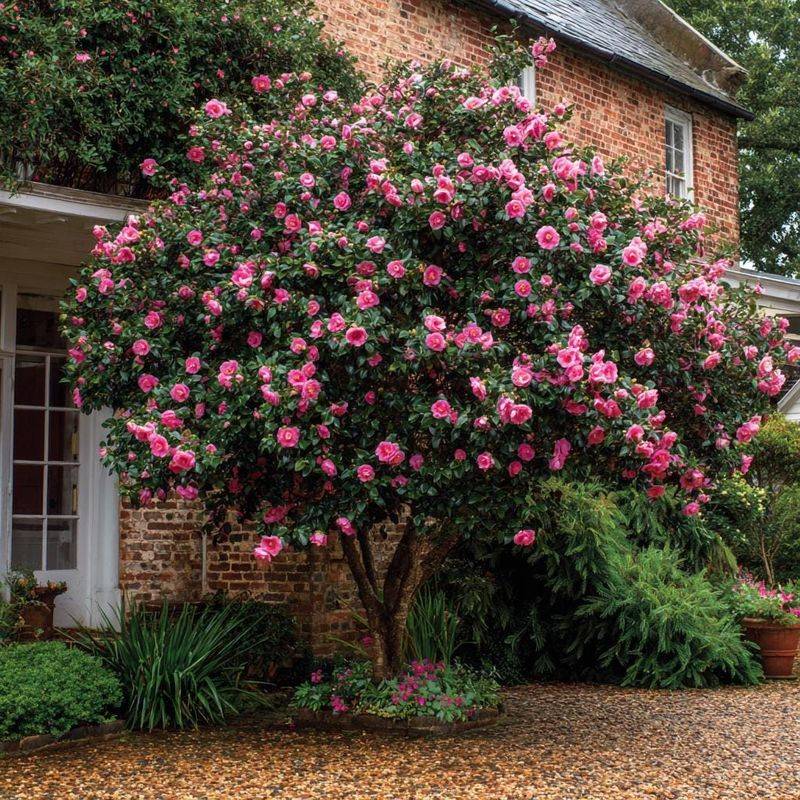
Here is a fun twist. Long Island Pink was found thriving in New York, of all places, where winters are much colder than anything Charlotte sees.
If it can survive Long Island, it can certainly handle the Piedmont. The semi-double pink flowers appear in late fall and early winter.
It is a solid choice for gardeners in the western counties who have lost camellias before. Think of it as a dependable starter for nervous first-timers.
9. Yuletide
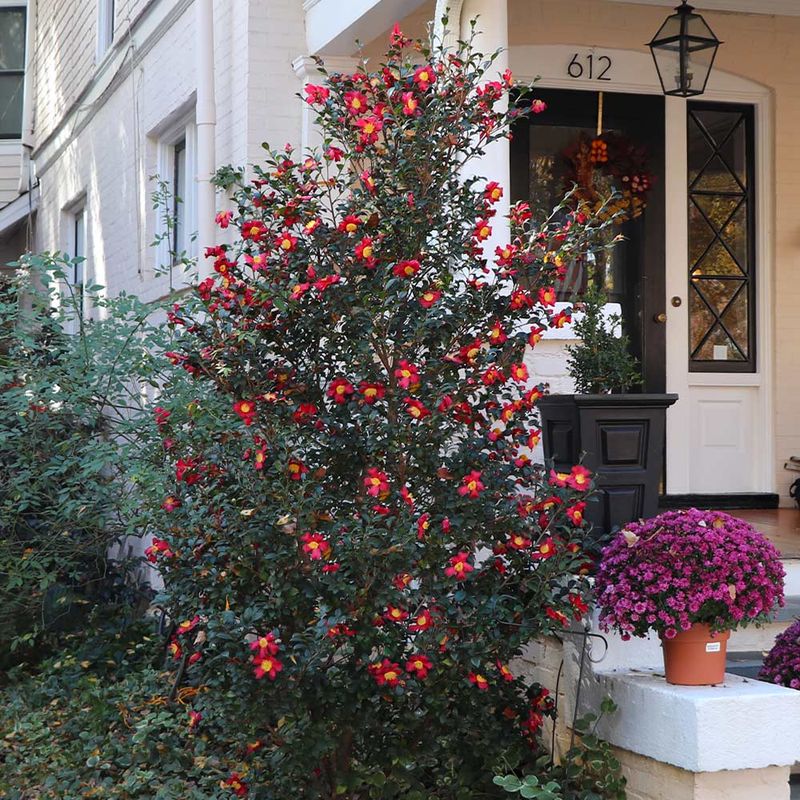
Nothing says the holidays in a Southern yard quite like Yuletide. Its bright red single flowers with yellow centers open right around Christmas.
As a sasanqua, it is slightly less hardy than the Ackerman hybrids. Still, it handles freezes in the Piedmont and coastal plain with ease, typically down to around 5 degrees.
Cut a few branches for your mantel. The glossy leaves and red blooms make a fresh, homegrown decoration that beats anything plastic.
10. Survivor
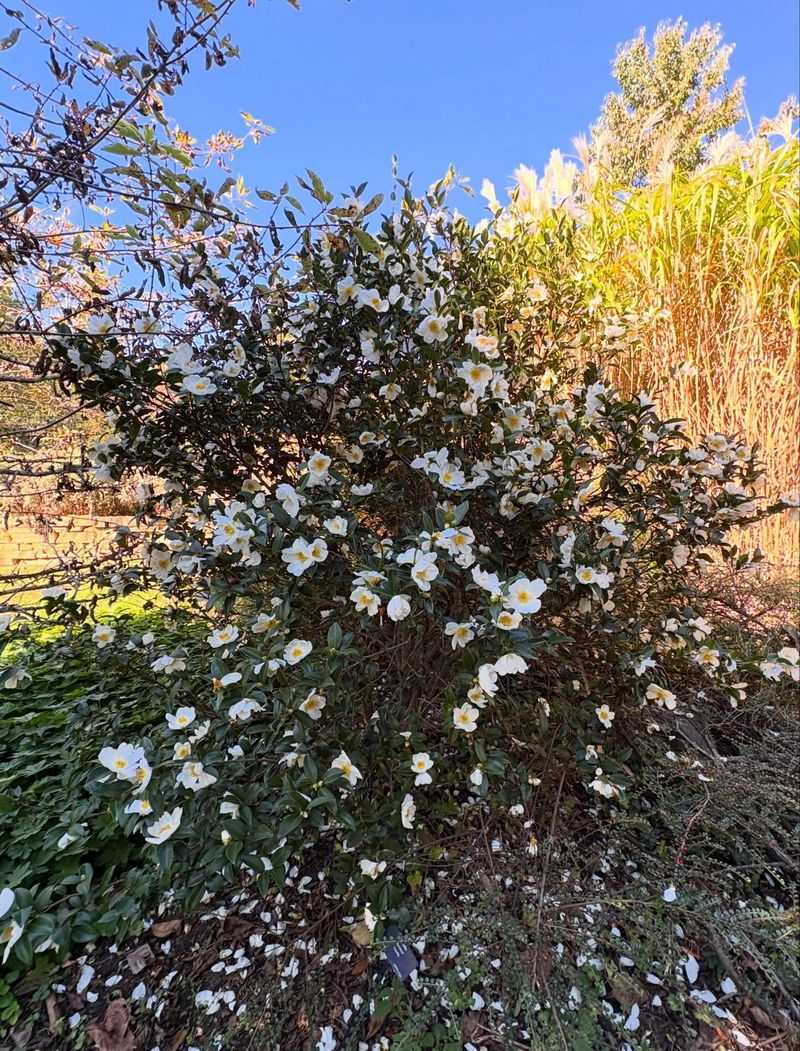
Few plants get a name this honest. Survivor was another Ackerman selection, picked because it came through brutal test winters in good shape.
The single white flowers bloom in fall and have a clean, simple look. They contrast nicely with deep green foliage that stays healthy in cold wind.
To help any camellia ride out a hard freeze, water it well before a cold front arrives. Moist soil holds heat better, and a hydrated shrub suffers far less leaf burn.
Choose Survivor, and you may not need many tricks at all.