
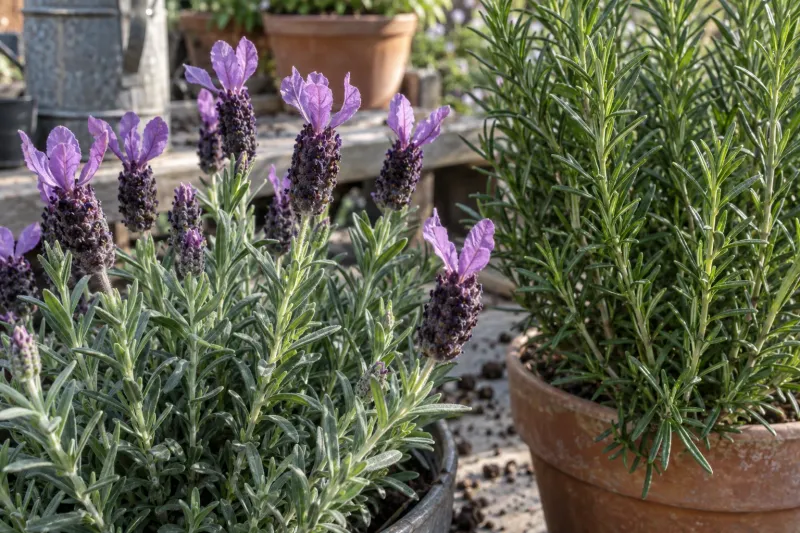
Rosemary and lavender can both grow into new plants from stem cuttings, and you can start them indoors in pots as the garden slows down. A few snips from plants you already own can become a small herb nursery on a bright shelf.
How many cuttings take root depends on the stems you pick, the rooting setup, and the light you can give them. Here is how to get the best shot at it.
Cuttings can multiply herbs, but results take time
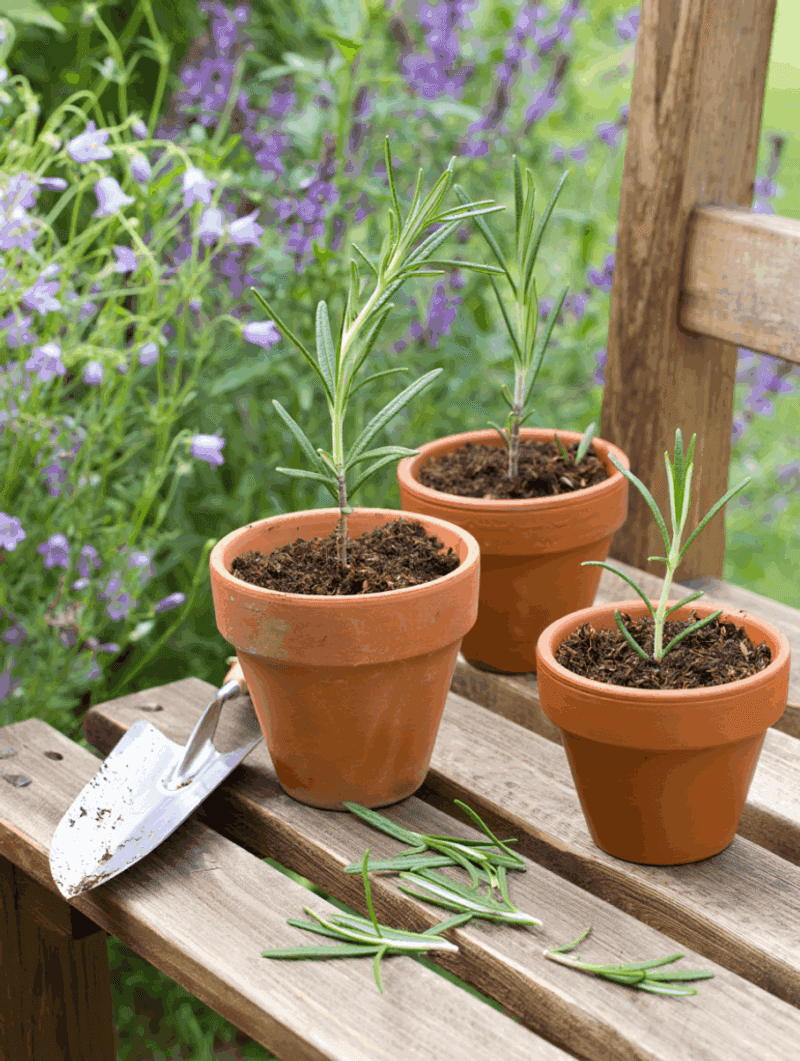
Rosemary and lavender can both be grown from stem cuttings, and those cuttings can be started indoors and kept in pots over winter. It is a handy way to multiply plants you already have without buying new ones, as long as you already own pots and rooting mix.
Speed is the catch. Missouri Extension notes that cuttings taken in fall generally take longer to root than those taken in warmer months.
Cornell Cooperative Extension says rosemary can take almost two months.
Rooting is also only the first step. A cutting that grows roots is not yet a strong, established plant, and it still needs weeks of steady care.
Some cuttings will fail, and some will stay small for a while.
So think of this as a project with variable results. You may end up with a few sturdy starts or a shelf full of them, and spring growth is a possibility rather than a promise.
Choose cuttings by growth stage
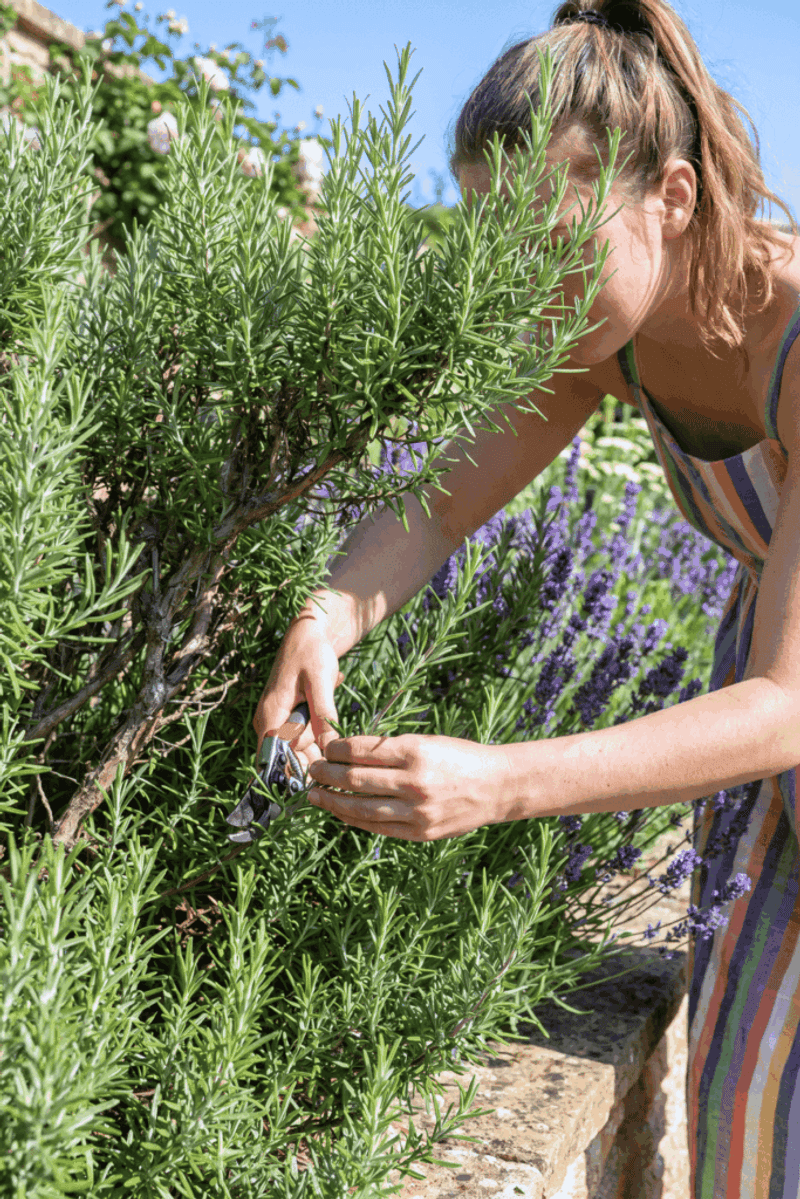
Plant growth matters more than the date on the calendar. A late-fall day might fall after the best outdoor growth in a cold region, or before the first frost in a mild one, so check each plant rather than trusting a date.
For rosemary, NC Cooperative Extension recommends green, slightly flexible, nonflowering tips. If the stem is stiff and woody or topped with blooms, look elsewhere on the plant.
Lavender has more than one option. UC ANR describes semihardwood cuttings taken from late summer to autumn, before the first frost.
Semihardwood means the stem has started to firm up but is not fully woody.
Walk your plants with these differences in mind. If a plant has no suitable growth right now, it is better to wait than to force weak cuttings.
Prepare each herb’s cuttings and rooting medium
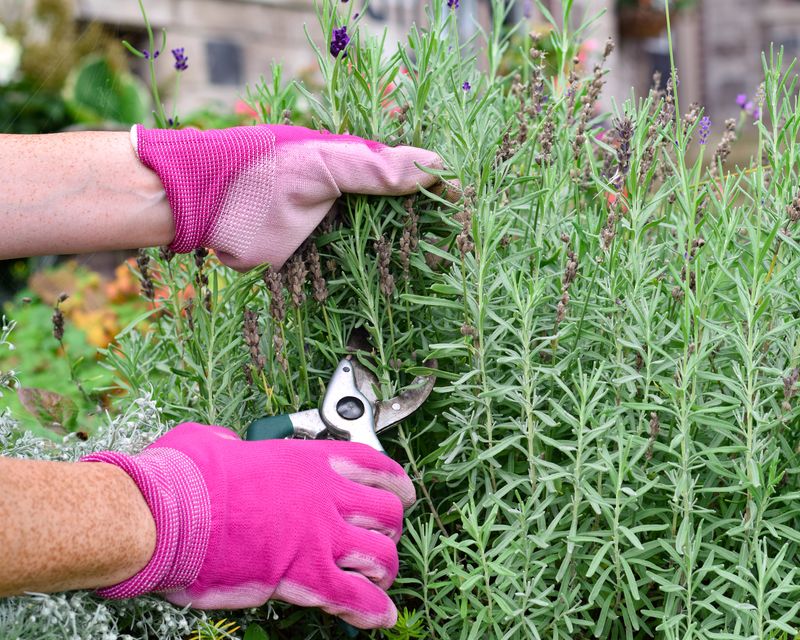
Start with healthy, disease-free stems from plants that look vigorous. Use clean snips and a clean container with drainage holes, filled with moist, well-draining rooting medium.
For rosemary, NC Cooperative Extension suggests tips about 3 to 5 inches long. Strip the lower leaves, poke a hole in the medium, and insert the cutting so no leaves sit buried.
Lavender is handled a little differently. Utah State University Extension describes taking a vegetative stem just below a node, removing the lower leaves, and rooting it in warm, moist medium that is not wet.
No single mix or recipe fits both herbs, and rooting hormone is not required. Some gardeners use it, but plenty of cuttings are tried without it, so treat it as optional.
Keep cuttings moist, not waterlogged
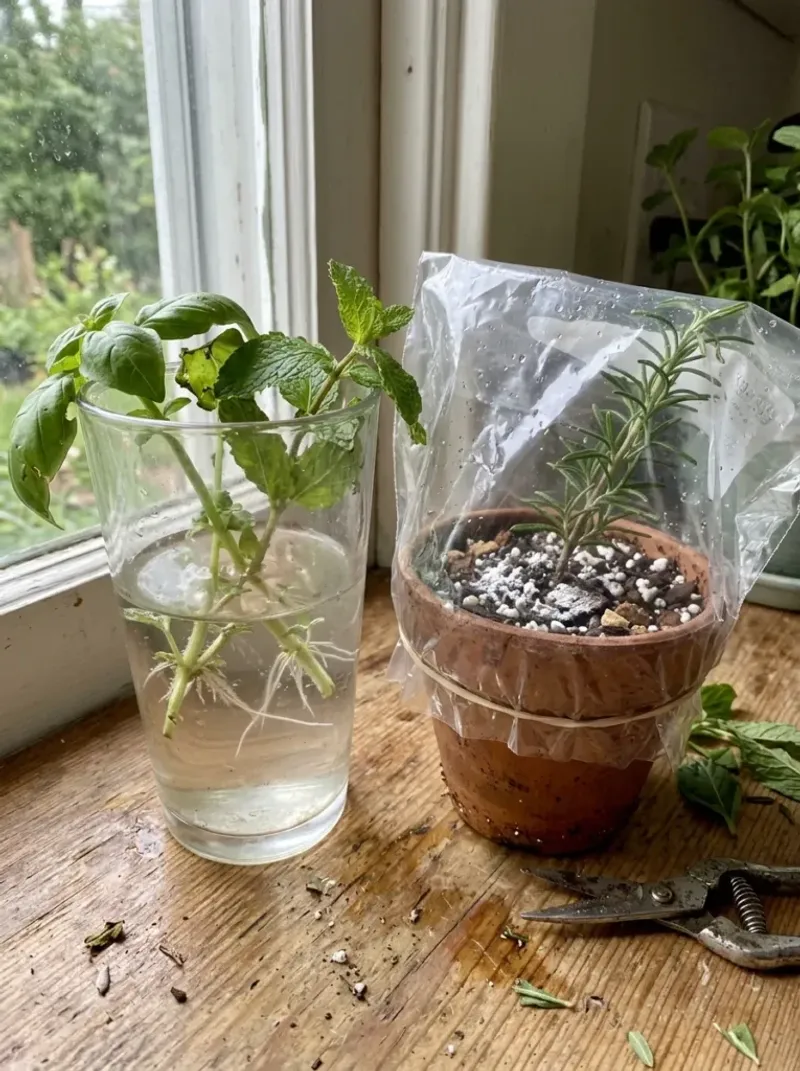
Once planted, set the pots in a bright, sheltered place, but not in full sun. Direct afternoon rays through glass can cook tender cuttings before roots form.
The medium should stay moist, never soggy. Poke a finger in every day or two, and let drainage do its job so water does not sit around the stems.
A clear cover can help hold humidity, and it is optional. If you use one, check underneath often, because trapped moisture can also invite rot.
Lift it for a short while if you see condensation running constantly.
Wait until the roots look strong before moving anything. NC Cooperative Extension advises potting rooted cuttings separately at that point.
For lavender, Utah State likewise stresses warm, moist but not wet conditions during rooting.
Indoor light can limit winter growth
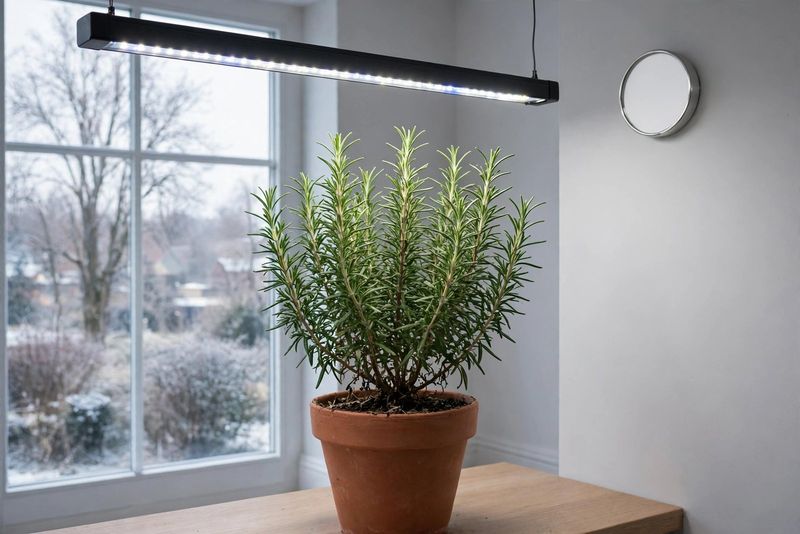
Light is often the weak link indoors. Iowa State Extension says indoor light is frequently limiting, and that rosemary may need supplemental lighting.
A window can look bright to us and still be dim for a plant. Short winter days, a north-facing exposure, or a deep sill can all leave cuttings starved.
Watch the plants for clues. Growth that turns long, thin, and lanky is a sign the light is too low, and pale or slow cuttings point the same way.
If you see those signs, try a brighter spot or add a grow light. Compare a few locations in your home before you commit, since a sunny south window may do better than a shaded one.
Expect uneven rooting and a gradual payoff
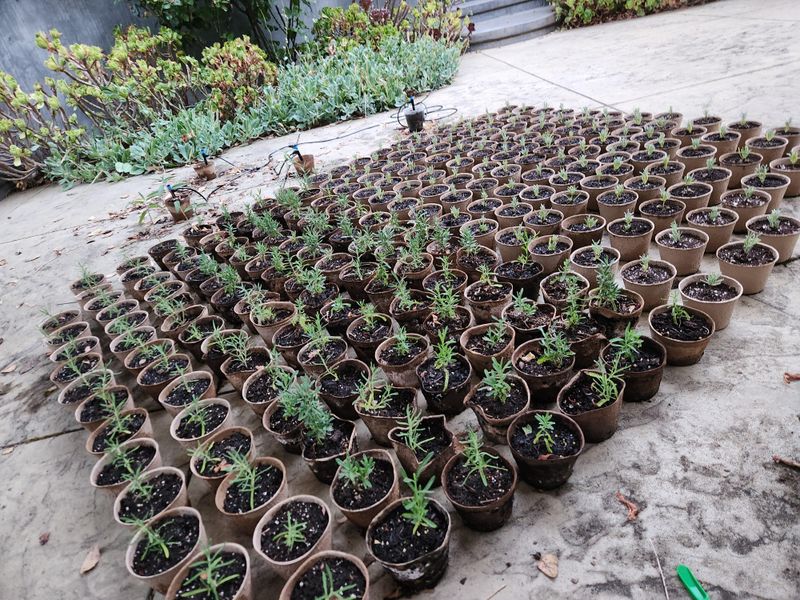
Timing estimates differ by source. Missouri Extension gives two to four weeks as a general range for most herbs, while Cornell says rosemary can take almost two months.
For lavender, Utah State gives 30 to 40 days, and UC ANR says roots may form in 4 to 6 weeks under high humidity, with success varying by cultivar. None of these measures how long it takes to get a finished plant.
Take extra cuttings. One NC Cooperative Extension guide estimates 30 to 50 percent of rosemary cuttings root under its described method, and suggests taking two to three times as many as you want.
That is local guidance, not a universal success rate.
Your yield depends on how many good cuttings the plant offers and how many root. Pots, mix, and lights may also add cost if you do not already have them.
Start with the growth your plants can spare
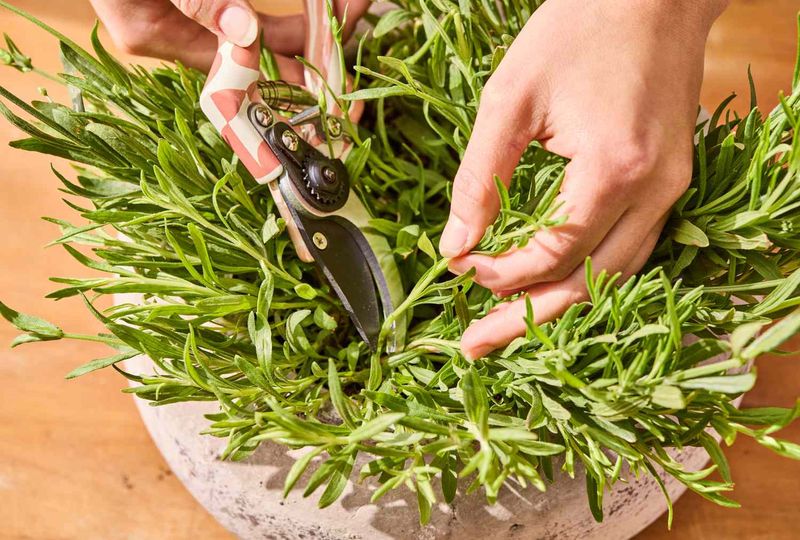
Begin with a walk around your plants. Look for stems that match what each herb needs, and only take what the plant can spare without looking scalped.
Set up your pots, medium, and a bright spot before you cut, and plan for extra light if your windows are dim. Per NC Cooperative Extension, extra cuttings make up for the ones that will not root, and Iowa State reminds us that light can hold things back.
Spring may bring new plants, and it may bring only a few. Either way, a shelf of small green starts beats an empty windowsill in February.