
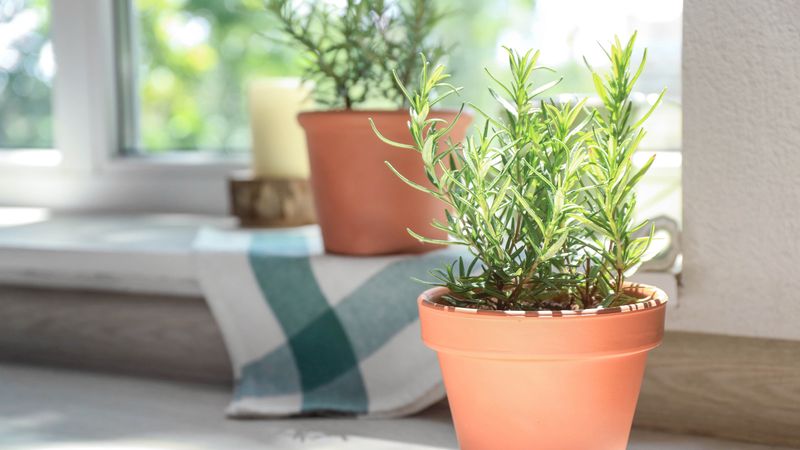
When the first snow falls, mice start hunting for a warm, quiet spot, and the cozy gap along your foundation looks like a five-star hotel. Traps and poison deal with the problem after it starts, but the right plants can make your house feel unwelcoming before a single mouse moves in.
Many of these plants have strong scents that mice hate, and they look great in a garden bed too. Here are eight smart picks to plant along your foundation so winter stays mouse-free.
1. Peppermint
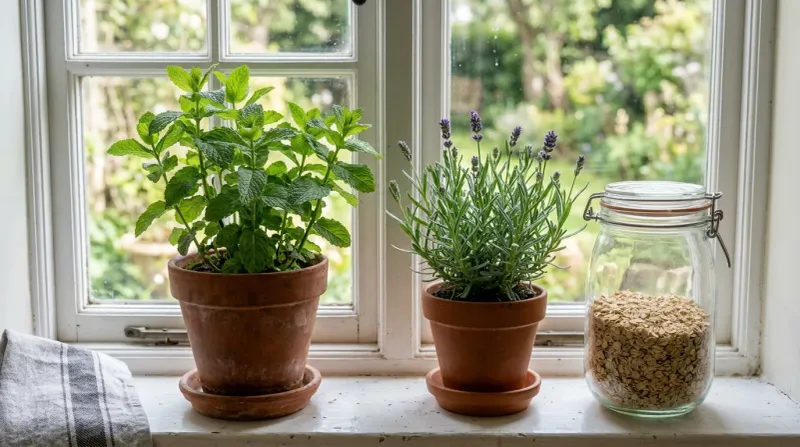
Ask any old-time farmer how they kept the pantry safe, and you might hear about a sprig of peppermint tucked on the shelf. Mice rely heavily on their noses to find food and safe paths, and the sharp menthol in peppermint overwhelms that sense.
A thick patch near your foundation acts like a smelly fence they would rather not cross.
Peppermint grows fast and forgives a lot of neglect. It loves moist soil and handles partial shade, which makes it a fit for the north side of a house where other plants struggle.
The leaves stay fragrant late into fall, right when mice begin scouting for winter homes.
One warning: peppermint spreads like gossip at a family reunion. Plant it in buried containers or edged beds so it does not crawl into your lawn.
Keep it a foot or so away from the siding, too, since dense foliage pressed against walls can trap moisture.
For an extra boost after the plant dies back, crush a few dried stems and scatter them near vents and entry points. Some gardeners also soak cotton balls in peppermint oil and tuck them into garage corners for double protection.
2. Lavender
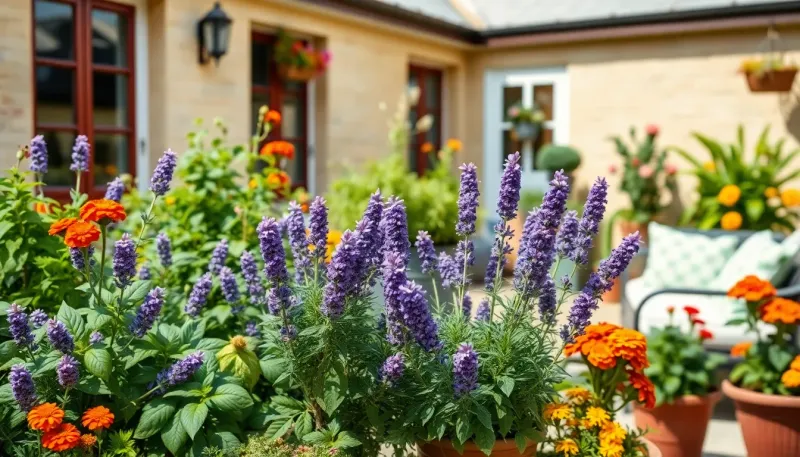
Lavender smells like a spa to us, but to a mouse it is closer to a slammed door. The plant’s oils contain camphor and linalool, compounds rodents find irritating.
That makes this pretty purple shrub a quiet bouncer for your foundation beds.
Unlike mint, lavender stays where you put it. It prefers full sun, sandy or gravelly soil, and very little water, so it thrives along sunny south and west walls.
English varieties like Munstead and Hidcote handle cold winters down to about zone 5.
Here is a bonus many people miss. Mice love thick, damp mulch for nesting, while lavender demands dry gravel around its roots to avoid rot.
By giving the plant what it wants, you also take away the soft bedding mice crave.
Trim the stems in late summer and hang the bundles in your garage or shed. The dried flowers keep their scent for months and can be tucked near doorways.
Replace them when the smell fades.
Fun fact: the name lavender comes from the Latin word lavare, meaning to wash, because Romans scented their bathwater with it. Mice, apparently, never joined the bathing club.
3. Daffodils

Picture this: it is February, and something has been digging in your flower bed. With tulips, that culprit is often a mouse or vole snacking on bulbs.
Daffodils, though, sit untouched, and there is a good reason why.
Every part of a daffodil contains lycorine, a bitter, toxic compound that rodents learn to avoid. Planting a ring of daffodil bulbs along your foundation creates an underground barrier, which matters because many mice travel through soil tunnels and under mulch during winter.
Daffodils work differently from the herbs on this list. They do not chase mice away with smell so much as make the area a poor dining room.
Mice that find nothing tasty near your walls tend to move on to easier pickings.
Plant bulbs in fall, about six inches deep, before the ground freezes. They need almost no care afterward and come back year after year, often multiplying.
Mix them with tulips or crocuses if you like, and the daffodils may help shield their more delicious neighbors.
Keep pets and kids from chewing on bulbs, since they are toxic to people and animals too.
4. Garlic

Garlic has been scaring off unwanted visitors in folklore for centuries, and while vampires remain unconfirmed, mice are a different story. The sulfur compounds that make garlic so pungent are exactly what rodents dislike.
Even a light breeze carries that sharp aroma along a planting row.
Here is what makes garlic special for winter. Most gardeners plant it in October or November, and it sits in the soil through the cold months while other plants are dormant.
That means the bulbs are actively working during the exact season mice are looking for shelter.
Plant individual cloves pointy side up, about two inches deep and six inches apart. A narrow strip along the foundation is plenty.
Hardneck types such as Music or German Extra Hardy handle freezing temperatures best across most of the country.
You get a harvest out of the deal, too. Come early summer, dig up full bulbs for the kitchen and save the biggest cloves to replant in fall.
Pair garlic with chives or onions for a whole allium border. The combined smell builds a stronger wall, and you will have plenty of flavor for soups all year.
5. Catmint

Catmint pulls a clever double shift. Its minty, slightly skunky scent annoys mice on its own, and it also invites the neighborhood cats to hang around your yard.
Few things make a rodent rethink its housing plans like a feline patrolling the flowerbeds.
Gardeners love catmint because it is nearly impossible to kill. The soft gray-green leaves and clouds of blue flowers bloom from late spring until frost, especially if you shear them back once midsummer.
It tolerates drought, poor soil, and heat with zero complaints.
Varieties like Walker’s Low stay compact enough to sit nicely in front of shrubs along a foundation without crowding the siding. Catmint is a cousin of catnip, but it is tidier and less likely to get flattened by cats rolling in it.
Leave the stems standing through fall instead of cutting them to the ground. The dried foliage still holds some fragrance, and you avoid exposing bare soil right when mice start searching for spots.
Bees and butterflies adore the blooms, so you get pollinator support as a happy side effect. It is honestly one of the hardest-working perennials you can plant near a house.
6. Marigolds

Grandma’s vegetable garden probably had a border of marigolds, and she knew what she was doing. These cheerful orange and gold flowers give off a musky, bitter smell that many pests, including mice, prefer to avoid.
They are budget-friendly too, since a single seed packet can line an entire wall.
Marigolds bring something different to this list: instant color with almost no wait. Sow seeds or tuck in nursery transplants in spring, and they bloom nonstop until a hard frost knocks them down.
That long season covers the important fall stretch when mice start eyeing your house.
French marigolds stay short and bushy, which keeps airflow moving near your foundation. Avoid planting them so thick that they form a damp jungle, because hidden, humid spots can attract the very critters you want gone.
After frost, pull the plants and crumble the dried flower heads near garage doors and crawl space vents. The scent lingers for a while.
Save some seeds from the heads, and you will have free plants next year.
Bonus: marigold roots may also help reduce harmful nematodes in garden soil, so your veggie beds benefit as well.
7. Rosemary
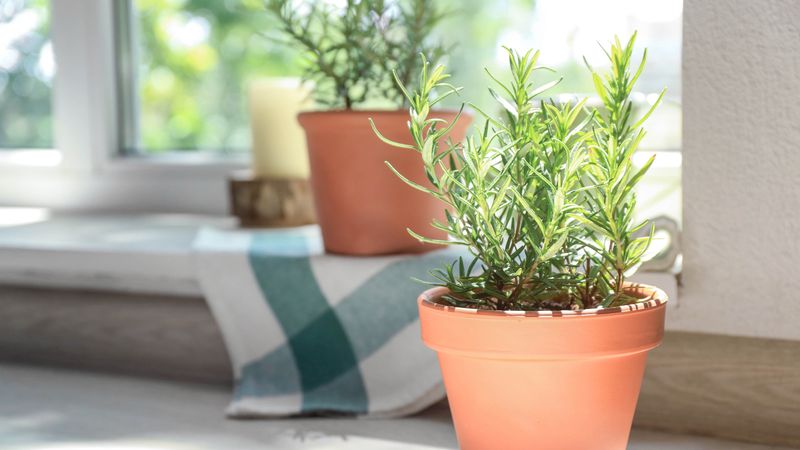
Brush your hand across rosemary and the piney scent sticks to your fingers for an hour. Mice get the same blast every time they wander near it, and they do not enjoy it one bit.
The strong oils in the needle-like leaves make it a natural guard plant.
Rosemary has a catch for colder regions. Most varieties survive only down to zone 7, though Arp and Madeline Hill can handle zone 6 with some protection.
In chillier areas, grow it in a big pot by the back door and move it into a bright garage or sunny window when temperatures dip.
That mobility is actually a perk. A potted rosemary can sit right beside entry points like basement doors or dryer vents, exactly where mice tend to sneak in.
Even indoors, it keeps putting off fragrance.
Give it full sun and let the soil dry between waterings, since soggy roots are its biggest enemy. Snip sprigs often for roast chicken or potatoes, and toss the trimmings in shed corners as a fresh repellent.
Ancient Greek students wore rosemary wreaths to help their memory during exams. Mice, sadly for them, will remember to stay away.
8. Tansy
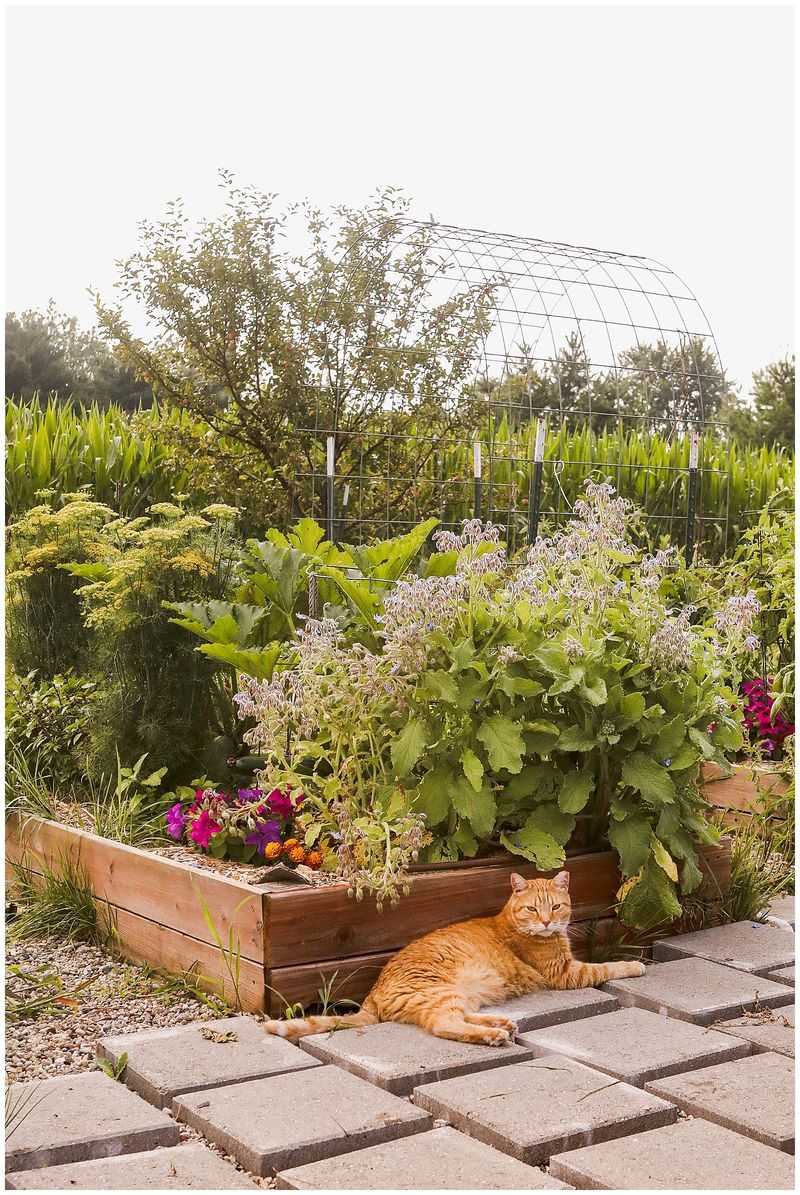
Colonial settlers hung bunches of tansy from rafters and stuffed it into mattresses to keep vermin out. That bitter, camphor-heavy scent is the plant’s secret weapon, and it still works against mice today.
Few herbs pack quite so strong a punch.
Tansy stands out with its bright yellow button flowers and fernlike leaves that can reach three or four feet tall. That height makes it a good choice for the back of a foundation bed, a barn corner, or along a shed where you want serious coverage.
Fair warning, though. Tansy spreads aggressively by roots and seeds, and some states list it as invasive.
Check your local guidelines first, cut off flower heads before they go to seed, and consider growing it in a large sunken container.
It is also toxic if eaten, so keep it away from grazing pets and livestock. Wear gloves when cutting it, since the sap can bother sensitive skin.
Once harvested, dry the stems upside down and place bundles in sheds, attics, or storage bins. Old-timers swore by it, and your winter storage areas might just stay quieter for it.