
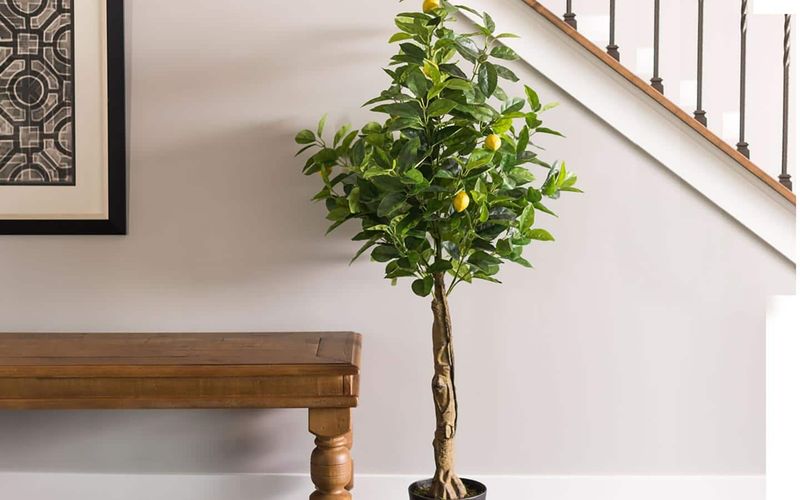
Central Texas weather loves a plot twist, and the first freeze often shows up right after a warm, sunny week. A south-facing wall soaks up heat all day and gives it back at night, which can keep nearby pots several degrees warmer.
That small difference is often the line between a plant that bounces back in spring and one that turns to mush. Here are ten tender favorites worth hauling over to that cozy spot before the cold arrives.
1. Potted Bougainvillea
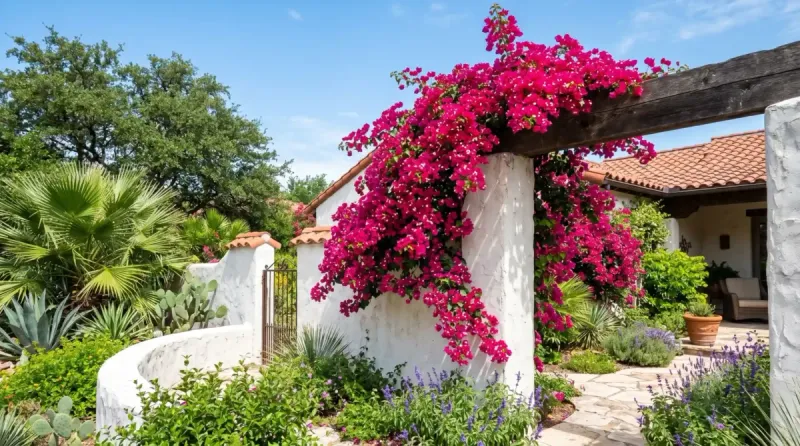
Nothing says Texas patio like a bougainvillea dripping with hot pink bracts in October. Sadly, that tropical swagger crumbles fast once temperatures dip below 30 degrees.
Roots in containers are far more exposed than roots in the ground, so a potted plant feels the cold from every side. Rolling it up against a brick or stone wall on the south side gives it radiant warmth overnight and shelter from those sharp north winds.
Cut back on watering as nights cool, since a slightly dry bougainvillea handles chill better than a soggy one. If a hard freeze is forecast, toss a frost cloth over the top and you should be in good shape until spring.
2. Hibiscus (Tropical Types)

Here is a quick way to tell which hibiscus you have: glossy, deep green leaves usually mean tropical, and tropical means trouble in a freeze. Texas Star and other hardy types die back and return, but Hibiscus rosa-sinensis will not.
Many folks buy these at big-box stores in spring and forget they are basically houseplants on vacation. A single night at 28 degrees can blacken every leaf.
Tuck the pot close to a south wall, ideally under an eave that blocks frost from settling on the foliage. Expect some yellow leaves as days get shorter.
That is normal grumbling, not a death sentence.
3. Meyer Lemon
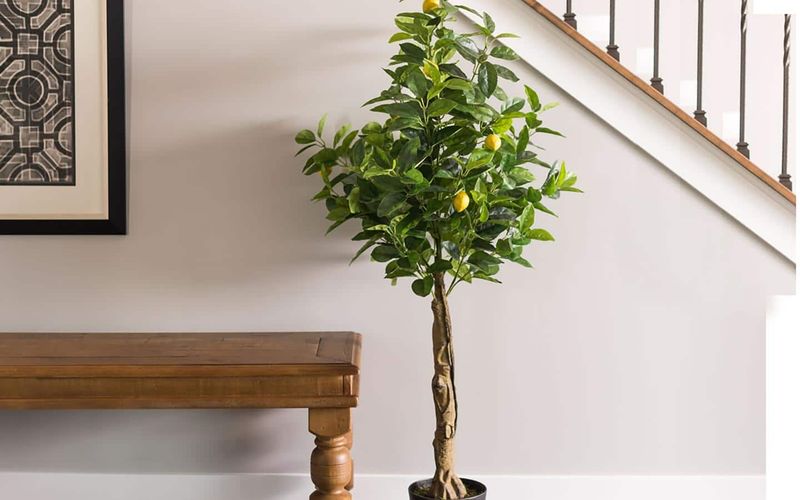
Picture this: it is December, your Meyer lemon is loaded with ripening fruit, and the forecast drops to 25. Ouch.
Every lemon on that tree is at risk, and young branches can split in a hard freeze.
Meyer lemons are tougher than most citrus, handling brief dips into the upper 20s once established. Container trees, though, lose that toughness because their roots chill quickly.
Park the tree against a south wall and wrap the pot itself with burlap or an old blanket. Some gardeners string old-style incandescent Christmas lights through the branches for gentle heat.
Harvest any ripe fruit before a big cold snap, since frozen lemons turn dry and pulpy inside.
4. Plumeria
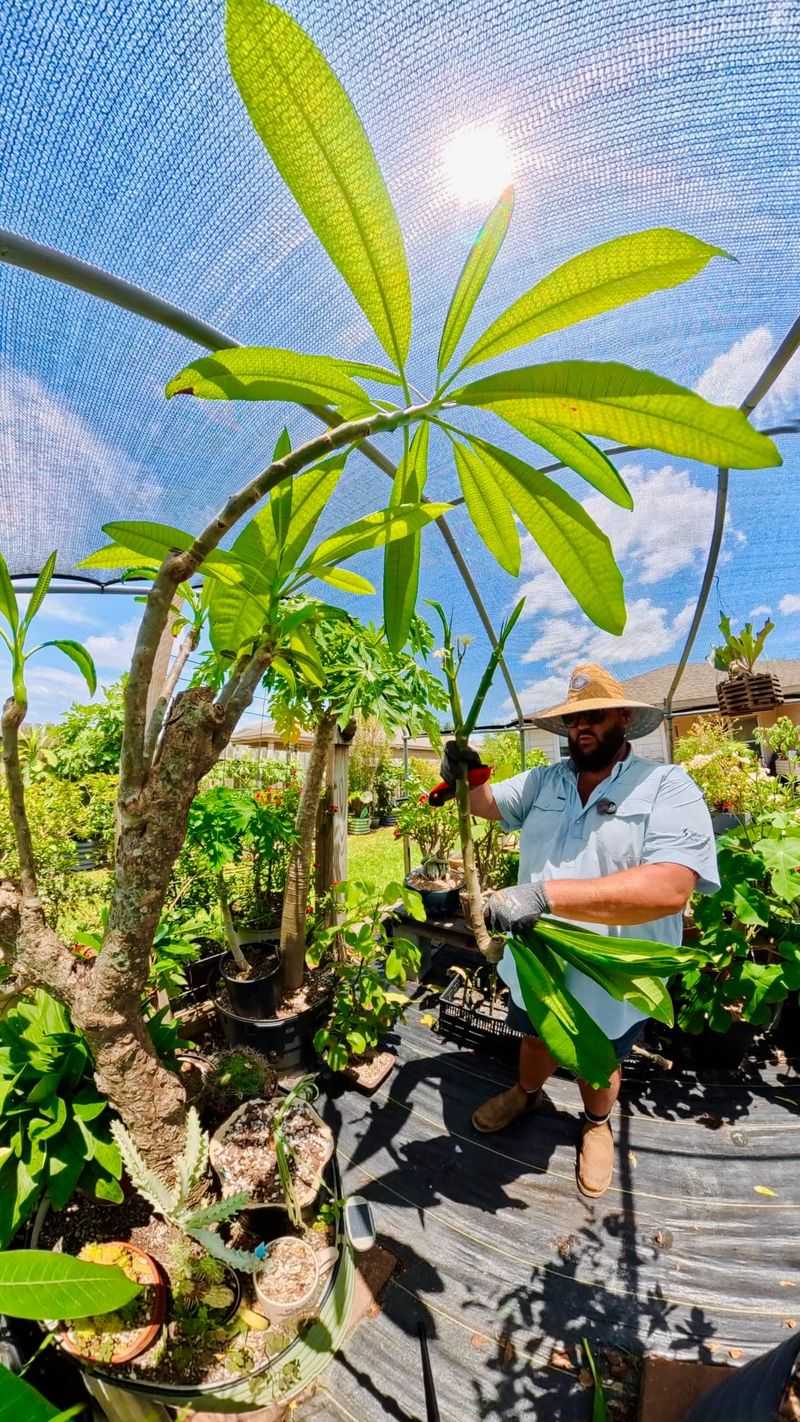
Plumeria might be the easiest plant on this list to overwinter, which is a nice surprise for something so exotic. Once leaves drop, it goes fully dormant and mostly wants to be left alone, dry and above freezing.
A south wall works well for mild spells, but plumeria stems are full of water and will rot if they freeze even once. For nights below 35, move it into a garage.
Fun fact: Hawaiians use plumeria blossoms in leis, yet the plant is native to Central America and Mexico. Skip watering completely from November until new growth wakes up in spring.
5. Mandevilla
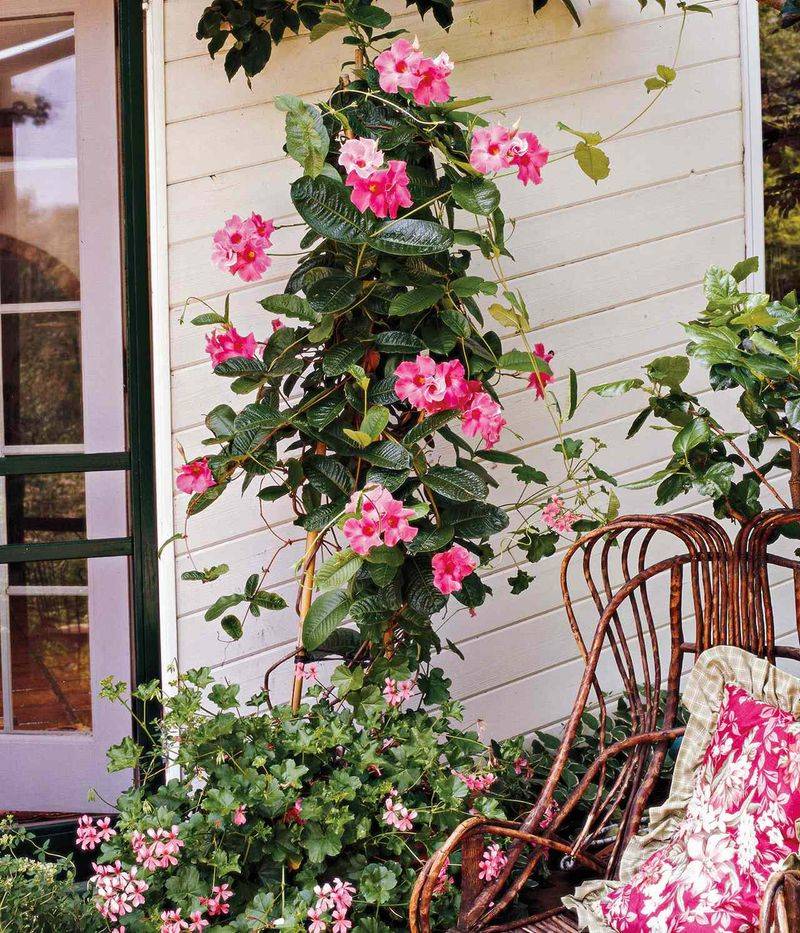
Mandevilla spends all summer climbing trellises and laughing at 105-degree heat. Show it a 40-degree night, and suddenly it sulks.
Below freezing, the vine collapses entirely.
Because it usually grows on a trellis in a pot, moving it is easier than you might think. Slide the whole setup toward the south side of the house, where reflected warmth keeps leaves happier.
Trim back long runners first so the vine does not snag on gutters or siding. Watch for spider mites, which love the dry, sheltered air near walls in winter.
A quick hose rinse on warm afternoons keeps them in check.
6. Agave Attenuata and Soft Succulents
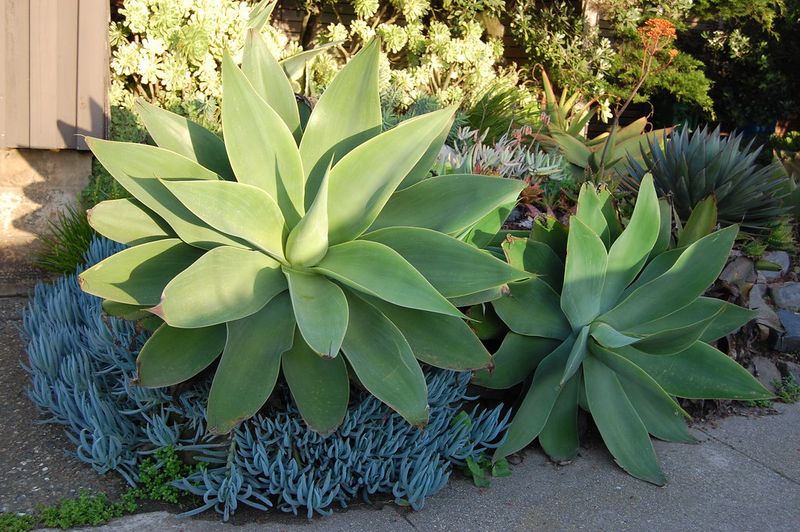
Not every agave is Texas tough. Our native agaves shrug off freezes, but the soft, spineless Agave attenuata, often called fox tail agave, turns to translucent goo after one bad night.
The same goes for many echeverias, kalanchoes, and aeoniums sold in pretty mixed bowls. Their plump leaves hold so much water that ice crystals tear them apart from the inside.
Group these pots tightly along a south wall where they can share warmth. Keep them dry, because wet soil plus cold is the classic succulent killer.
A sheet of frost cloth over the cluster on freezing nights adds extra insurance.
7. Ti Plant and Cordyline
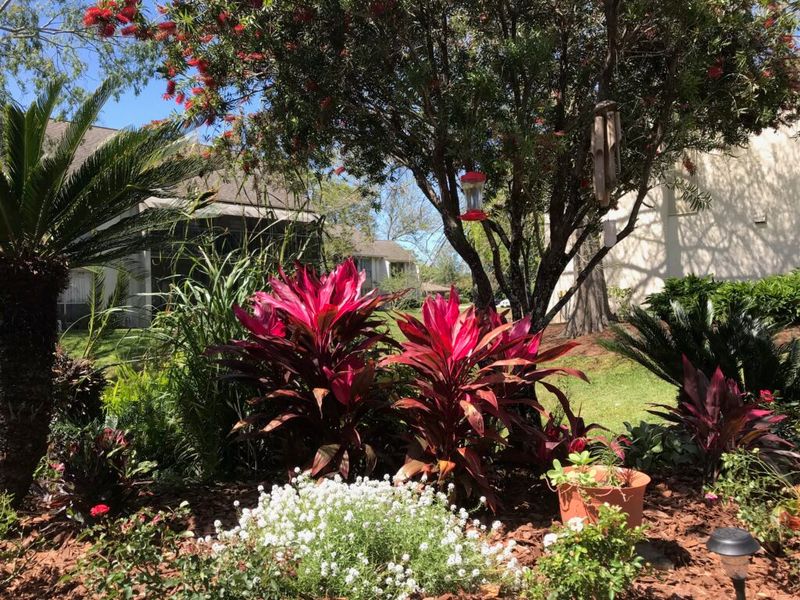
Bold, striped, and loud in the best way, ti plants bring a splash of Hawaii to any porch. They are also among the first plants to show cold damage, often scorching at temps in the low 40s.
Since these tend to stay compact, they are perfect candidates for a quick shuffle toward a sheltered wall. Pair them under a porch roof if possible to block frost from settling on that bright foliage.
If edges brown anyway, do not panic. Trim off the damaged tips once spring arrives, and fresh color will push from the center.
8. Potted Rosemary and Tender Herbs
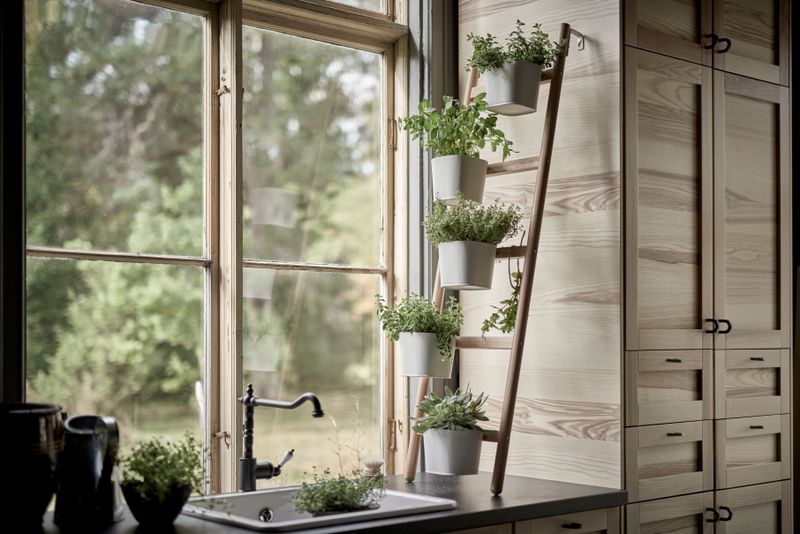
Wait, rosemary? Planted in the ground, most rosemary handles Central Texas winters just fine.
Stuck in a small pot, it becomes surprisingly fragile, especially during a hard freeze like the ones we saw in 2021.
Lemongrass and Cuban oregano are even more sensitive, and basil will not survive any frost at all. Gathering your herb pots along a south wall near the kitchen door is a smart move twice over.
The plants stay warmer, and you can still snip fresh sprigs for stews without trekking across a frosty yard. Bring basil indoors entirely, since it dislikes anything below 50.
9. Bird of Paradise
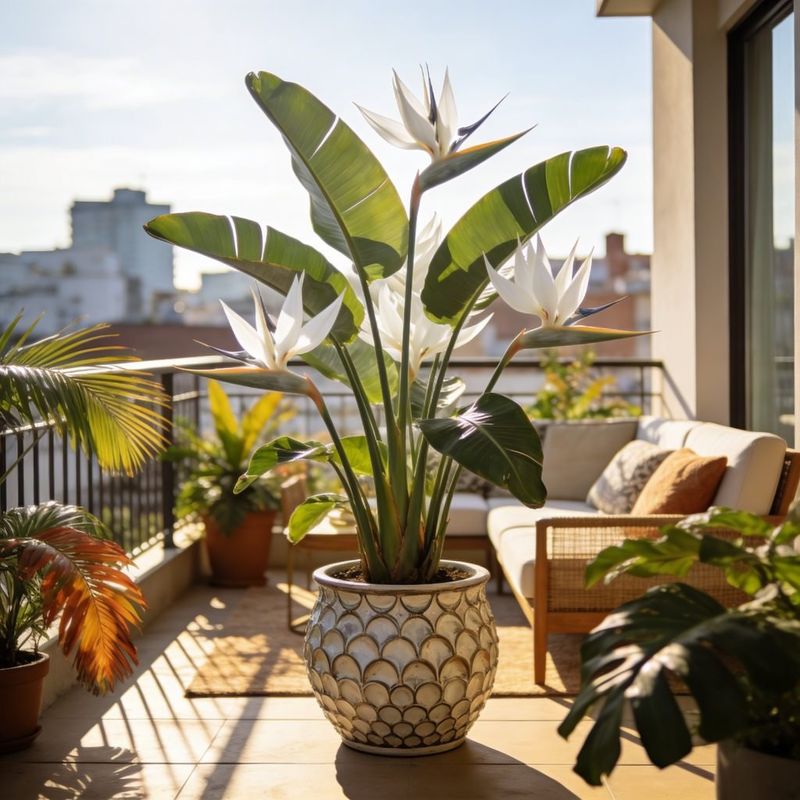
Those orange and blue blooms look like tropical birds mid-flight, and gardeners who coax them into flower tend to guard them closely. Strelitzia reginae can handle light frost, but anything near 25 damages leaves and buds.
Flower spikes for next season are often forming during winter, so protecting the plant now pays off with better blooms later. A south wall gives steady warmth without the low light of a garage.
Big containers are heavy, so use a plant dolly to save your back. Water lightly every few weeks, just enough to keep the roots from drying out completely.
10. Potted Esperanza and Firebush
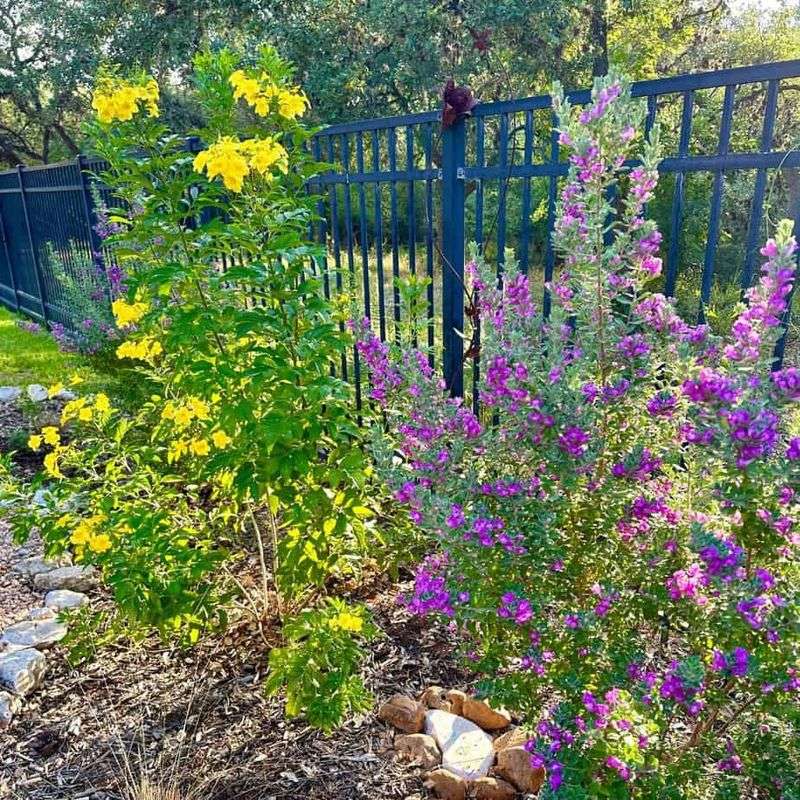
Every hummingbird in the neighborhood will thank you for this one. Esperanza and firebush feed pollinators right up until the cold hits, and both are beloved Texas staples.
In the ground, they usually freeze to the roots and come back in late spring. In containers, though, those roots can freeze solid, and then there is no comeback at all.
Moving pots against a south wall keeps the root zone above that danger line. You may still lose top growth, which is fine.
Prune dead stems in March, and fresh shoots should follow once soil warms.