
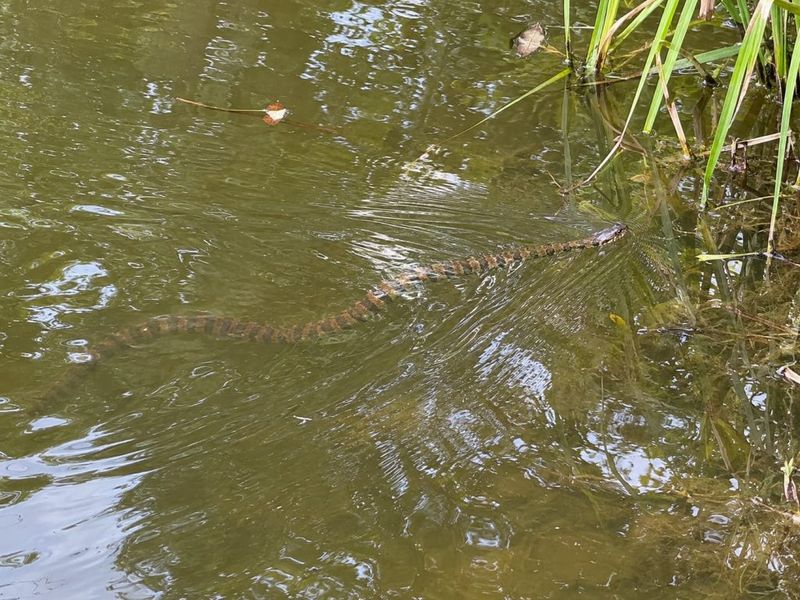
A cottonmouth at your Florida pond is telling you the pond looks like normal cottonmouth habitat, with the kinds of food, cover, and open banks these snakes can use. That does not mean your yard is dirty or that the snake has moved in for good.
Reading the clues in your pond edge can help you decide what to change and what to leave alone. Here is how to stay safe and cut down on close encounters.
Ponds are normal cottonmouth habitat
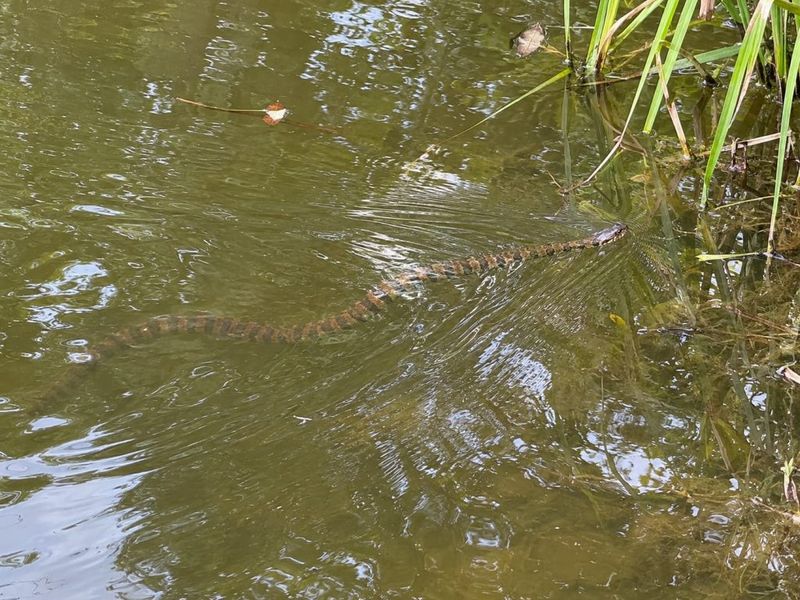
Seeing a cottonmouth by the water can feel alarming, but it is not unusual. The Florida Fish and Wildlife Conservation Commission lists ponds and retention ponds among the wet places where this snake occurs.
The Florida Museum adds that it may turn up near nearly any Florida wetland or waterway.
That gives you a useful baseline. A pond in Florida is the kind of place a cottonmouth can be expected, whether it is a backyard pond, a neighborhood retention pond, or a ditch that holds water most of the year.
One sighting does not mean your pond is poorly maintained. A tidy pond and a messy pond can both host a cottonmouth, so the snake is not a grade on your housekeeping.
It also does not prove the snake lives there for good. Cottonmouths occur widely across the state and can wander away from water, so the one you saw today may be passing through, or it may come and go over time.
Finally, a sighting alone is not a reason to call for removal. Wildlife that is simply present is not automatically a nuisance, and the steps in this article focus on keeping people and pets safe while the snake goes about its business.
With that grounded view, the next step is to look at what a pond edge can offer a snake, without pretending we can read one animal’s mind.
Food, cover, and sun can offer clues
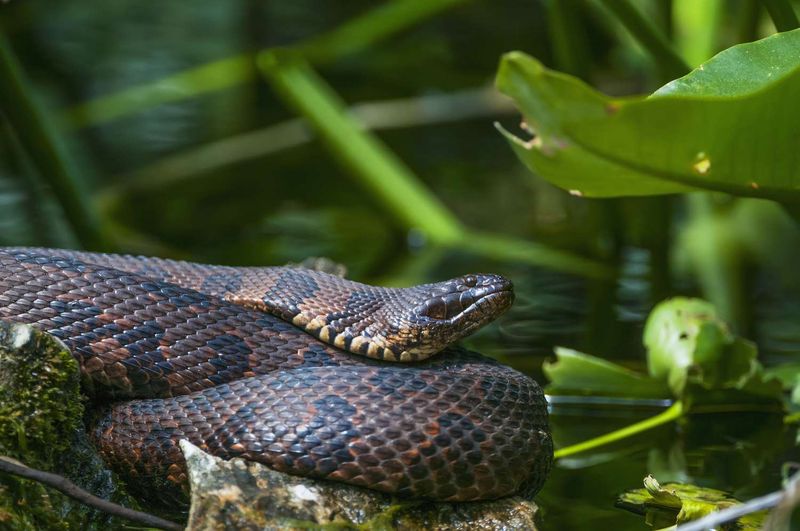
Cottonmouths eat a wide range of prey. The Florida Museum notes that fish, frogs, and small mammals are all on the menu, and that the snake uses wetland and waterside habitats.
A pond with fish and frogs, and rodents nearby, fits that picture.
Cover matters too. Thick grass, fallen limbs, brush piles, and tangled shoreline plants give a snake places to rest out of sight.
These features are common at almost any natural pond edge.
Sun may play a part as well. A bank that gets warm light is a possible basking opportunity, not a proven draw.
UF/IFAS Extension in Escambia County reports cottonmouths basking on low branches near water on cool mornings, and they can sometimes be seen active during the day.
Here is the catch. Food, cover, and sun are plausible clues about the setting, but they are not proof of why this particular snake showed up.
You cannot know whether it was hunting, resting, warming up, or just crossing through.
A practical way to use these clues is to look at the places where people sit, walk, and play. Ask what cover or food sits close to those spots, and focus your changes there rather than trying to solve the whole pond.
Keep your distance from a possible cottonmouth
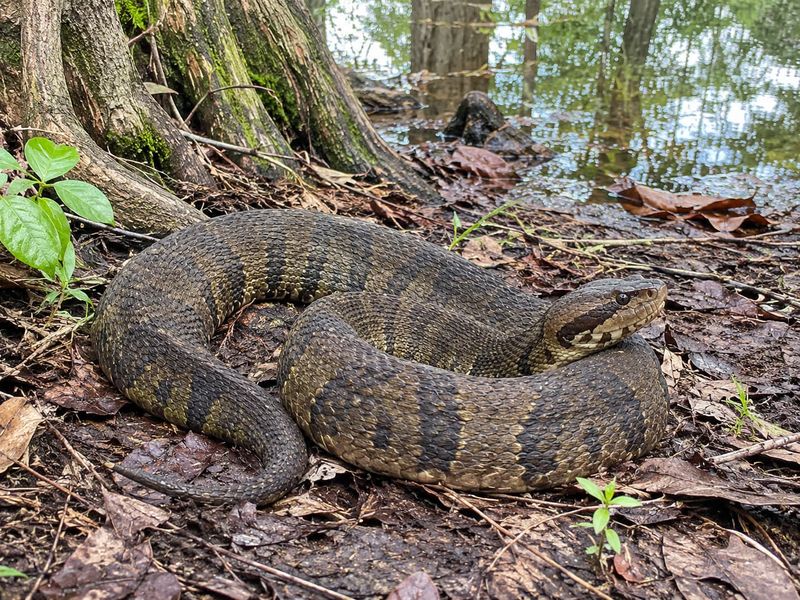
Whenever you spot a snake that might be a cottonmouth, keep people and pets away and watch only from a distance. Call children and dogs back first.
Then leave the snake alone.
You may wonder whether it is truly a cottonmouth. Florida has eight nonvenomous watersnake species that overlap with cottonmouths, and the Florida Museum warns that head shape alone is not a reliable way to tell them apart.
That is why you should never step closer to check the eyes, head, or markings. If you are unsure, treat the snake as venomous and give it room.
Cottonmouths are venomous and should be avoided, but they usually try to retreat when threatened. Opening the mouth is a defensive display, a warning rather than a sign the snake is chasing you.
If a bite ever happens, the same source advises immediate medical care, and Poison Control says not to try to catch or kill the snake.
A simple habit helps: walk the pond edge in daylight, watch where you step, and keep pets on a leash near the water until the snake has moved on.
Clear clutter and food from gathering areas

Your best results come from tidying the places people actually use. Around patios, paths, play areas, and buildings, UF/IFAS Extension points to simple fixes that cut down hiding spots for snakes and their prey.
Keep grass at a manageable height in these zones. Move firewood, lumber, and debris away from seating and play areas, and avoid ground-level clutter that gives a snake or a mouse a place to tuck in.
Food matters too. Spilled birdseed, pet-food scraps, and unsecured feed can bring rodents close to your home, so sweep up under feeders and store bags in sealed containers.
Here is a useful diagnostic clue. FWC says that recurring snake sightings around buildings may indicate rodents.
Treat that as a general hint about your yard, not proof that rodents drew a particular cottonmouth to the pond.
Try a quick walk-through at dusk with a flashlight. Look for piles, gaps under steps, and spilled food, then fix the ones nearest to where your family spends time.
These changes reduce the odds of a surprise meeting. They do not promise that a snake will leave, but they make your gathering spaces less inviting to snakes and the animals they might follow.
Keep the pond edge vegetated

Tidying a patio and clearing a shoreline are two very different jobs. Near the water, a living edge is worth keeping.
It can be tempting to mow right to the water or pull out every plant in hopes of driving a snake away. UF/IFAS advises against mowing right to the water, because it can damage habitat for frogs, turtles, and birds.
It also is not a reliable fix. A bare bank does not guarantee that a cottonmouth will stay away, and you could lose plants that hold the soil and shelter wildlife you enjoy.
A better plan is to leave a vegetated buffer along the water and keep the mowed lawn set back from it. Then focus your trimming and cleanup on the paths and seating areas people use.
For example, you might keep a clear, mowed walkway to a dock or bench while leaving native grasses and flowering plants on either side. People get a visible, open route, and the pond keeps its natural edge.
The goal is fewer encounters, not an empty shoreline. Landscaping can discourage use of one spot, but it cannot promise to exclude cottonmouths from a pond that is part of their normal range.
Leave removal and control to qualified help
Some homeowners wonder about fences. A small-area barrier may help keep snakes out of a limited space, such as a play yard, but UF/IFAS describes fencing as costly and maintenance-intensive, not a simple whole-yard fix.
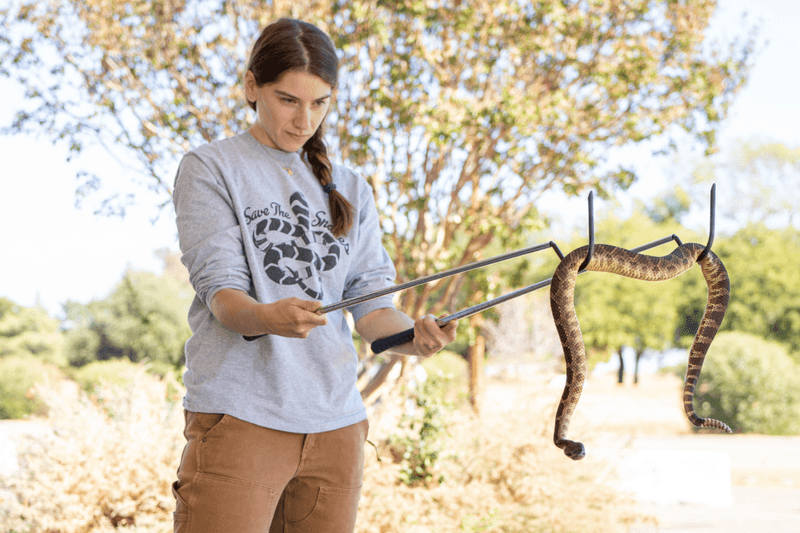
If the snake is venomous or you are not sure what it is, do not handle it. Contact a qualified wildlife professional rather than trying to catch, kill, or move it yourself.
For a snake that has been identified as harmless, UF/IFAS suggests gently directing it away with a hose from a safe distance.
Removal is also a last step. FWC says sightings alone do not make an animal a nuisance, and it recommends removal or relocation of native wildlife only after proactive measures fail.
Check the rules that apply to you and use qualified help.
Skip the quick fixes sold for snakes. UF/IFAS says repellents are not a viable control method.
Outdoor mothballs are worse, because UF/IFAS states they are not approved for this use and that using them this way is illegal.
Chemical home remedies can also harm pets, children, and the pond itself, without solving anything. Your time is better spent on distance, cleanup, and expert advice.
Get medical help after a suspected bite
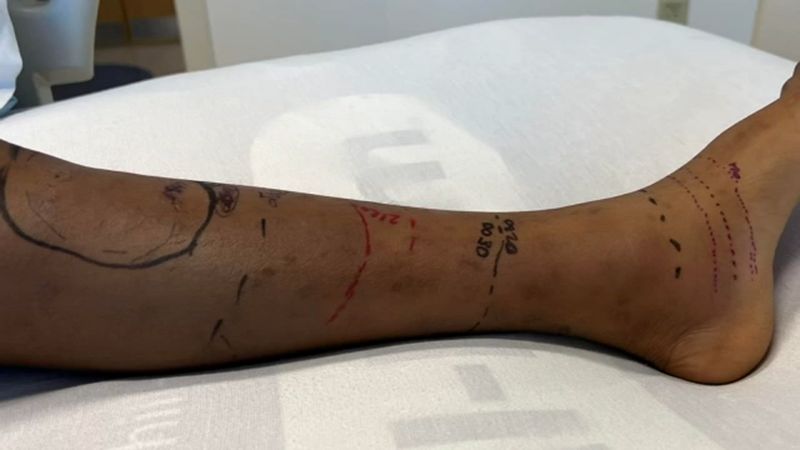
If someone may have been bitten, get expert medical advice promptly. Call 911 for a serious emergency, and reach Poison Control at 1-800-222-1222 for guidance.
Poison Control warns against several common myths. Do not use a tourniquet or ice, do not cut the wound, and do not try to suck out venom.
Do not risk a second bite by trying to capture or kill the snake. Move away from it, keep the person calm, and let medical professionals take over.
A short plan posted by the phone makes this easier in a hurry. Keep the numbers handy and make sure everyone in the house knows them.
Focus on fewer encounters
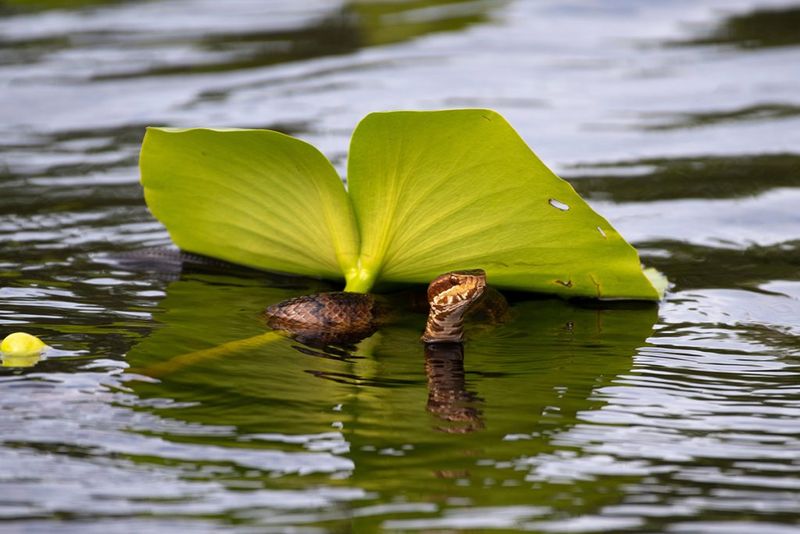
The plan is simple: give any suspected cottonmouth plenty of room, keep the places where people gather tidy, and let the pond edge stay alive. FWC’s cottonmouth profile shows how widely these snakes live, and its guidance on removal keeps relocation as a last resort.
These steps can lower encounter risk or discourage use of one area, but they cannot guarantee the snake will leave. A pond that suits wildlife will keep suiting wildlife, and a little caution goes a long way.