
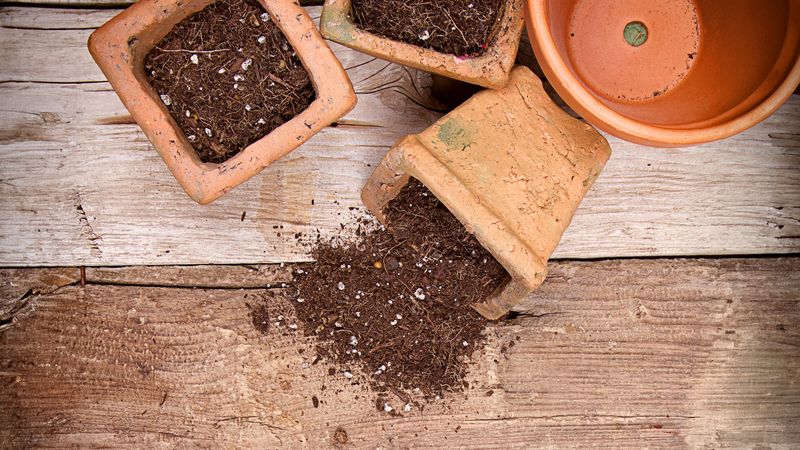
Clearing out summer containers leaves many Southern gardeners staring at a pile of used potting mix and wondering whether to toss it. Buying fresh bags for every pot adds up fast, so reuse is tempting.
The truth is that some mix can be refreshed, but some should go straight to the trash or compost pile. Here is how to tell the difference and what to do with the batches worth keeping.
Start with the plants that grew in it
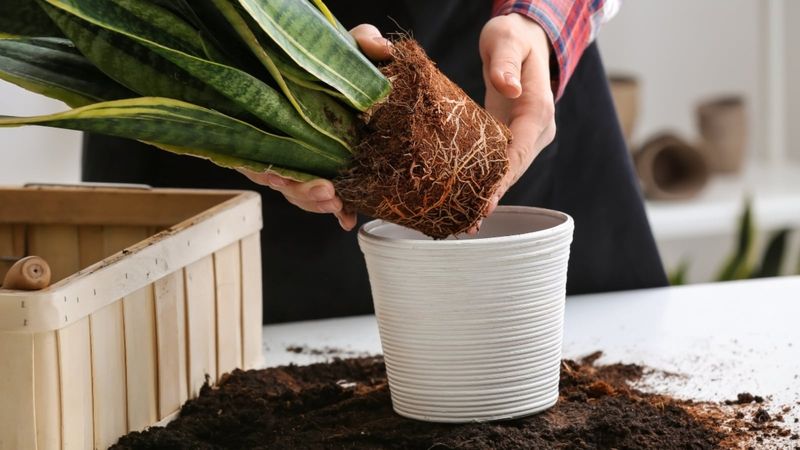
Before you scoop anything, think back to how the plants did. Oklahoma State Extension says mix from the past year or two can be reused if the plants grew well and showed no signs of disease.
Healthy growth and mix that still drains freely are your two green lights.
Mix from pots with wilting, rotting, or pest trouble is a different story. If you saw root rot, fungus problems, heavy weeds, or insect infestations, plan to discard that batch rather than gamble with next season’s plants.
Know that experts do not all agree. Georgia’s container gardening guide advises against reusing media year to year because performance can decline and disease may linger.
Texas A&M’s vegetable container guide also discourages a second season of vegetable production in the same mix.
So treat reuse as a judgment call, not a promise. Be extra careful with edible crops and seedlings, and when in doubt, start fresh in that pot.
Why old mix can lose its edge
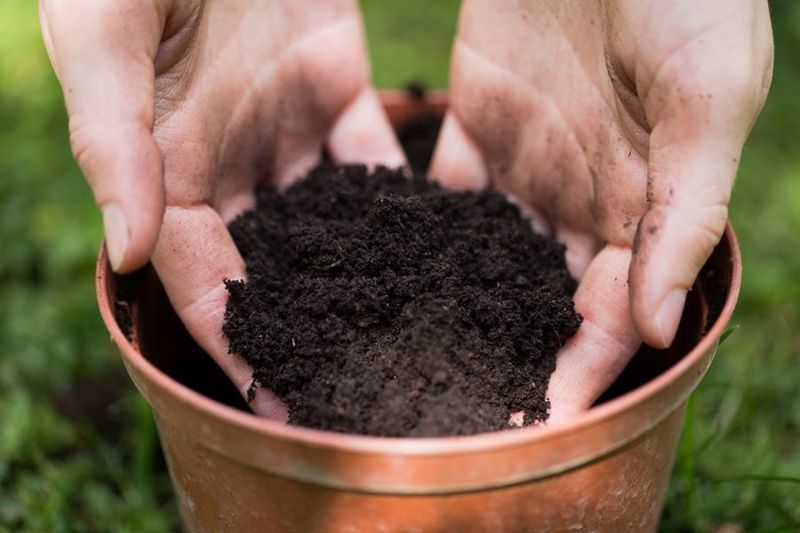
Picture a fresh bag of mix: fluffy, springy, full of tiny air pockets. After a long Southern summer of daily watering and hungry plants, that same mix often looks and feels different.
Plants pull nutrients out of the mix as they grow, and frequent watering can wash more of them away. Oklahoma State notes that nutrients leach or get used up and the mix can become compacted.
There is a second change you cannot see as easily. Iowa State Extension explains that airy, porous media help roots, and that organic parts such as peat or bark break down over time, which can shrink air space.
Not every batch ages at the same pace. A big pot with coarse, bark-rich mix may hold up better than a small pot of fine mix that stayed soggy.
That is why refreshing usually means restoring both nutrients and air space, and no single amendment does both for every mix.
Clear out roots and reject risky batches
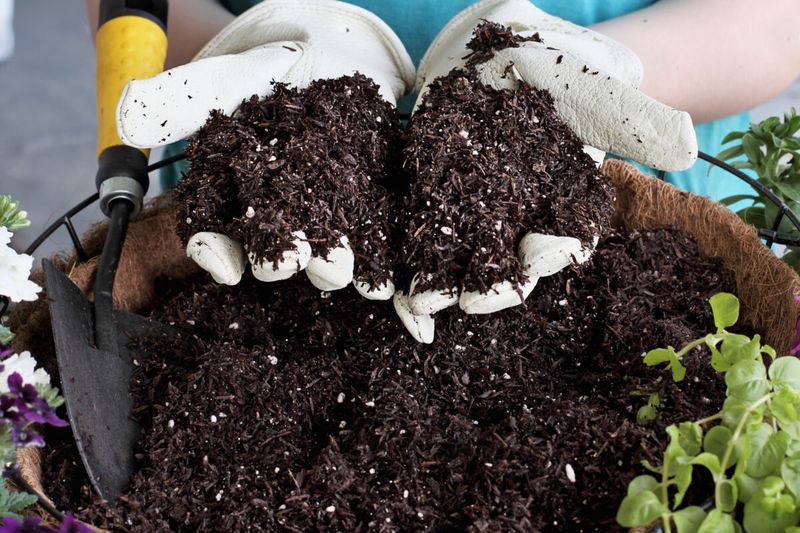
Grab a tarp or wheelbarrow and sort as you go. Pull out the old plant, then shake and pick out as many roots as you can, along with stems and debris.
Loosen what remains so clumps break apart. Oklahoma State’s reuse guidance recommends removing old plants and roots and loosening the mix before you refresh it.
Keep a separate pile for mix you do not trust. Wisconsin Extension specifically warns against reusing mix from houseplants with root rot, and the same caution makes sense for any pot with slimy, brown roots or a sour smell.
Resist the urge to leave suspect mix in the sun for an afternoon and call it clean. A quick sun-bake does not reliably make questionable mix safe.
Controlled solarization or heat treatment exists, but it takes careful steps and still may not rescue every batch, so discarding is often simpler.
Replace part of the mix, not every pot by rule
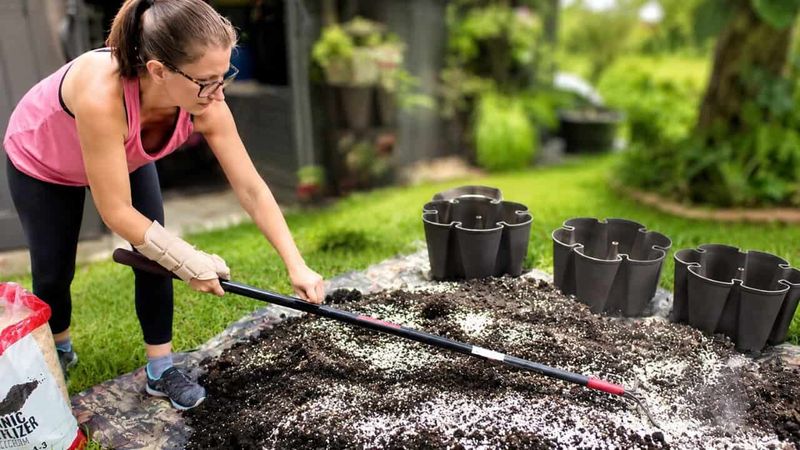
Once you have a good batch, the next job is mixing in something new. Extension advice offers a couple of paths, and they are not the same.
For larger pots, Oklahoma State suggests replacing roughly the top 6 inches and blending the fresh mix into the old. A Maryland Extension answer on Ask Extension offers another option: replacing about half the mix each year.
Think of these as two ways to reach the same goal, not a formula you must follow. A tall planter that grew a thriving shrub may only need a top refresh, while a shallow pot that stayed packed and wet may need more new mix, or all of it.
Blend rather than layer. Mix the new into the old so water moves through evenly, then squeeze a handful.
It should crumble loosely, not stay in a dense, muddy lump.
Add fertility without making compost the whole recipe
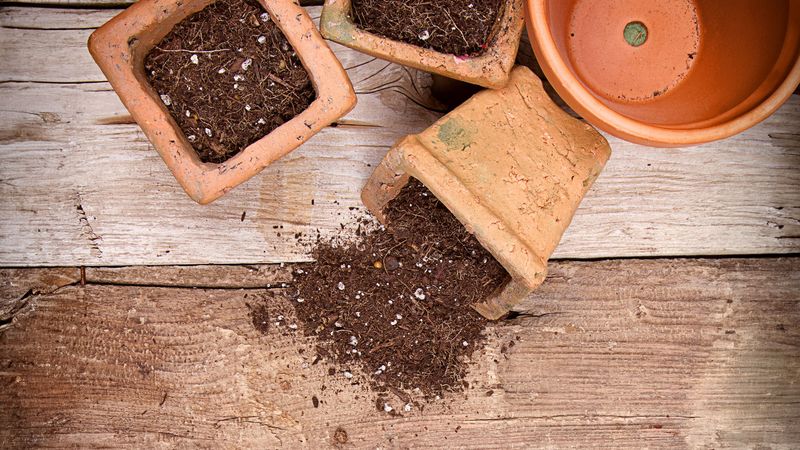
Even a good batch of reused mix has likely lost some of its nutrition. Oklahoma State recommends adding slow-release fertilizer according to its directions.
Read the product label and follow it, since amounts differ by product, plant, and pot size.
Mature compost can play a part as one ingredient in the blend. It adds some nutrients and organic matter, but it does not by itself restore structure or remove disease risk.
Do not fill a pot with compost alone. Texas A&M advises mixing compost with other amendments and warns that salts leaching from pure compost may damage roots.
There is no one dose or recipe that suits tomatoes, ferns, and succulents alike. Match your approach to the plant going in, and if you are unsure, go lighter and watch how the plant responds.
Make drainage the final reuse test
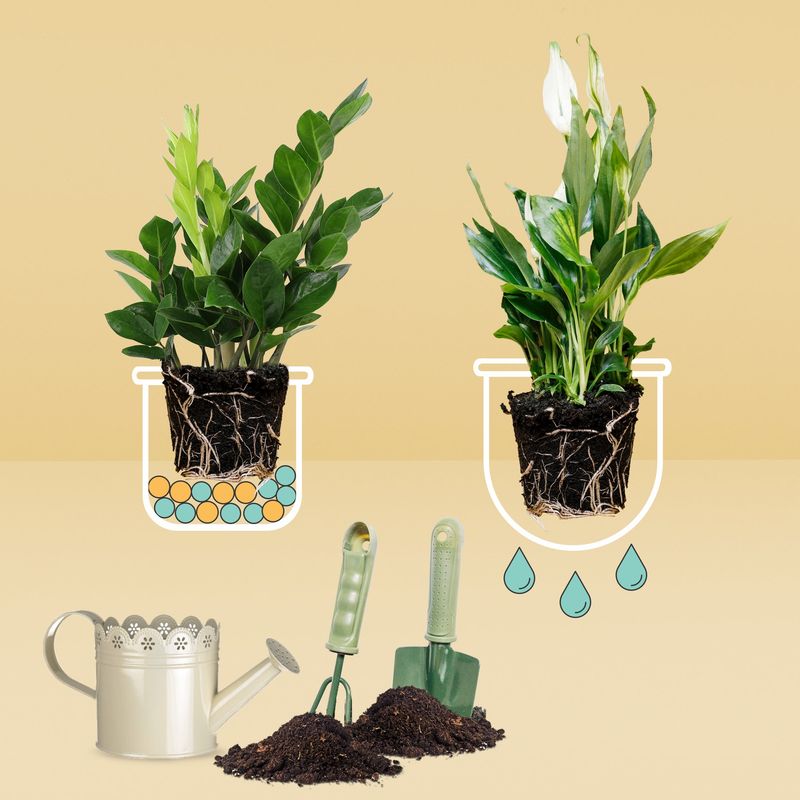
Here is a simple test before you plant: water the refreshed pot and watch the bottom. If water runs out steadily and the mix does not stay soggy for days, that is a good sign.
Only reuse mix in containers with adequate drainage holes. Oklahoma State’s container gardening fact sheet stresses drainage, and Wisconsin Extension notes that poorly drained, constantly wet media can contribute to root disease.
If water pools on top or the mix turns into a dense paste, it has probably lost too much air space. Since Iowa State explains that roots benefit from porous media, that batch may need more new mix or should be retired.
Small containers and plants with special mix needs, such as orchids or cactus, are less forgiving. Do not assume one amendment fits every plant, and start fresh when a pot is fussy.
Make fall cleanup a head start, not a planting deadline
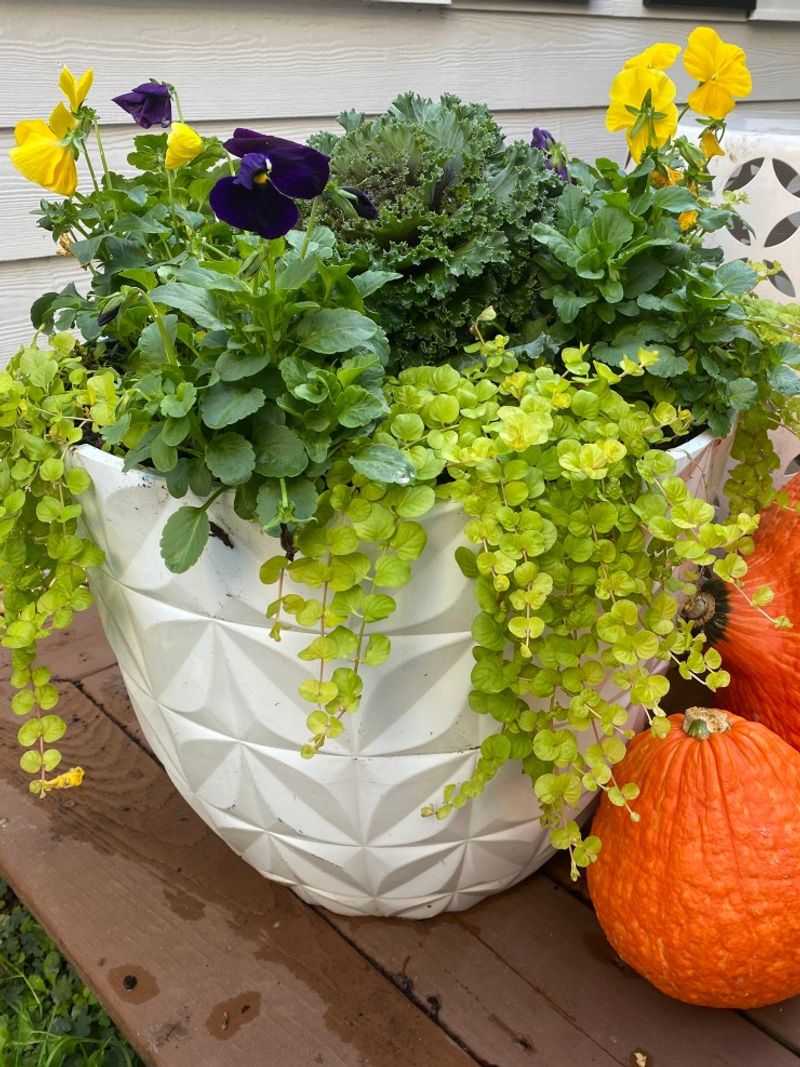
Use cleanup days to sort every pot: keep the healthy, well-draining mix, discard the suspect batches, then refresh what you keep. Store it in a covered bin so it stays ready.
Do not assume empty pots must sit until spring. Georgia’s container guide describes seasonal plantings, including fall displays, and in many Southern areas cool-season color or greens can go right into refreshed pots.
Good mix is worth keeping, but a healthy plant is worth more than a saved bag.