
Many North Carolina fences wear a green blanket of English ivy, and it looks harmless enough. But that imported vine can slip over the fence and into nearby woods.
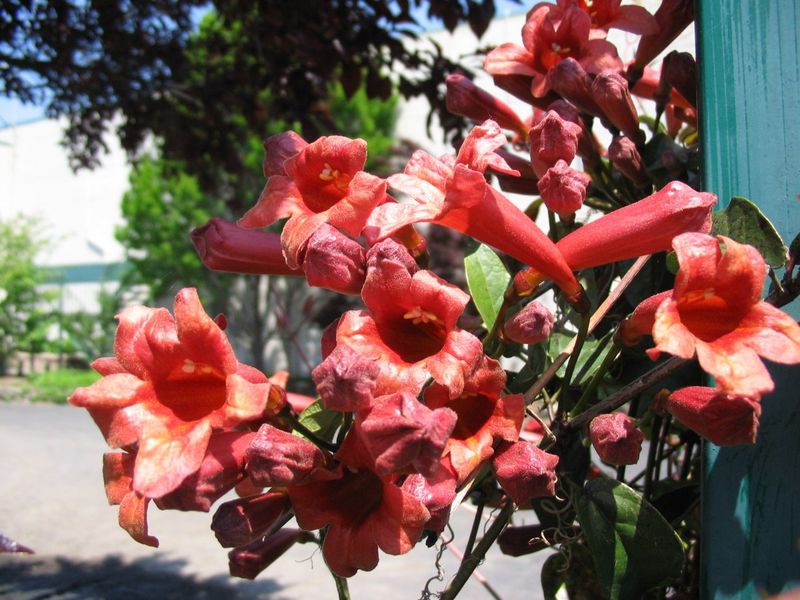
Crossvine is a native climber with orange-red trumpet flowers that hummingbirds can use for nectar. It comes with some real trade-offs, so here is what to know before you plant.
Why reconsider English ivy on a North Carolina fence?
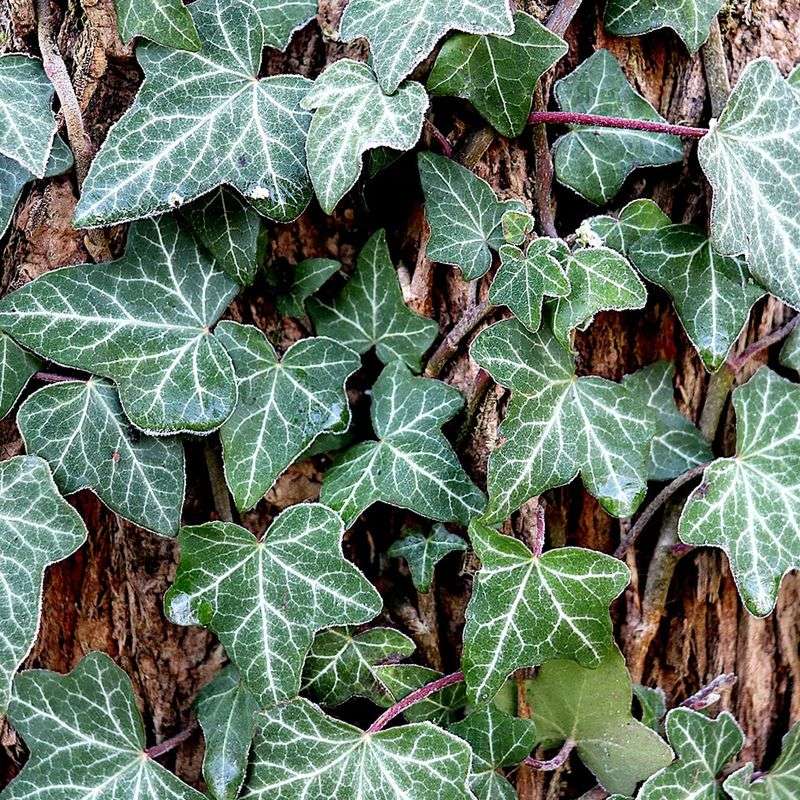
Plenty of fences in the Piedmont, mountains, and coastal plain wear English ivy because it is cheap, easy to find, and stays green. Yet NC State Extension lists English ivy (Hedera helix) as invasive in North Carolina, and the North Carolina Forest Service tracks it among the state’s invasive plants too.
The concern is what happens beyond your property line. According to NC State, English ivy can spread into forests, smother native seedlings, and climb trees.
That matters if your fence backs up to a wooded lot, a greenway, or a creek bank where birds can carry berries and fragments can take hold.
It can also be hard on buildings. NC State notes it can damage some building surfaces, so ivy that starts on a fence and wanders onto siding, brick, or mortar can turn into a repair job.
None of this means every ivy patch is an emergency. It does mean the choice is yours to revisit, especially if you want a yard that supports native wildlife instead of competing with it.
A native climber will not solve every problem, but it keeps your fence from feeding a plant that North Carolina authorities want kept out of natural areas.
If you have ivy now, a swap is a gradual project rather than a weekend fix. Start by deciding which stretch of fence is a good home for something new.
Meet crossvine, a native climber that needs room
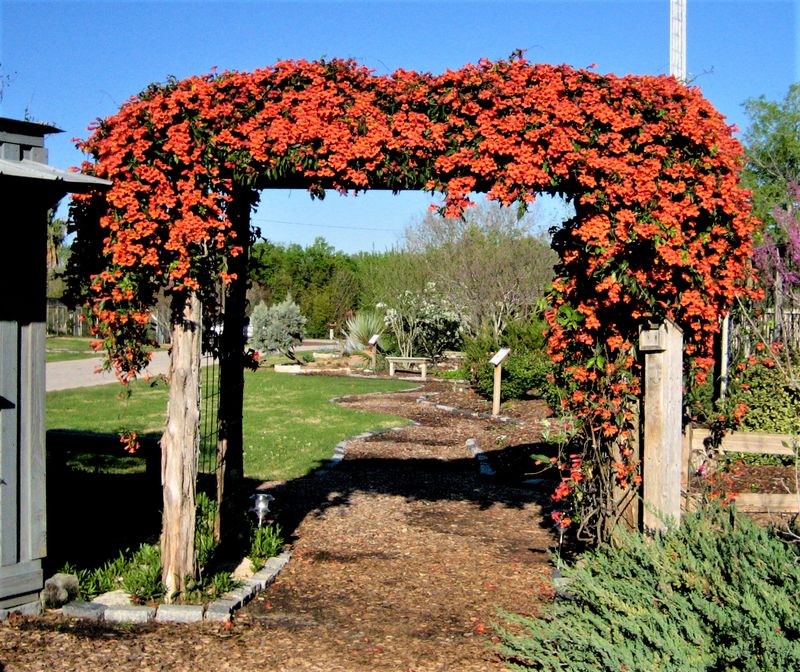
Crossvine (Bignonia capreolata) grows wild across the Southeast and south-central United States, so it belongs in our woods and on our fences in a way ivy never will. NC State Extension lists it as a native alternative to English ivy and describes it growing on fences.
Note that it is native to a wide region, not just North Carolina.
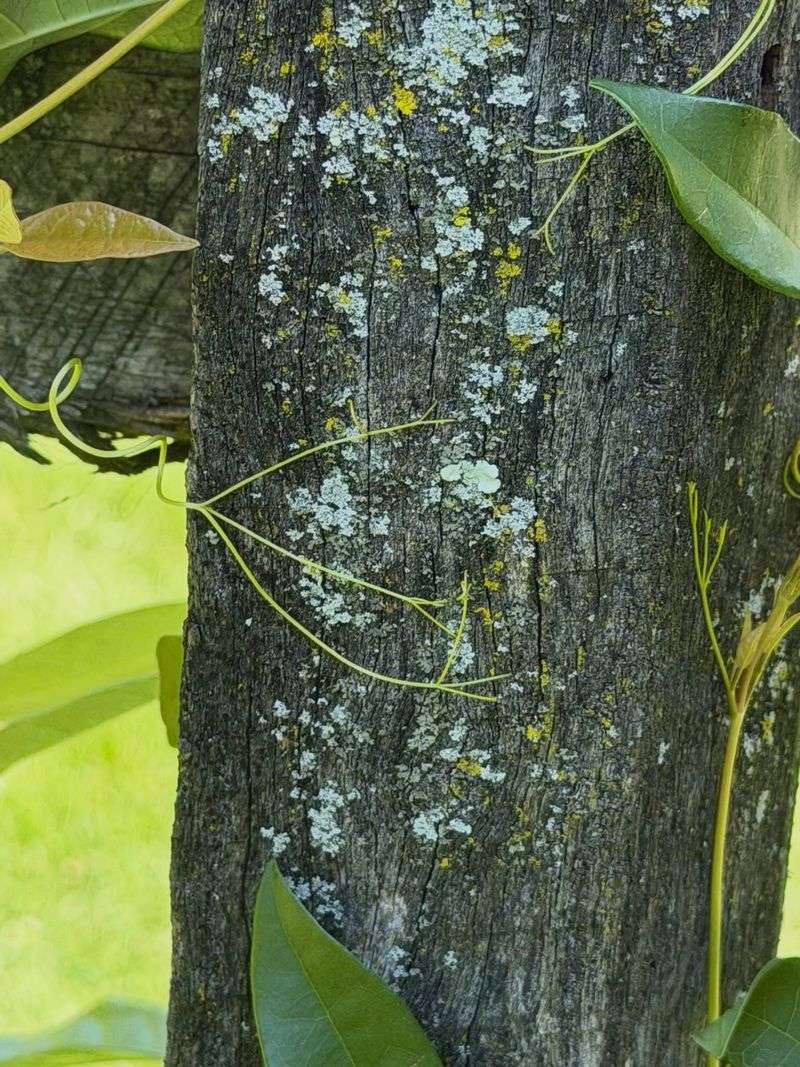
This vine climbs with branched tendrils that wrap around supports. A wire, lattice, or open slat fence gives those tendrils something to grab, while a smooth solid panel offers little to hold.
Here is the part that surprises people: native does not mean small. NC State lists a potential height of 30 to 50 feet.
A short backyard fence will not stop it, and the vine may reach for nearby posts, gutters, shrubs, or trees if they are within range.
So think of crossvine as a big, energetic plant that needs a purpose and a plan. It suits a long sturdy fence where you welcome a lush wall of foliage and can handle some trimming.
It is a poor match for a tiny space where you want something tidy and quiet.
Before buying one, walk your fence line and picture a vine several times taller than the fence itself.
How green will crossvine stay in winter?
A leafy fence in January is the big draw, but crossvine does not promise it. NC State describes the plant as both evergreen and semi-evergreen, which tells you winter foliage varies from place to place and year to year.
The USDA plant guide calls crossvine semi-evergreen and notes it may lose its leaves in especially harsh winters. In a mild coastal winter you may see plenty of leaves.
In a cold snap in the mountains or Piedmont, the vine may look thinner or bare in spots.
There is a bigger worry in severe winters. NC State says extreme cold can kill the top growth back to the ground, even when the roots survive.
A fence that looks dead in February may sprout again once the weather warms.
A simple check helps. If stems are brittle and brown but the base is firm, wait through spring before pulling anything out.
New growth often shows you what made it.
The realistic goal is a vine that is often leafy in winter, not a guaranteed green wall. If you need full screening every day of the year, plan for some gaps.
Its flowers offer a seasonal nectar source
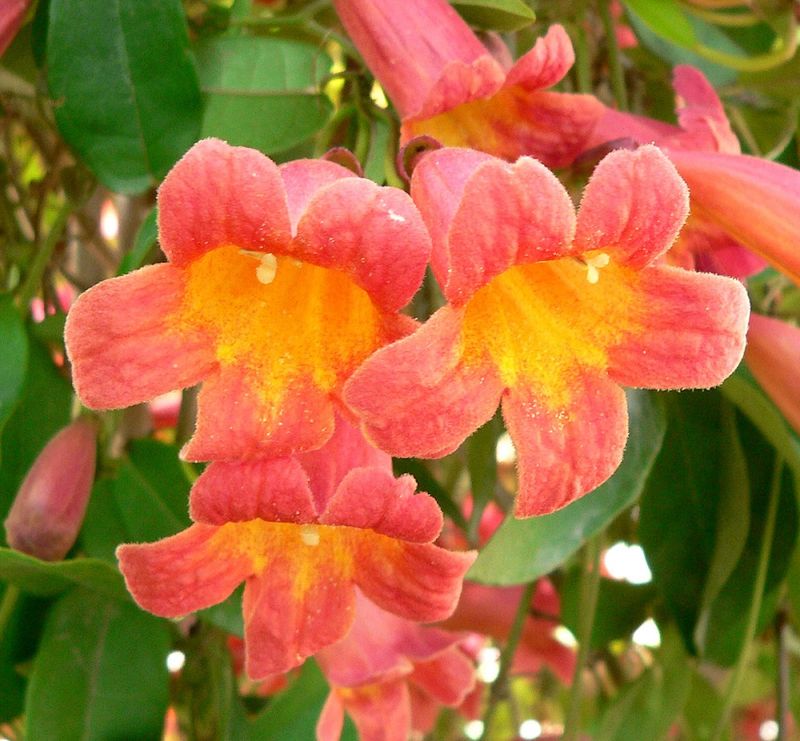
When crossvine blooms, the show is hard to miss: clusters of trumpet-shaped flowers in rusty orange and red. Those flowers are a nectar source for hummingbirds, which is a big reason gardeners plant it.
Timing is where sources differ a little. NC State’s plant page describes bloom from late winter to early spring, while its bird-habitat guide lists April to May.
The best way to read this is that bloom is seasonal and varies with your location and the weather that year.
That same guide says most ruby-throated hummingbirds leave North Carolina by mid-October and return in late March. So crossvine may overlap with hummingbirds coming back in spring, but it will not necessarily feed the first arrivals everywhere, and it will not supply nectar through the whole migration.
Treat the flowers as one useful stop on a bird’s route rather than a guarantee of visits. Pairing crossvine with other native nectar plants that bloom at different times gives birds more to work with across the season.
Also remember that crossvine blooms on new wood, so heavy pruning at the wrong time may trim away flower buds.
Match the vine to the fence and site
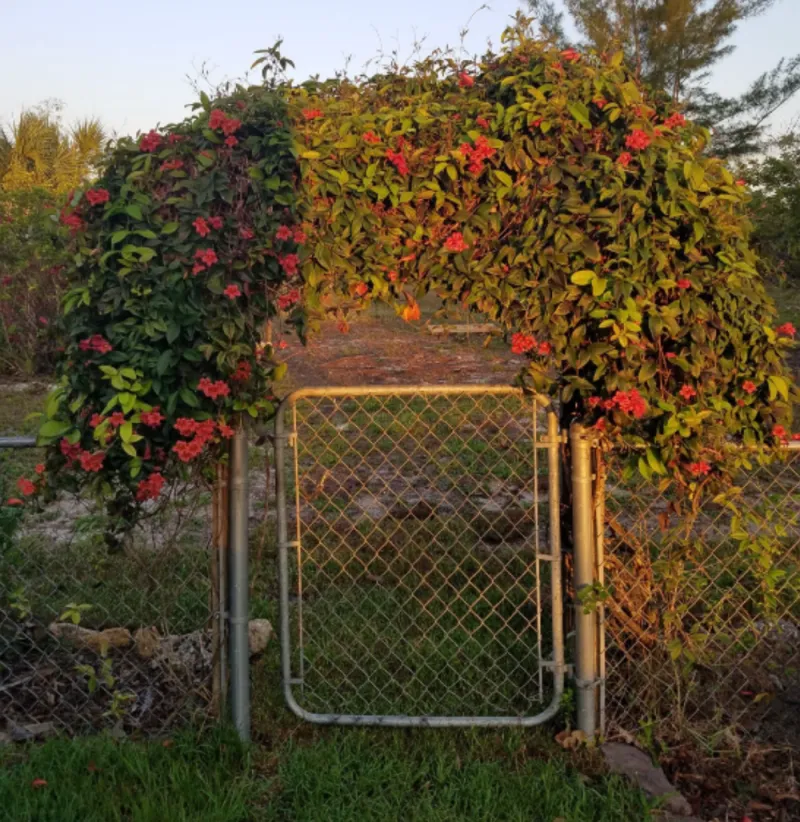
Crossvine is fairly flexible about light. NC State says it grows in sun to shade, but it flowers better with more sunlight.
A fence that gets good sun will likely give you more of those hummingbird-friendly blooms than a shady one.
Soil is the next question. The plant prefers organically rich, well-drained ground, and it tolerates a range of conditions, including coastal conditions.
That makes it worth a look for fences near the coast, where many plants struggle.
Use the fence itself as part of your decision. Because the vine climbs by wrapping tendrils, an open design such as wire, lattice, or slats works with its habit.
Pick a fence that is sturdy, since a mature vine can get heavy and large.
Walk the spot at midday and note how much sun it gets. Look at how the soil drains after rain.
Then check what is nearby, since a vigorous climber may head for anything it can reach.
A sunny, well-drained fence with room around it is the best match. A cramped or heavily shaded site is likely to give you a leafier but less flowery vine.
Manage its vigorous spread
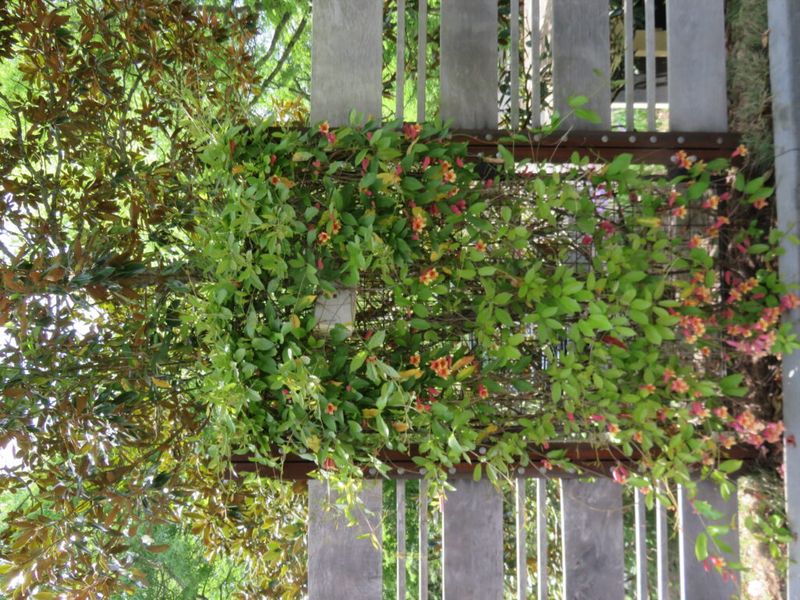
Replacing an invasive with a native feels like the end of the story, but crossvine still needs a watchful owner. NC State calls it vigorous and says it can spread by root suckers and by seed.
That means new shoots can pop up some distance from the main plant, and seedlings can show up in nearby beds.
NC State advises removing unwanted suckers when they appear. Check the ground around the fence every few weeks in the growing season, and pull or cut new shoots before they settle in.
Pruning helps too. USDA guidance notes that pruning can reduce unwanted spread.
Still, pruning will not guarantee containment, and it does not end the need for attention.
A few habits make the job easier. Keep tools handy near the fence.
Look for seedlings under and beside the vine. Watch for stems reaching toward gutters, trees, or a neighbor’s yard.
If you do not want to spend time on a vine that keeps asking for attention, this may not be the plant for you. If you enjoy a bit of steady tending, it can be a rewarding fence companion.
Keep crossvine out of the defensible space nearest your home
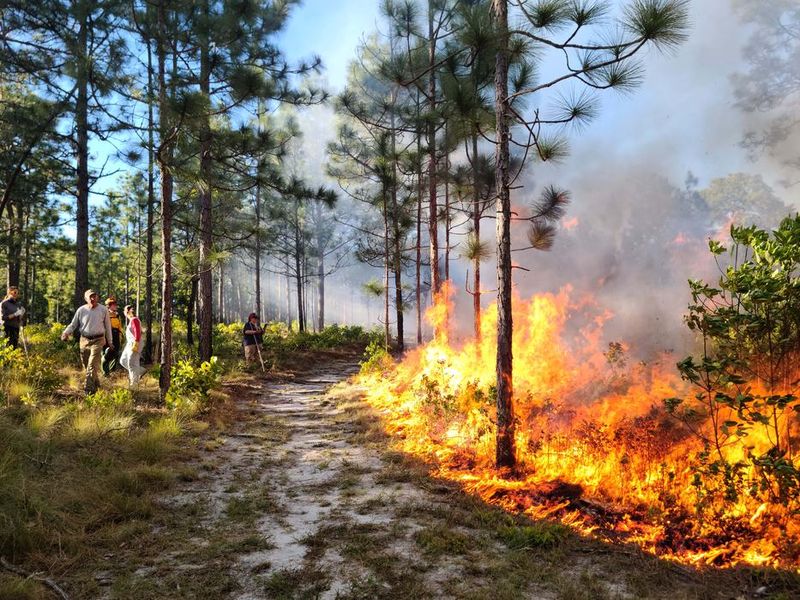
Fire safety is not just a western concern. NC State rates crossvine as highly flammable and advises against planting it in the defensible space nearest a home.
That turns the fence question into a siting decision. A fence that runs right alongside the house, deck, or a wooden outbuilding may not be the right place for this vine, even if the sun and soil are perfect.
The guidance does not give a set distance, so we will not make one up. The practical step is to think about where your home’s closest zone is and keep crossvine out of it.
If you are unsure, your local Extension office or fire department can help you think through the layout of your lot.
Not every fence location is appropriate. A back fence far from structures is a better candidate than one pressed against the house wall.
If your best-looking fence is also the one nearest your home, a different native plant may suit that stretch better. Save the crossvine for the spot where its habits are an asset, not a risk.
Choose crossvine where its strengths fit
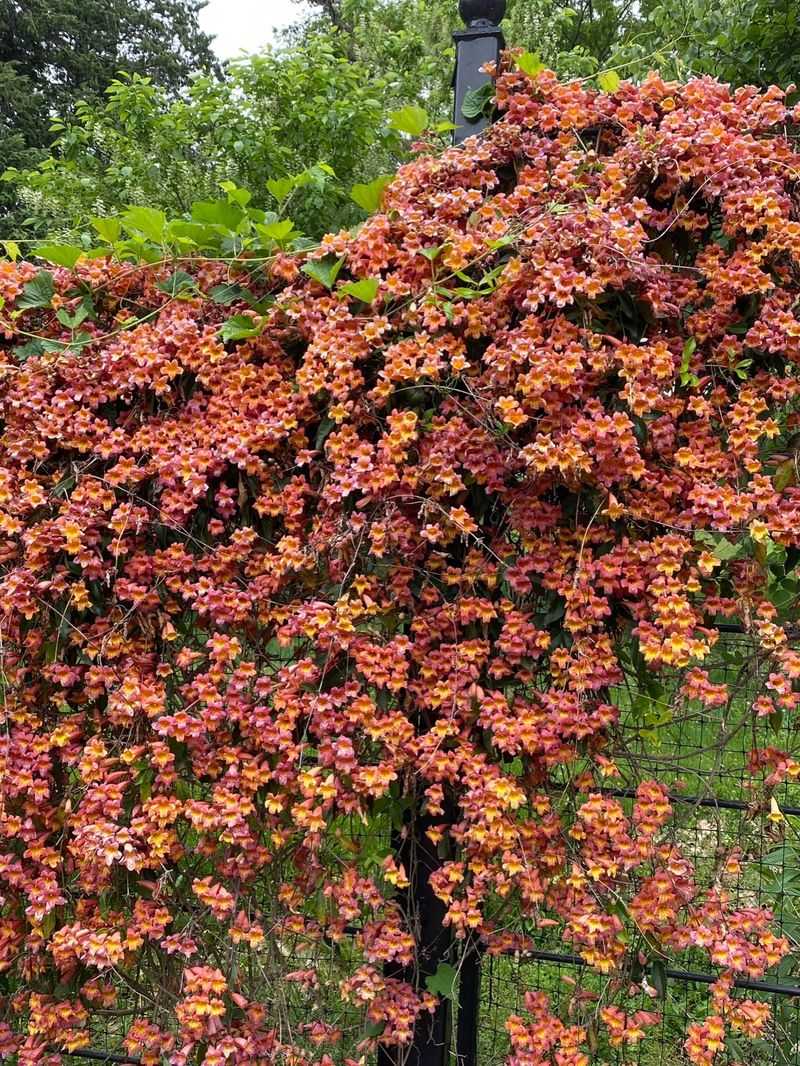
Crossvine earns its place as a native fence climber with trumpet flowers that hummingbirds can use for nectar. Winter leaves vary, the vine grows big and fast, unwanted suckers and seedlings need attention, and NC State’s high-flammability rating calls for careful siting.
Give it a sunny, sturdy fence with room to roam, and it may reward you for years. A good vine is one that fits its place.