
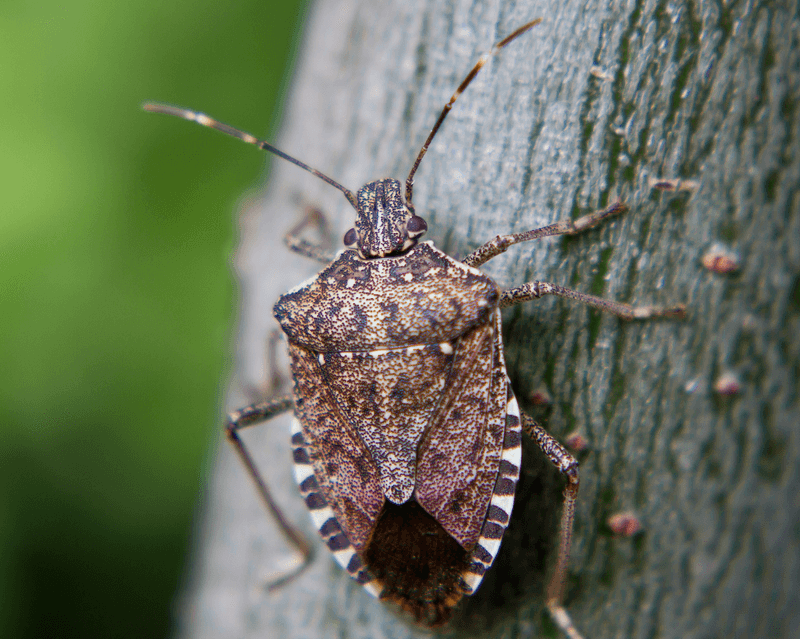
Maybe you opened a window screen this fall and found a shield-shaped bug clinging to it. Some stink bugs do show up around homes in autumn, but not every one you see is the same kind, and not every one is a pest.
A cheap two-ingredient spray sounds like an easy fix, yet it does not hold up as a lasting repellent. Here is what to do instead, from telling species apart to sealing gaps at the right time of year.
Why brown marmorated stink bugs seek buildings in fall
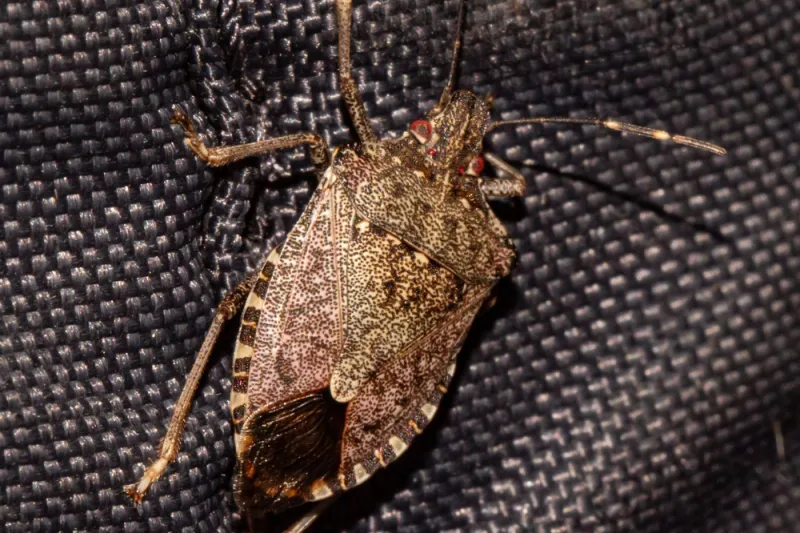
Adult brown marmorated stink bugs, often shortened to BMSB, look for protected spots to spend the cold months. In fall, that search can lead them to sunny walls, windows, and porches and then into cracks and gaps in buildings.
The good news is that they are more of a nuisance than a threat. Adults do not bite, and they do not damage the wood or other materials in your house.
The catch is the smell: crushing or agitating one can release an unpleasant odor, so swatting is a bad idea.
This habit belongs to BMSB specifically. A stink bug on your porch rail is not automatically this species, and it does not mean the South is overrun.
UF/IFAS describes Florida records as mostly isolated, so seeing a few bugs is not proof of a big infestation. Look closely at the insect first, and the next steps get much easier to choose.
Identify the stink bug before acting
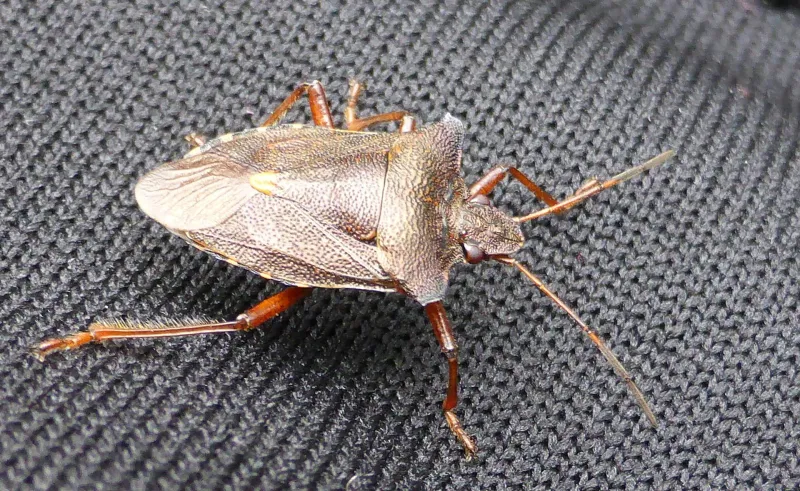
Stink bug is a catch-all name for many species. Some feed on garden plants, while others hunt the caterpillars and beetles that chew on them.
UF/IFAS lists Florida’s predatory stink bug as a helpful insect, so swatting or spraying every one you see could remove a garden ally.
Take a photo and compare it with a trusted guide. The Texas A&M AgriLife Extension insect pages show several different stink bug species, and your county extension office can help if you are still unsure.
Location matters too. UF/IFAS reports that BMSB records in Florida are mostly isolated, plus a localized population in Lake County.
So a Florida stink bug on your tomato plant is quite possibly something else. Knowing which one you have keeps you from fighting the wrong battle.
A kitchen spray is not a proven repellent
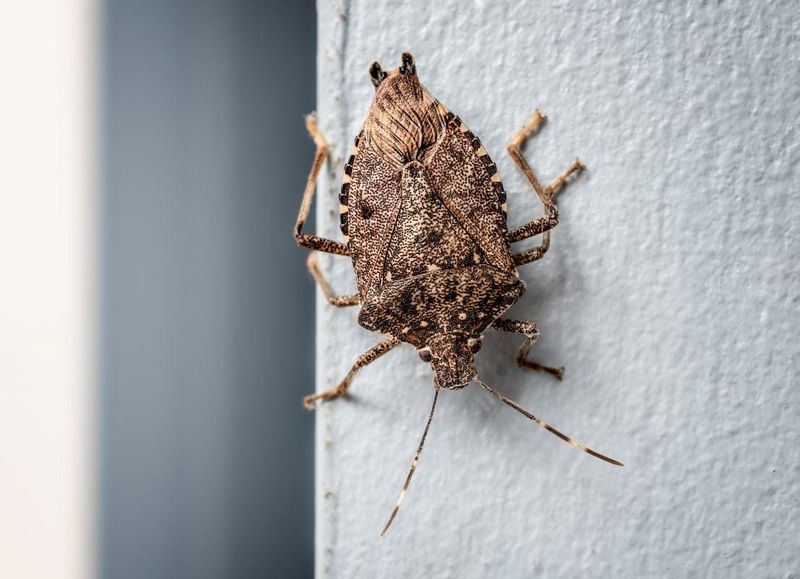
Here is the honest answer on the two-ingredient spray: nothing shows it sends stink bugs away or stops them from coming back. A spray that hits a bug, or washes it off a surface, is a different thing from a repellent that keeps bugs from returning.
University of Maryland Extension says a stream of water can dislodge BMSB outdoors, but they will probably return. Soapy water earns its place in a different job: drowning bugs you have already captured.
Even store-bought soap sprays have limits. A review of BMSB research reported under 30% adult mortality for ready-to-use insecticidal-soap products in cited tests.
That result is about those products, not every homemade recipe, and it is not a measure of repellency. Still, it is a good reason to be skeptical of any spray that promises dependable results.
Remove bugs without crushing them

Once bugs are inside, gentle capture works best. NC State Extension suggests scooping them into a jar and freezing them, or dropping them into a dish of soapy water to drown.
A dedicated hand vacuum is another option. Use one just for this job, since a vacuum that picked up stink bugs may smell afterward, and freeze the collected bugs rather than leaving them in the canister.
Outside, a blast from the hose can knock bugs off siding or a porch ceiling. That only moves them for the moment; as the Maryland guidance notes, they will probably come back, and new ones can arrive.
Treat removal as cleanup, not protection. Keep a jar and a small dish handy near the windows where bugs gather, and the job takes seconds.
Household mixtures can injure garden plants
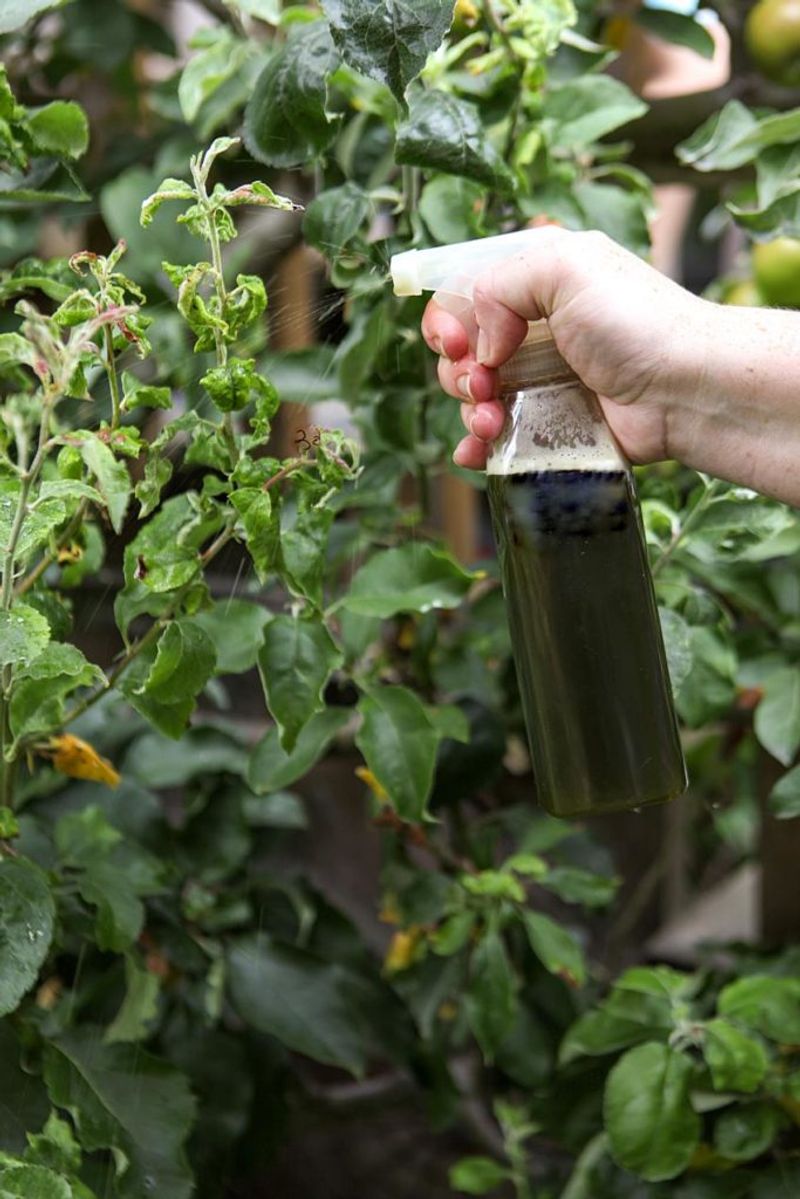
Kitchen ingredients feel gentle, but that does not make a spray safe for your tomatoes or peppers. Dish soap is usually detergent, not the formulated insecticidal soap sold for pest control.
Iowa State Extension says detergent’s effects on pests are limited and variable, and it is more likely to injure plants.
Homemade mixes also vary. A little more detergent than planned, or a hot sunny afternoon, can leave leaves scorched and spotted.
Vinegar is no safer. UF/IFAS cautions that it can burn plant tissue, and it advises against using unregistered household products as makeshift pesticides.
If a stink bug is on a plant you care about, pick it off by hand into a jar of soapy water instead of spraying the leaves.
Seal openings before the next fall season
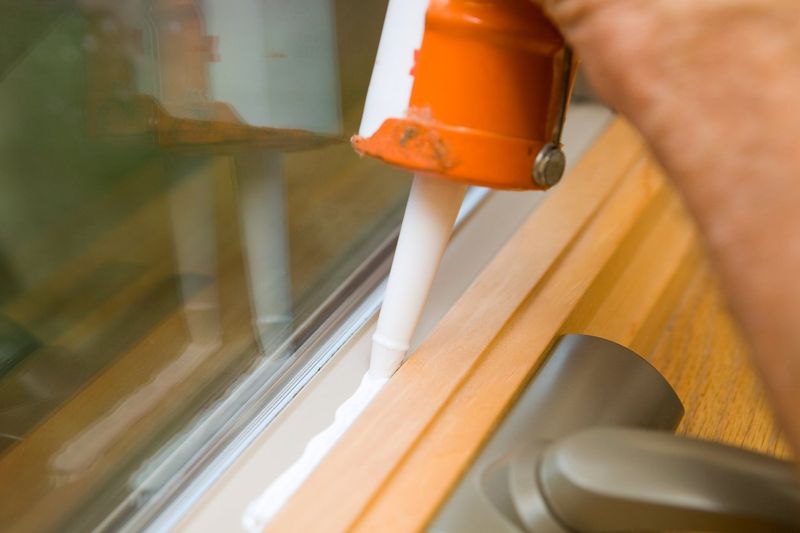
Prevention beats chasing bugs one by one. NC State advises repairing screens and sealing cracks and other openings in summer, before BMSB return in late August.
Timing matters. Sealing a home in fall, winter, or early spring may trap bugs inside, where they can wander out on warm days.
If it is already late in the year, stick with capture and removal, and put the sealing on next summer’s list.
If you ever consider a registered pesticide, read the label first. The EPA explains why labels matter, since they spell out approved sites and directions.
Identify first, remove gently, skip the homemade spray, and seal in summer. None of this guarantees a stink-bug-free home, but it tilts the odds.
A tight screen is quieter than any spray bottle.