
That neat row of juniper hugging your foundation may look tidy, but it is packed with oily, resin-rich needles and dead twigs that can catch fire fast. Fire agencies across California often call juniper one of the riskiest plants to keep near a home.
The good news is that plenty of native shrubs stay green, feed bees and birds, and hold more moisture when kept watered and trimmed. Here are eight swaps that can make your yard safer without making it boring.
1. Island Alum Root and Coral Bells
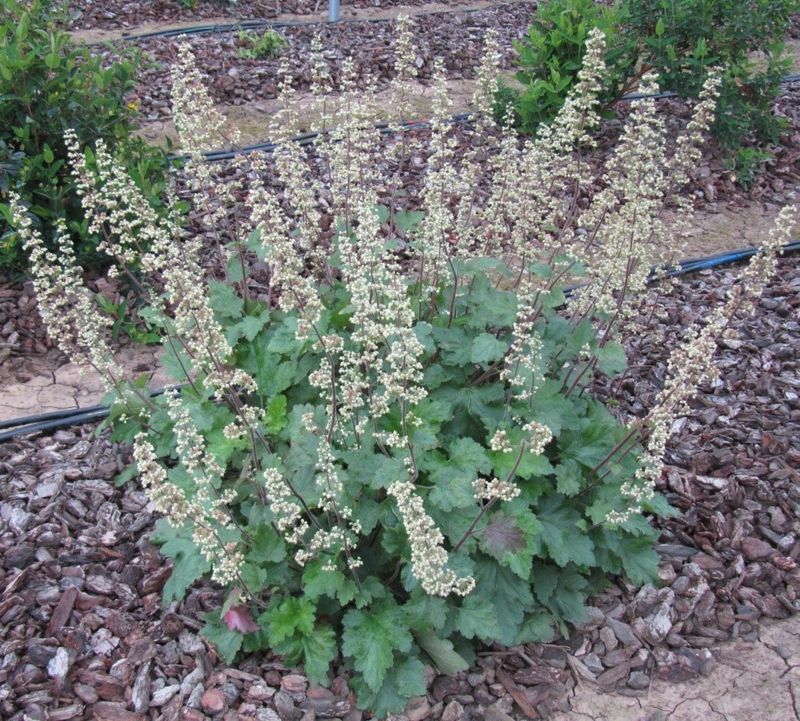
Picture a foundation bed that looks lush in April and barely asks for anything in August. Island alum root, a Channel Islands native, forms soft, leafy mounds just a foot or so tall, with airy flower spikes that hummingbirds visit constantly.
Its broad, fleshy leaves hold water far better than juniper’s needles, and it builds up very little dead litter. That low height keeps it well below windows and eaves, which matters inside the first five feet of your home.
Plant it on the north or east side where afternoon sun is softer. Give it an occasional deep summer drink, and snip spent flower stalks in fall to keep the bed clean.
2. Creeping Sage (Salvia sonomensis)
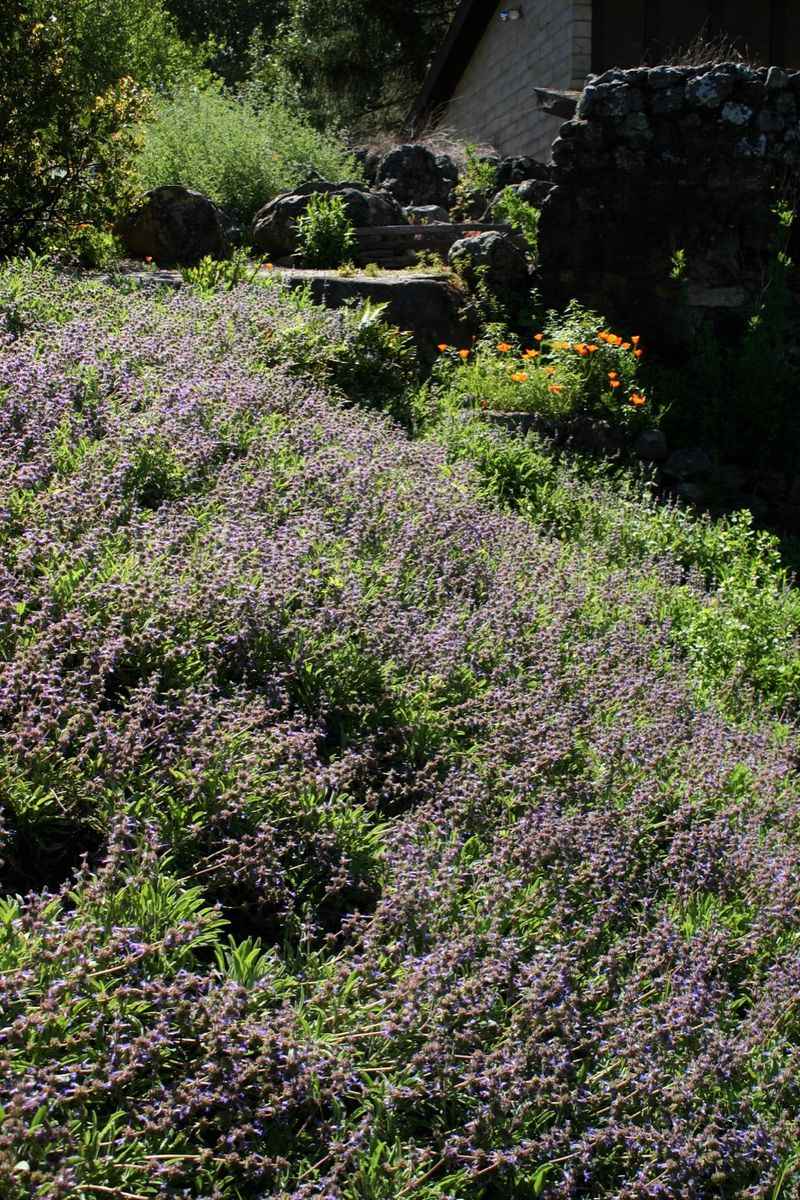
Tired of trimming spreading juniper off the driveway? Creeping sage does the same groundcover job, rolling out into a low silvery mat usually under a foot tall.
In spring it covers itself in blue-violet blooms that native bees seem to love. Because it stays short and dense, it tends to leave little ladder fuel for flames to climb.
One honest caution: like most sages it has aromatic oils, so keep it a bit farther out, roughly 5 to 30 feet from the house, and water lightly through summer. A low-water mat that stays plump is far safer than a crispy one.
3. California Lilac Groundcover (Ceanothus ‘Yankee Point’)
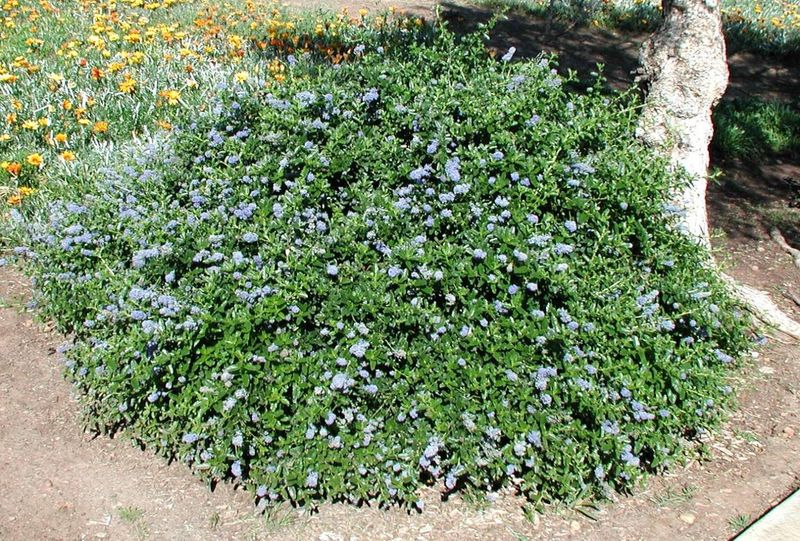
When this one blooms in late winter, neighbors stop on the sidewalk. ‘Yankee Point’ is a low, wide ceanothus with glossy leaves and a flood of bright blue flowers that pull in bees by the hundreds.
Unlike juniper, it does not pile up an inner layer of dead needles. It stays around two to three feet tall and spreads sideways, making it a handsome slope or border replacement.
Skip summer overwatering, since ceanothus can rot in soggy clay. Light pruning right after bloom keeps it tidy and removes any woody dead bits that could hold heat.
4. Lemonade Berry
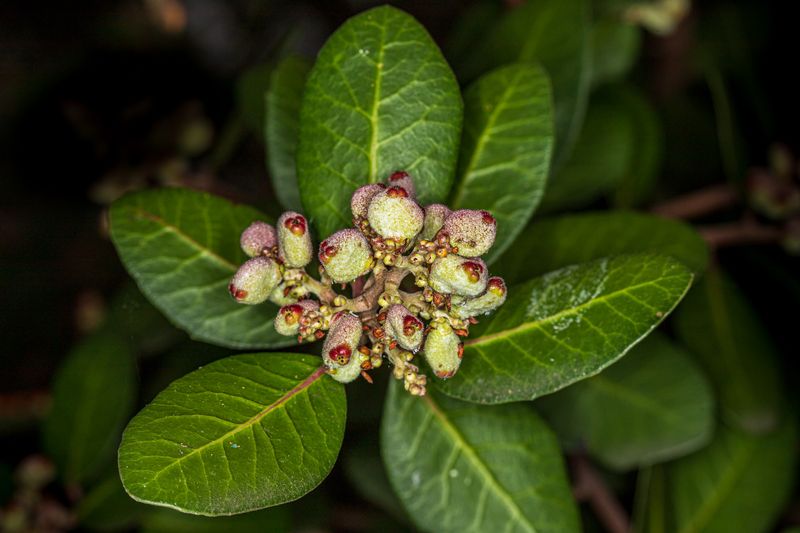
Old-timers in Southern California used to soak its sticky red berries in water for a tart, lemony drink. That is how lemonade berry got its name, and it still feeds plenty of birds today.
Its thick, leathery leaves stay green through drought and are often listed among the more fire-resistant natives for SoCal hillsides. It can be shaped into a hedge, making it a smart stand-in for an upright juniper screen.
Place it in Zone 1 or Zone 2, at least 10 feet from walls, and keep the base clear of dead leaves. It handles coastal wind, poor soil, and heat without fuss.
5. Toyon
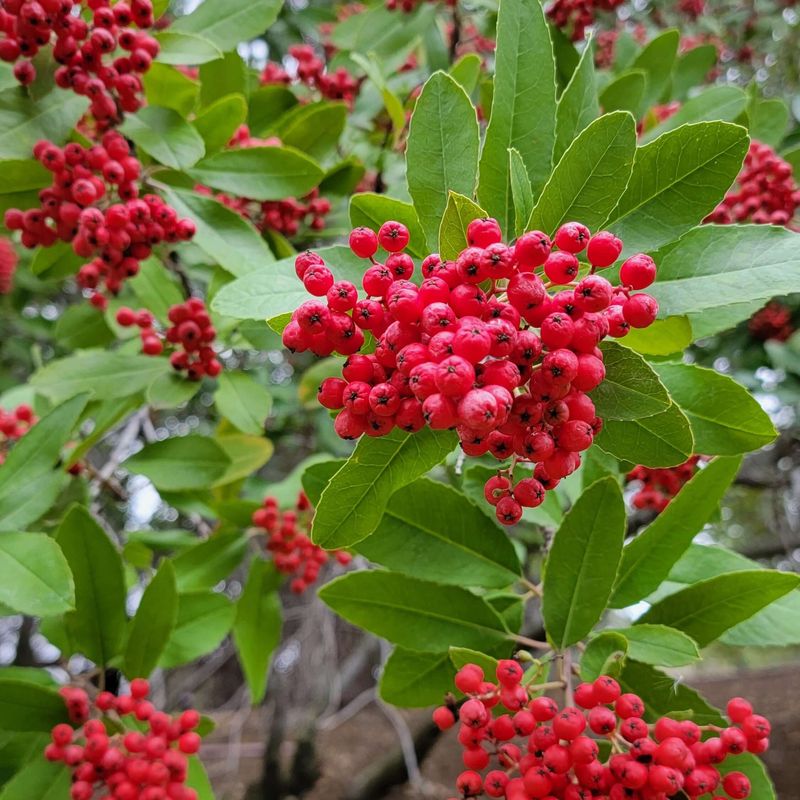
Hollywood is said to be named after this plant, once called California holly. Toyon brings glossy evergreen leaves, summer flowers, and bright red winter berries that robins and cedar waxwings strip in days.
Fire guides from CAL FIRE and local resource districts frequently mention toyon as a better choice than resin-heavy shrubs, as long as it gets some summer water. Its broad leaves hold moisture, and it can be limbed up to keep a gap between ground and canopy.
Because it grows large, give it space well away from the house. Think back fence screen, not foundation plant.
6. Coffeeberry
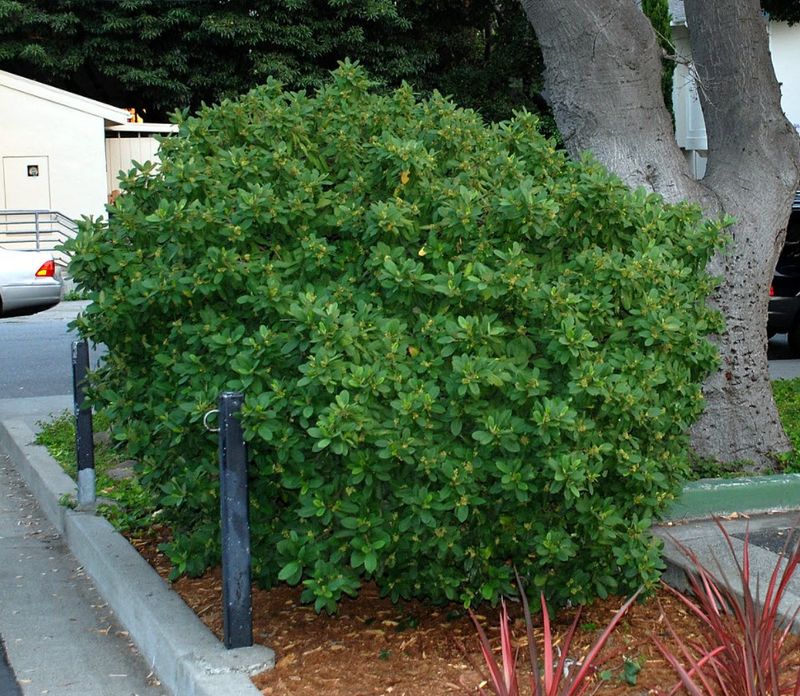
Here is a shrub that quietly does everything right. Coffeeberry grows dense and glossy, tolerates sun or part shade, and its berries ripen from red to nearly black for thrushes and quail.
Compact forms like ‘Eve Case’ or ‘Mound San Bruno’ stay around four to six feet, close to the size of many shrub junipers. Small flowers feed native bees, and the plant is a host for some butterfly species.
It holds up in clay better than many natives. A monthly summer soak can help it stay leafy and less flammable.
7. Hummingbird Sage
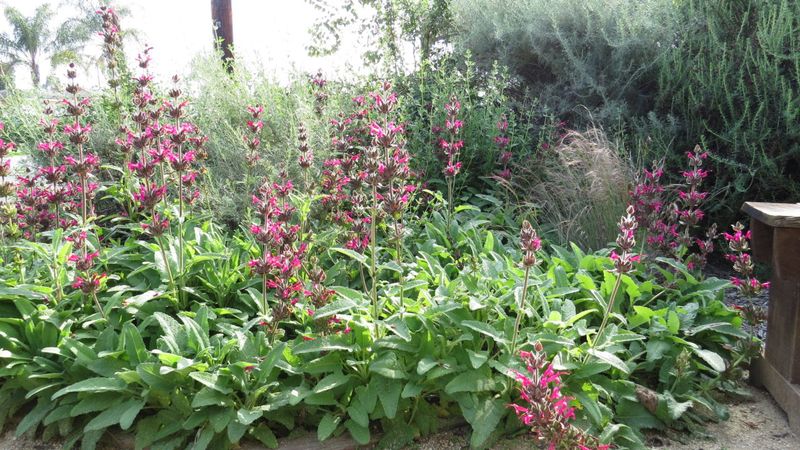
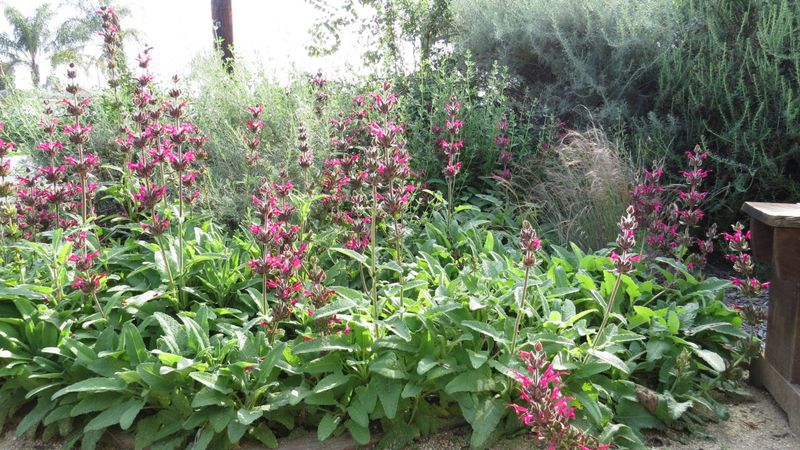
Shady spots under oaks are tough to plant, and that is exactly where hummingbird sage shines. It spreads by underground runners, forming a soft, fragrant carpet topped with magenta spring flowers.
Its big, fuzzy leaves are juicy compared to juniper and it stays low, around one to two feet. Hummingbirds arrive early in the season to feed.
Cut it back after it goes semi-dormant in late summer. That simple trim removes dry stems and keeps the bed looking fresh for fall rains.
8. California Fuchsia
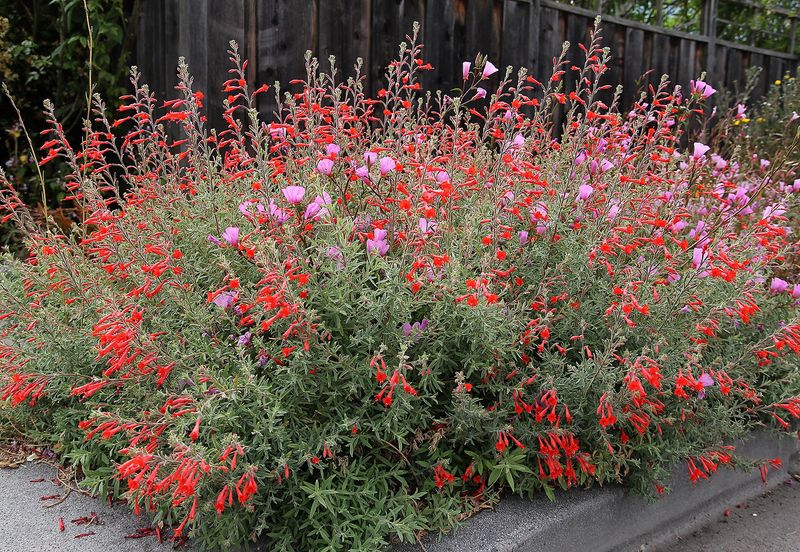
Most gardens look tired by September. California fuchsia waits until then to explode with fiery orange-red flowers, giving hummingbirds fuel right when other nectar runs out.
It stays low and can be cut almost to the ground each winter, which means very little woody fuel builds up year to year. That yearly reset makes it a handy replacement for low juniper edging along walkways.
Plant in full sun with good drainage. Light summer water keeps it blooming and green.