
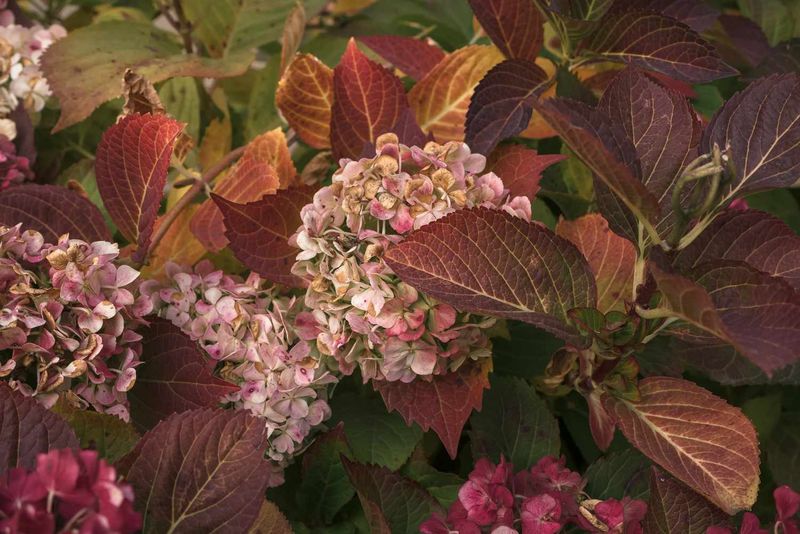
If your hydrangeas gave you more leaves than flowers this year, the reason may have started last fall. Many hydrangeas form next summer’s flower buds months ahead, so what you do right now can make or break your blooms.
A few simple fall jobs can help protect those hidden buds, and two very common habits can quietly undo all your hard work. Here is what to do, what to skip, and why it matters for gardeners from Texas and Florida up through cooler Southern zones.
1. Water Deeply Until the Ground Cools
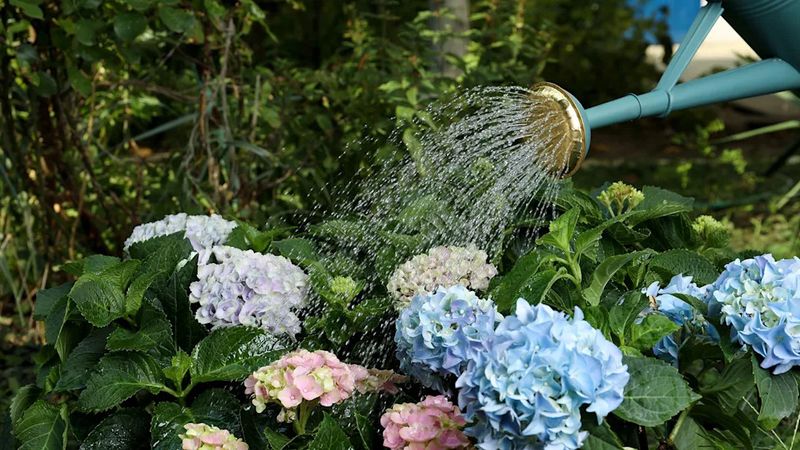
Hot Southern autumns fool a lot of gardeners. October in Houston or Tampa can feel like July, yet many people roll up the hose the moment the calendar flips.
Hydrangeas are thirsty shrubs with shallow roots, and fall is when bigleaf and oakleaf types are busy setting next year’s flower buds. A plant that wilts repeatedly during this stretch may drop or weaken those buds, which often shows up as a skimpy show the following June.
Steady moisture now gives the shrub energy to store for spring.
Aim for a deep soaking about once or twice a week when rain is scarce, rather than a quick daily splash. Water at the base in the morning so leaves stay dry, which can reduce leaf spot problems.
A soaker hose or drip line makes the job nearly effortless.
Keep going until temperatures cool and the shrub starts dropping leaves, which might be November in North Texas or later along the Gulf Coast. Before a hard freeze, one last good drink helps too, since moist soil holds warmth better than dry soil.
Think of it as packing a lunch for a long winter nap.
2. Add a Fresh Layer of Mulch
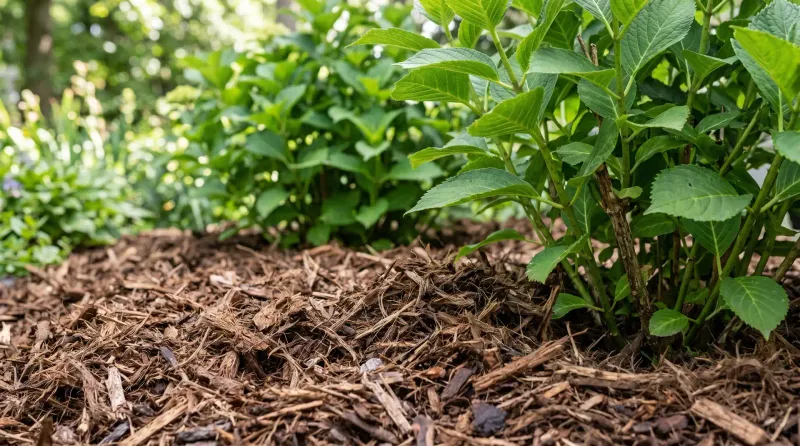
Picture a cozy blanket tucked around your shrub’s feet. That is basically what a two to three inch layer of mulch does for hydrangea roots through the cooler months.
In Florida and South Texas, mulch mostly keeps soil from drying out during warm fall spells and holds down weeds that compete for water. Farther north, in places like Dallas, Atlanta, or Nashville, it also helps buffer roots against sudden cold snaps.
Either way, it smooths out the swings that can stress a plant right when buds are forming.
Good choices include shredded hardwood, pine straw, or chopped leaves from your own yard. Pine straw is a Southern favorite and may nudge soil slightly toward the acidic side over time, which bigleaf hydrangeas tend to enjoy if you like blue flowers.
Spread mulch in a wide ring out to the drip line, but keep it a few inches away from the stems. Mulch piled against the base can trap moisture and invite rot or hungry critters.
Fun fact: Gardeners in Japan, where bigleaf hydrangeas originated, have long used leaf litter for this same purpose.
3. Protect Buds Before a Hard Freeze
Nothing stings quite like a late freeze wiping out a season of blooms overnight. Gardeners in North Texas and the upper South know this heartbreak well, because a single bitter night can damage the buds sitting at the tips of bigleaf hydrangea stems.
Varieties like Nikko Blue and many older mopheads bloom on old wood. Those buds formed in late summer and fall, so if they freeze, you may get a lovely green shrub and almost no flowers.
Reblooming types such as Endless Summer can recover somewhat, though an early show still suffers.
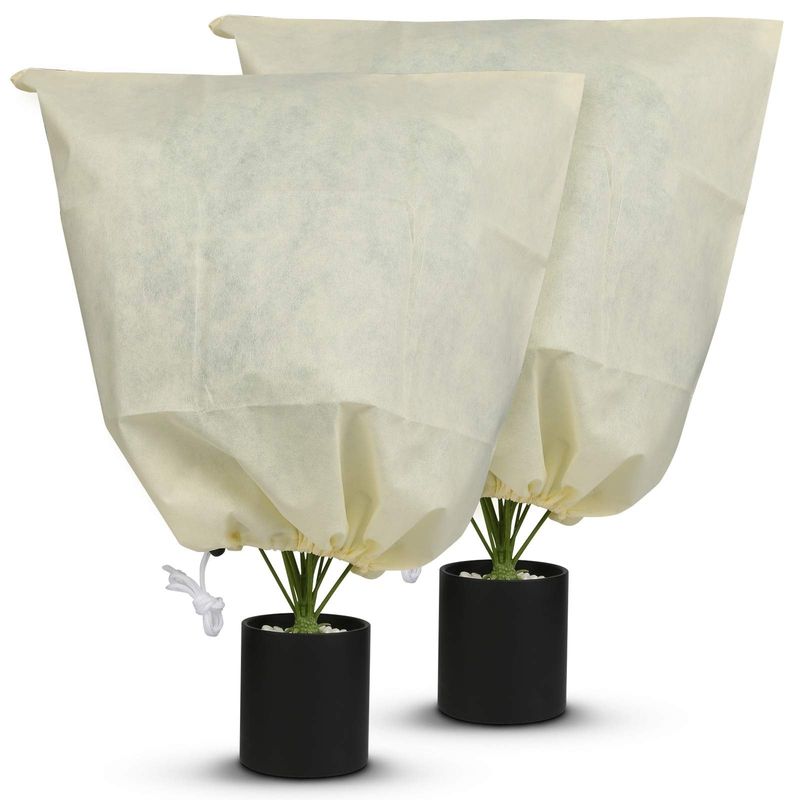
When forecasts call for temps in the low 20s or below, drape frost cloth or an old bedsheet over the plant, letting it reach the ground to trap soil warmth. Stakes help keep the fabric from crushing stems.
Remove the cover once temperatures rise so the plant does not overheat.
Gulf Coast and Florida gardeners rarely need this step. Still, keeping a frost cloth in the garage is cheap insurance during those surprise cold fronts.
A few minutes on a cold evening can help save months of anticipation.
4. Mistake to Skip: Pruning in Fall
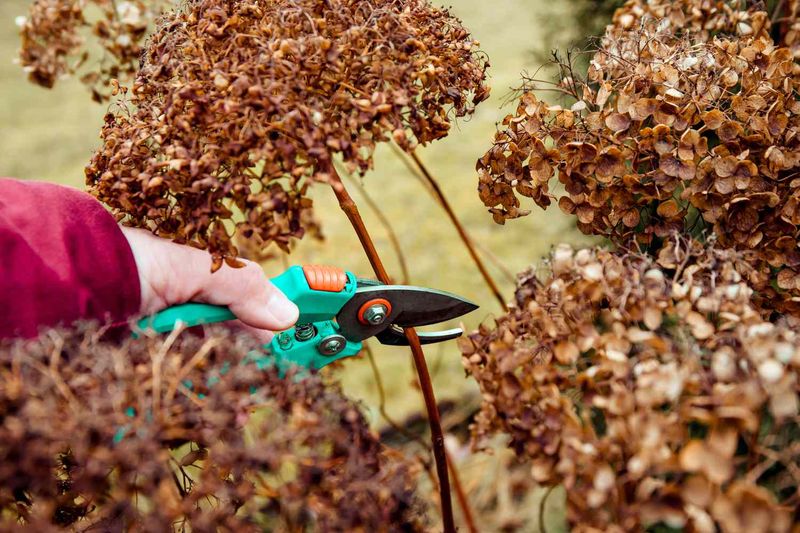
“I cut it back nice and tidy last October, and now it won’t bloom.” Garden centers across the South hear some version of this every spring, and the culprit is almost always fall pruning.
Bigleaf and oakleaf hydrangeas carry next summer’s flowers on stems that grew this year. Trim those stems in fall and you are literally snipping off your future blooms.
The plant may look neat over winter, but the trade-off is a flowerless season.
So what should you do with those tired, brown flower heads? Leave them.
Many gardeners find they add winter texture, and in colder spots they may offer a bit of shelter for the buds below. If you truly want them gone, snip just the spent flower right above the first set of fat buds, nothing more.
Exceptions exist. Panicle types like Limelight and smooth types like Annabelle bloom on new wood, so late winter is a fine time to cut them back.
Not sure what you have? Hold off on all pruning until you can identify the variety, then prune bigleaf types only lightly right after they finish flowering in summer.
5. Mistake to Skip: Late-Season Fertilizing
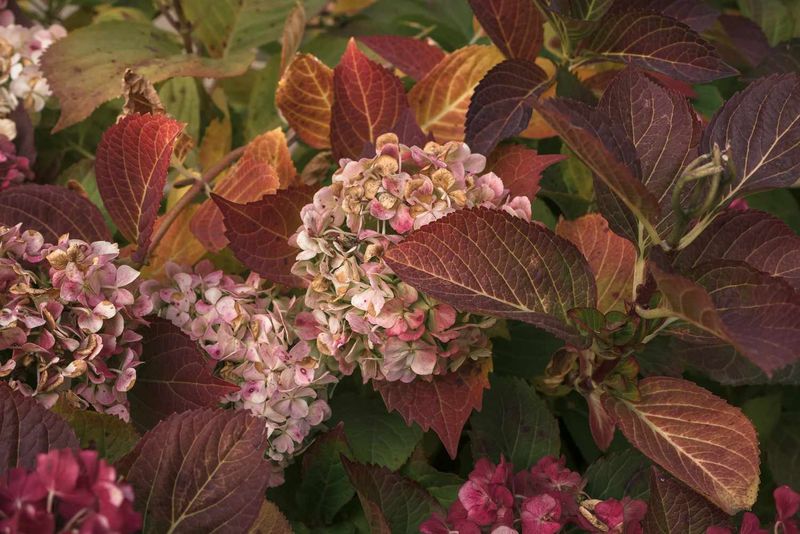
Feeding a struggling plant feels like the caring thing to do. With hydrangeas in fall, though, that generous scoop of fertilizer can backfire.
High-nitrogen products push soft, leafy new growth. In late season, that tender growth has little time to toughen up before cold weather, so it can be easily damaged by frost.
In warmer parts of Florida and South Texas, it may simply pull energy toward leaves instead of buds, which might mean fewer flowers next year.
A smarter schedule is to fertilize in spring as new leaves emerge, with perhaps one lighter feeding in early summer. Stop by about late July or August in most Southern areas.
After that, let the shrub slow down naturally.
Want to change flower color? Fall is actually a reasonable time to test your soil rather than feed it.
Many county extension offices in Texas and Florida offer affordable soil tests, and the results can tell you whether adding aluminum sulfate for blue blooms or garden lime for pink ones makes sense. Adjustments made gradually over months tend to work better than quick fixes.