
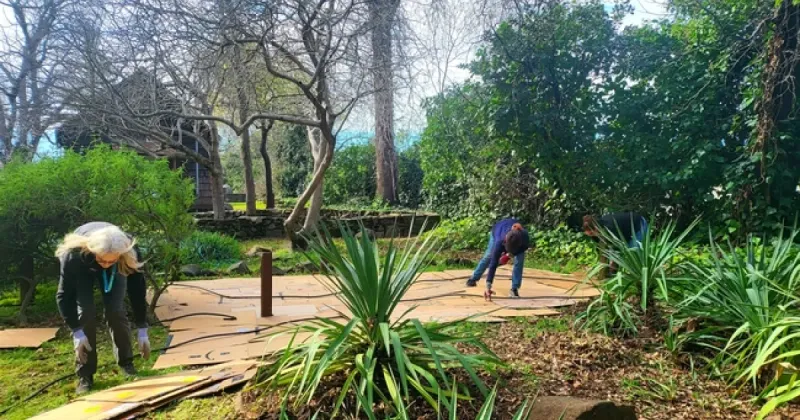
The scraps you toss in the trash this fall could be the secret behind bigger, healthier tomatoes next spring. When you bury certain kitchen leftovers in your garden bed now, soil microbes have months to break them down into food your plants can actually use.
In the South, where fall is mild and spring planting comes early, this timing works especially well. Here are seven simple scraps worth saving, plus how to use each one the right way.
1. Crushed Eggshells
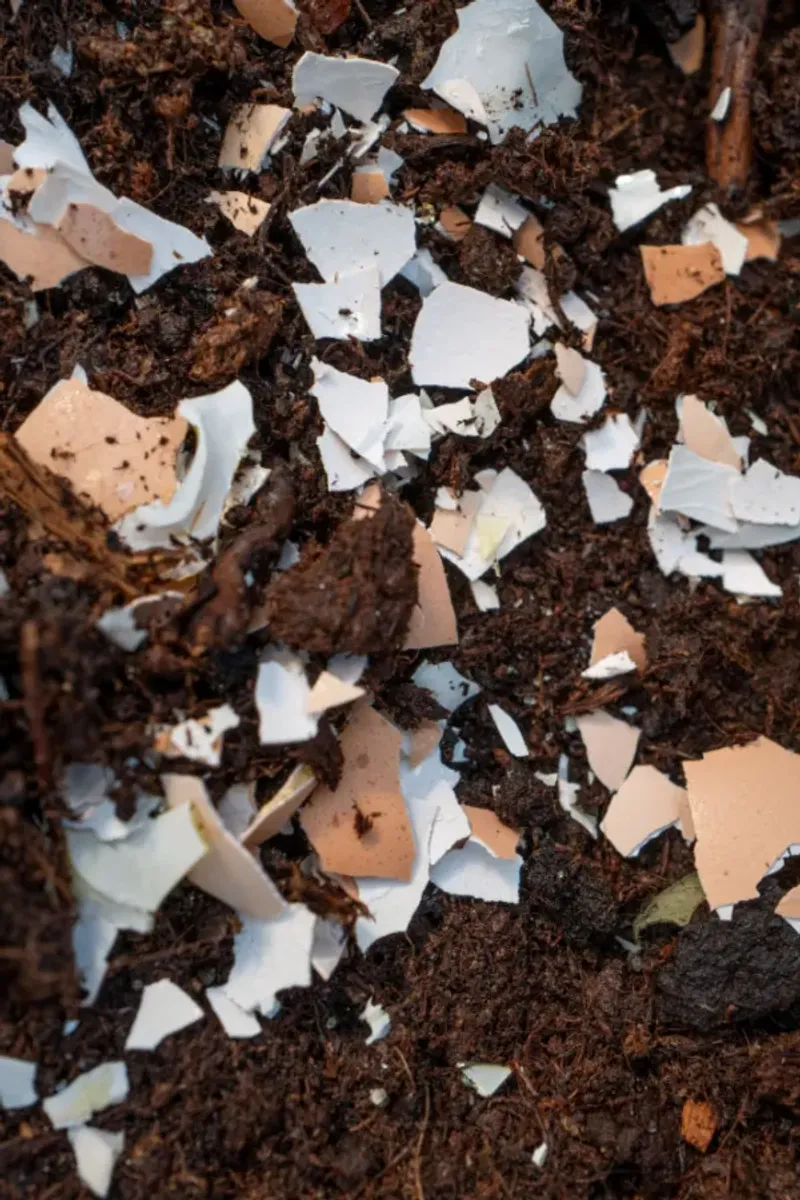
Grandma probably kept a coffee can of eggshells by the sink, and she had good reason. Eggshells are mostly calcium carbonate, and calcium plays a big role in how tomato fruit cells form and hold together.
Low calcium uptake is linked to blossom end rot, that ugly black patch on the bottom of tomatoes. Eggshells break down slowly, which is exactly why fall is the right time to add them.
Whole shells can sit in soil for years, so the trick is grinding them into a fine powder with a blender or coffee grinder.
Rinse and dry the shells first so they do not smell or attract critters. Then work about a cup of the powder into each tomato planting spot, mixing it into the top six inches of soil.
In sandy Florida beds, calcium can wash out faster, so a fall dose may help keep levels steadier by spring.
Keep expectations honest, though. Blossom end rot is often caused by uneven watering rather than a true calcium shortage.
Eggshells can support healthy soil, but steady, deep watering next season still matters most. Think of them as a slow, cheap insurance policy for your bed.
2. Banana Peels
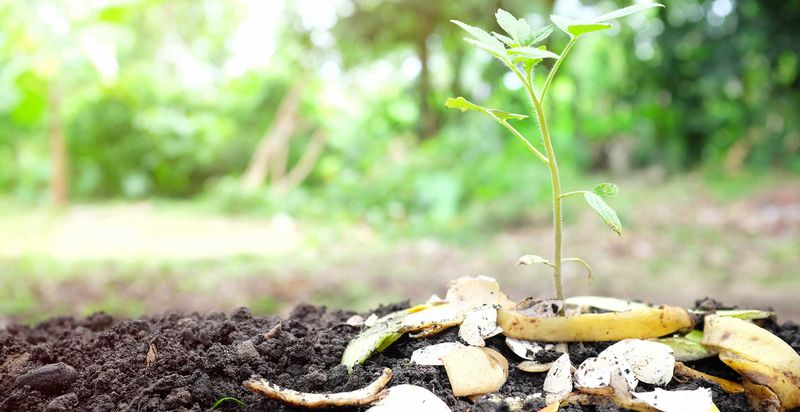
Bananas are famous for potassium, and the peel holds a surprising share of it. For tomato growers, potassium is a big deal because it helps plants move sugars into fruit and supports flavor and size.
Fresh peels tossed on top of soil just turn black, draw fruit flies, and sometimes tempt raccoons or opossums. Burying them is the smarter move.
Chop peels into small pieces, then dig a trench about four to six inches deep where your tomatoes will go next spring.
Drop the pieces in and cover them well. Over the cool months, worms and soil microbes get to work turning them into rich organic matter.
By March in Texas or February in Central Florida, most of that material will have broken down and blended into the soil.
Banana peels are not a complete fertilizer, so they will not replace a balanced feed. Still, they add organic matter and a modest dose of potassium for free.
Save peels in a bag in the freezer through the week, then bury a batch every weekend. Your future tomato bed may thank you with sturdier plants and fruit that ripens with better taste.
3. Used Coffee Grounds
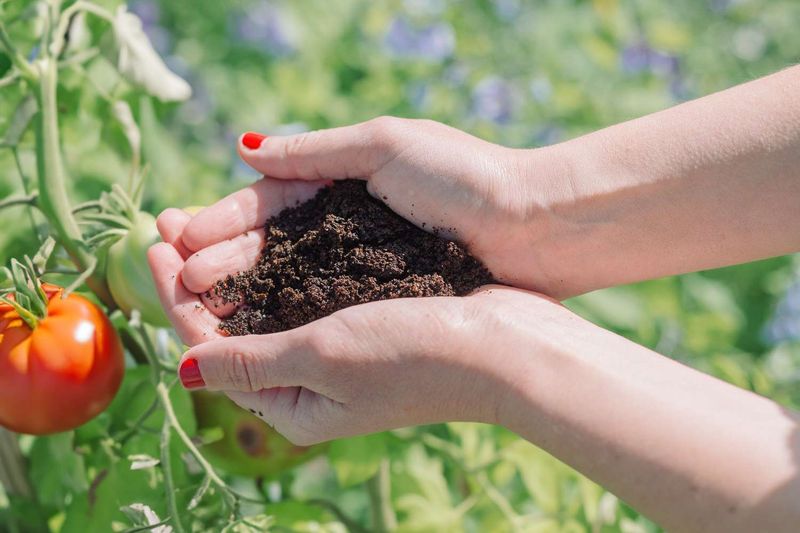
Morning coffee drinkers, rejoice. That soggy filter full of grounds is one of the easiest scraps to put back into your garden.
Used grounds contain nitrogen, roughly two percent by weight, along with small amounts of other nutrients. Nitrogen fuels leafy growth, which gives young tomato plants the green engine they need before flowering.
Grounds also improve soil texture and are a favorite snack for earthworms.
Here is the catch: piling them on thick can create a crusty layer that sheds water. Spread grounds thin, no more than half an inch, and mix them with shredded leaves or work them into the soil.
Fall is perfect because those leaves are already falling in your yard.
Many people believe grounds make soil very acidic, but used grounds are usually close to neutral since brewing pulls out much of the acid. Tomatoes like slightly acidic soil anyway, around 6.2 to 6.8, so a light layer is rarely a problem.
Ask a local coffee shop if they save grounds for gardeners. Plenty of them do, and a few bags spread over a fall bed can add up quickly.
Just keep the layers thin and mixed so your soil stays airy and alive.
4. Vegetable Peels and Trimmings
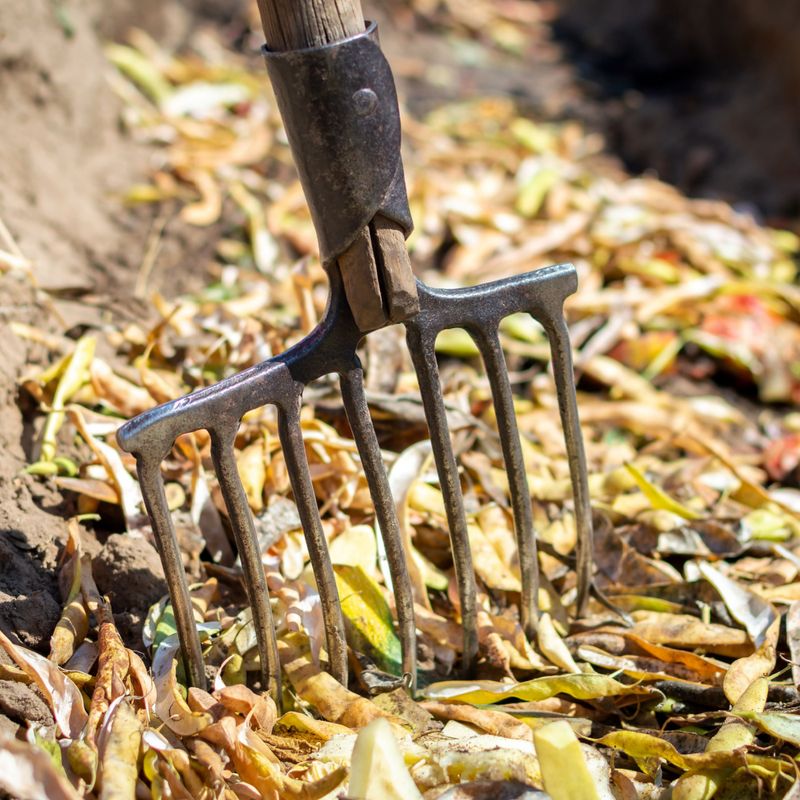
Picture a week of dinners: carrot tops, onion skins, potato peels, lettuce cores, and broccoli stems. Most families throw out a surprising pile of this stuff, and every bit of it can feed your soil.
Mixed veggie scraps bring a wide spread of nutrients instead of just one. That variety helps build a balanced soil food web, the tiny community of fungi, bacteria, and worms that make nutrients available to plant roots.
Healthy soil life often means stronger tomato roots and better drought tolerance during hot Southern summers.
The easiest method is called trench composting. Dig a hole about a foot deep, add a few inches of chopped scraps, and cover with soil.
Move to a new spot each week, working your way across the bed.
One caution matters here. Skip tomato, potato, and pepper scraps if those plants showed disease this year, since some problems like early blight can hang around in plant tissue.
By spring, your bed should feel darker and looser when you dig. That crumbly texture lets tomato roots spread wide and deep, which can mean bigger plants that handle stress better when July heat rolls in.
5. Fish Scraps
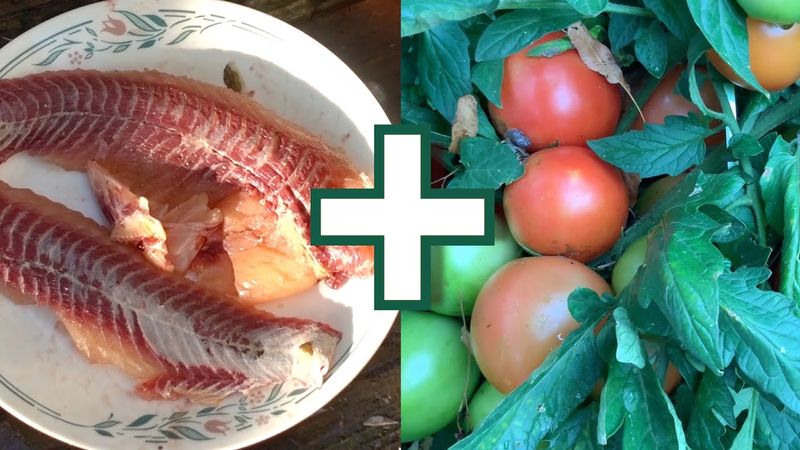
Native Americans famously buried fish beneath their corn hills, and the idea still holds up for tomatoes. Fish heads, bones, and skins are packed with nitrogen, phosphorus, and calcium, a powerful mix for fruiting crops.
Phosphorus helps tomatoes form strong roots and flowers, and more flowers can mean more fruit. Bones release nutrients slowly, which fits a fall-to-spring timeline nicely.
For anglers along the Gulf Coast or Florida shores, this is a free way to recycle a day on the water.
Burying depth is everything. Shallow fish scraps will invite raccoons, cats, dogs, and armadillos to dig up your bed overnight.
Go at least 12 to 18 inches deep, and cover the spot with a board or wire screen for a couple of weeks.
Place scraps right where you plan to set tomato transplants, then mark the spot with a stake. Come spring, plant directly above them.
Roots will grow down toward the nutrient pocket as the season warms.
Results can vary with soil type and critter pressure, so start small with one or two spots. If it works in your yard, you have found a smart way to waste nothing.
6. Wood Ash From the Fireplace
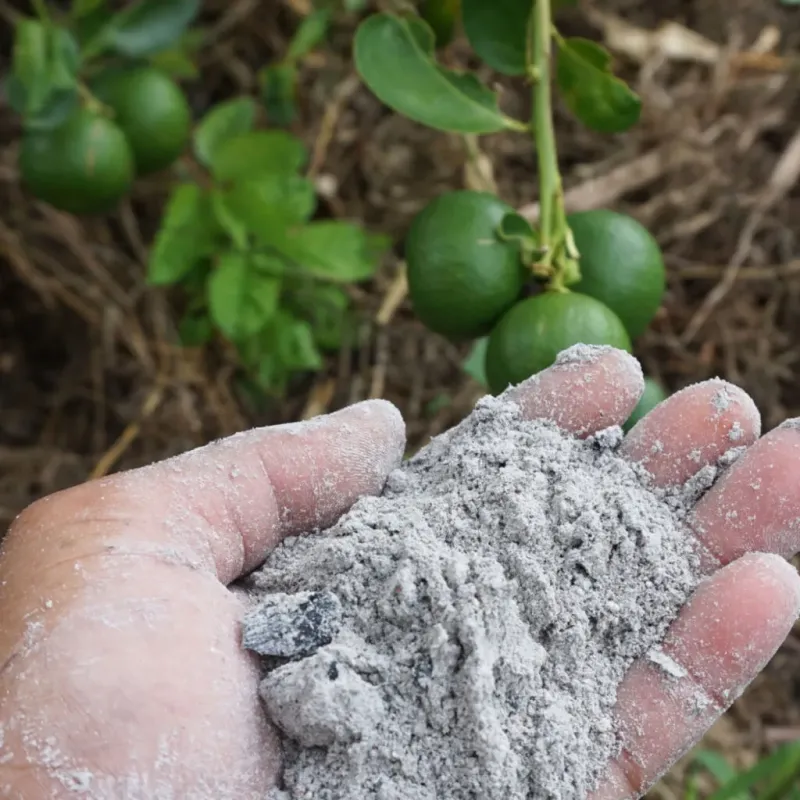
Chilly nights around the fire pit leave behind a gray bonus. Wood ash from untreated hardwood contains potassium and calcium, two nutrients tomatoes use heavily.
Ash works a little like garden lime, raising soil pH. That can help in parts of the Southeast with acidic soil, like East Texas pine country or North Florida.
In alkaline areas such as Central and West Texas, though, ash may push pH too high and lock up other nutrients.
Before using it, grab an inexpensive soil test from your county extension office. If your pH sits below 6.0, a light dusting of ash this fall can help nudge it toward the tomato sweet spot.
Use about a pound for every 100 square feet, and rake it in well.
Only use ash from clean, natural wood. Avoid charcoal briquettes, painted lumber, or pressure-treated boards, since they can carry chemicals you do not want near food.
Let ash cool fully before handling, and keep it away from seedlings directly.
Applied with care, ash turns leftover campfire evenings into stronger soil. A small test now can save you from guessing and help next year’s plants grow with fewer nutrient hiccups.
7. Shredded Paper and Cardboard Mixed With Scraps
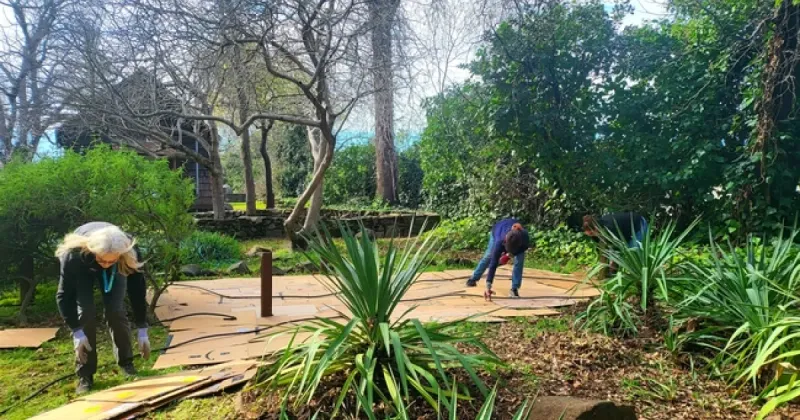
Not every helpful scrap comes from the fridge. Plain cardboard boxes and shredded paper might seem boring, but they balance all those wet, nitrogen-rich food scraps.
Gardeners call this the brown and green balance. Greens like peels and grounds bring nitrogen, while browns like cardboard bring carbon.
Without enough browns, food scraps can turn slimy and smelly instead of breaking down into rich soil.
Try sheet mulching, sometimes called lasagna gardening. Lay food scraps on the bed, cover them with flattened cardboard, wet it down, then top with leaves or mulch.
Over winter, the layers melt into dark, crumbly soil and smother weeds at the same time.
Remove tape and shiny labels first, and avoid glossy printed paper. Plain brown cardboard and newspaper with soy-based ink are usually fine.
For busy Southern gardeners, this method is a real time saver. Instead of turning a compost pile, you build soil right where tomatoes will grow.
When spring arrives, simply poke holes through what remains and drop in your transplants. Bigger tomatoes are never guaranteed, but a fall bed fed this way gives your plants a far better head start than bare, tired dirt.