
An overgrown ivy bed can look neat from the sidewalk while hiding damp leaves and clutter underneath. That sheltered space can give rats and roaches places to hide.
Florida native ground covers offer a fresh look, but no plant keeps pests away by itself. These seven choices fit different parts of the yard and make it easier to keep beds tidy and inspectable.
1. Sunshine Mimosa
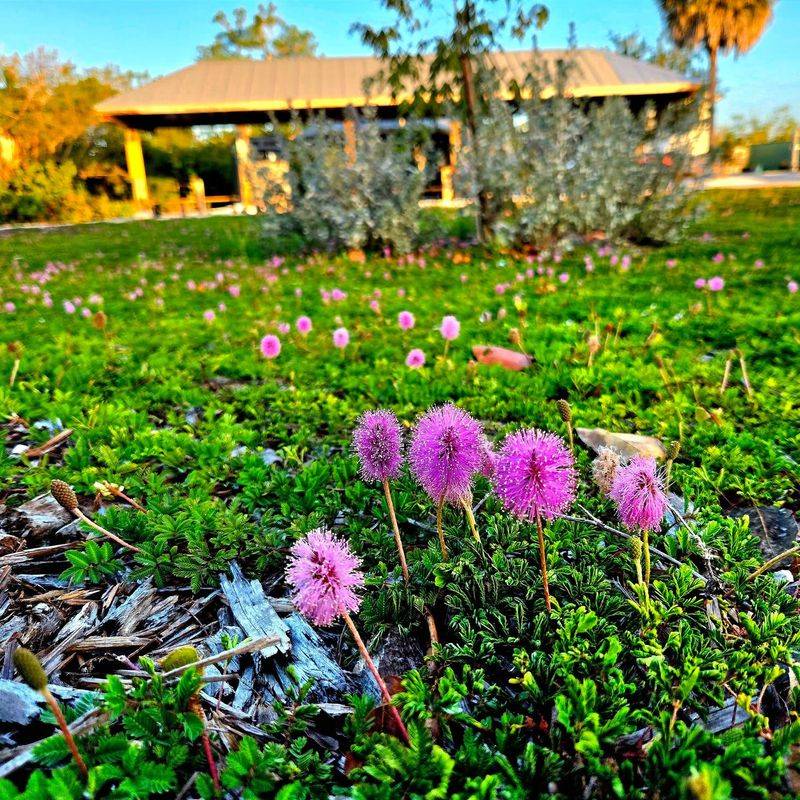
Pink puffball flowers are the giveaway: sunshine mimosa turns a plain sunny bed into a lively patch that still looks low and open. Its fine leaves spread along the ground, making it a useful choice where you want to remove ivy without replacing it with another tall, tangled mass.
Bees visit the blooms, and the plant can handle Florida’s sandy, fast-draining soil once established.
Give sunshine mimosa plenty of sun and room to spread. It works especially well beside a walkway or across a broad front-yard bed where you can see the surface easily.
Water new plants while their roots settle in, then ease back rather than keeping the soil constantly wet. Ask a native-plant nursery about its mature spread before planting near a small, carefully edged bed.
Its low growth does not make a yard rat-proof or roach-proof. The useful change is that you can trim the edge, spot fallen fruit or trash, and remove leaf piles before they become shelter.
Pull out the old ivy roots and clear trapped debris first. Keep mulch light around the new plants, and avoid stacking pots or boards nearby, or you may recreate the hiding places you meant to remove.
2. Frogfruit
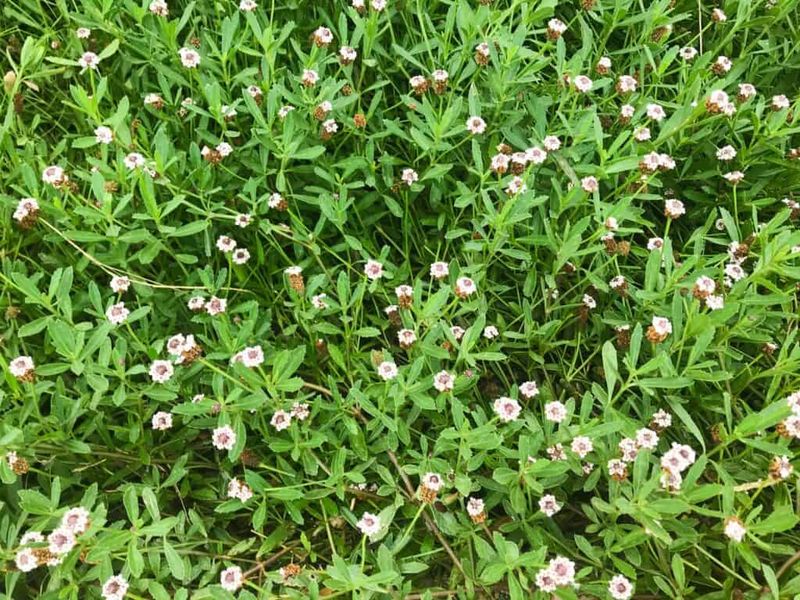
A strip of ground beside a hot driveway can be hard to fill without constant watering. Frogfruit earns its place there with low, spreading stems and tiny flower heads that draw butterflies.
It is a Florida native suited to sunny spots, and its modest height helps keep a bed’s edges visible instead of forming an ivy-like curtain.
Use it where a lawn meets a planting bed or where foot traffic is occasional rather than heavy. Frogfruit can spread enthusiastically, so give it a clear border and trim runners that cross onto pavement or into neighboring plants.
It can tolerate some dry spells once established, though new plugs need regular water at first. In a tidy front yard, leaving a few inches between the planting and the house wall also makes inspection simpler.
Think of frogfruit as a way to make maintenance easier, not as a pest treatment. Roaches can still shelter under soggy mulch, and rats will still investigate accessible food or clutter.
Rake out the old ivy litter before planting, pick up pet food at night, and keep drainage openings clear. With those habits in place, frogfruit offers flowers and a readable, easy-to-check surface where a crowded ivy bed once stood.
3. Dune Sunflower
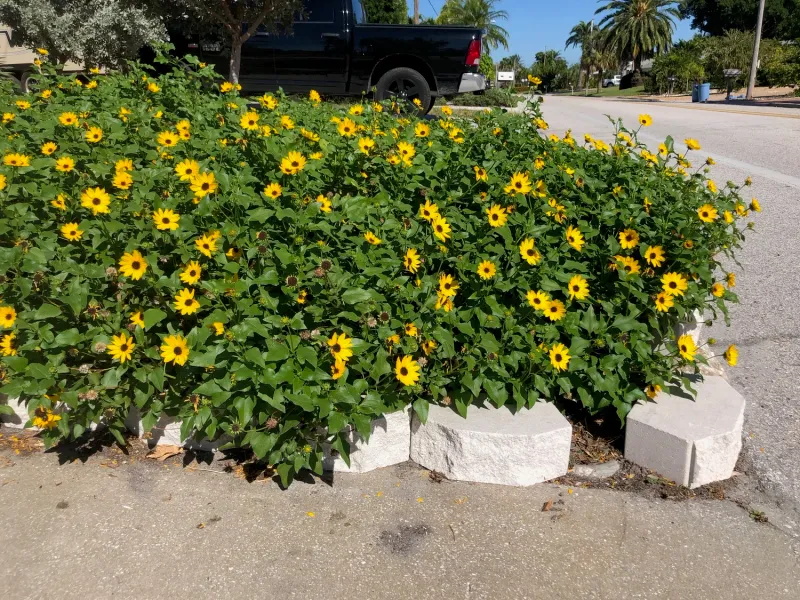
For a sunny bed that needs a big visual reset, dune sunflower brings the color. Its yellow blooms stand out against sandy soil, and its spreading growth can cover a generous area faster than many small, slow-growing choices.
This Florida native is especially at home in sunny, well-drained coastal landscapes.
Choose a spot with space to spare, such as a broad bed away from doors and narrow paths. Dune sunflower can grow fuller and taller than the other low mats on this list, so it is not the best pick for a tight foundation strip you need to inspect at a glance.
Check which locally appropriate form a Florida native-plant nursery sells, since plants offered under this name can vary. Water during establishment and avoid rich, soggy soil.
Here is the practical trade-off: flowers can transform a bare patch, but stems need occasional cutting back to keep the bed open. Remove spent growth and windblown litter, especially after storms.
Leave access around vents, pipes, and the base of the house rather than planting right up against them. Dune sunflower replaces ivy’s look with a cheerful one; regular cleanup is what prevents either planting from becoming a hiding place.
4. Twinflower
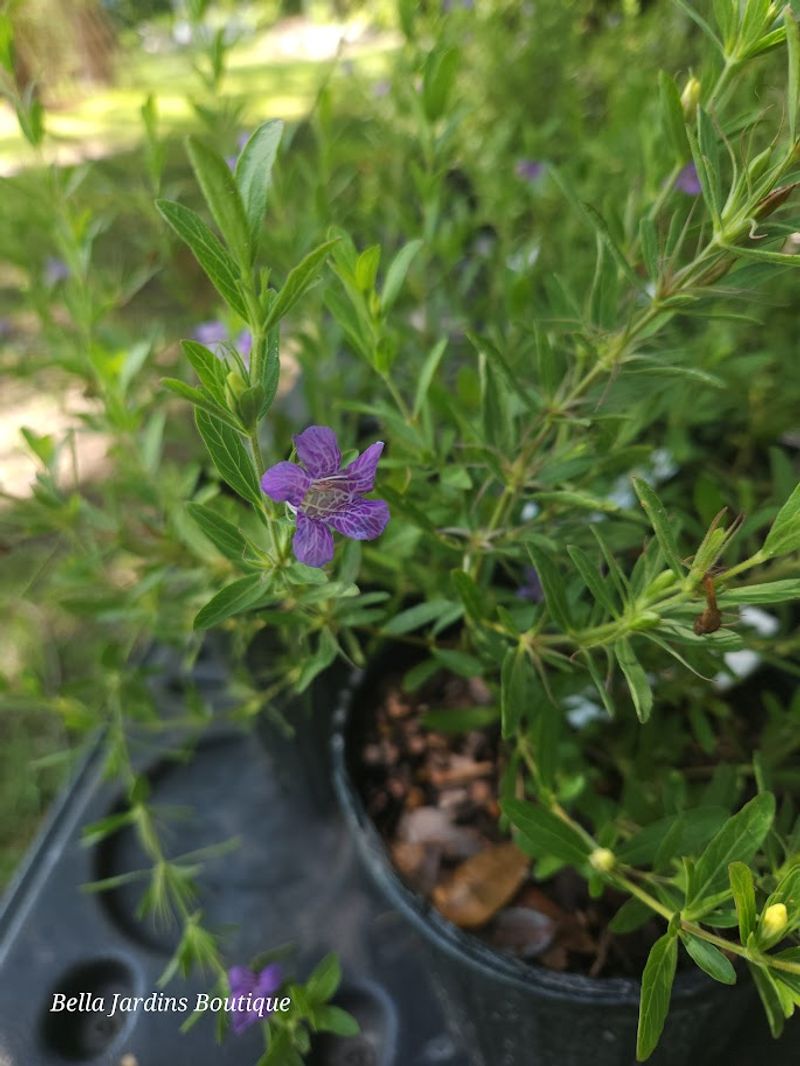
Not every ivy bed sits in blazing sun. Under a high tree canopy or along a bright, partly shaded border, twinflower offers a quieter swap: a low native plant with small purple blooms.
Its restrained look suits a front path or porch bed where giant leaves and unruly vines would feel out of place.
Twinflower, Dyschoriste oblongifolia, grows best with suitable light and well-drained soil. It can work in sun or partial shade, though a deep, dark corner beneath a dense roof of branches calls for a different plan.
Set plants close enough to fill in over time, then hand-weed the gaps while they establish. A thin layer of mulch can help at first, but do not heap it against the house or let leaves collect between stems.
The payoff is a planted bed you can maintain without wrestling with woody ivy runners. Clip growth back from stepping stones and look beneath nearby shrubs when you clean up; hiding spots often come from what sits around a ground cover, not just the ground cover itself.
If you find droppings, gnaw marks, or many roaches, address food, water, and entry points as well. Twinflower improves the bed, but it cannot solve an existing infestation on its own.
5. Wild Strawberry
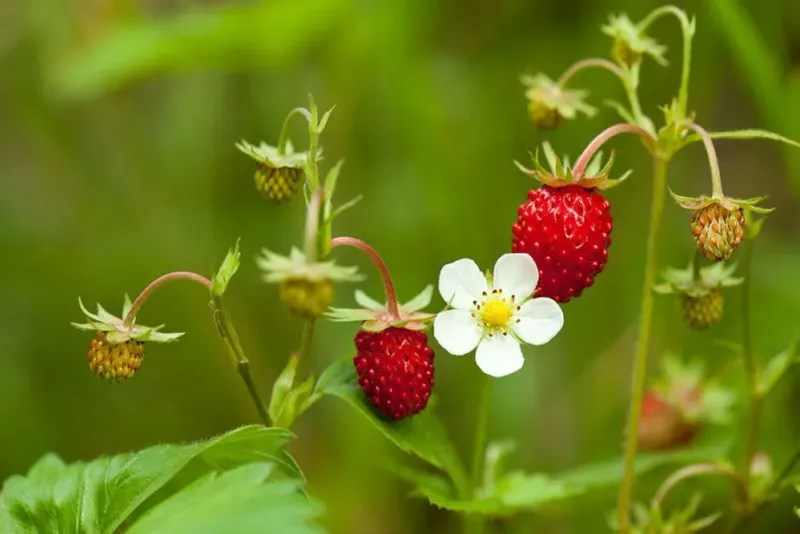
A little red berry tucked beside a path makes a garden feel friendly rather than overgrown. Wild strawberry, Fragaria virginiana, is a low-growing native option for suitable parts of Florida, especially cooler North Florida sites.
White flowers and three-part leaves give it a familiar look, while runners help it fill gaps without climbing a wall like ivy.
Try it in a bed with some sun and soil that stays reasonably moist but drains well. Florida’s dry, sandy spots may need more attention during establishment, and the plant is less dependable in exposed, intensely hot South Florida beds.
Check its suitability for your county before buying, and start with a small patch if your site is uncertain. Keep runners within the border so the planting stays easy to inspect.
Because berries are part of the appeal, cleanup matters here. Pick ripe fruit you plan to use and remove fallen fruit rather than leaving it beside the house, where it can attract wildlife and insects.
Wild strawberry makes the most sense along an open garden edge, not behind stored supplies or deep under shrubs. It is a charming replacement for ivy where conditions fit, provided you keep the small harvest and the surrounding bed tidy.
6. Beach Creeper
Salt spray can make a seaside yard feel like a plant-testing ground. Beach creeper is built for that challenge.
This South Florida native spreads close to the ground in sunny, sandy coastal settings, offering a practical alternative where ivy struggles or demands too much attention.
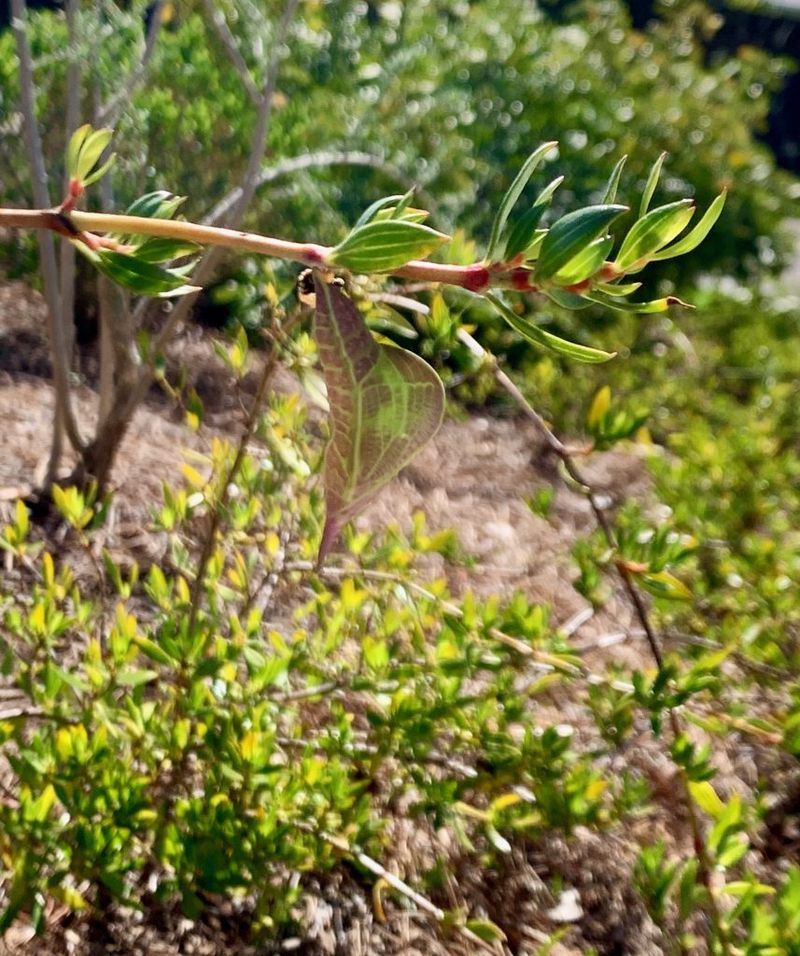
Look for beach creeper under its botanical name, Ernodea littoralis, at a nursery that specializes in local native plants. It suits a sunny coastal bed with excellent drainage, not a shaded, damp corner beside a downspout.
Its small leaves and low profile can give the bed a cleaner outline, but allow room for its spread and trim it away from walkways. Plants newly installed in fast-draining sand still need water until their roots establish.
Beach creeper can produce small fruits, so do not count on it to remove every possible food source for pests. Keep fallen debris picked up and leave a clear strip next to exterior walls, especially near utility openings.
Where storm winds blow leaves into planting beds, a quick cleanup afterward is more useful than letting litter settle under any ground cover. For the right coastal yard, beach creeper’s strength is simple: it fits the site while staying low enough for you to see and care for the space.
7. Partridgeberry
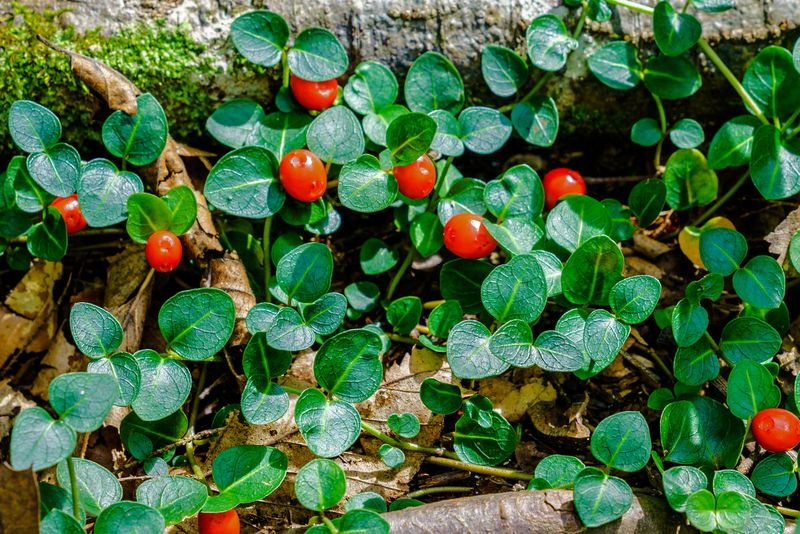
Deep shade calls for patience, not a sun-loving plant forced into the wrong place. Partridgeberry is a small, trailing Florida native that suits some shaded North Florida gardens.
Its evergreen leaves, little white flowers, and red berries give a woodland bed detail without ivy’s climbing vines.
Place it where the soil has organic matter and stays moist but not waterlogged, such as beneath trees away from a building’s foundation. It is a slow choice for a large bare bed, so begin with a manageable area and let the plants spread gradually.
Check with a local native nursery or county Extension office before relying on it farther south or in very dry, root-filled sand. Water gently during establishment and avoid burying its small stems under thick mulch.
A shaded planting still needs a cleanup routine. Rake away heavy leaf piles, move unused pots out of the bed, and keep branches from blocking your view of the house wall.
Those steps reduce sheltered pockets whether you choose partridgeberry or another ground cover. If an old ivy bed has signs of rats, remove their food sources and seal entry points rather than expecting the replacement plant to drive them off.
Partridgeberry’s reward is a calm, low woodland look in a spot where many showier options will not thrive.