
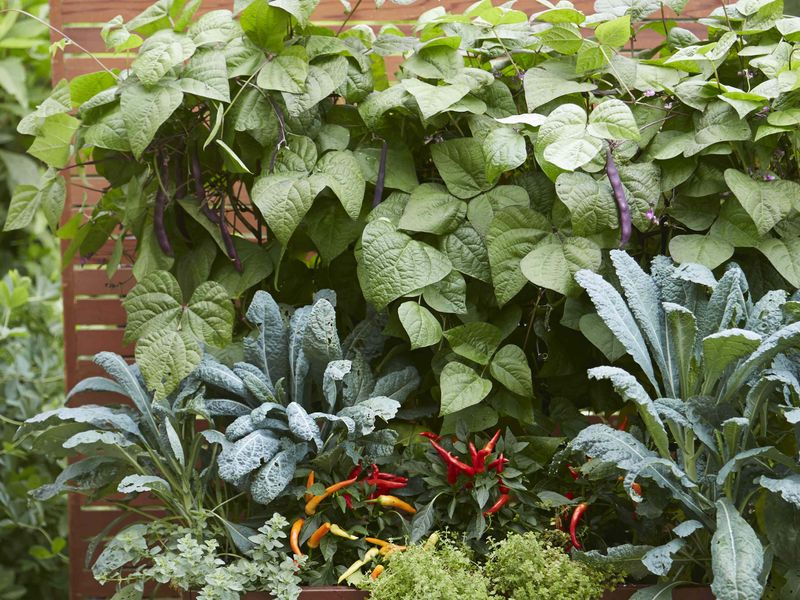
You pull a beet expecting a fat, purple root, and instead you get something the size of a marble. Often the soil is fine and the watering is fine, but the plants growing right next door are quietly helping or hurting.
Picking the right bed partners can mean bigger roots, fewer pests, and less work for you. Here are seven neighbors that tend to help beets thrive in Southern gardens, plus three that can keep them small.
1. Bush Beans
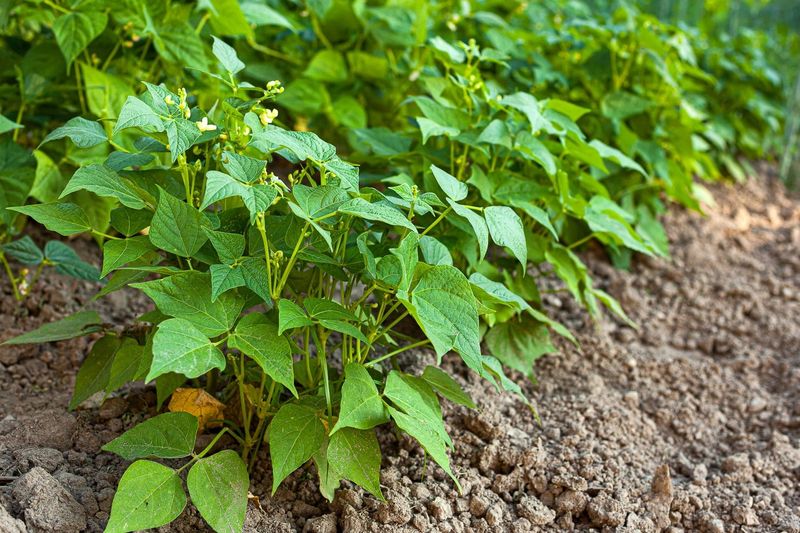
Pole beans and beets fight, but bush beans and beets get along like old porch buddies. The difference comes down to height and habit.
Bush beans stay short, so they never smother the beet leaves that feed the root below.
Beans also host bacteria on their roots that pull nitrogen from the air. Some of that nitrogen can end up in nearby soil, especially after the bean plants are cut at ground level and their roots break down.
Beets need a little nitrogen for leafy growth, so a modest boost may help them build the energy they store in the root.
Too much nitrogen is a different story, since it pushes leaves at the expense of the bulb. Bush beans offer a gentle supply instead of a heavy dose, which is part of why they make such a good match.
For Florida and Texas gardeners, timing matters. Plant both in early spring or again in fall, when beets are not baking in summer heat.
Space bean plants about a foot from the beet row so neither crowds the other. When the beans finish, snip them off and leave the roots in the ground to feed the soil for the beets still growing.
2. Onions
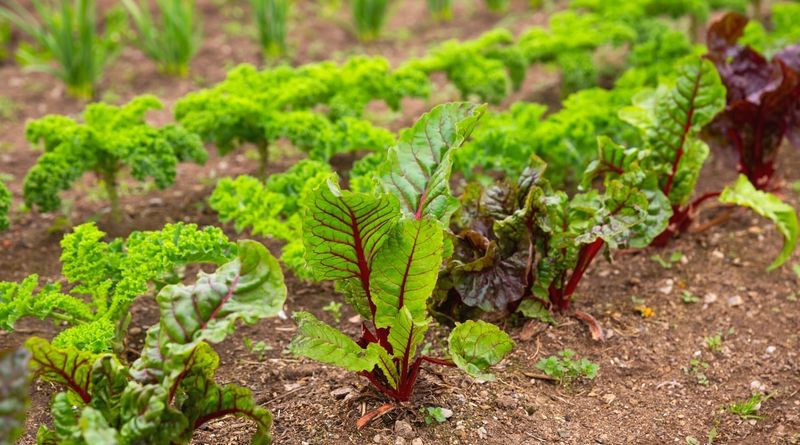
Ask a seasoned Texas gardener what goes beside beets, and onions are usually the first answer. The pairing is almost a classic, and for good reason.
Onions grow straight up with thin leaves, so they cast very little shade on beet greens.
Their strong smell may help confuse some pests that hunt by scent. Aphids and certain beetles can have a harder time locating plants when onion odor fills the air.
Results vary from bed to bed, so think of onions as one helpful layer rather than a full shield.
Roots are the other bonus. Onion roots stay fairly shallow, while beets push their swelling bulb and a long taproot deeper.
The two crops pull water and nutrients from slightly different zones, which reduces competition below ground.
Southern growers can tuck short-day onion sets around the beet patch in fall, since short-day types suit Florida and Texas daylight. Plant them about four inches from beet seedlings.
Both crops like loose, well-drained soil and steady moisture, so one watering routine handles the whole bed. Harvest the onions as they mature, and the beets gain a little extra room right when their roots are filling out.
3. Garlic
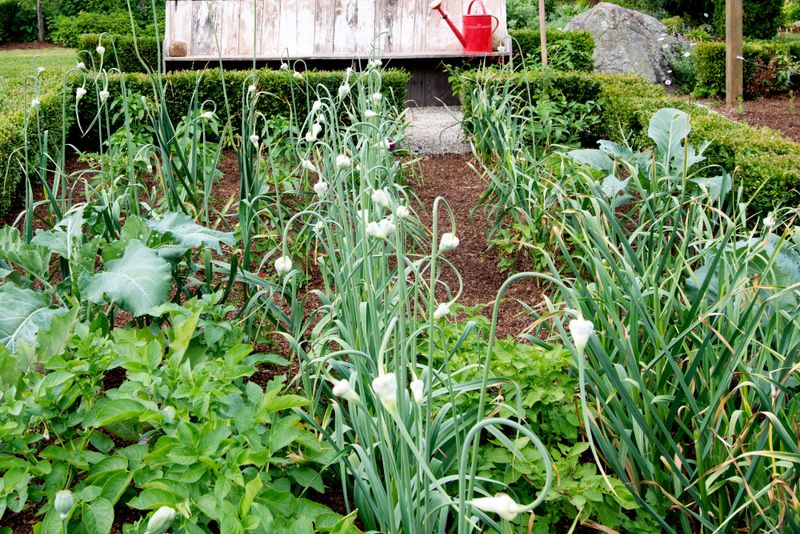
Garlic is the quiet bodyguard of the fall bed. Planted in October or November across much of the South, it sits in the ground for months while beets cycle through beside it.
The sulfur compounds that give garlic its punch may discourage some soft-bodied pests and could make the area less inviting to rabbits nibbling on beet tops. No plant guarantees protection, yet many gardeners notice fewer chewed leaves when garlic lines the edges.
Garlic also takes up very little space. Its narrow leaves let sunlight pour onto the broad beet foliage, and that sunlight is exactly what powers a bigger root.
A beet that gets six or more hours of light usually sizes up better than one tucked in shade.
Try a border of garlic cloves spaced six inches apart around a bed of beets. Softneck varieties tend to handle mild Southern winters better than hardneck types that need deep cold.
One caution: keep the garlic away from any beans you plant nearby, since alliums can slow bean growth. A simple layout puts garlic and onions on one side, beets in the middle, and bush beans at the far end.
Everyone stays happy.
4. Lettuce
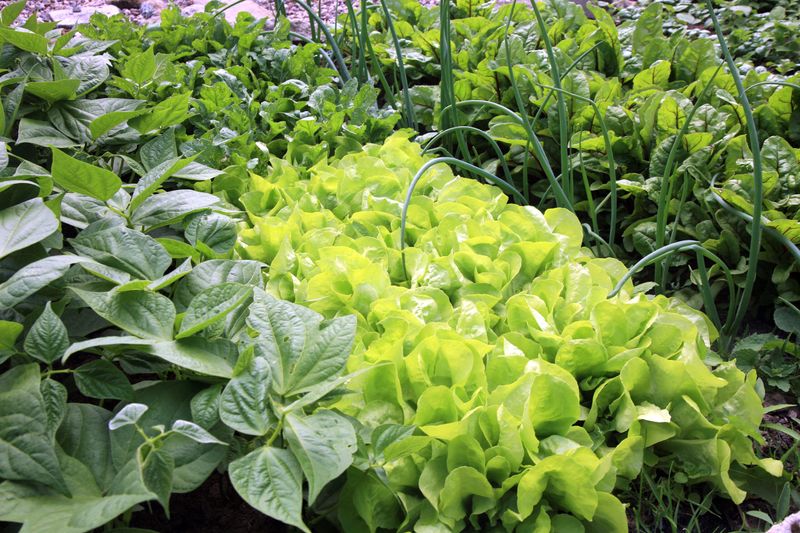
Picture lettuce as a living mulch with a bonus salad attached. It grows fast, stays low, and covers bare soil that would otherwise dry out or sprout weeds.
Beets struggle when soil swings between soaked and bone dry. Those swings can cause cracked or woody roots and sometimes small, tough bulbs.
Lettuce leaves shade the soil surface, which may help hold steadier moisture around beet roots, a real advantage in the dry winds of a Texas spring.
The two crops also share timing. Both prefer cool weather, so they fit neatly into the fall-through-early-spring window that Florida and Gulf Coast gardeners rely on.
Lettuce matures in about 30 to 45 days, while beets take closer to 55 or 60. You harvest the lettuce first, and the beets get extra elbow room for their final growth spurt.
Choose loose-leaf types instead of big heading varieties so the lettuce does not crowd beet leaves. Sow a few seeds between beet plants rather than right on top of them.
Once temperatures climb past the mid-80s, lettuce bolts and turns bitter, so pull it then and let the beets finish strong on their own.
5. Radishes
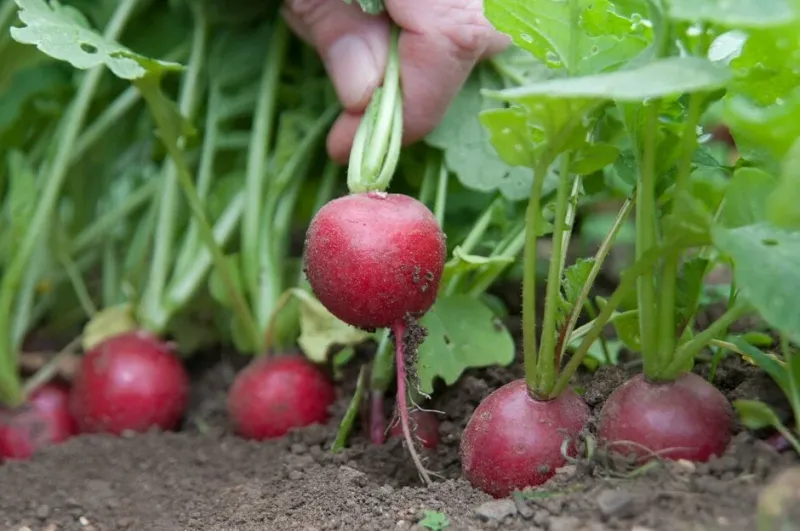
Here is a trick older gardeners swear by: sow radish seeds right in the beet row. Radishes sprout in just a few days, while beet seeds can take a week or two.
That speed helps in two ways. First, radish sprouts mark the row so you do not accidentally hoe out slow beet seedlings.
Second, they can break a crust on the soil surface, which sometimes forms after heavy Southern rains and makes it harder for tiny beet sprouts to push through.
Most radishes are ready in about 25 days. Pulling them loosens the soil right where beets are beginning to swell, and loose soil gives a growing root space to expand.
Think of it as free tilling with a crunchy reward.
Keep the radishes harvested on time, though. Left too long, they get woody, crack, and compete for water.
Sow them sparingly, maybe one radish seed for every few beet seeds.
Spring and fall both work in Florida and Texas. Just avoid planting during peak summer, when radishes bolt almost overnight.
A fast red globe variety like Cherry Belle fits this job well and clears out long before the beets need the space.
6. Cabbage Family Crops
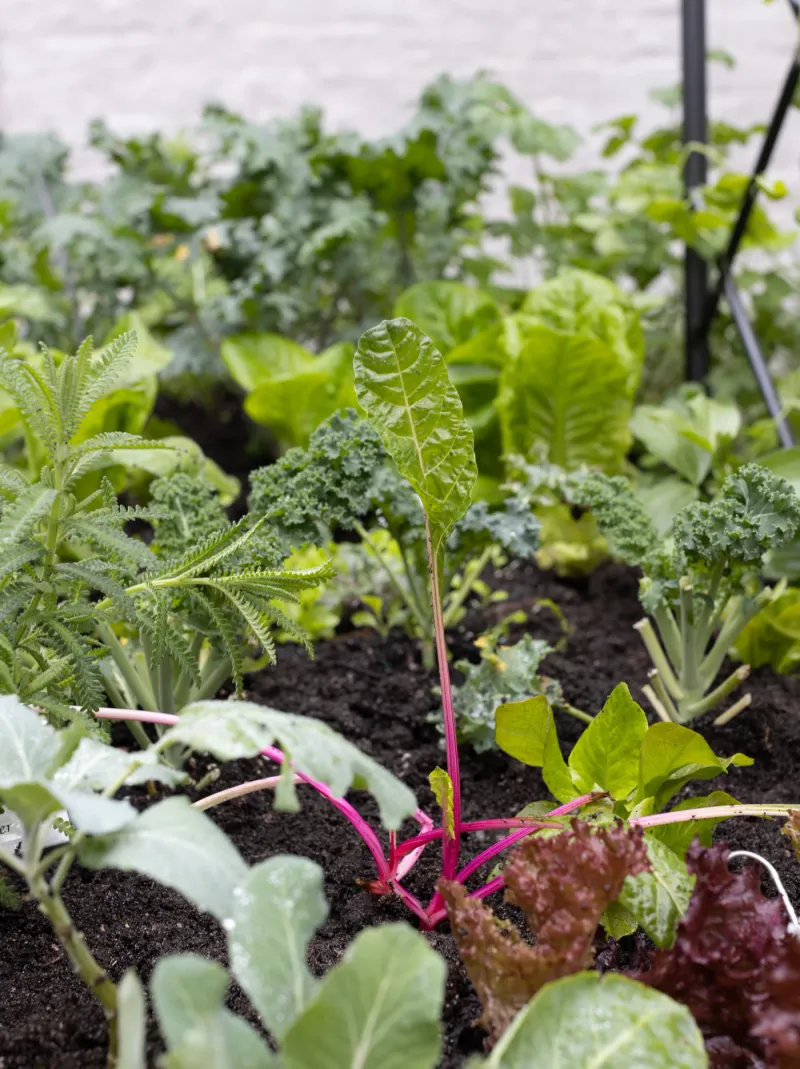
Broccoli, cabbage, kale, and collards are cool-season staples across the South, and beets slip right in among them. The partnership works because the two groups feed a little differently.
Cabbage family crops are hungry for nitrogen and calcium. Beets lean more on potassium and phosphorus to build their roots.
When planted together, they may compete less than two crops with the same appetite would.
Collards and kale are especially popular in Southern fall gardens, and their big leaves can offer beets some light shade during warm spells in October. That said, keep enough distance, about 18 inches, so those large leaves never fully cover the beet tops.
There is a pest angle too. Cabbage loopers and worms target brassicas, not beets, so having both crops spreads risk.
If caterpillars hit the collards, your beets usually stay untouched.
Beets can also add a little diversity that may make it harder for pests to move from plant to plant. Mixed beds tend to slow outbreaks compared to long rows of one crop.
Feed the brassicas with compost or a balanced fertilizer, but avoid piling extra nitrogen near the beets. A side-dress aimed at the cabbage roots keeps everyone fed correctly.
7. Mint and Other Fragrant Herbs
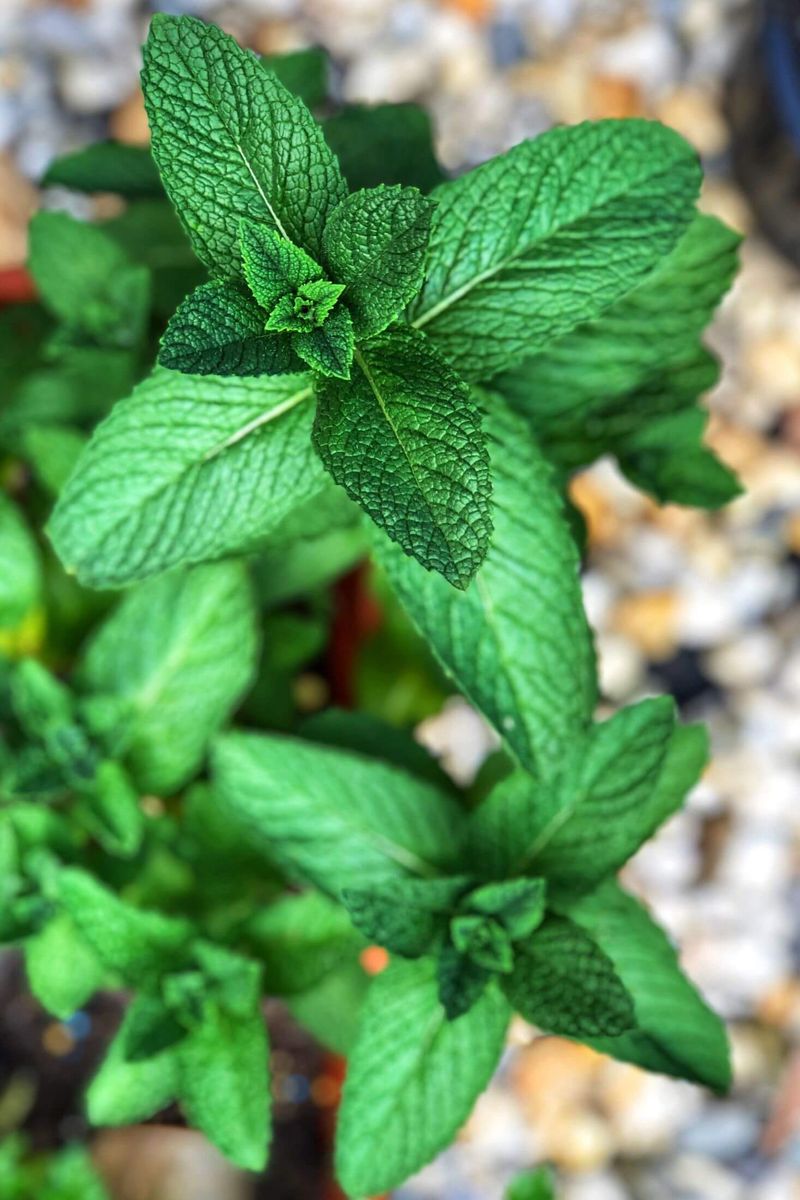
Smell might be the most underrated garden defense. Mint, thyme, catmint, and similar herbs release strong scents that may help mask beets from pests that sniff out their dinner.
Flea beetles are a common culprit in Southern gardens. They chew tiny holes in beet leaves, and when enough leaf area disappears, the root has less energy to grow.
Some gardeners report fewer flea beetle problems near aromatic herbs, though results are not guaranteed.
Mint comes with a serious warning. It spreads by runners and can take over a bed in one season, especially in humid Florida conditions.
Grow it in a pot and set the pot beside the beets instead of planting it in the ground.
Thyme is a tamer choice. It stays low and tolerates heat and dry spells well, which suits Texas gardens.
Catmint attracts pollinators and predatory insects that may help keep aphid numbers down.
Herbs also earn their keep in the kitchen. A few sprigs of mint with roasted beets makes a fresh side dish straight from one bed.
Snip herbs regularly to keep them bushy, and they will keep releasing that protective scent all season long.
8. Pole Beans
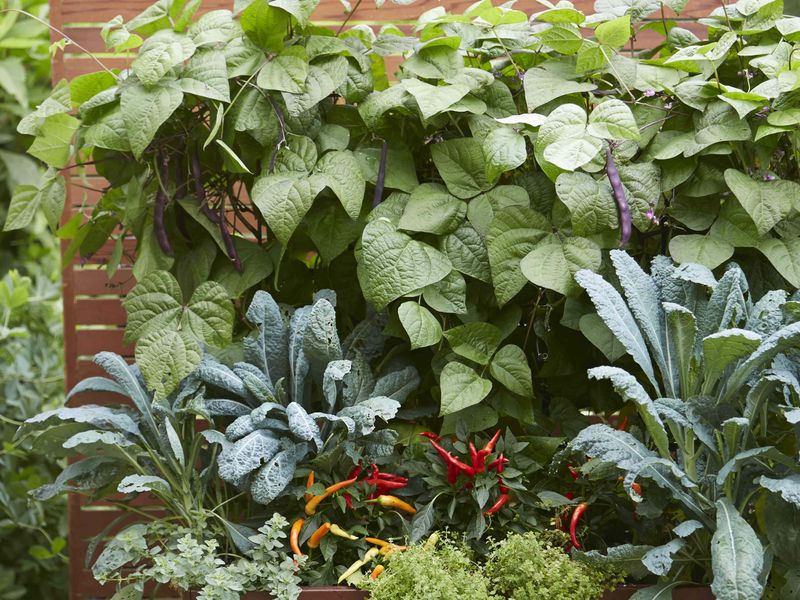
Funny how bush beans help while their climbing cousins cause trouble. Pole beans grow tall and leafy, and that is exactly the problem for a beet sitting at their feet.
A trellis full of bean vines can throw heavy shade across a bed for hours each day. Beets build roots by turning sunlight into sugar, and when shade cuts that light, the root often stays thin and pale.
You may get pretty greens but a disappointing bulb.
Many old gardening guides also claim pole beans and beets slow each other down below ground. The science behind that is not settled, but plenty of growers notice weaker harvests when they pair them.
If you love pole beans, simply move them. Put the trellis on the north side of your garden so its shadow falls away from other crops.
In Texas and Florida, the sun rides high in summer but lower in fall and winter, so check where shadows land at that time of year.
Keep at least a few feet of distance between the trellis and your beet bed. Both crops can thrive in the same garden.
They just should not share the same patch of soil.
9. Field Mustard and Charlock
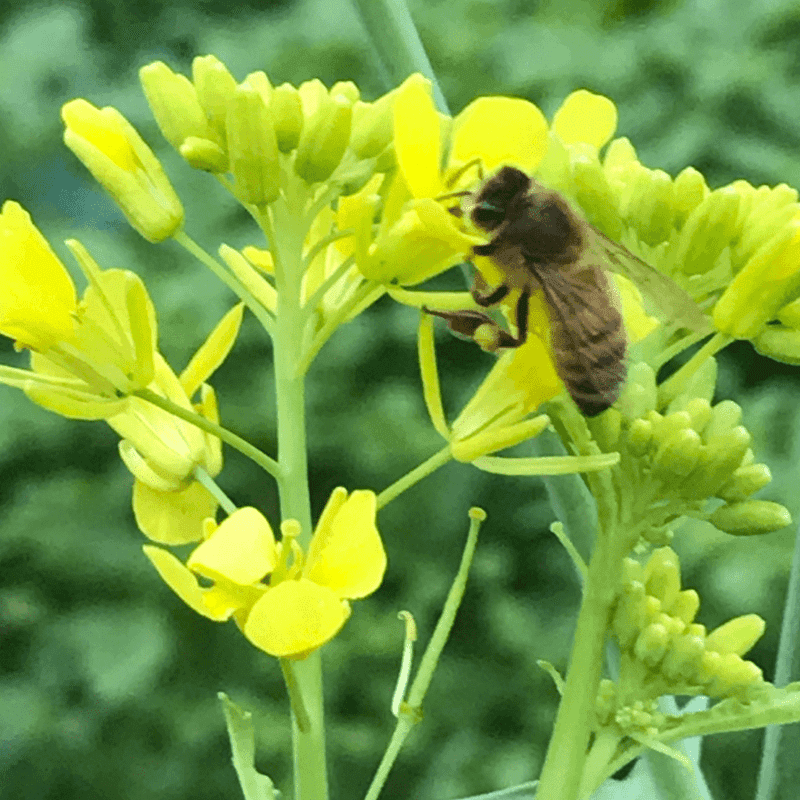
Not every bad neighbor is something you planted on purpose. Field mustard and its weedy relative charlock pop up in many Southern beds, especially after cool, wet winters.
These fast weeds grow quickly and form dense patches. Some studies suggest mustard plants release compounds that can slow nearby seedlings, a process called allelopathy.
Whether or not that effect is strong in your yard, the crowding alone can rob beets of water, light, and space.
Young beets are slow starters, which makes them easy to bully. A beet seedling surrounded by mustard weeds may never catch up, leaving you with roots no bigger than a thumb.
The fix is simple but needs steady attention. Pull mustard weeds while they are small, before they flower and drop seeds.
A light layer of straw or shredded leaves between beet rows can also cut down on new weeds.
Gardeners who use mustard as a cover crop should give the bed a few weeks after turning it under before sowing beets. That waiting period may lower any leftover effect on seed germination.
A clean start gives beet seedlings the head start they really need.
10. Swiss Chard and Spinach
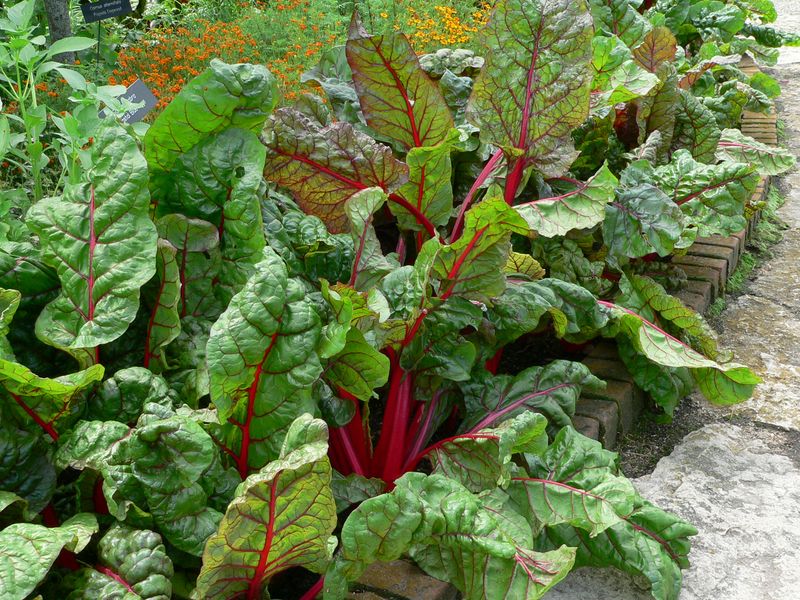
Family reunions are fun, but not in a vegetable bed. Swiss chard is basically a beet bred for leaves, and spinach belongs to the same plant family.
Packing them together sounds tidy, yet it often backfires.
Close relatives share the same pests and diseases. Leaf miners, which tunnel through leaves and leave pale squiggly trails, attack beets, chard, and spinach alike.
When all three sit side by side, pests can hop from plant to plant with ease. Cercospora leaf spot, a common problem in humid Florida weather, spreads the same way.
They also want the same nutrients from the same soil depth. That puts beets in direct competition for food and water, and the root is usually what suffers.
You do not need to give up chard or spinach. Grow them in a separate bed, or at least a few feet apart.
Rotating where you plant this family each season can also help break pest and disease cycles.
Watch for leaf miner trails and pinch off damaged leaves early. Healthy leaves mean steady energy for the root below, and that is the real secret to beets with real size.