
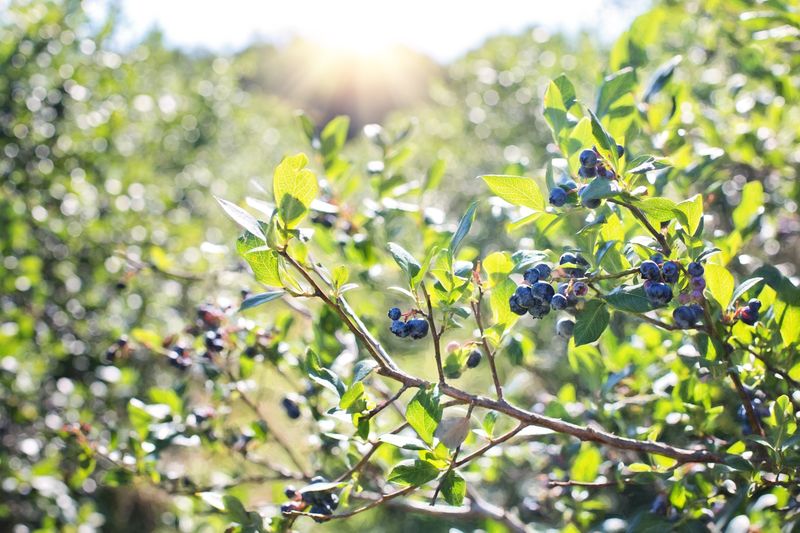
Once the last berry is picked, a blueberry bush can look like it has nothing left to do. Out of sight, though, many plants are already forming the buds that may become next year’s fruit.
What happens to the leaves, roots, and soil this fall can help protect that potential. Here is what to check, what to skip, and how Florida and Texas gardeners can tell the difference.
Next year’s potential crop begins before winter
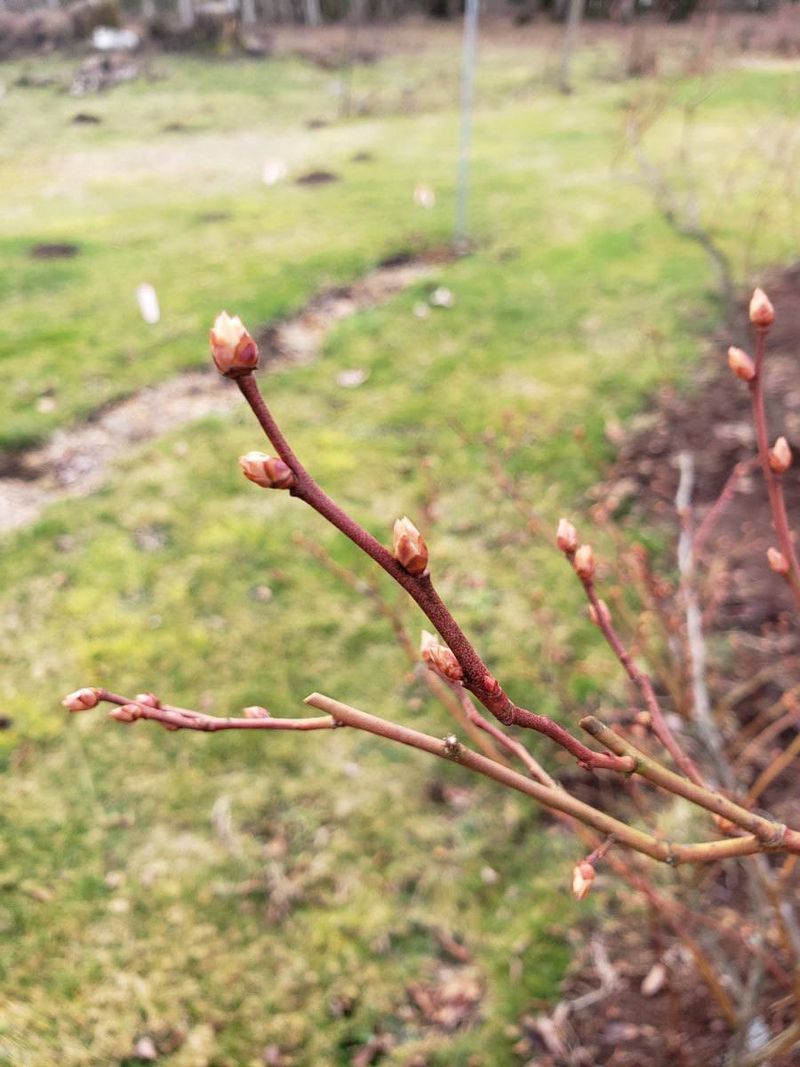
Picking may be finished, but the bush is not idle. Flower buds for next year’s crop form on the current season’s growth, generally in late summer or early fall.
UGA Extension explains that short days encourage this bud initiation, while fall temperatures above about 84°F can inhibit it.
That temperature is a guide, not a universal line. Timing shifts with cultivar, day length, weather, and growing conditions, so your bushes may not match a neighbor’s across town.
Here is the honest frame. Fall care can help protect the plant and the buds it is building, but it cannot decide the whole harvest.
Think of these weeks as protecting potential, not locking in berries.
What do the buds tell you?
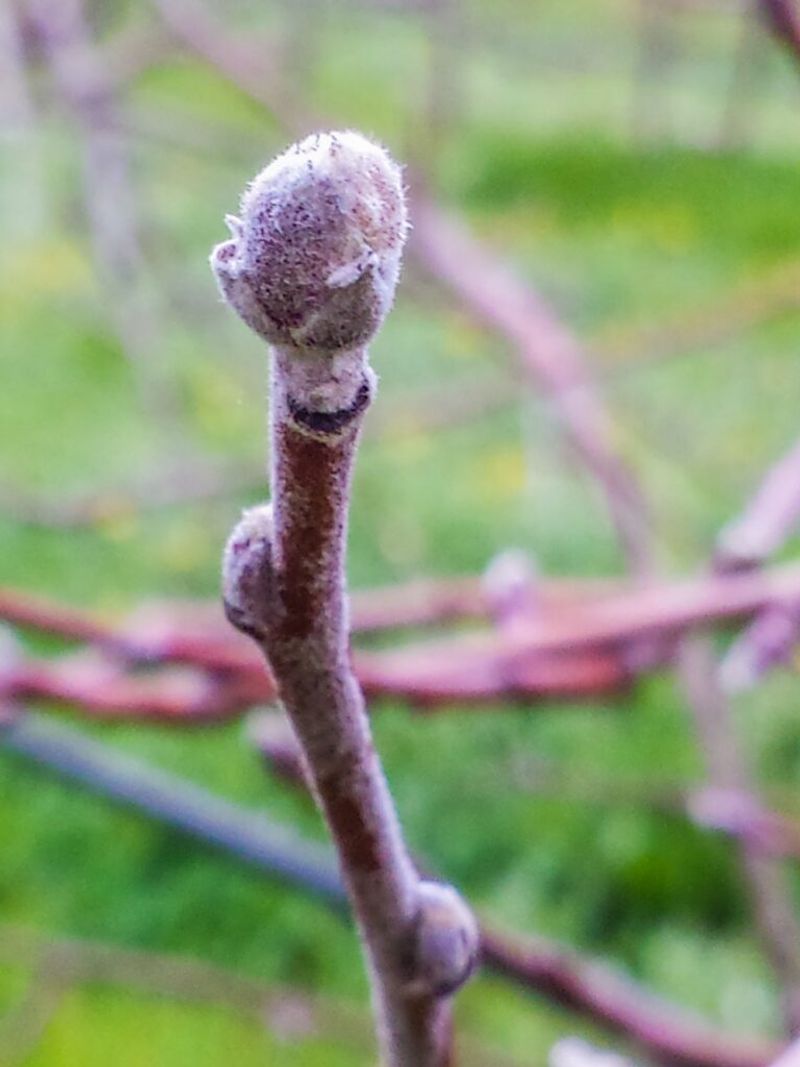
A quick look at a shoot can tell you a lot. Plump, rounded buds near the shoot tips are generally flower buds, according to UGA’s bud guide.
Smaller, slimmer buds are generally vegetative buds, which grow leaves and stems instead of fruit.
Plenty of fat buds suggests the plant has set up some potential. Mostly slim buds may mean a leafier year ahead, or a bush that is still catching up.
Neither is a verdict.
Treat what you see as a clue, not a forecast. Cold snaps, pollination, and water can still change the outcome, and the University of Maryland home garden guide is a handy reference for comparing bud types.
Look gently, and skip any cutting while you are inspecting.
Protect leaves and shallow roots through dry spells
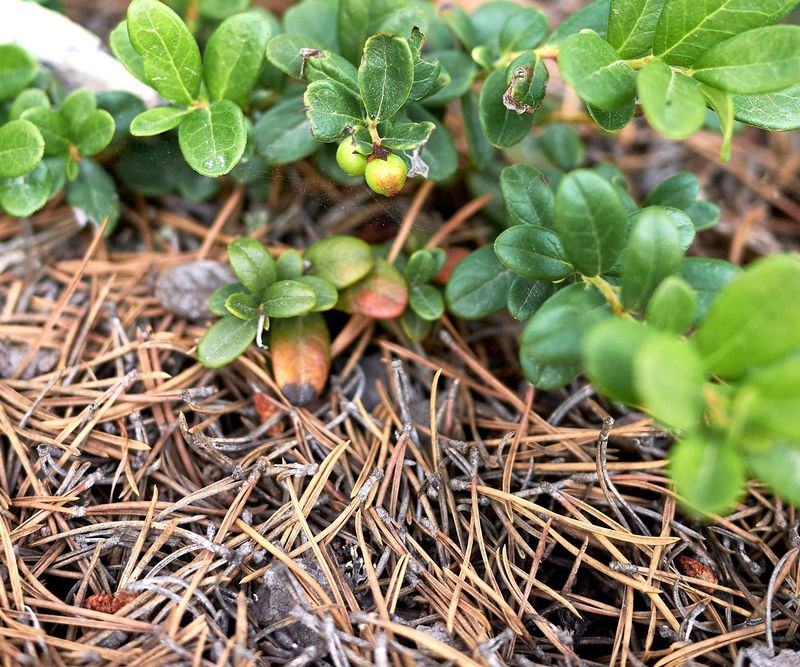
Leaves are the plant’s food factory, and losing them early can cost you. UGA notes that premature fall defoliation can reduce flower-bud numbers.
If leaves are dropping while it is still warm, look for dry soil and other stress.
Blueberry roots are shallow and fine, so the root zone can dry out faster than you expect. Water according to rainfall, soil, and what the plant is telling you, not a fixed calendar.
Pay extra attention during dry spells and while young plants are establishing, and see UGA’s blueberry irrigation guidance for water quality.
Mulch can help conserve moisture and suppress weeds around those shallow roots. It supports plant health, but it will not promise a bigger crop.
Check soil pH before trying to change it
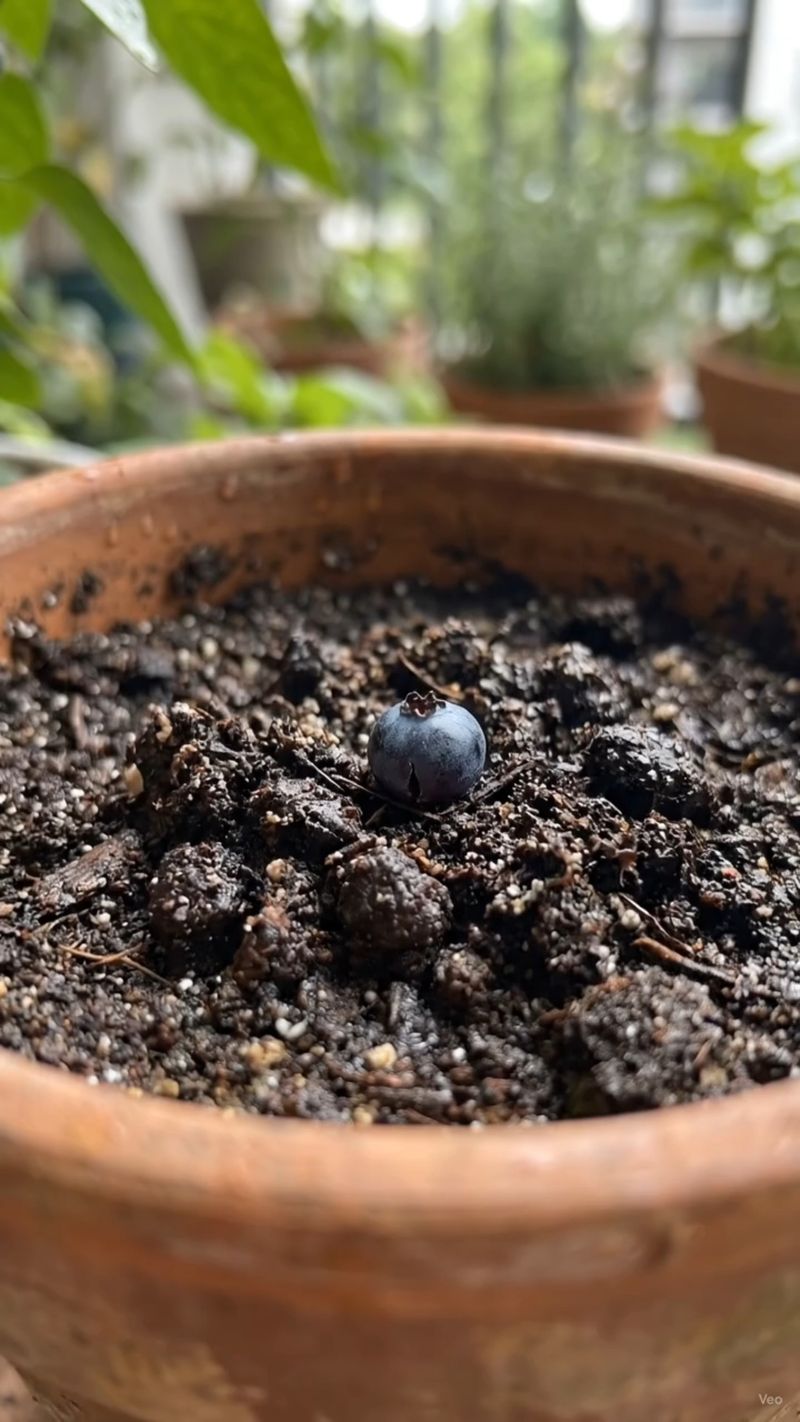
Before reaching for an amendment, find out what your soil is actually doing. A test costs little and prevents guesswork.
Blueberries need strongly acidic soil, and UGA recommends about 4.5 to 5.2 for home-garden blueberries.
Texas A&M gives 4.0 to 5.5 for rabbiteye blueberries. Notice the ranges apply to different groups, so match the number to your type.
Resist adding sulfur or another acidifier at a guessed dose. Too much can harm roots, and too little may do nothing.
Water matters too. In Texas, alkaline soil or unsuitable irrigation water can make growing blueberries difficult, and acidifying will not make every site suitable.
If your test shows a gap, ask your county Extension office how to close it for your soil and bush type.
Fertilizing and pruning do not follow one Southern fall calendar
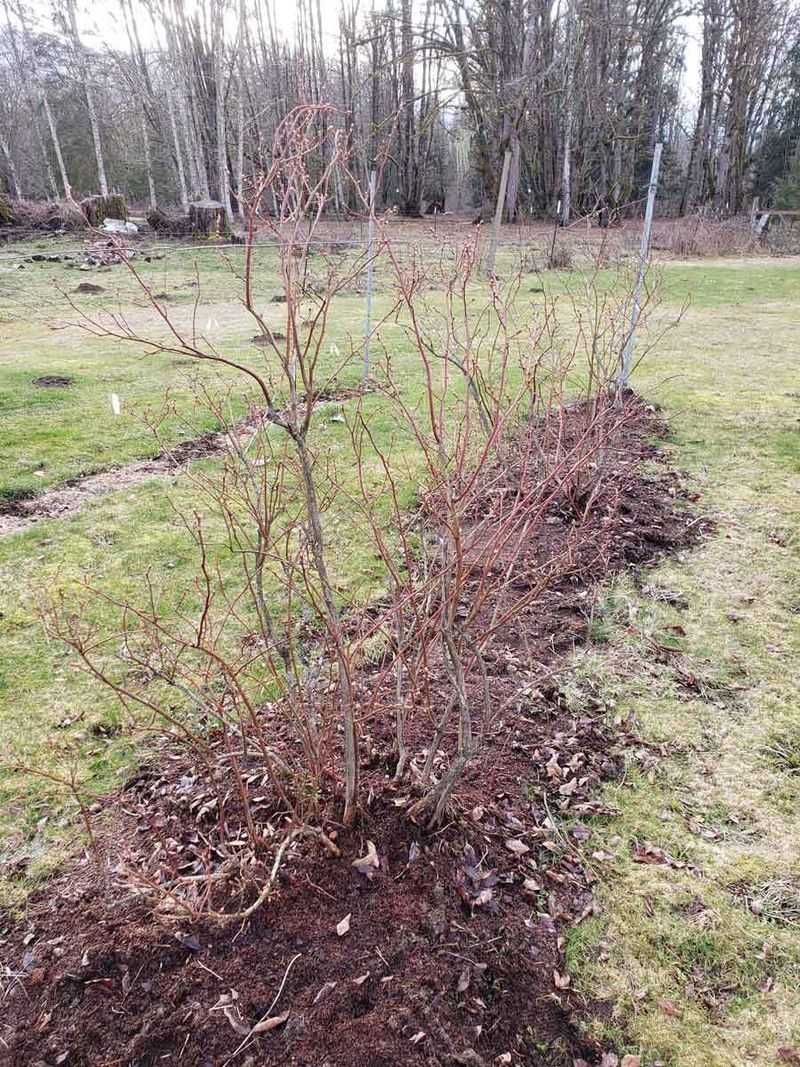
Advice to fertilize or prune every bush in fall sounds tidy, but the sources do not back it. For rabbiteyes, Texas A&M recommends fertilizing in late winter to early budbreak and again in early summer after harvest.
Florida is different. UF/IFAS fertilizer guidance varies by production system, and decisions depend on plant growth, media, water, and nutrient analysis.
Too much fertilizer can injure roots, as UGA’s pine bark bed guidance cautions.
Pruning varies too. The Blueberry Gardener’s Guide and UF/IFAS pruning advice describe postharvest pruning for mature southern highbush and cane-renewal pruning in December or January.
Those are regional practices, not rules for every bush. Skip automatic cuts, since unnecessary pruning can remove developing buds.
Which blueberry you grow—and where—changes the advice
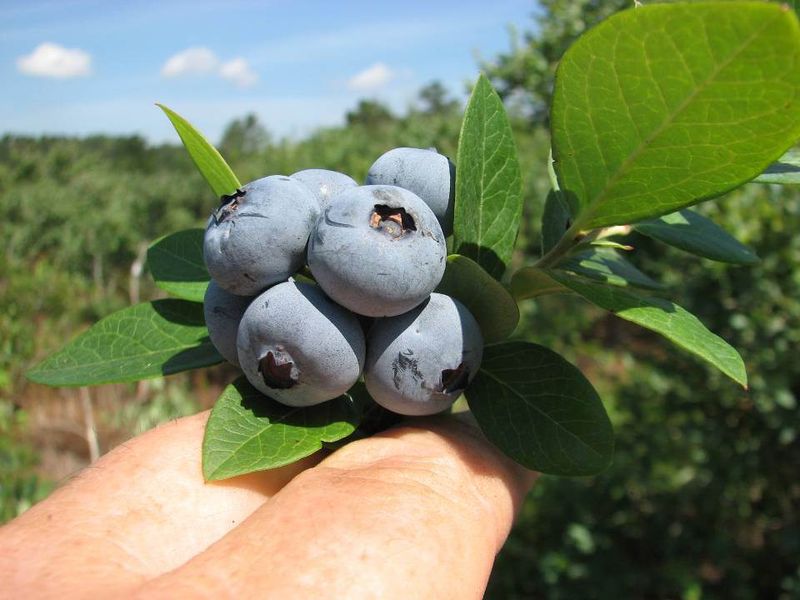
The South is not one blueberry climate. In Florida, UF/IFAS says cultivar and type depend on location.
Rabbiteye is generally preferred north of Lake City, while southern highbush suits areas south of Ocala.
Mild Florida winters also call for low-chill cultivars. A variety that thrives in the Panhandle may struggle in South Florida, so check which type you actually have.
Texas guidance reads differently. Texas A&M’s crop guide focuses especially on East Texas and rabbiteye blueberries.
It stresses site, soil, and water suitability, which matches the Texas A&M production publication.
Look for guidance written for your region and blueberry type, and be cautious of any single calendar offered for all Southern yards.
Protect the promise, not a guaranteed harvest
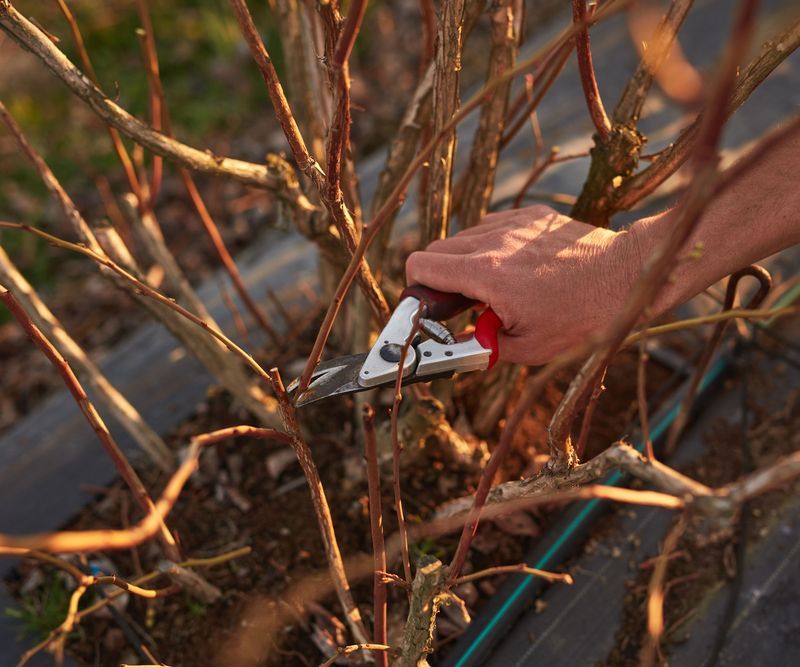
Keep the plant healthy, check its real conditions before amending or cutting, and follow advice suited to its type and location. Bud formation is one stage among several.
As UGA’s fruit set guide shows, spring freezes, pollination, and water still shape what ripens.
A bush that looks finished is usually just resting, with buds to be tested by spring.