
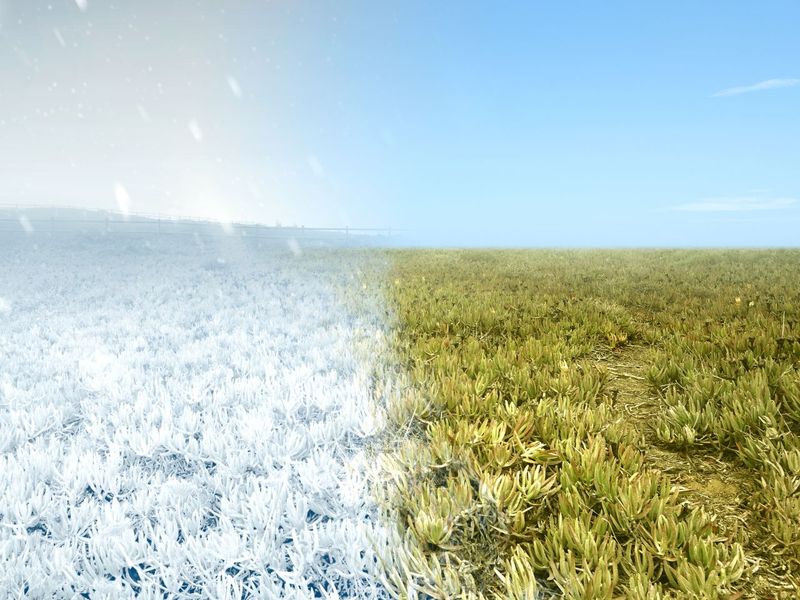
A Florida lawn can look summer-green right up until a chilly night changes the picture. St. Augustine grass slows down as temperatures fall, and the care it needs changes with it.
A few smart adjustments now can help prevent weak growth, soggy patches, and needless damage. Start with these seven jobs before the first cold snap arrives.
1. The Right Mowing Height
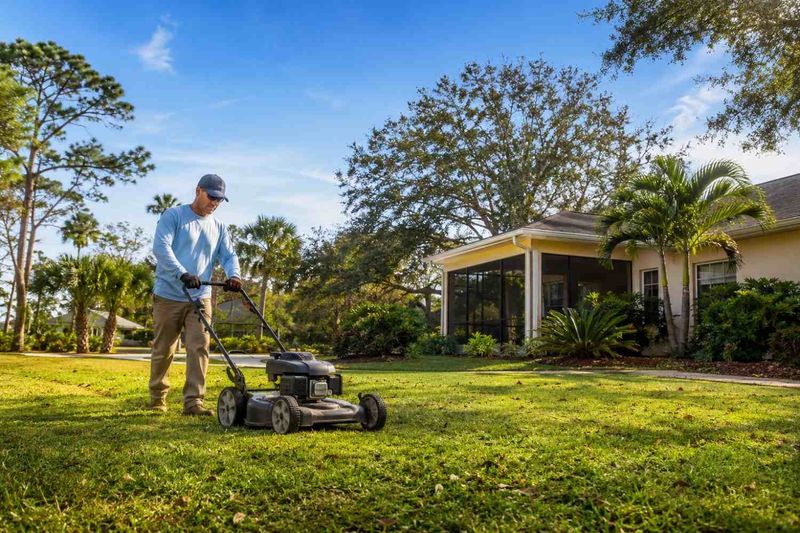
A close haircut is the last thing your lawn needs before chilly weather. St. Augustine grass does better when you keep it at the proper height instead of giving it a short final mowing.
UF/IFAS guidance generally puts standard cultivars, including Floratam, at 3.5 to 4 inches. Some dwarf cultivars need a lower setting, so check your variety before changing the mower.
Keep following the one-third rule: remove no more than one-third of the leaf blade at a time. As growth slows, stretch the time between mowings rather than lowering the blade to make the job feel worthwhile.
Sharpen a dull mower blade, too. Ragged leaf tips look brown and add stress when the grass is already shifting into slower growth.
Leave fine clippings on the lawn when they scatter evenly, but break up heavy clumps that cover the grass. There is no need for a special winter scalp in Florida; preserving healthy leaf area is the useful move.
2. A Cooler-Weather Watering Schedule
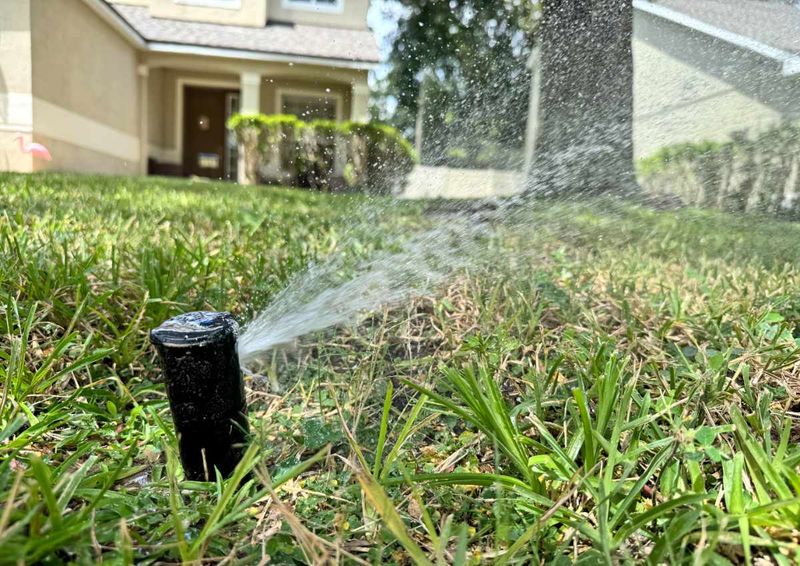
Your sprinkler timer does not know that summer is over. Leaving it on a hot-weather schedule can keep a cooling lawn wetter than it needs to be.
Watch for folded leaf blades, a blue-gray cast, or footprints that linger after you walk across the grass. Those signs are more useful than watering simply because a certain day appears on the calendar.
When irrigation is needed, UF/IFAS commonly recommends about one-half to three-quarters of an inch per application. Set out straight-sided containers to measure your system, and stop short of runoff or puddling.
Florida’s sandy soils can dry quickly, but cooler temperatures usually reduce water demand. Shady areas often need less irrigation than sunny ones, while recent rain may mean the whole yard can skip a cycle.
Water in the early morning and follow local restrictions. Before a freeze, check soil moisture rather than automatically adding water; a reasonably moist root zone is helpful, but saturated soil is not.
Never run ordinary lawn sprinklers overnight as a makeshift frost-protection system. Ice buildup and uneven coverage can create more problems than they solve.
3. A Region-Smart Fertilizer Plan
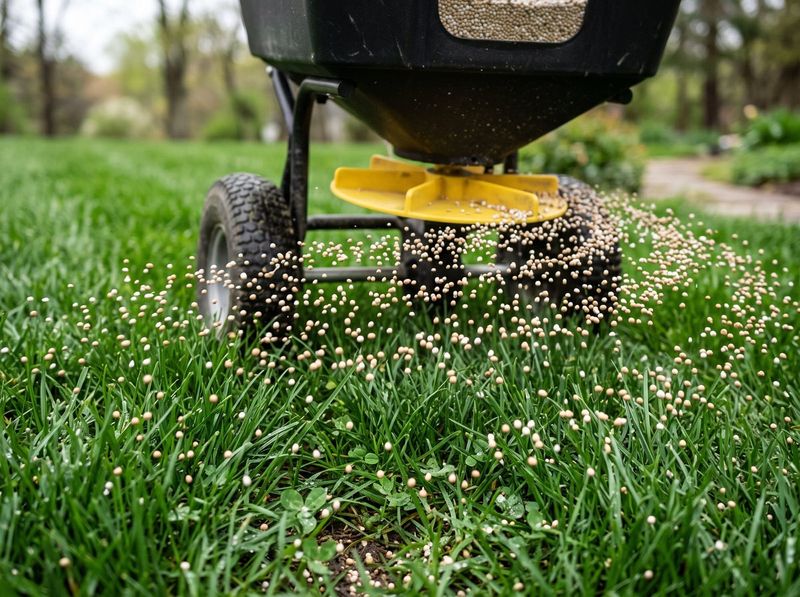
A bag marked winterizer is not a Florida lawn-care calendar. Feeding at the wrong time can push fresh growth just as St. Augustine grass should be slowing down.
North Florida lawns face a different fall schedule than lawns in Miami or the Keys. Use your county UF/IFAS Extension recommendations, local fertilizer rules, and the lawn’s actual growth to decide whether any application still belongs on the calendar.
Where frost is expected, finish nitrogen feeding well ahead of the usual first frost, generally at least four to six weeks beforehand. If the cold snap is already close, skip the last-minute feeding instead of trying to force extra color.
Do not assume extra potassium is needed just because temperatures are falling. A soil test can help identify nutrient needs, and phosphorus should not be applied without a demonstrated need and compliance with local rules.
If an application is appropriate, choose a lawn fertilizer suited to St. Augustine and follow the label rate. Sweep granules off pavement, keep them away from water, and never fertilize frozen, dormant, or waterlogged turf.
4. A Clear, Sunlit Lawn Surface
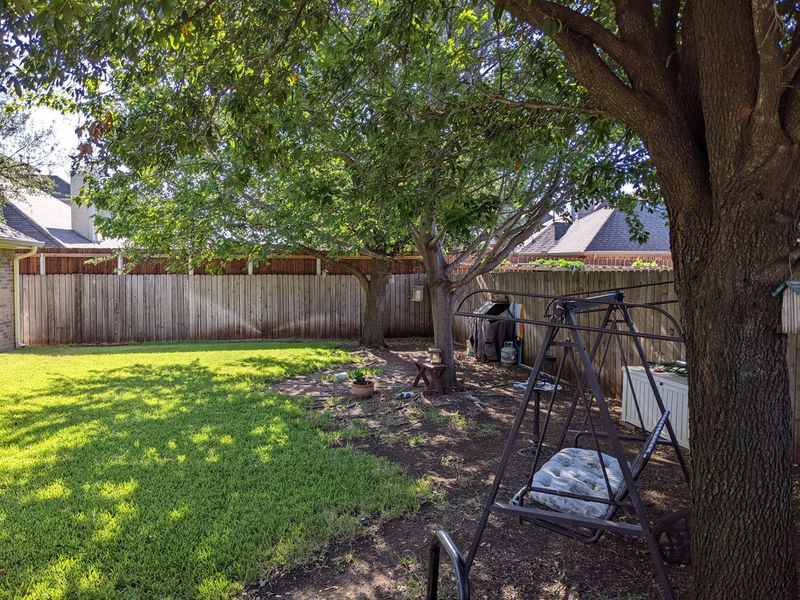
That damp blanket of oak leaves can quietly steal the light your grass needs. As days shorten, keeping the lawn surface open becomes a simple way to reduce avoidable stress.
Rake or blow off thick leaf piles before they settle into a wet mat. A few dry leaves can be chopped with the mower if the pieces disappear between the blades, but piles that still hide the grass need to go.
Move suitable leaves into planting beds or a compost area rather than dumping them in a storm drain. A modest leaf layer in beds also provides shelter for beneficial insects without smothering your turf.
Pick up fallen branches, storm debris, toys, and portable furniture that have been sitting in the same spot. Each one can leave a weakened patch that recovers slowly once growth drops.
Keep cleanup gentle around St. Augustine’s surface runners. Aggressive raking, dethatching, or disruptive lawn renovation is better saved for active growth, not squeezed in just before cold weather.
5. A Check for Large Patch and Pest Damage
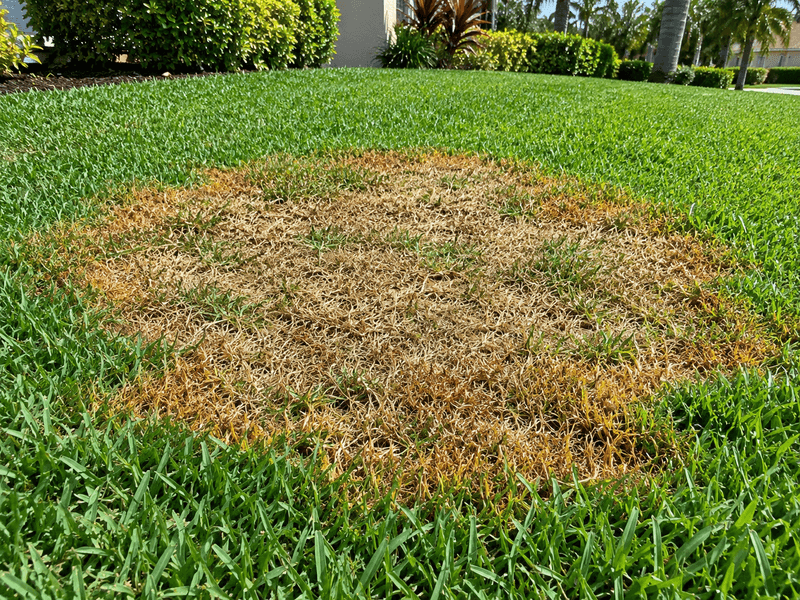
An expanding yellow circle deserves a closer look before you blame the weather. Cool, damp conditions can favor large patch, a fungal disease that affects St. Augustine lawns in Florida.
Look for roughly circular areas of yellow or brown grass, sometimes with an orange edge. Affected leaves may pull loose from their bases, but symptoms alone are not enough to confirm the cause.
Chinch bugs, irrigation problems, shade, and other issues can also leave ugly patches. Chinch bug damage often appears in sunny, dry locations, so check the site and look for insects rather than treating every brown spot alike.
Photograph the area, note whether it is spreading, and contact your county Extension office for identification help. A clear diagnosis can save you from buying a fungicide when the real problem is a broken sprinkler.
Meanwhile, avoid excess nitrogen and unnecessary watering. If treatment is recommended, use a product labeled for the problem and St. Augustine grass, following every direction; treatment will not instantly turn damaged leaves green.
6. An Early Plan for Winter Weeds
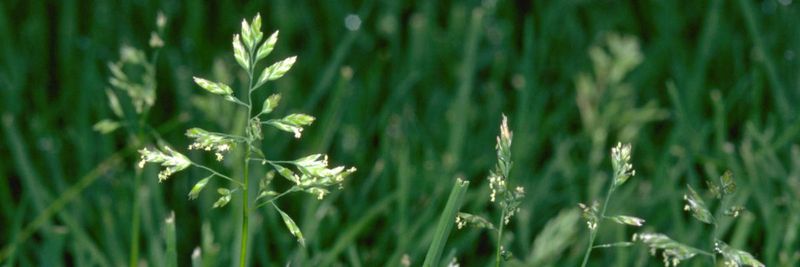
Winter weeds start their work before most homeowners notice them. Annual bluegrass and other cool-season weeds can sprout as Florida’s soil cools, then stand out when the surrounding turf slows down.
Walk the yard now and identify what is growing. Small, scattered weeds are often easiest to pull by hand while the soil is slightly moist, especially near beds, trees, and drains.
If winter annual weeds return every year, ask your county Extension office about local preemergence timing. That window follows soil temperatures and regional weather, not a single statewide date or the arrival of the first frost.
A preemergence herbicide prevents certain seeds from establishing; it does not remove weeds already growing. Select only a product labeled for your St. Augustine cultivar, and follow its watering and application instructions.
Skip a casual weed-and-feed application just to save a trip across the yard. Fertilizer and weed-control needs may not line up, and some herbicides can injure stressed turf.
For a few weeds, targeted removal is usually the simpler choice. Keep sprays away from flowering plants and nearby water.
7. A Frost-Day Protection Plan
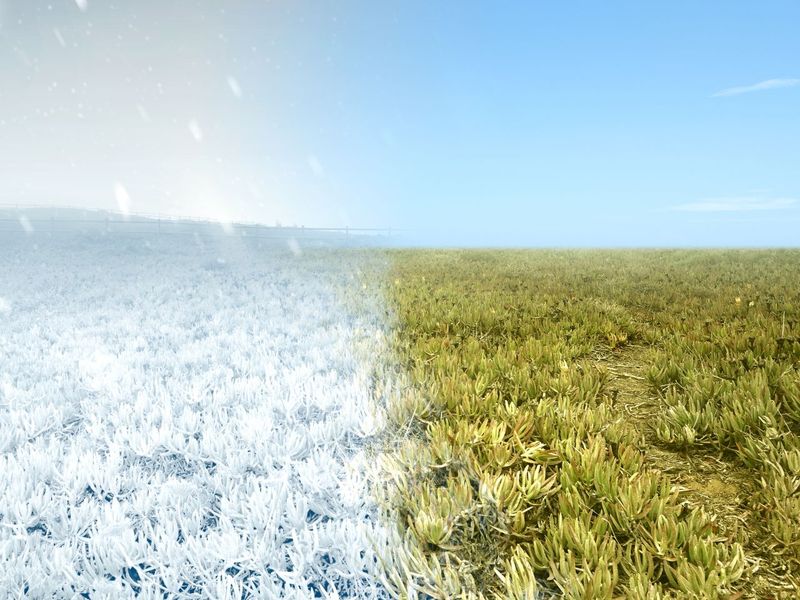
Crunchy grass under your shoes is a signal to stay on the sidewalk. Walking or driving over frosted turf can damage frozen leaves and leave tracks that remain visible after the frost melts.
Before a cold night, move vehicles, play equipment, and other heavy objects off the lawn. Plan a route for pets and morning chores that avoids repeated trips across frozen grass.
There is usually no practical reason to cover an entire established St. Augustine lawn. Instead, focus on sensible care beforehand and avoid trying to heat the yard or coat it with sprinkler ice.
Once the frost has melted and the ground is firm, normal light use can resume. Hold off on mowing while the grass is frozen, wet, or too slow-growing to need a cut.
Expect some browning after cold weather, particularly in North Florida and exposed inland yards. Brown leaves do not automatically mean the lawn is dead, and fertilizer will not reverse freeze injury.
Wait for sustained warmth and renewed growth before judging recovery or planning major repairs. Patience protects both your grass and your budget.