
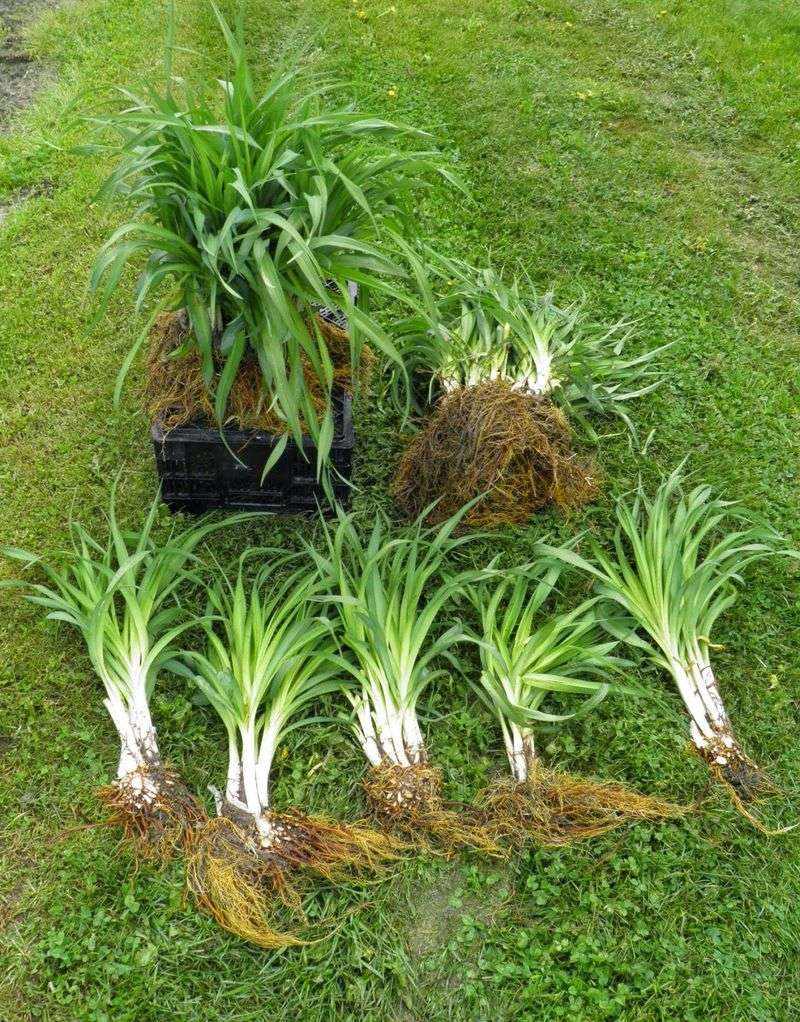
Daylilies are tough plants, but tired clumps can come back thin and spotty after a long year. The good news is that two simple chores in late fall can make a big difference in how full they look next spring.
Southern gardeners in places like Texas and Florida have a little extra time for this, since frost often shows up late or barely at all. Spend an afternoon on these jobs now, and your beds may reward you with denser foliage and more flower stalks.
1. Cut Back and Clean Out Old Foliage
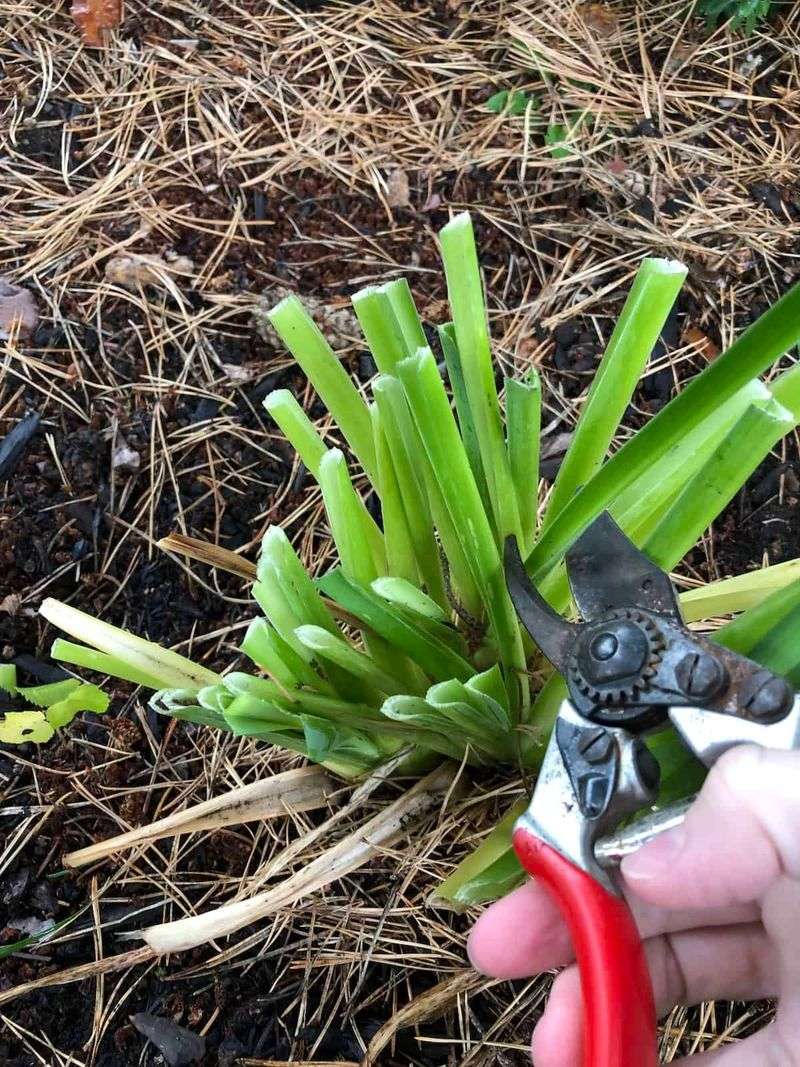
Picture a daylily clump in November: flopped leaves, brown tips, and a soggy mat hiding the crown. That tangle looks harmless, but it can shelter slugs, aphid eggs, and fungal spots like leaf streak and rust through the cool months.
Once the foliage yellows or gets knocked back by the first cold snap, trim it to about 3 to 4 inches above the ground. In much of Texas and Florida, many evergreen and semi-evergreen types keep some green all winter, so only remove the dead or diseased leaves instead of shearing everything.
Rake up the clippings and bag them rather than tossing them in the compost if you noticed spotting or rust.
Why does a cleanup help growth? A clear crown gets better airflow and sunlight, which often reduces rot during wet winter spells.
New fans can push up without fighting through a moldy blanket of old leaves.
Finish with a light layer of pine straw or shredded bark, about 2 inches deep, kept a few inches away from the crown itself. Mulch helps hold moisture and evens out soil temperatures during those odd Southern swings between warm afternoons and chilly nights.
2. Divide Crowded Clumps
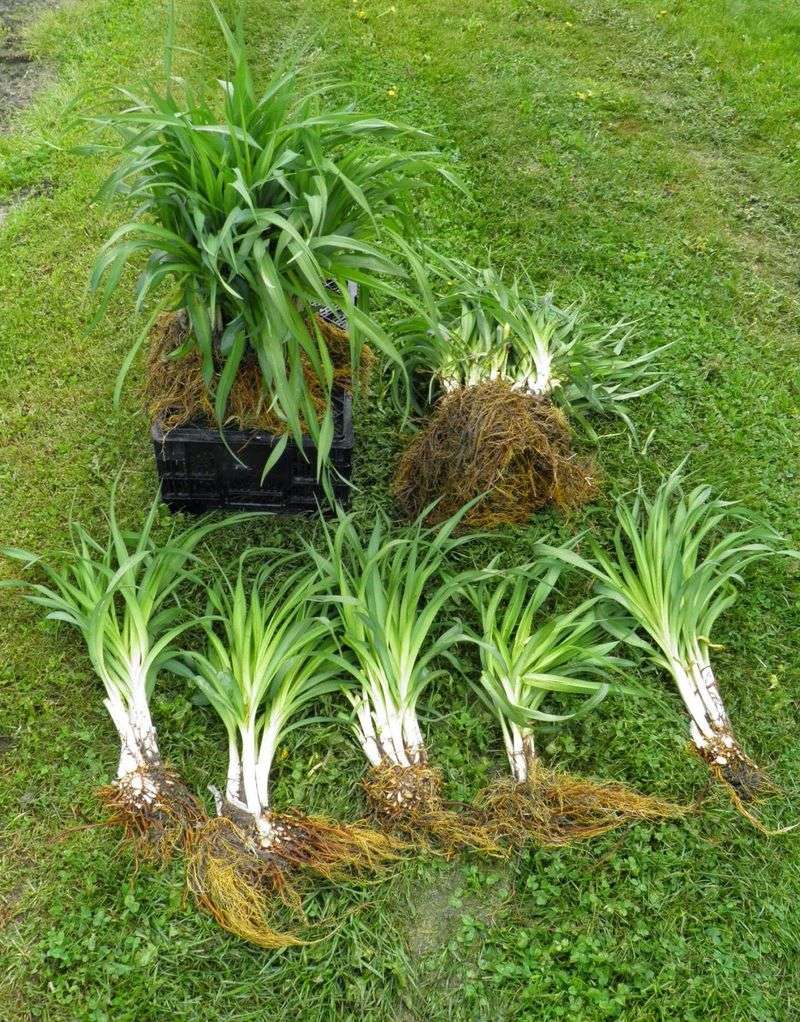
Here is a little secret from old-time gardeners: the thickest daylily beds usually belong to people who split their plants every few years. When a clump gets crowded, the middle often goes bare and bloom counts drop, even with good feeding.
If your plants are three to five years old and flowering less, fall is a smart time to divide them. In the South, roots keep growing in warm soil well into autumn, giving divisions weeks to settle in before spring.
Aim for about four to six weeks before your typical first frost, or anytime in mild coastal and Florida winters.
Dig around the whole clump with a garden fork and lift it out. Shake off loose soil, then pull or cut it into sections with two or three fans and a healthy chunk of roots each.
Toss any mushy or hollow pieces.
Replant at the same depth they grew before, spacing divisions 18 to 24 inches apart, and water deeply. A spoonful of compost in each hole can help them get going.
Fun fact: one big clump can easily turn into a whole border, so share extras with neighbors.