
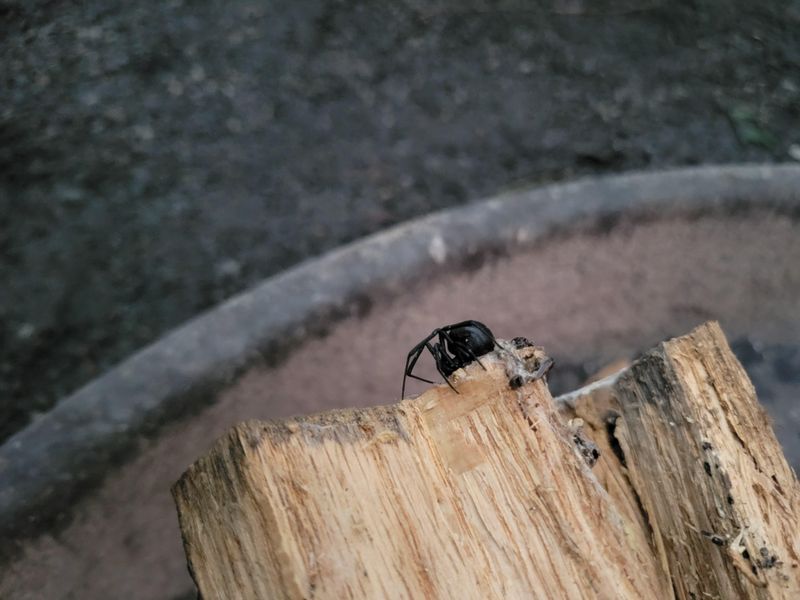
When Central Texas nights finally cool off in fall, black widow spiders start looking for sheltered spots, and your garage is often first on their list. These shy, glossy spiders love dark, quiet corners where boxes, tools, and yard gear pile up.
A bite is rare but can be painful and serious, so knowing where they hide helps you clean safely. Here are nine garage hot spots to check before you reach in bare-handed.
1. Behind Stacked Cardboard Boxes
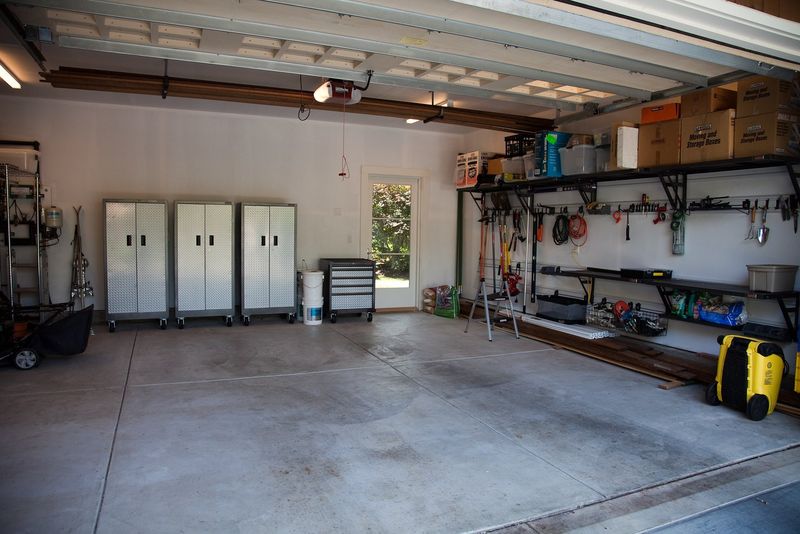
Picture that tower of moving boxes you swore you would sort last spring. To a black widow, it looks like a five-star hotel with free room service from passing crickets.
Cardboard creates tight gaps and stays undisturbed for months, which is exactly what female widows want for building their messy, tangled webs. They usually anchor those webs low, near the floor where the box meets the wall.
Swap cardboard for clear plastic bins with snug lids when you can. Lift boxes rather than sliding your hand along the bottom, and wear thick gloves while you work.
2. Under Workbenches and Shelving Units
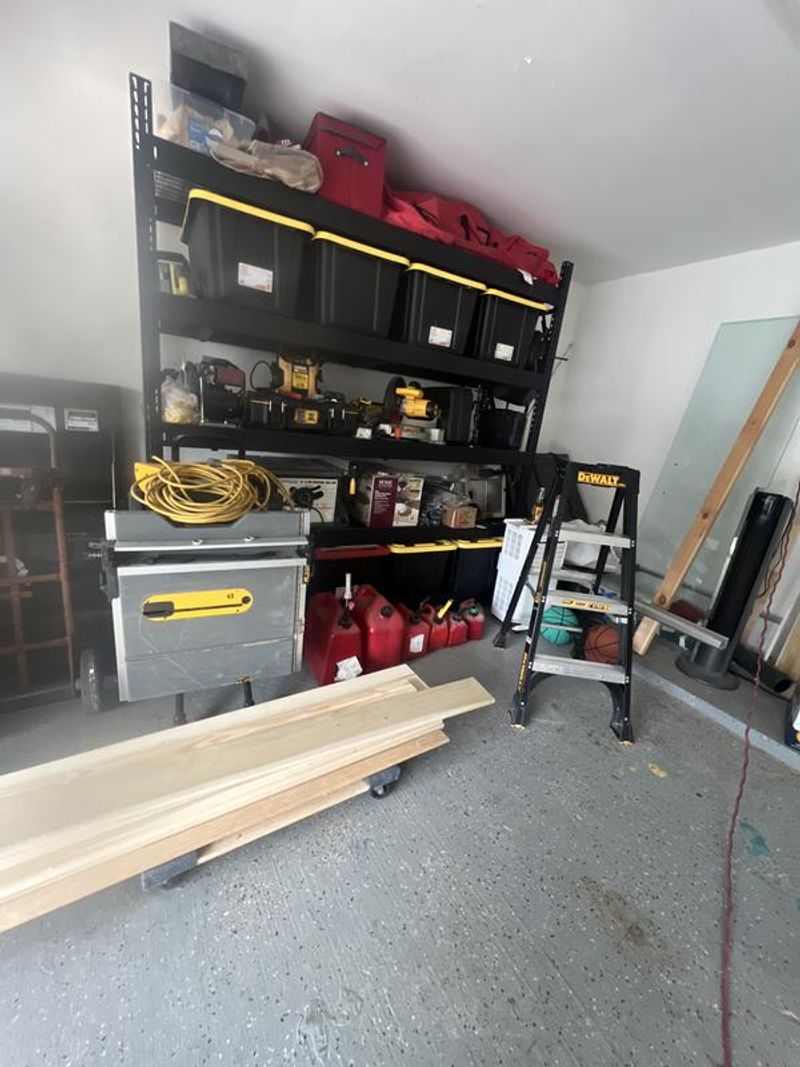
Few places stay as dark and forgotten as the floor space beneath a workbench. You stand over it daily, yet your hands rarely go there, and widows notice that kind of peace.
Paint cans, old buckets, and scrap lumber stored underneath add even more hiding pockets. The back corner against the wall tends to be the favorite, since insects wander in along the baseboard.
Clear the floor under benches once each fall and shine a flashlight before reaching in. Keeping that space open makes webs easy to spot and remove with a long-handled broom.
3. Inside Stored Gardening Gloves and Boots
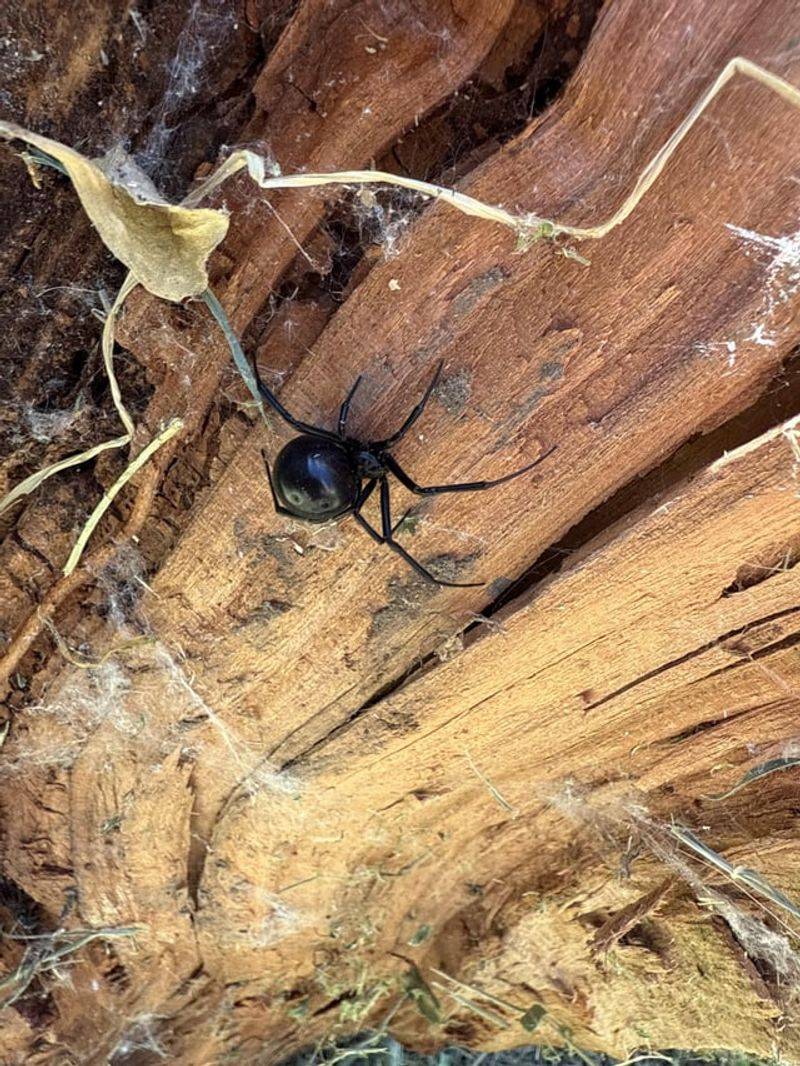
Ask any longtime Texas gardener and you may hear a story that starts with pulling on a glove that felt a little lumpy. Footwear and gloves left still for weeks can become snug little caves.
After a busy summer of yard work, many of us toss these items on a shelf and forget them until fall planting season. That gap is plenty of time for a spider to move in.
Shake out gloves and boots hard, or tap them upside down, before every use. Better yet, hang them on hooks or store them in sealed bins between projects.
4. Around the Garage Door Tracks and Weatherstripping
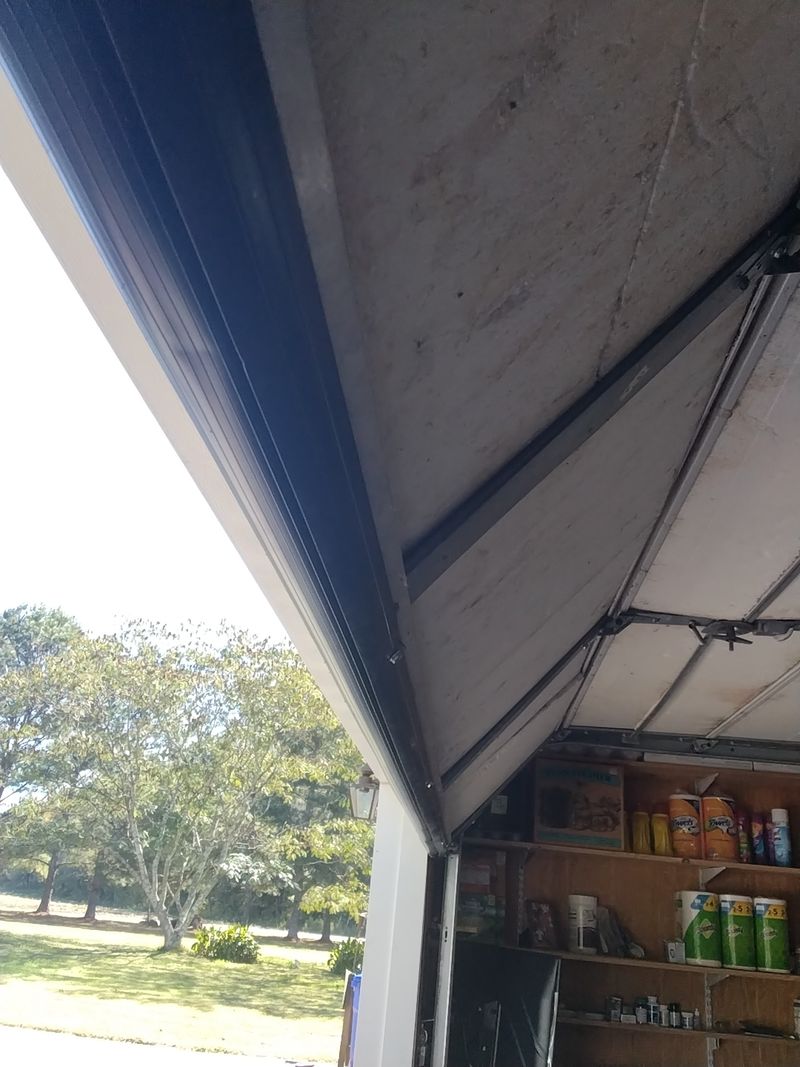
Here is a fun fact: black widows rarely wander far once they settle, so an entry point near the door often becomes a permanent address.
The bottom corners where the door meets the track collect leaves, dust, and bugs blown in from outside. Worn or cracked weatherstripping leaves gaps that invite both prey and predators indoors.
Run a flashlight along both bottom corners each month this fall. Replacing damaged seals can reduce the number of insects sneaking in, which may make the spot less attractive to widows in the first place.
5. Piles of Firewood and Lumber Scraps
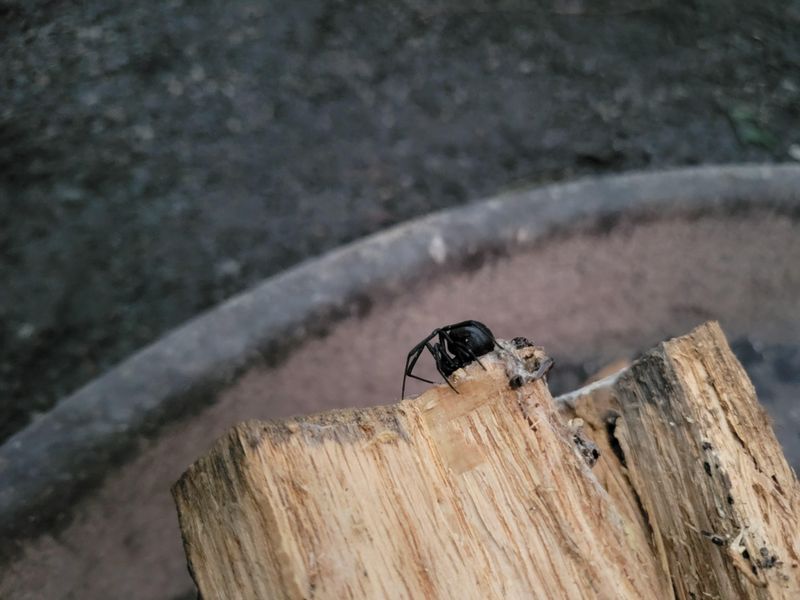
Cooler evenings in the Hill Country have folks thinking about firepits and fireplaces. Unfortunately, bringing that wood stack into the garage can also bring hitchhikers.
Wood piles offer countless crevices, and black widows often live in them outdoors already. Stack them inside, and you have moved the spider right along with the oak.
Keep firewood outside, raised off the ground, and at least several feet from the house when possible. Carry logs in only as needed, and wear gloves while handling them.
6. Beneath Lawn Mowers and Yard Equipment
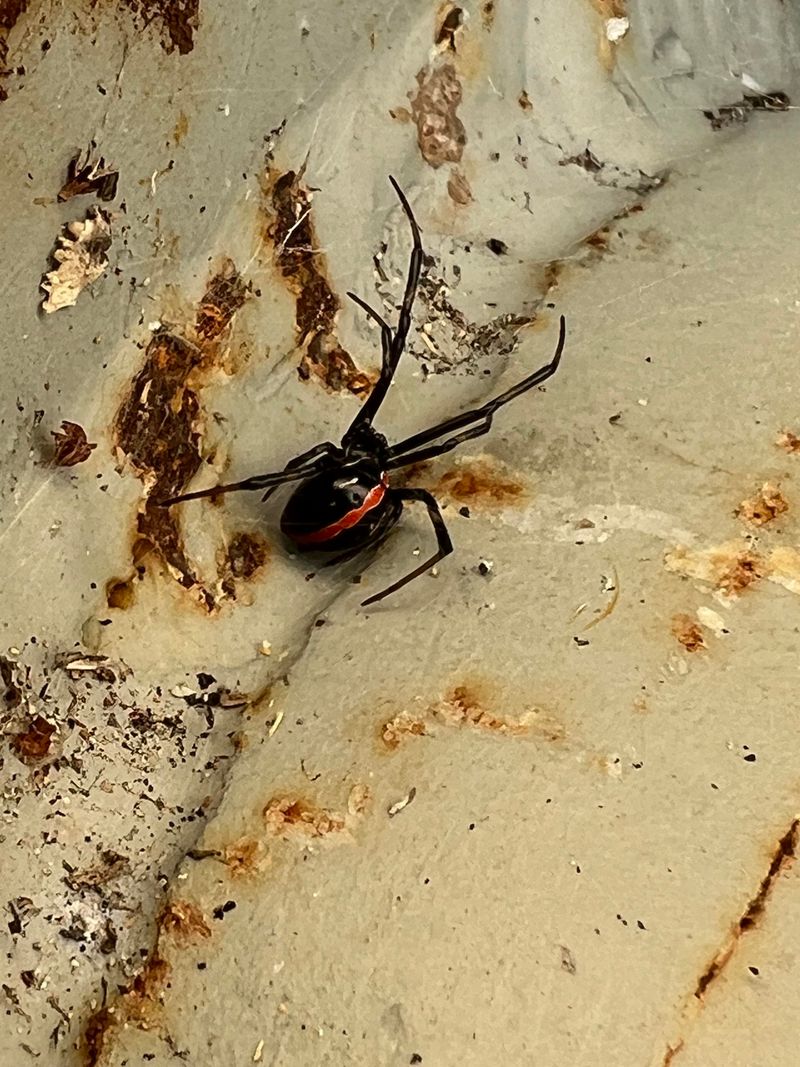
Once St. Augustine and Bermuda lawns slow down in fall, the mower gets parked and ignored. That quiet underside of the deck makes a tidy, sheltered nook.
Trimmers, spreaders, and blowers propped in a corner create the same effect. The tangle of handles and cords also gives widows plenty of anchor points.
Before pulling equipment out for that last cut of the season, tip it carefully and look underneath. A quick blast from a hose outside or a sweep with a broom clears webs safely.
7. Stacks of Empty Flower Pots
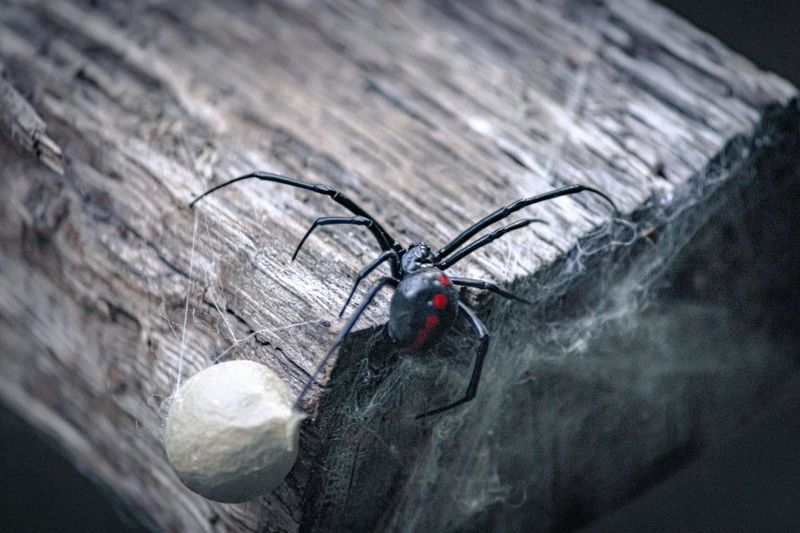
Nested pots are a gardener’s guilty pleasure. We save every one from the nursery, just in case, and they pile up fast.
The hollow spaces between stacked pots stay dark and dry, which suits a widow perfectly. Drainage holes even give them a back door.
Pull stacks apart slowly with gloves, and consider storing pots upside down on open shelving. Recycling extras through local nurseries clears clutter and cuts down on hiding spots.
8. Holiday Decoration Bins
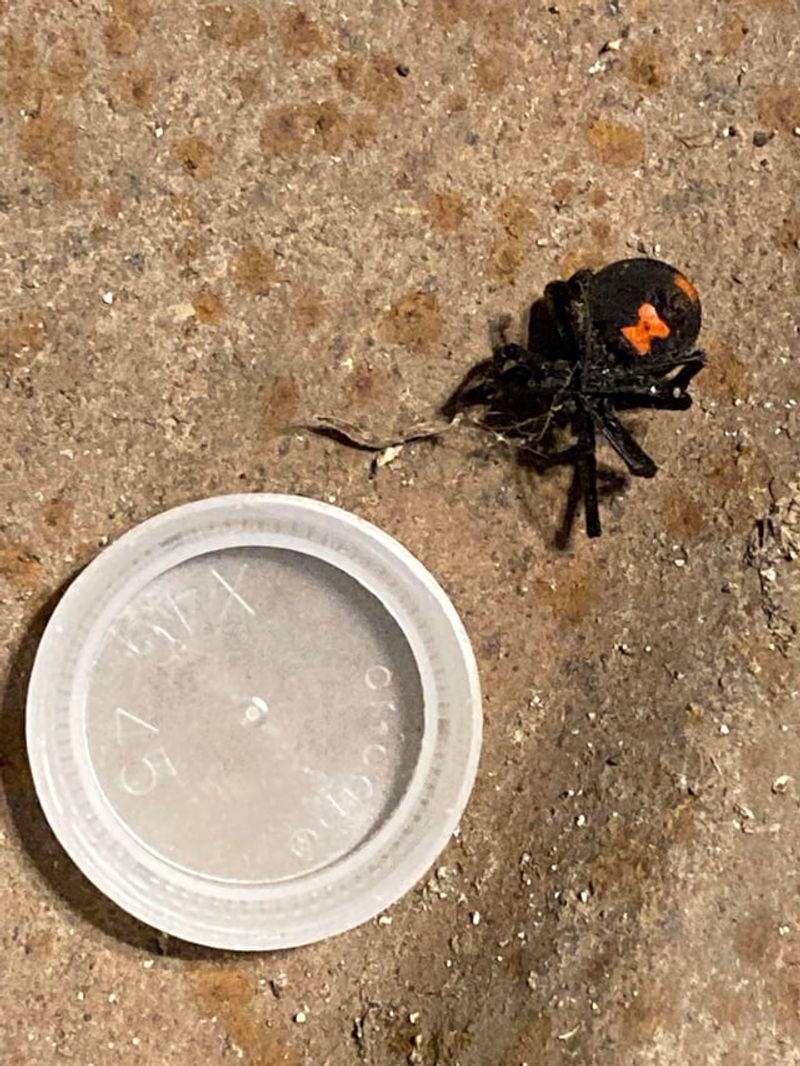
Nothing spoils the fun of decorating quite like a spider crawling out of a wreath. Fall is exactly when Texans start hauling out Halloween and holiday bins.
Those containers sit untouched for nearly a year, and loose lids or open boxes let widows settle right in. Tangled light strands and artificial greenery add even more cover.
Open bins outside in daylight and give contents a shake before bringing them indoors. Tight-sealing lids make next year’s unpacking much less surprising.
9. Cracks Along Walls and Utility Corners
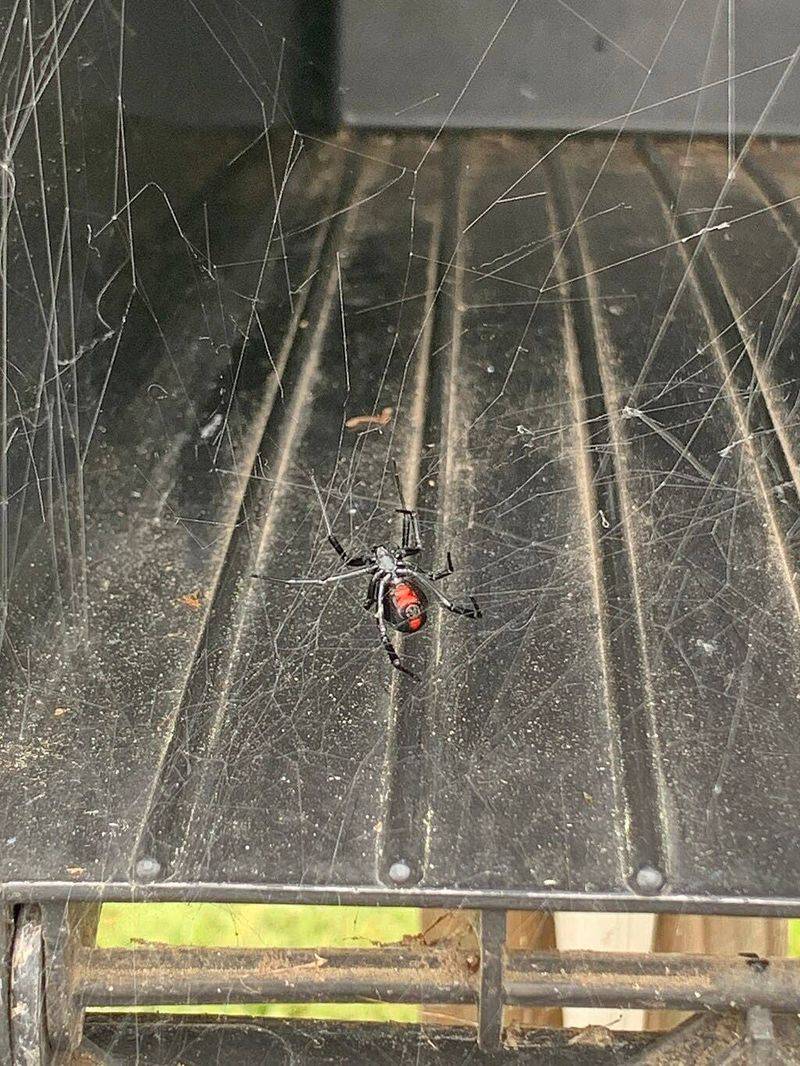
Water heaters, breaker boxes, and the gaps around pipes all share one thing in common. They sit in corners few people ever clean.
Small cracks in slab foundations and wall joints let insects travel in, creating a steady buffet. Widows build near these paths and wait patiently.
Sealing gaps with caulk and vacuuming corners regularly can help limit activity. If you see many widows or egg sacs, a licensed Texas pest professional is a smart call, and anyone bitten with severe pain or cramping should seek medical care right away.