
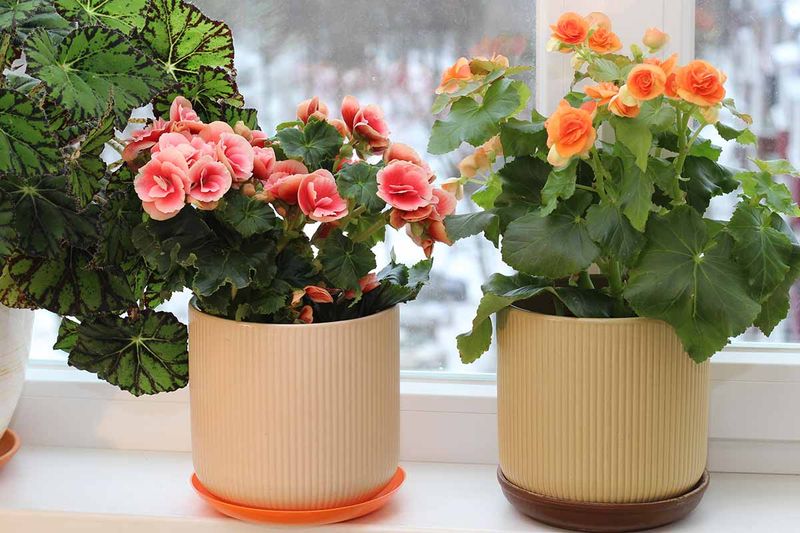
That begonia on your porch does not have to end up in the trash bin when the weather turns. Many can be saved and grown again next year, and some even keep flowering indoors.
The trick is knowing which kind you own, because the winter plan is not the same for every begonia. Here is how to sort it out and give your plant the right treatment.
Which begonia do you have?
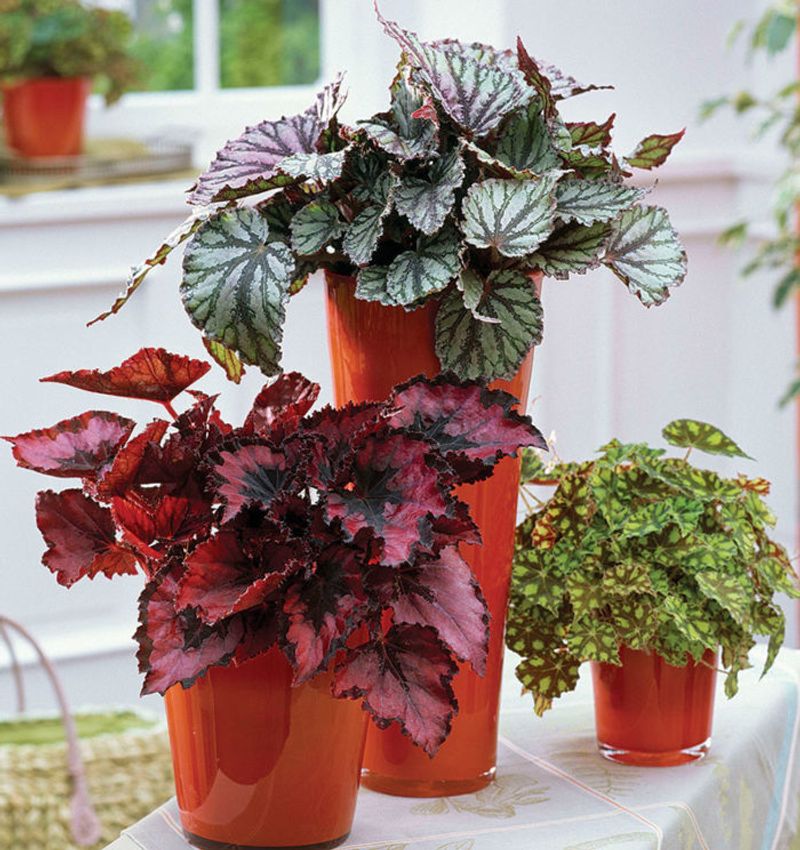
Before you carry anything inside, figure out what kind of begonia is in the pot. That one fact decides the whole winter plan.
University of Minnesota Extension sorts common begonias into tuberous, wax, cane, and rhizomatous groups, and each one behaves differently when days get short.
According to Clemson Extension, tuberous begonias normally go dormant and are not suited to life as year-round houseplants. Cane begonias may flower for long stretches, and some flower all year.
Foliage begonias are grown mostly for their leaves, though a few bloom in winter.
Keeping a begonia alive and keeping it in bloom are two separate goals. Even a cane type may slow down or skip flowers if indoor light is weak.
If the plant tag is long gone, check the original purchase notes or compare photos from a reliable plant reference. Work out the type first, then choose between active indoor care and dormant tuber storage.
Bring tender begonias inside before cold threatens them
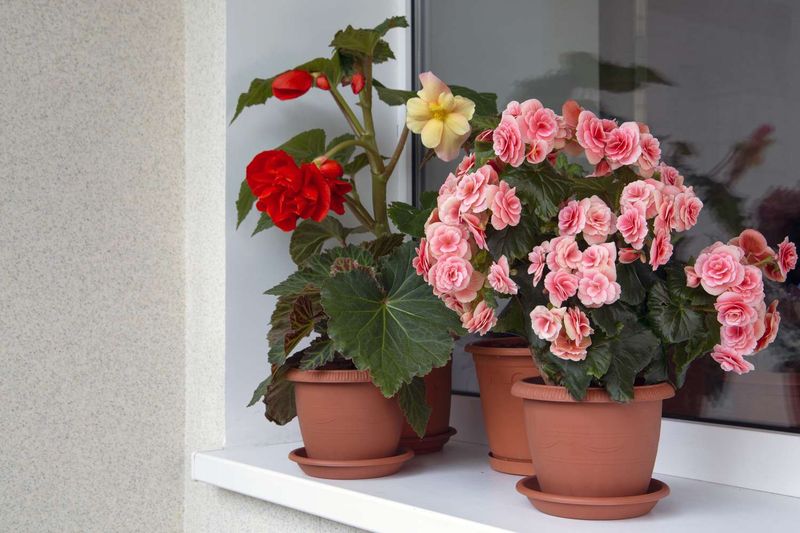
Waiting for frost is too late for a tender plant. Rely on a thermometer reading instead of a vague hunch about a cool evening.
NC State Extension says commonly cultivated begonias do not tolerate temperatures below 55°F.
Treat that number as a solid guide, not a rule for every cultivar. Some plants may sulk sooner and others may cope a little longer, so a forecast that dips toward the mid-50s is your cue to start planning the move.
Clemson also suggests moving plants in while indoor and outdoor temperatures are similar, as described in its guide to moving houseplants. A smaller jump between porch and living room means less shock, so the plant is less likely to drop leaves.
Check for pests before the pot joins your houseplants
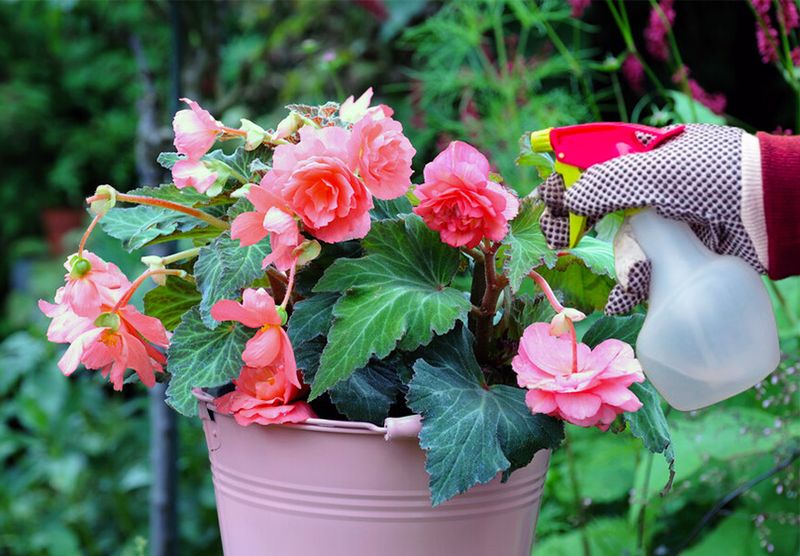
Hitchhikers love a leafy summer container. Look over the tops and undersides of the leaves, along the stems, around the pot rim, and into the drainage holes.
You are searching for insects, webbing, sticky residue, or anything that moves.
If the plant seems to have a problem, rinse it outdoors with a gentle spray of water before it comes in. Pick off damaged leaves and clean the pot’s outside as well.
Then keep the begonia away from your other houseplants. Iowa State Extension recommends isolating plants for three to four weeks and continuing to inspect them during that time.
Isolation does not promise the pests are gone. It simply gives you time to spot trouble before it spreads, so keep checking leaves every few days.
Match indoor light and warmth to the begonia type
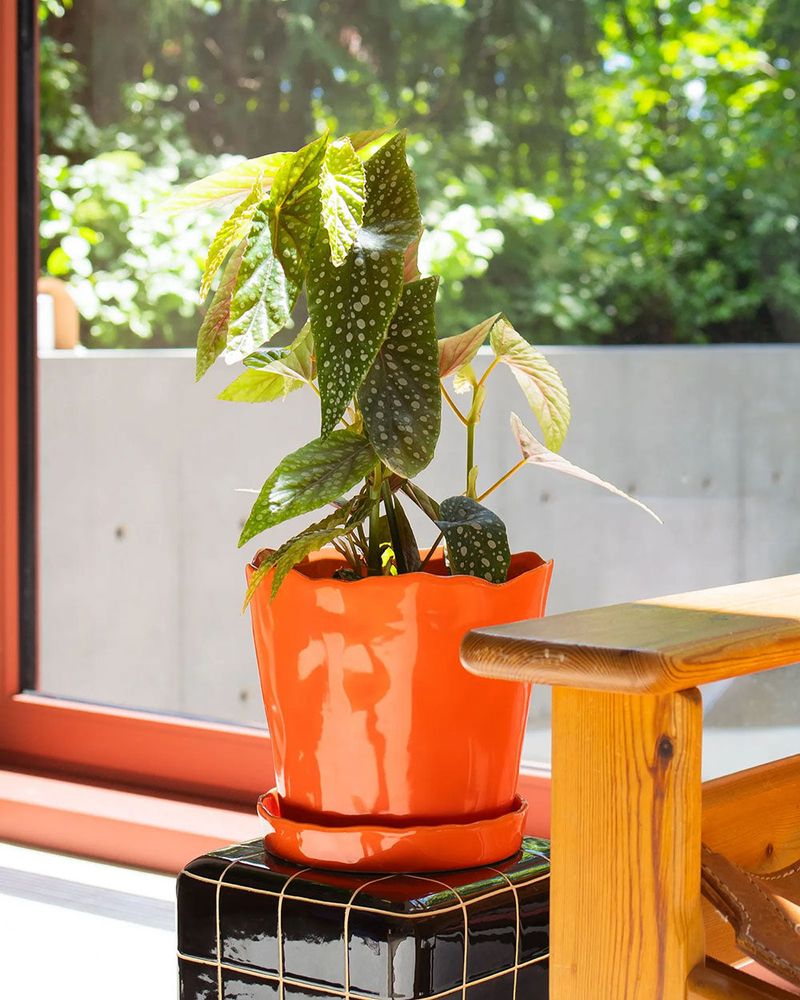
Indoor light is weaker than what a porch gives, so placement matters. Clemson Extension suggests a bright spot with some direct sun for flowering houseplant begonias, and an east-facing window with morning light can work well.
Foliage begonias prefer bright light kept away from direct sun, which can scorch those patterned leaves. Clemson gives 66 to 73°F as a suitable range for foliage types, and nights should not fall below 55°F.
Keep the pot away from cold glass, heating vents, and drafty doors. Stable conditions help the plant hold its leaves.
Remember that type and light do not set a bloom schedule. A cane begonia may flower in January or may rest for a while, so judge success by healthy new growth first.
Water active begonias according to their conditions
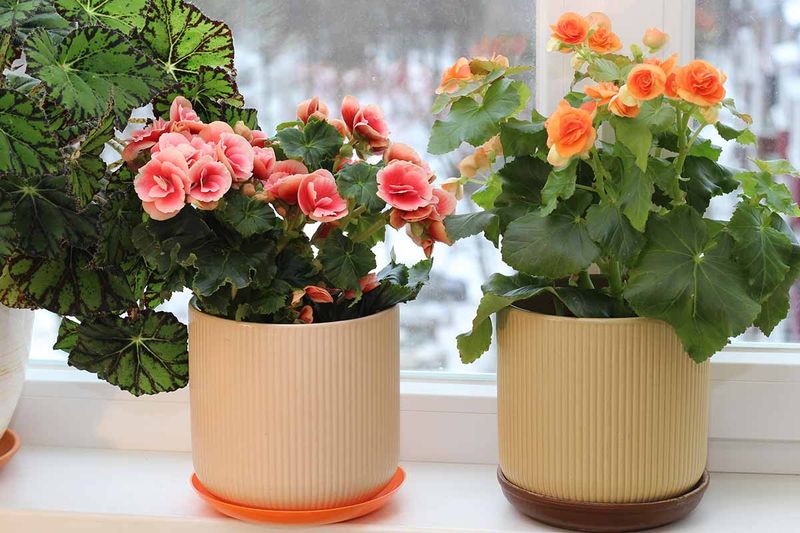
Forget the calendar. A begonia that is still growing indoors needs a mix that stays evenly moist but never soggy, and conditions in your home decide how fast it dries.
Per Clemson’s indoor begonia guide, let the mix dry only slightly between waterings.
Test with a finger about an inch down. If it feels damp, wait a day or two.
A sunny, warm room dries a pot faster than a cool, dim one.
Winter usually calls for less water because growth slows. Cut back as the plant uses less.
Always empty the saucer so the pot never stands in water, since soggy roots can rot. This routine is for begonias that are actively growing.
Tuberous begonias heading into dormancy follow a different plan.
Give tuberous begonias a winter rest
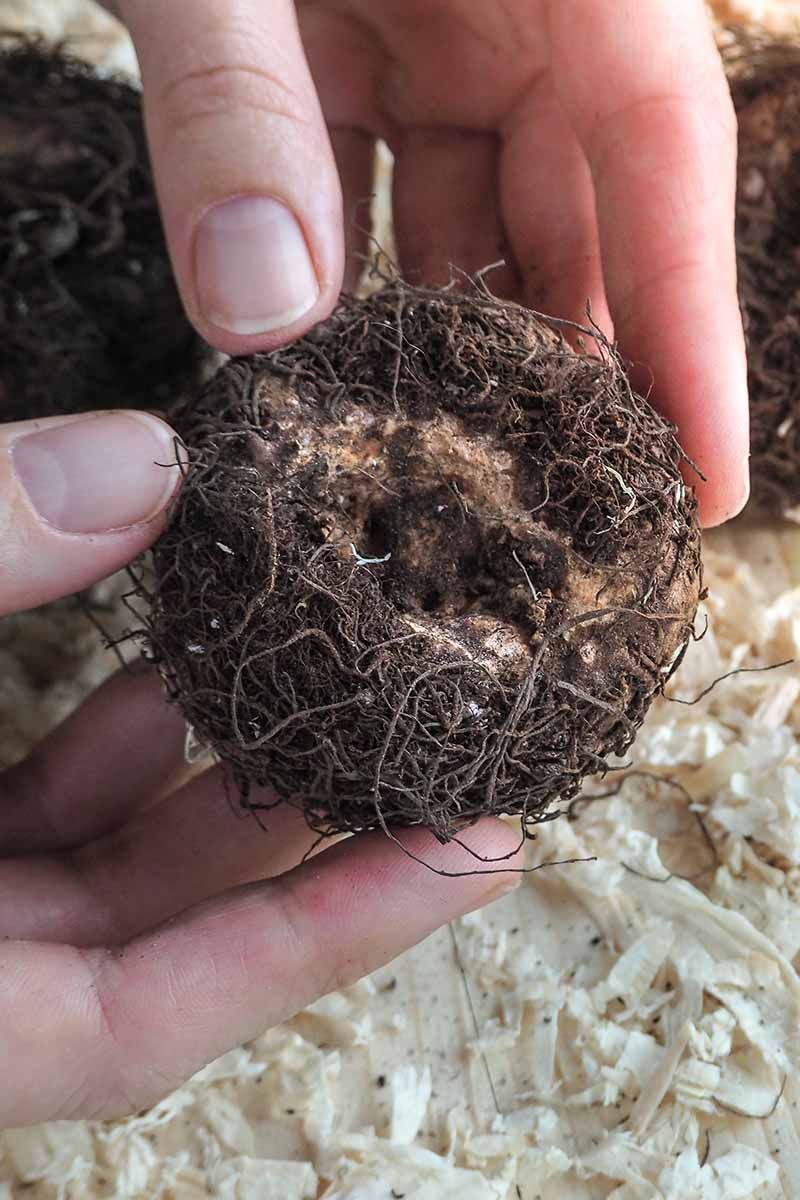
If you have confirmed a tuberous begonia, the goal changes from winter blooms to a good rest. These plants naturally go dormant, and Clemson says to stop watering them as they enter fall dormancy.
Let the foliage die back.
Then cure the tubers and store them cool and dry. University of Minnesota Extension recommends 40 to 50°F, and Iowa State gives the same range and warns not to let tubers freeze.
Check them now and then through winter. Toss any that turn mushy from rot, and watch for ones that shrivel badly.
Storage is a rest, not winter-blooming care. Next spring you restart the tubers and enjoy flowers again.
Florida’s winter options vary by location
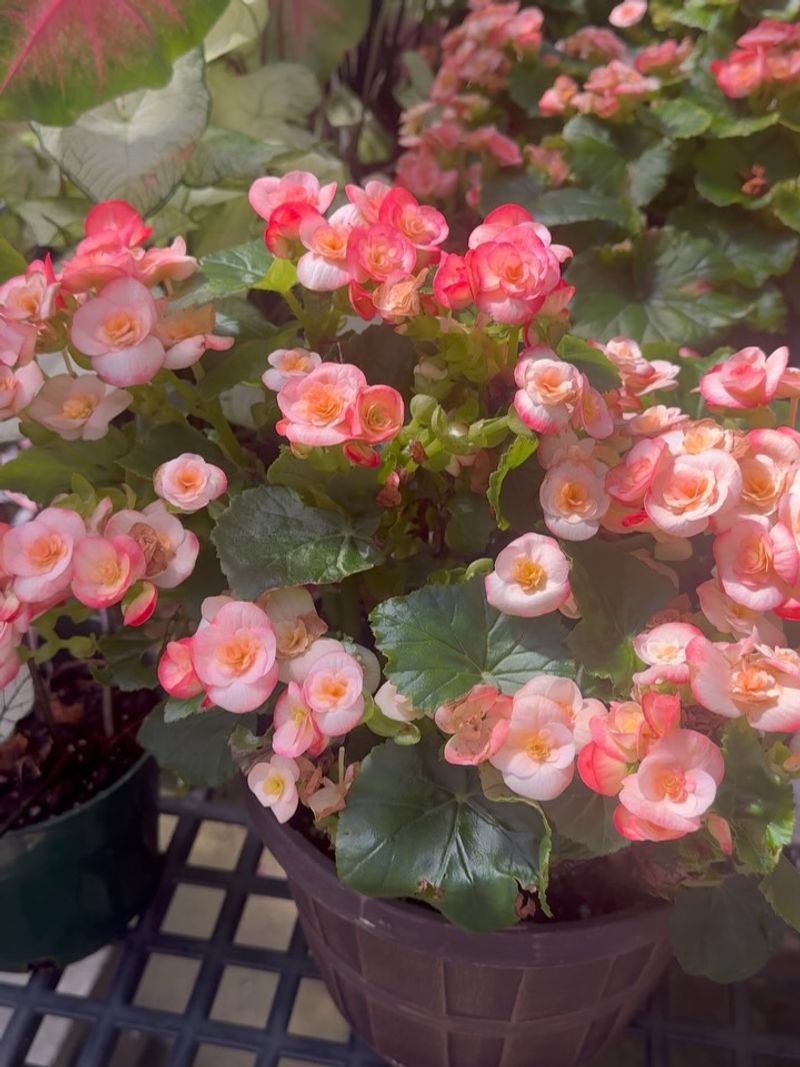
Florida shows why one winter rule does not fit the whole South. UF/IFAS describes begonias as offering year-round interest in South Florida, while in North Florida they usually die back to the ground in winter.
Cooler parts of the state may need frost protection.
So check your own area before deciding whether a container should come in, be covered, or be left to die back.
Tuberous begonias have their own Florida twist. UF/IFAS notes that growers in central and south Florida commonly plant tubers in fall as a cool-season bedding plant.
That is a different practice from hauling a tuberous plant indoors and hoping for winter flowers. Do not carry these Florida observations over to Texas or other states, since winters there differ.
Choose the winter plan that fits your begonia
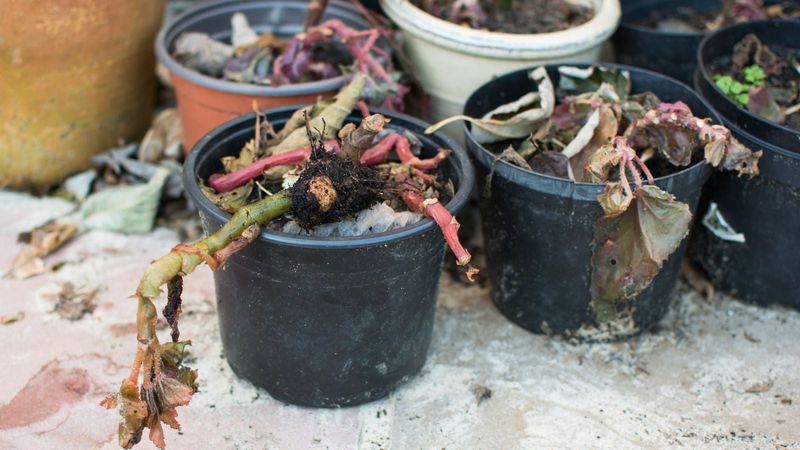
Start by naming your plant, then pick the path. A cane or other actively growing type gets bright light, careful watering, and pest checks indoors.
A tuberous type gets dormant storage and a spring restart.
Saving a begonia for another season is a realistic goal for most gardeners. Winter flowers are the bonus, and Clemson notes that some cane types bloom all year while others will not.
A begonia that rests well often returns stronger than one forced to perform.