
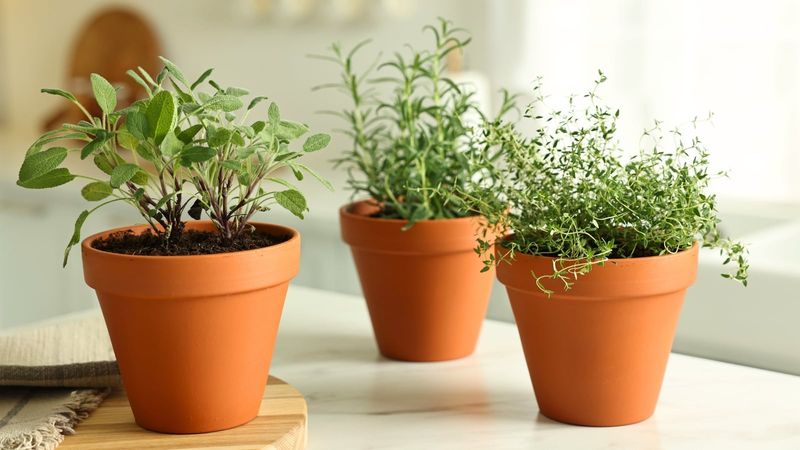
One hard frost can turn a lush pot of sage, thyme, or mint into a sad pile of brown stems overnight. The good news is that a few snips taken before cold weather arrives can give you fresh herbs on your kitchen windowsill all winter long.
Cuttings are free, simple to root, and far cheaper than buying little plastic packs of herbs at the store. Here is how to save your favorite herbs and keep them growing until spring.
1. Watch the Forecast and Cut Before the First Frost
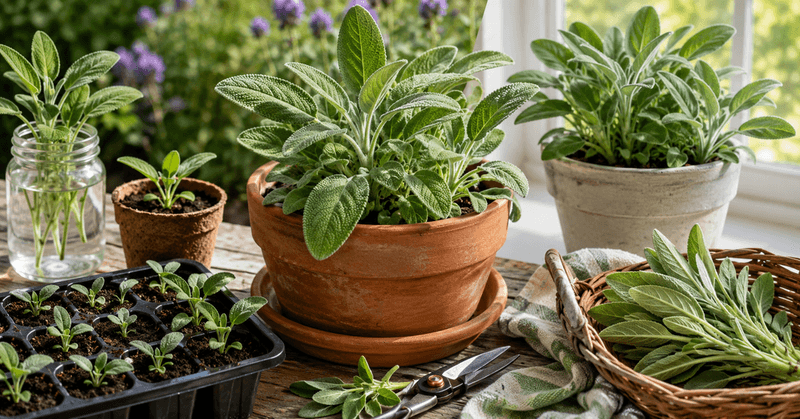
Timing matters more than any fancy tool. Once frost bites your herbs, the stems turn soft and blackened, and damaged tissue rarely roots well.
Aim to take cuttings when nighttime lows start dipping into the 40s. In northern Texas, that may be late October, while gardeners along the Gulf Coast and in Florida often have until December or later.
Some Florida gardeners barely see frost at all, but summer heat and winter cold snaps can still stress potted herbs, so having backups is smart.
Check a reliable weather app or your local extension office for average first frost dates. Then plan your snipping session a week or two ahead so you are not rushing in the dark with a flashlight before a surprise freeze.
Morning is the best time of day to cut. Stems are full of water after a cool night, which helps them stay crisp while you prepare them.
Avoid cutting right after a hot, dry spell when plants are wilted and stressed.
A little planning here pays off all winter. Healthy stems taken at the right moment usually root faster and grow stronger than those rescued after the damage is done.
2. Pick Healthy, Non-Flowering Stems
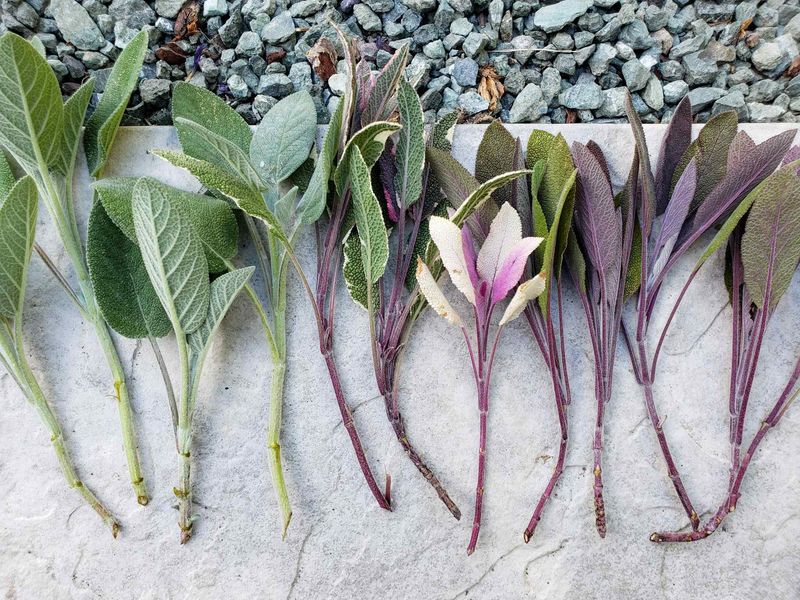
Picture a stem that looks like a teenager: young, springy, and full of energy. That is exactly the kind you want for rooting.
Look for new growth that bends without snapping. For sage and thyme, choose shoots about four to six inches long that are green and soft at the tip but slightly firmer near the base.
Mint is easier still, since almost any fresh stem will do.
Skip any stem that is flowering or forming buds. A plant busy making flowers puts its energy into blooms instead of roots, so those cuttings often struggle.
If the only stems available have buds, pinch the buds off first.
Also inspect leaves closely. Spots, holes, sticky residue, or tiny insects underneath can signal disease or pests like aphids and spider mites.
Bringing those indoors may let problems spread to your houseplants.
Use clean, sharp scissors or pruners, and wipe the blades with rubbing alcohol between plants. A clean cut just below a leaf node, the bump where leaves attach, gives the stem its best chance.
Take more cuttings than you think you need. Not every one will root, and extras make great gifts for neighbors.
3. Root Mint in a Simple Glass of Water
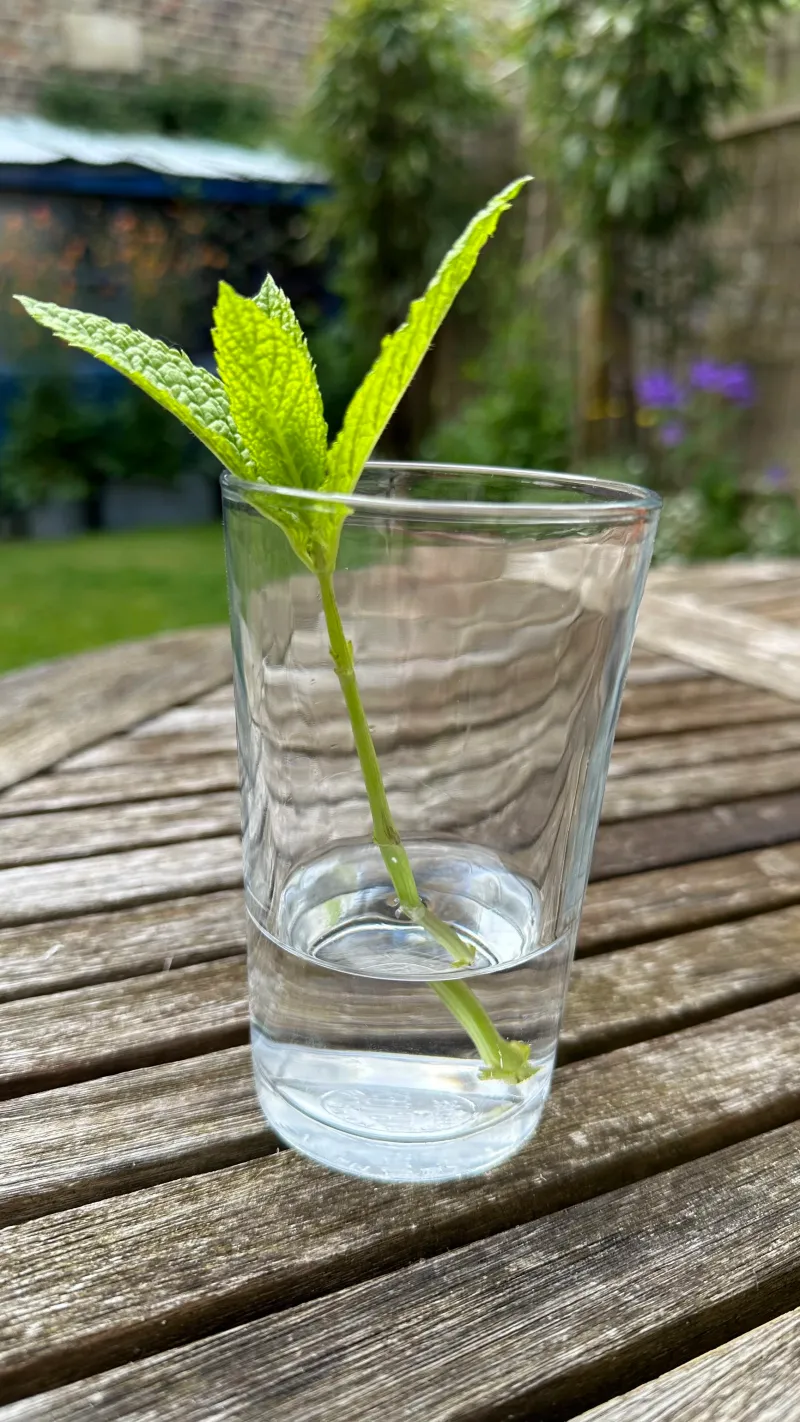
Mint might be the most forgiving herb you will ever grow. Drop a stem in water, and within a week or so, little white roots usually start appearing like magic.
Strip the leaves from the bottom two inches of each cutting so no foliage sits underwater. Leaves in water tend to rot and make the jar smell swampy.
Place several stems in a clear glass or jar filled with room temperature water.
Set the jar somewhere bright but out of harsh direct afternoon sun at first. Change the water every two to three days to keep it fresh and reduce bacteria.
Cloudy water is a sign it is time for a refill.
Once roots reach about an inch or two long, move the cuttings into a pot of moist potting mix. Many folks keep mint in water for weeks, and it often keeps growing happily, but soil generally produces bushier, longer-lasting plants.
Fun fact: mint spreads so eagerly through underground runners that many Southern gardeners keep it in pots outdoors anyway. Growing it indoors over winter keeps that energy contained while still giving you fresh leaves for tea, lemonade, and mojitos.
4. Give Sage and Thyme a Gritty Soil Start
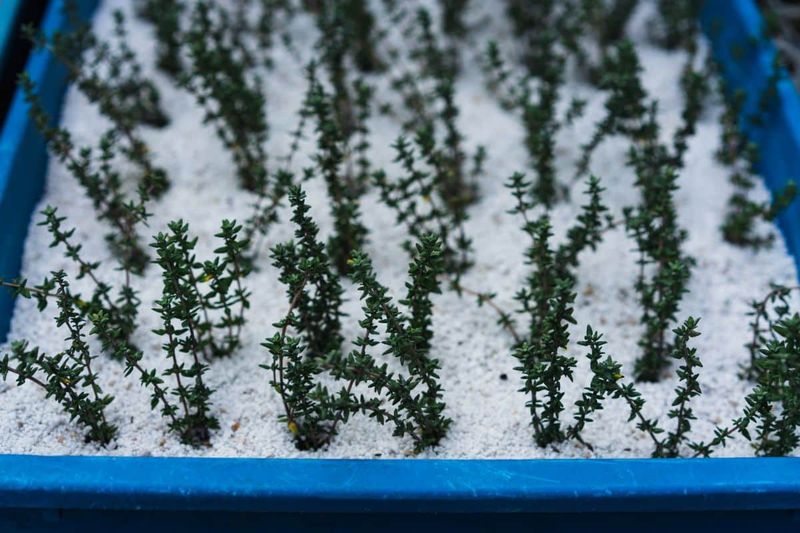
Sage and thyme are Mediterranean at heart. They grew up on rocky hillsides, and soggy feet make them miserable, which is why water rooting often leads to rot for these two.
Instead, fill small pots with a light mix. Combine regular potting soil with perlite or coarse sand, roughly half and half.
This blend drains fast while holding just enough moisture for new roots.
Remove lower leaves from each cutting, then poke a hole in the mix with a pencil. Slide the stem in about an inch deep and gently firm the soil around it.
Dipping the cut end in rooting hormone first may speed things up, though plenty of cuttings root without it.
Water lightly, then cover the pot with a clear plastic bag or an upside-down bottle to trap humidity. Open it daily for a few minutes to let fresh air in and prevent mold.
Patience is key. Sage may take three to six weeks to root, and thyme can be slower.
A gentle tug that meets resistance usually means roots have formed and you can remove the cover for good.
5. Find Your Sunniest Windowsill
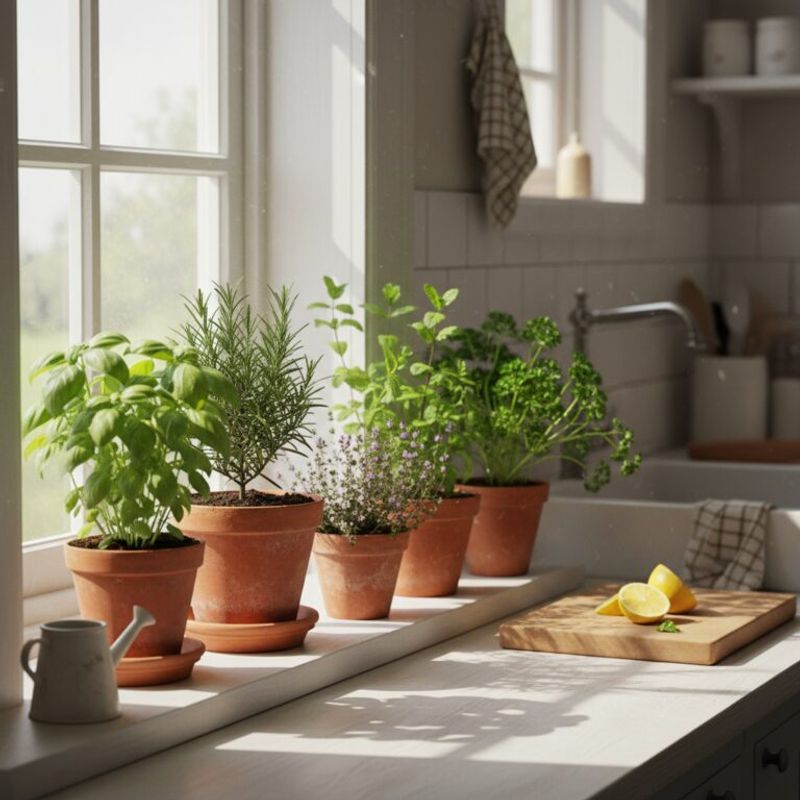
Herbs are sun lovers, plain and simple. Winter days are shorter and the light is weaker, so where you place your pots can make or break your indoor garden.
A south-facing window is usually best, offering the most hours of bright light. West-facing windows come in second.
East windows can work for mint, which tolerates a little less sun, but sage and thyme often get leggy and pale without strong light.
Aim for at least six hours of light each day. If your stems start stretching toward the glass with big gaps between leaves, they are begging for more brightness.
Rotating pots a quarter turn every few days keeps growth even.
Watch out for cold drafts, especially during those occasional Texas blue northers or Florida cold fronts. Leaves touching freezing glass can get damaged overnight, so slide pots back a few inches on frosty nights.
Heating vents are another sneaky problem. Hot, dry air blowing on herbs can crisp leaves quickly.
If your sunniest spot sits above a vent, consider a small shelf or plant stand nearby. When natural light falls short, an inexpensive LED grow light can fill the gap nicely.
6. Water Less Than You Think
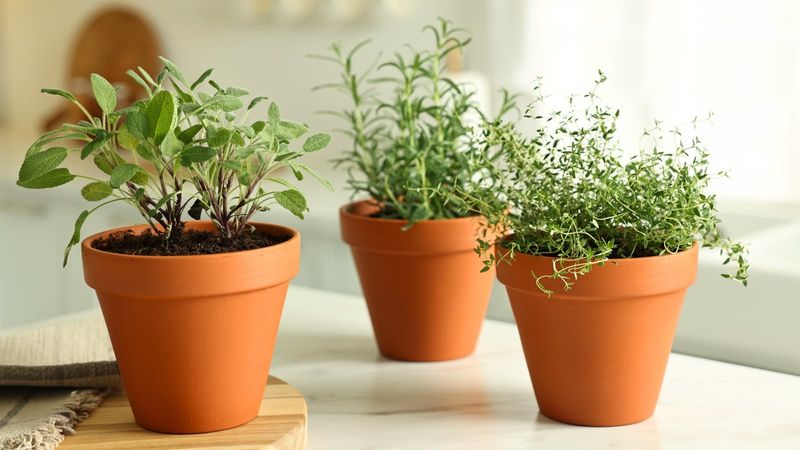
Here is the mistake that quietly kills more indoor herbs than anything else: too much love from the watering can.
Indoors in winter, herbs grow slower and soil dries more slowly than outside. Overwatering can lead to root rot, yellowing leaves, and stems that collapse at the base.
Sage and thyme are especially sensitive.
Before watering, push your finger about an inch into the soil. If it feels dry, water thoroughly until a little drains from the bottom.
If it still feels damp, wait another day or two. For sage and thyme, letting the top inch dry fully is often a good rule.
Mint is the thirsty one in the group. It generally prefers soil that stays lightly moist, so you may water it more often than its Mediterranean neighbors.
Keeping mint in its own pot makes this much easier.
Always use containers with drainage holes, and empty saucers after watering so roots never sit in standing water. Terracotta pots can help, since the clay wicks away extra moisture.
A simple habit of checking before pouring may keep your windowsill herbs healthy right through the gray months.
7. Snip Often to Keep Plants Bushy
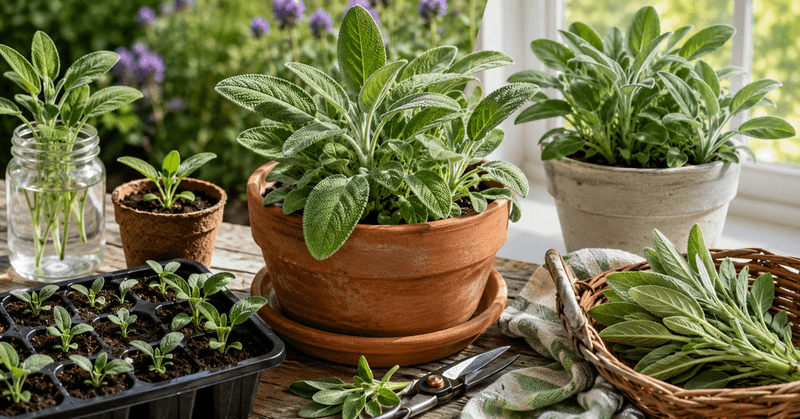
Good news for cooks: harvesting is actually good for your plants. Regular trimming encourages herbs to branch out instead of growing into long, floppy stems.
Once your rooted cuttings have settled in and show new leaves, start pinching tips. Snip just above a pair of leaves, and two new shoots will often sprout from that spot.
Over time, that creates a fuller, rounder plant.
Follow the one-third rule. Never remove more than about a third of a plant at once, especially in winter when growth is slow.
Taking a little here and there keeps it producing steadily.
Thyme responds well to frequent light trims, and those tiny leaves taste wonderful in soups and roasted vegetables. Sage is perfect for holiday stuffing, while mint brightens tea and fruit salads.
Fresh herbs from your own windowsill often taste brighter than dried versions from the spice aisle.
If any flower buds appear, pinch them off promptly. Flowering signals the plant to slow leaf production and can change flavor.
A quick snip keeps energy focused on the tasty leaves you actually want to eat all season long.
8. Move Plants Back Outside in Spring
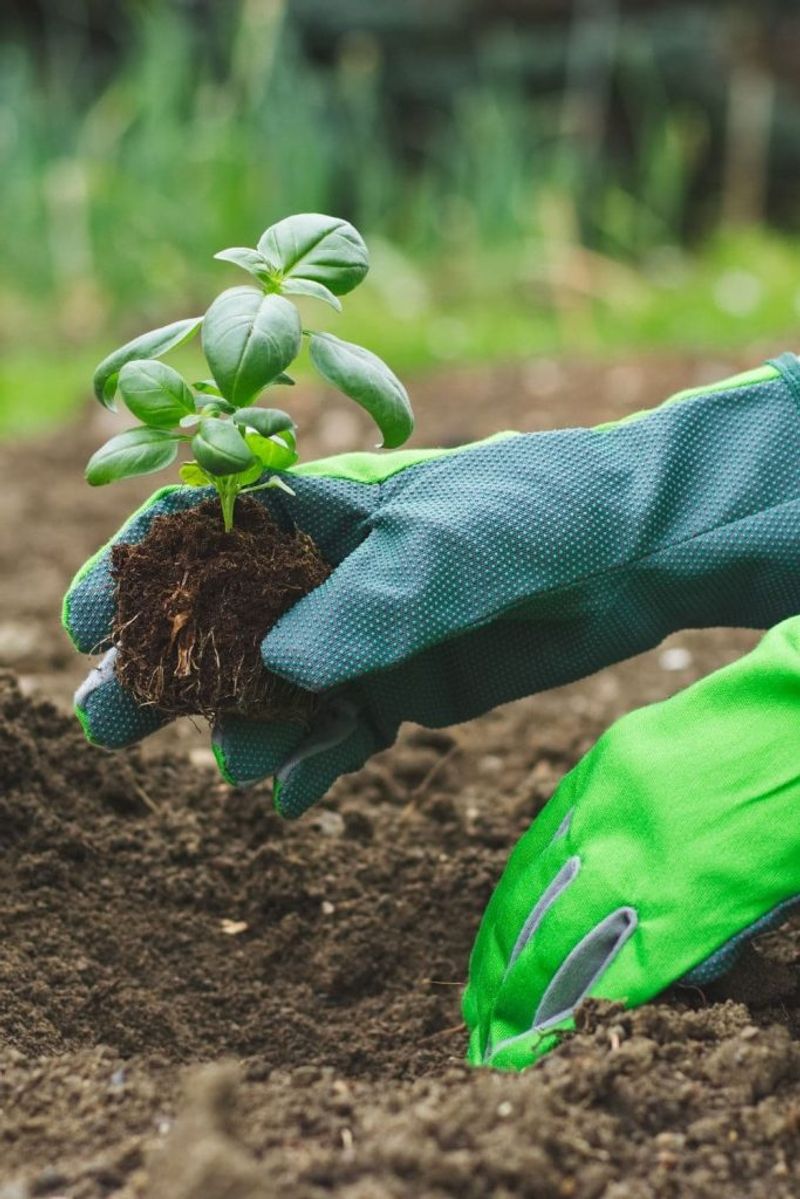
Winter does not last forever, and neither should your herbs’ indoor stay. When spring warms up, those windowsill plants can become the backbone of next year’s garden.
Wait until nighttime temperatures stay reliably above 50 degrees. In much of Texas and Florida, that often arrives in February or March, earlier than in northern states.
Check your local forecast for late cold snaps before committing.
Do not move plants straight into full sun. Indoor leaves are tender and can scorch quickly.
Instead, harden them off by setting pots outside in a shady spot for a few hours, then gradually increasing sun exposure over a week or two.
Once adjusted, sage and thyme thrive in sunny, well-drained beds or containers. In hot Southern summers, a bit of afternoon shade may help them cope.
Mint should stay in a pot or a buried container so it does not take over your whole yard.
Best of all, you started this cycle for free. Take a few cuttings again next fall, and you may never need to buy herb plants again.
That is a garden habit worth keeping year after year.