
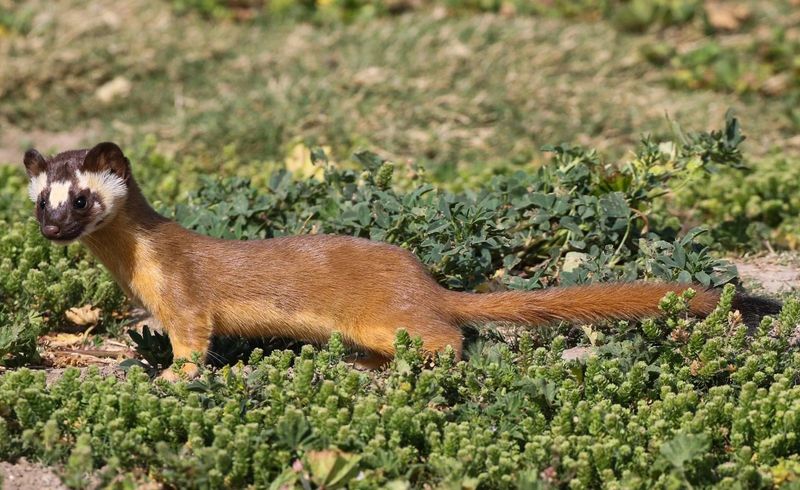
A slim, fast animal darts across your lawn and vanishes into the shrubs. It was a long-tailed weasel, and it may have been hunting.
Many people want to shoo it away right then, but there is a calmer way to handle the visit. Here is what the science says, what it does not say, and how to protect your yard and your birds.
A yard sighting may be a hunting animal passing through
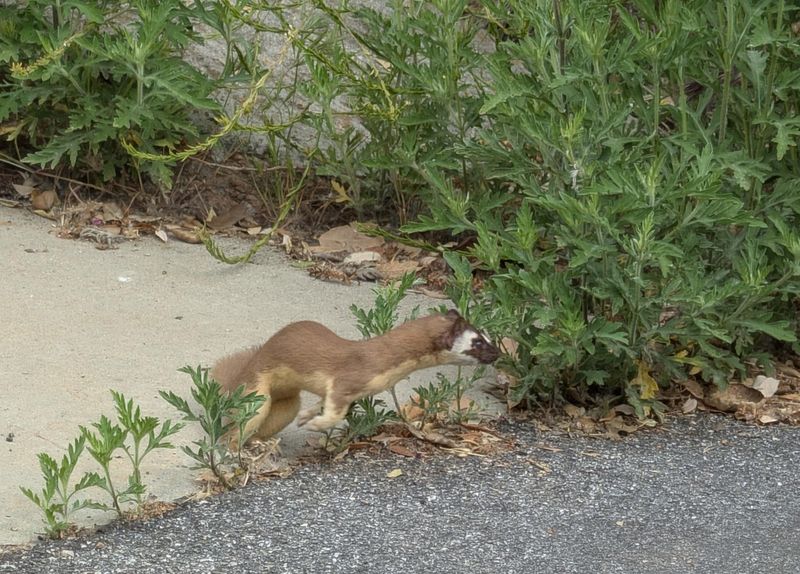
Spotting a weasel can feel like seeing a tiny, furry streak of lightning. The California Department of Fish and Wildlife describes the long-tailed weasel in its species account as a year-round resident of many California habitats.
It hunts both day and night, and it forages in cover and in the burrows of its prey.
That means a quick appearance can fit ordinary behavior. A weasel moving along a fence line, through a woodpile, or under a hedge may simply be working its way across its territory.
Gardens with dense plantings, rock walls, and brush offer the kind of cover it likes to travel through.
A short visit does not tell you the animal has picked your property as a permanent home. It may be passing through on a hunting route that crosses several yards.
It might show up once and not return for weeks, or it may be seen a few times in a season.
Seeing it in daylight is not a warning sign by itself. CDFW notes on its Living with Wildlife page that many wild animals are active during the day or night.
A weasel moving with purpose, alert and quick, is acting like a weasel.
A good first step is simple. Note where and when you saw it, then keep your distance.
That small record helps later if you ever need to sort out what is causing damage in your yard.
Rodents are on the menu, but a sighting is not proof of pest control
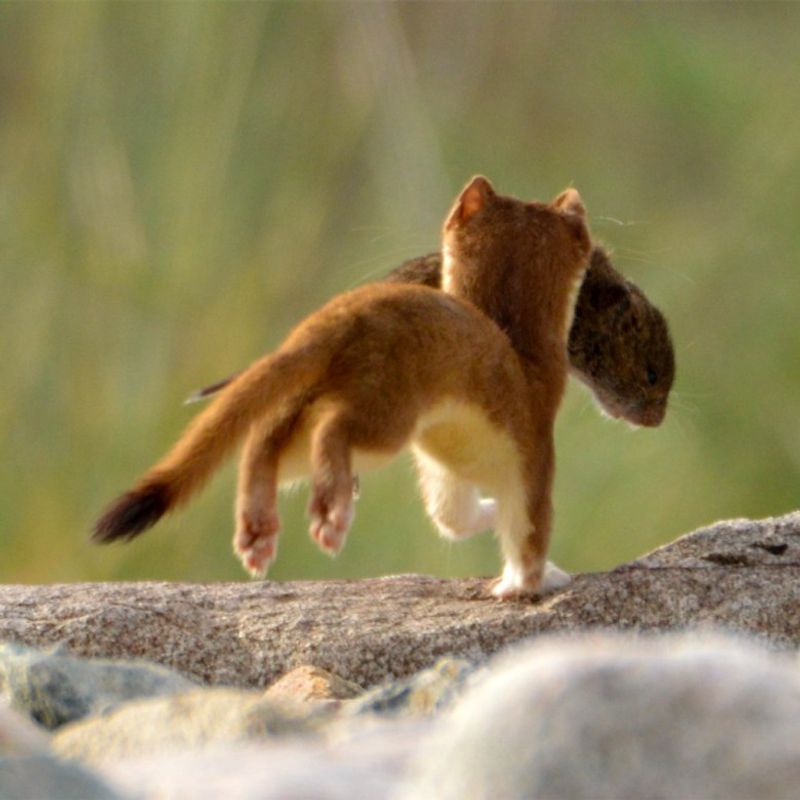
Weasels do eat rodents. CDFW’s long-tailed weasel account lists a varied diet that includes mice, gophers, chipmunks, ground squirrels, rabbits, birds, and insects.
It also calls the animal a major predator of mice and voles.
That gives a visiting weasel real potential as part of the natural cycle that keeps small mammal numbers in check. For a gardener, that is a nice possibility.
Fewer voles chewing roots can mean healthier beds.
The catch is that a generalist predator eats what it can find. One sighting cannot tell you what the animal caught, how many animals it took, or whether it touched the pests in your yard at all.
It could have been chasing a mouse in the neighbor’s field or a bird near the creek.
The same account says weasel numbers rise and fall with small mammal numbers. So its presence may be linked to prey being around, but that is not the same as a pest control service.
A weasel is not a reliable, property-specific worker.
A fair way to think about it: the weasel is a possible bonus, not a plan. If you have a real rodent problem, you still need to confirm what is causing it and deal with it directly.
If the weasel helps along the way, that is a welcome extra.
What the Montana study can—and cannot—tell you
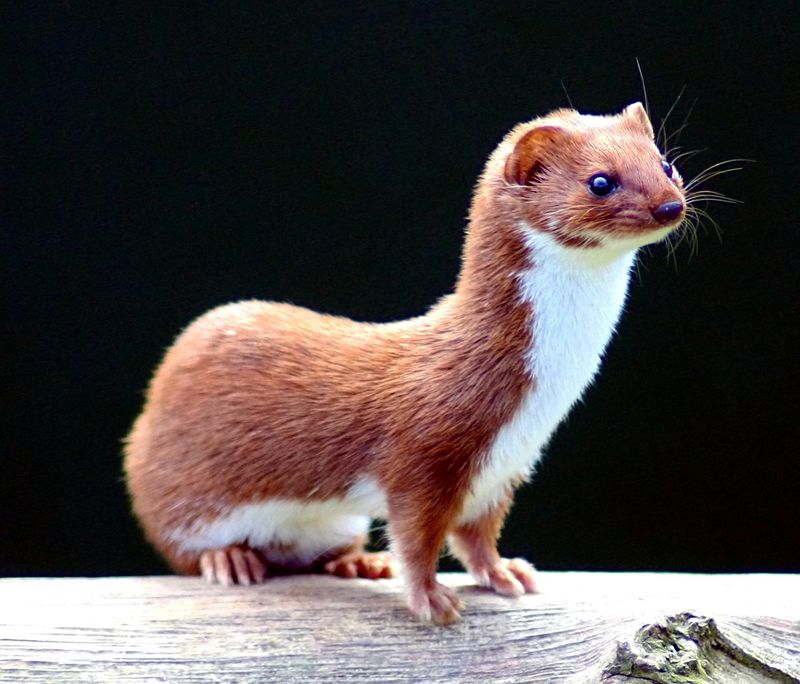
Some of the strongest evidence comes from a controlled field experiment in western Montana, summarized in a U.S. Forest Service study record.
Researchers excluded weasels and other predators from certain plots and compared them with plots left open. Vole population peaks were higher on the plots where weasels were kept out.
That is a real finding, and it shows predators can matter for voles. But the same study found no treatment effect on ground squirrel or deer mouse numbers.
In other words, the effect was not the same for every rodent.
So what can a homeowner take from it? Predators can shape some prey populations in some settings.
The results differ by prey species, and the setting was a Montana field, not a suburban California yard.
Here is what the study did not test. It did not look at chasing one weasel away from a garden.
It did not study California yards. It did not measure gophers rebounding after a single animal left.
So there is no basis to say that scaring off a weasel will bring rodents back to your property. There is also no basis to say it will not.
The honest answer is that nobody has measured it for a yard like yours, which is a good reason to stay calm and focus on what you can actually observe.
Identify the damage before blaming the weasel
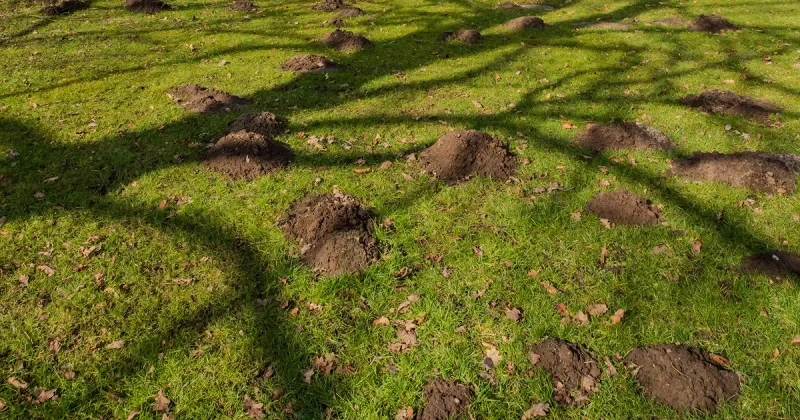
Before deciding that gophers, or a weasel’s prey, are behind your yard troubles, take a closer look at the damage. A hole, a dirt mound, or a wilted plant could have several causes.
Guessing wrong can send you after the wrong problem.
CDFW’s guidance on rodent conflicts points out that mole damage is often confused with gopher damage. That matters because the two animals are different, and a fix aimed at one may do little for the other.
Start by noting what you actually see. Where is the damage, and when did it appear?
Is a plant chewed, uprooted, or simply drying out? Are the mounds fresh, and are they clustered or scattered?
Photos taken over a week or two can help you notice patterns. They are also handy if you later ask CDFW or a local expert for guidance.
A written note of dates and locations beats memory every time.
It also helps to remember that a weasel sighting and yard damage may have nothing to do with each other. The animal may be passing through while something else is responsible.
Identify the problem first, then pick a response that fits it.
Give the weasel space instead of pursuing it
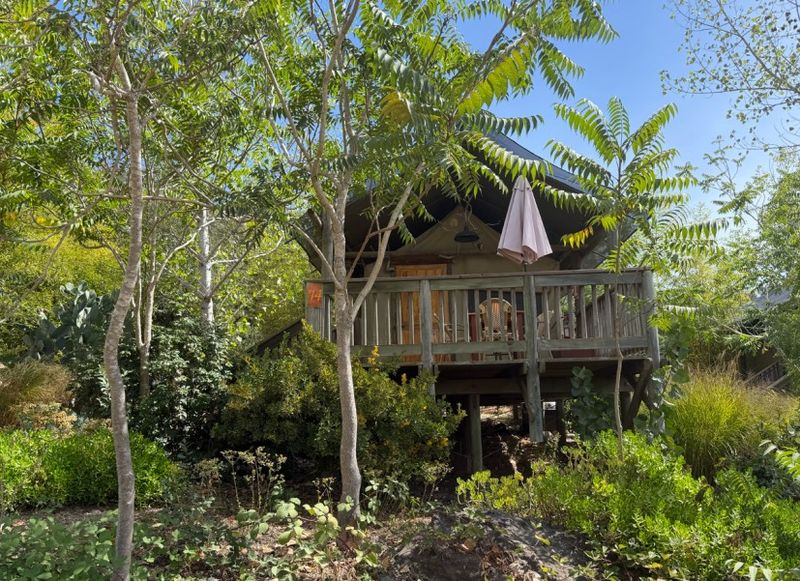
If a weasel wanders through, the easiest response is also the calmest. Watch from a distance and let it move on.
Most visits are short, and there is nothing you need to do.
It can be tempting to run at it, clap, or spray the hose. Chasing adds stress for the animal and can put you within reach of teeth and claws.
Skipping the chase costs you nothing.
California State Parks says in its Keep Wildlife Wild guidance not to approach, touch, or feed wildlife. That includes setting out food to lure a weasel closer, and it means never cornering one.
Keep pets and children inside or at a safe distance while it passes.
A routine sighting is not an emergency. If the animal looks injured, or if you have a specific conflict such as repeated damage, check the CDFW Living with Wildlife page for guidance and contact options.
One practical habit: bring pet food indoors and keep trash lids snug. Those steps do not invite a weasel in, and they limit surprises for every other creature that wanders through at night.
Protect poultry with exclusion, not wishful thinking
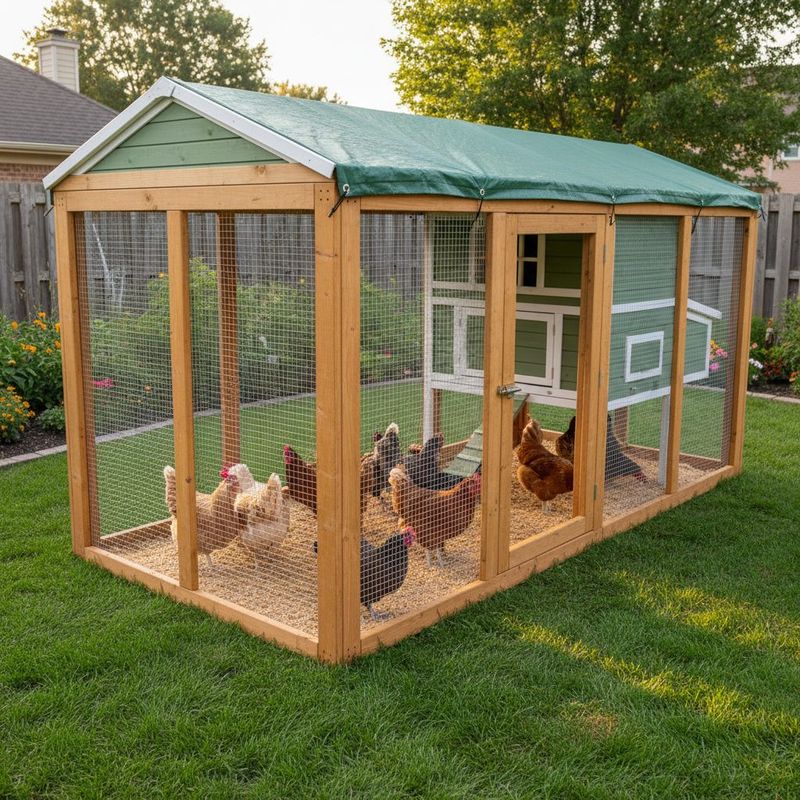
Backyard chickens, ducks, and other small birds change the picture. Poultry-extension guidance on predator management for small flocks lists weasels among possible flock predators.
It recommends identifying the predator and preventing access through exclusion.
That means you cannot count on a weasel to leave your birds alone. Protect the flock directly instead.
Hoping the animal behaves is not a plan.
Not every loss comes from a weasel. Raccoons, hawks, dogs, and other animals can also take birds.
Look for clues such as how the coop was entered, what was left behind, and the time of day, so you can fix the right gap.
Exclusion work is practical and quiet. Check for small openings, since a weasel can fit through tight spaces.
Use sturdy wire mesh with small openings rather than chicken wire alone, close the coop securely at dusk, and look over latches, vents, and the base of the run.
Skip any urge to confront, trap, or harm the animal. A well-built coop protects your birds without a showdown, and it works whichever predator comes calling.
Use the right help for a bite or a specific conflict
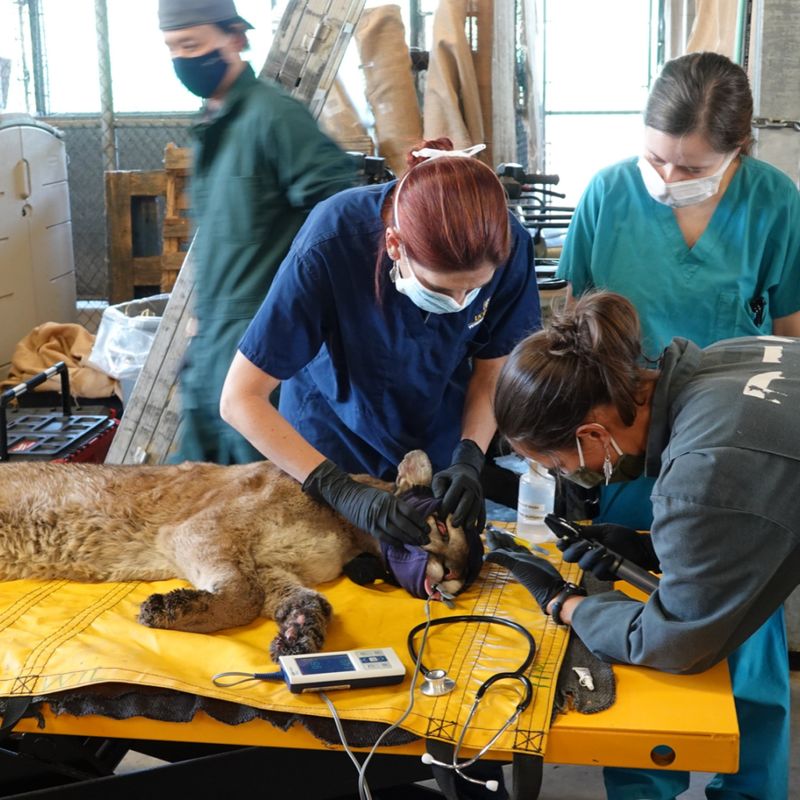
Most weasel sightings need no outside help. A few situations do.
A bite is the clearest one.
If a wild animal bites someone, California Department of Public Health rabies guidance says to wash the wound promptly with soap and running water, seek medical care, and report the bite to local animal control. Do those three things in that order and do not wait to see how it looks.
For wildlife damage, or questions about what you are allowed to do, start with CDFW. Its Living with Wildlife page directs people to its reporting system and regional offices.
The Fish and Game Commission also publishes current nongame mammal regulations.
Rules can depend on the animal, the situation, and the method, so check them before acting. Do not assume you may trap or remove a weasel, and do not assume you may not.
Ask first.
For everything else, respond to problems you can verify. A weasel sighting does not prove it solved your pests, and it does not prove that its leaving will cause new ones.
Sometimes the best yard tool is a little patience.