
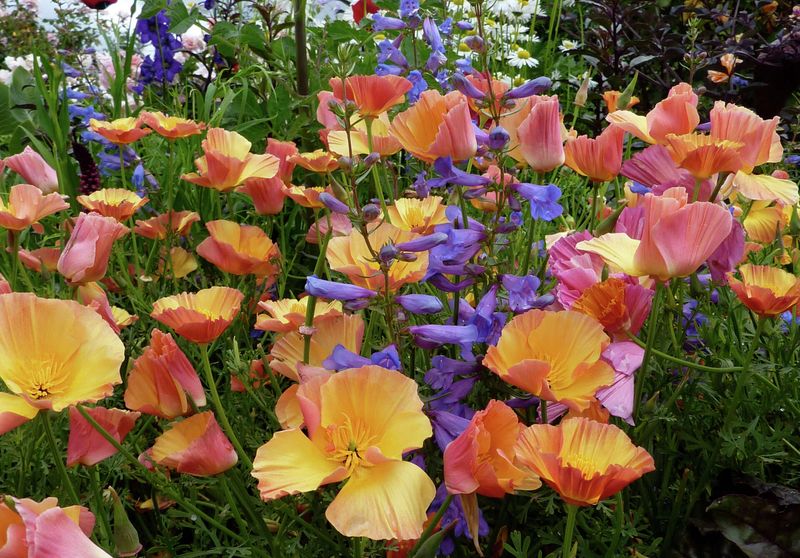
Fall is the secret season for California wildflowers, because seeds scattered before the first big storm get watered for free all winter. By spring, a bare patch of yard can turn into a carpet of poppies, lupines, and buzzing native bees.
The trick is starting with seeds that actually belong here, grown and sold by people who know our soils and climate zones. Here are eight nurseries across the state that make a road trip feel like a smart garden investment.
1. Theodore Payne Foundation, Sun Valley
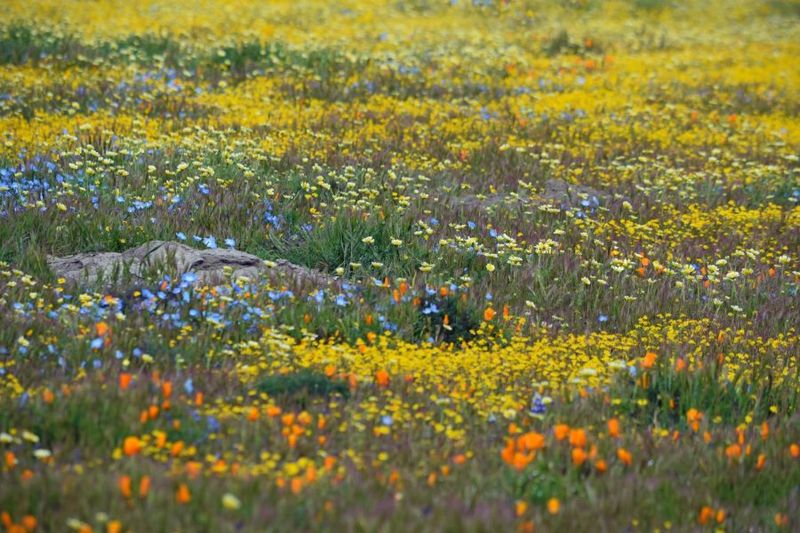
Ask any Southern California native plant fan where they bought their first poppy seeds, and plenty will name this place. Theodore Payne Foundation has been championing California flora since 1960, named after an English gardener who fell hard for local wildflowers a century ago.
The seed room is the main event. You will find single species like arroyo lupine and tidy tips, plus regional mixes built for inland valleys or coastal yards, so you are not guessing which flowers suit your spot.
Staff often share sowing tips at the counter, such as raking seed lightly into loosened soil right before a forecast storm. If you visit in fall, check their class calendar, since seed-sowing workshops tend to fill up fast.
2. Larner Seeds, Bolinas
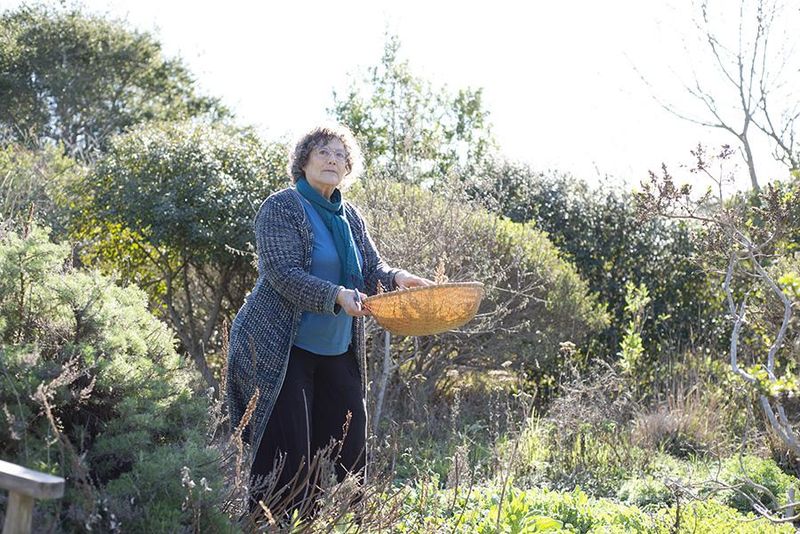
Tucked into a tiny coastal town where locals famously take down the road signs, Larner Seeds rewards anyone who finds it. The drive along Highway 1 alone makes the trip worthwhile.
Larner specializes in California native seed, much of it collected from Northern California landscapes. That focus matters, because seed from nearby wild populations may be better adapted to local fog, clay, and rainfall patterns.
Their demonstration garden shows what a mature native planting looks like, which helps if you are replacing lawn. Pick up a meadow mix with bunchgrasses and annual wildflowers for a yard that feeds bees and birds with very little summer water.
3. Las Pilitas Nursery, Santa Margarita
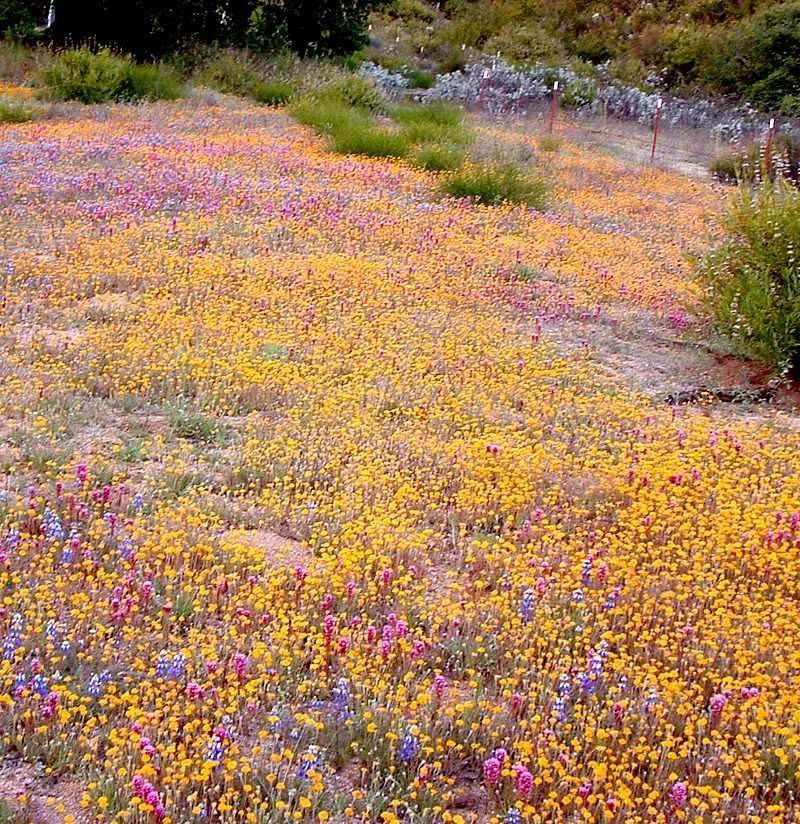
Here is a nursery where the plants grow on a real hillside, baking in the same heat and frost your yard might face. Las Pilitas sits in oak country north of San Luis Obispo, and that toughness shows in everything they sell.
Their wildflower seed selection pairs nicely with their huge range of shrubs like sages and buckwheats. Mixing annual flowers with perennial natives can give pollinators food from early spring into the dry months.
Do not skip their website before you go. It is packed with plant notes sorted by habitat and wildlife value, so you can arrive with a focused shopping list.
4. Tree of Life Nursery, San Juan Capistrano
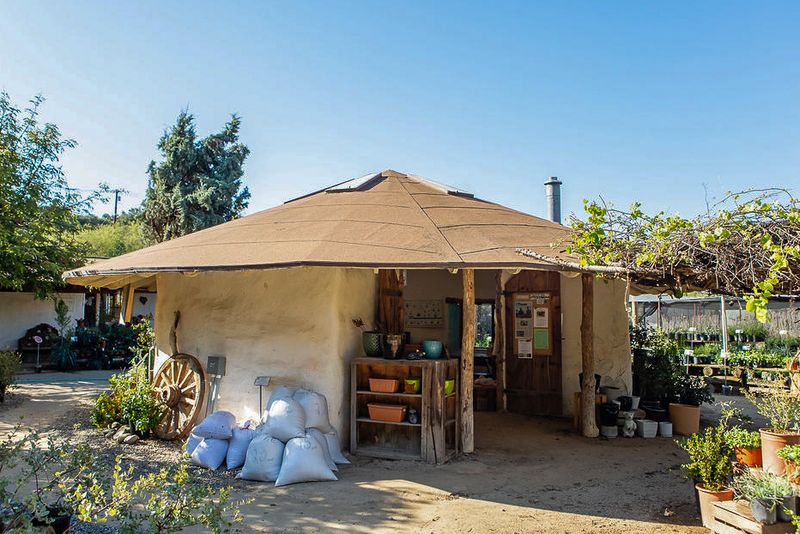
Picture a historic ranch setting in a quiet canyon, rows of native plants stretching out, and a hawk circling overhead. Tree of Life has been growing California natives in Orange County since the late 1970s.
For seed shoppers, the appeal is local know-how for coastal Southern California. Wildflowers like California poppy, baby blue eyes, and purple owl’s clover may thrive in mild coastal winters when sown in November.
Many homeowners come here while planning lawn removal or a water-wise makeover. Grab seeds to fill gaps between new shrubs, since flowers can cover bare soil and discourage weeds while slower plants grow in.
5. Annie’s Annuals and Perennials, Richmond
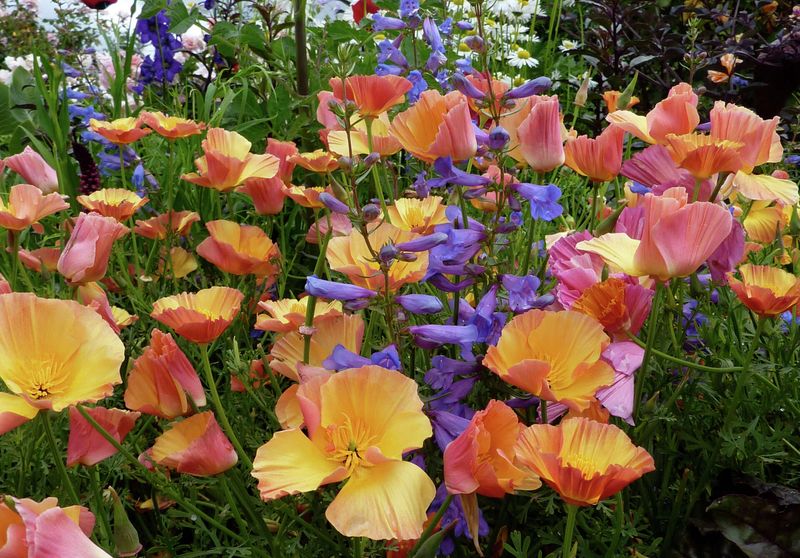
Fun, colorful, and a little bit wild, Annie’s feels more like a flower party than a plant store. The Richmond nursery is beloved for its cheerful signs and rare finds.
While not a natives-only shop, Annie’s carries a strong lineup of California wildflowers, including clarkias, gilias, and Chinese houses. Some are sold as young plants, which helps if seed sowing makes you nervous.
A smart combo is sowing seeds in fall and tucking a few starter plants into the same bed. You get blooms sooner, and the plants can reseed for future seasons.
6. Native Here Nursery, Berkeley
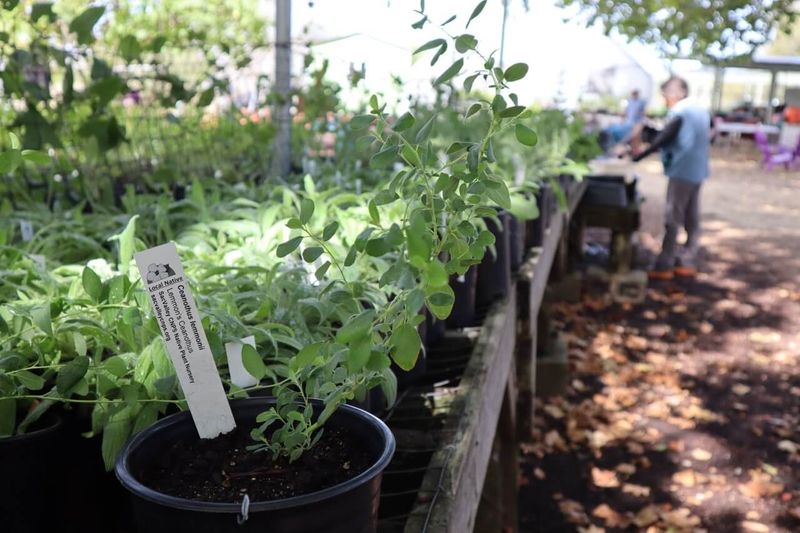
Hyper-local is the whole point at Native Here. Run by the East Bay chapter of the California Native Plant Society, it grows plants from seed collected within Alameda and Contra Costa counties.
For East Bay gardeners, that can be a big deal. Local genetics may help support the native insects that evolved alongside these exact plant populations.
Seed availability varies by season, so call ahead or check their site. Volunteers are usually happy to talk about which wildflowers fit your neighborhood.
7. Las Pilitas Escondido and Moosa Creek Area
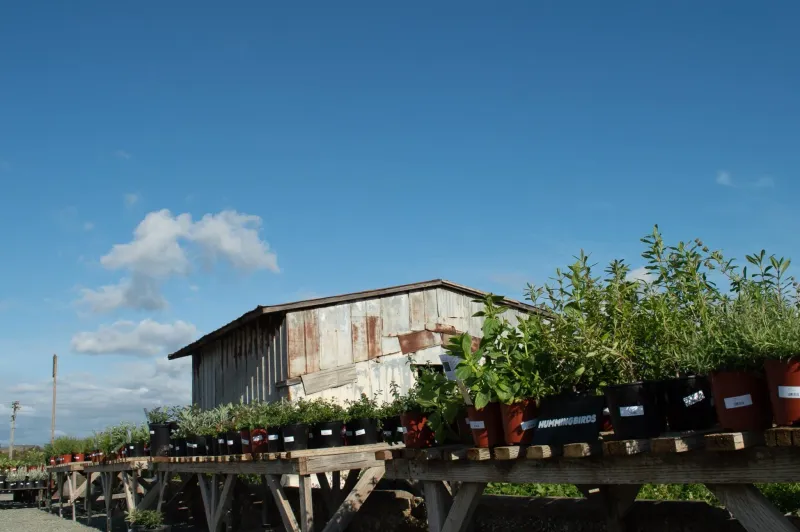
Inland San Diego gardeners face hotter summers and patchier rain than the coast. Native nurseries in the Escondido and Valley Center area tend to stock plants and seeds suited to those tougher conditions.
Look for heat-hardy annuals like desert bluebells, goldfields, and chia, which can handle quick drying between storms. Chia has a fun history too, since its seeds were a staple food for Indigenous Californians.
Call ahead, as seed stock and hours may vary through the year. Sowing right before a forecast rain gives seeds their best shot in drier inland soils.
8. Sierra Foothill Native Nurseries Near Auburn
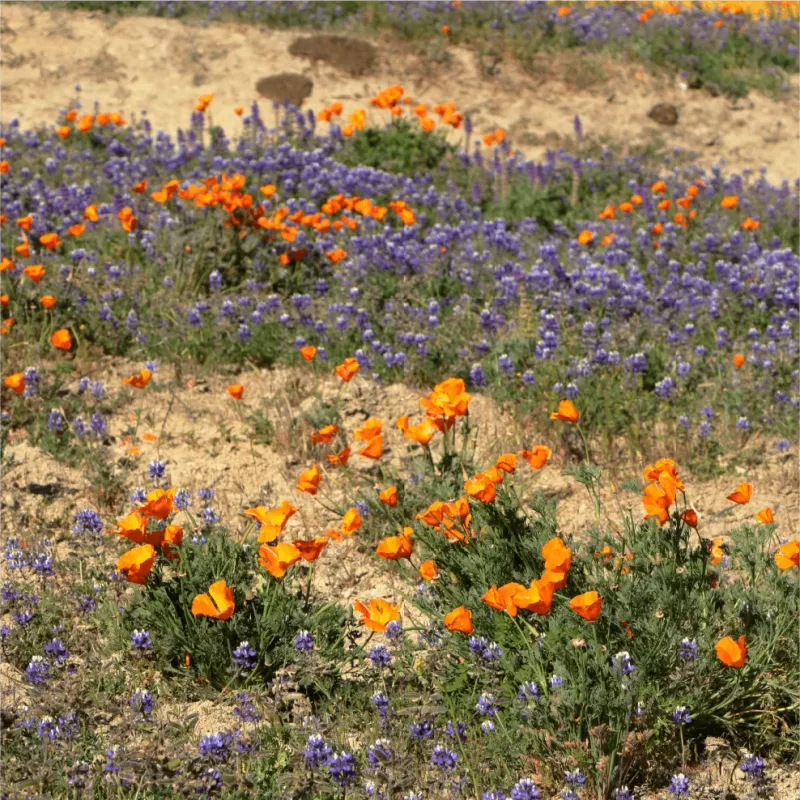
Gold Country has its own wildflower personality, and foothill nurseries around Auburn and Grass Valley lean into it. Red clay soils and cold winter nights call for a different seed list than the coast.
Ask about farewell to spring, foothill lupine, and Chinese houses. These flowers often bloom later in spring, stretching the season for native bees after valley blooms fade.
Many foothill homes sit in fire-prone areas, so ask staff which low-growing annuals fit your defensible space plan. A wildflower meadow kept short and green in spring can be a smarter choice than dry, overgrown grass.