
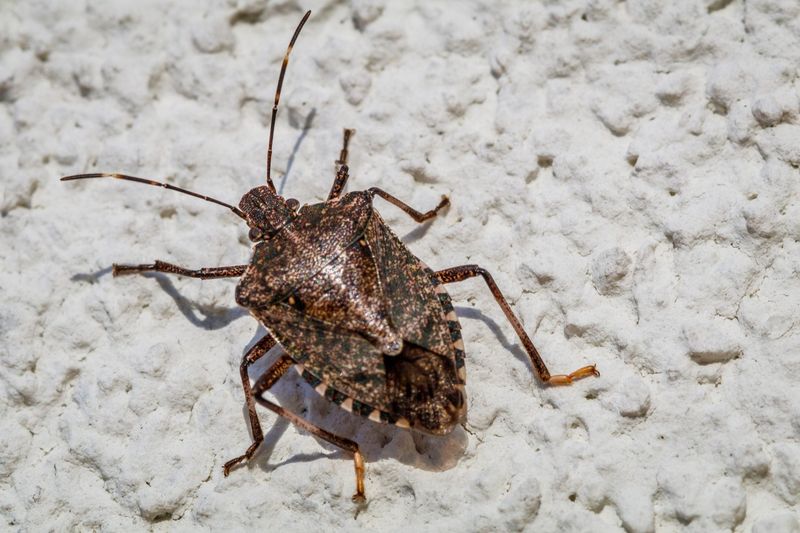
Fall is when some stink bugs show up on window frames and porch walls, and a few always find their way inside. If you spot one crawling across a dark living room at night, you probably want a simple fix right now.
A shallow pan of soapy water and a light can collect brown marmorated stink bugs that are already in your house. It takes about five minutes to set up, and you likely have everything in the kitchen.
Why brown marmorated stink bugs gather on buildings in fall
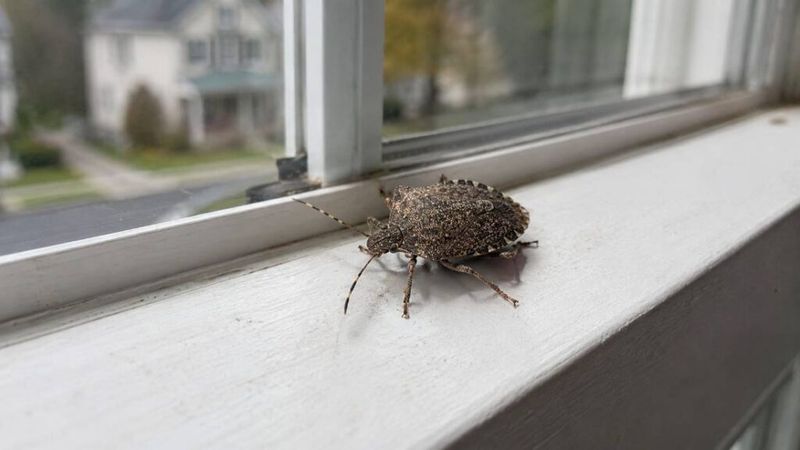
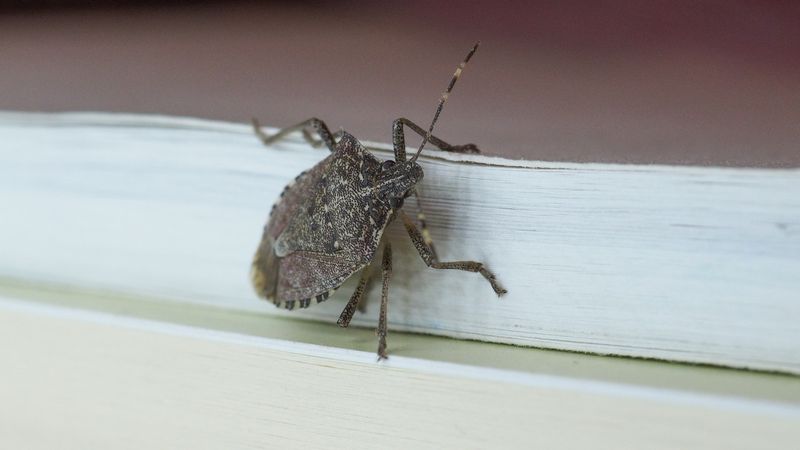
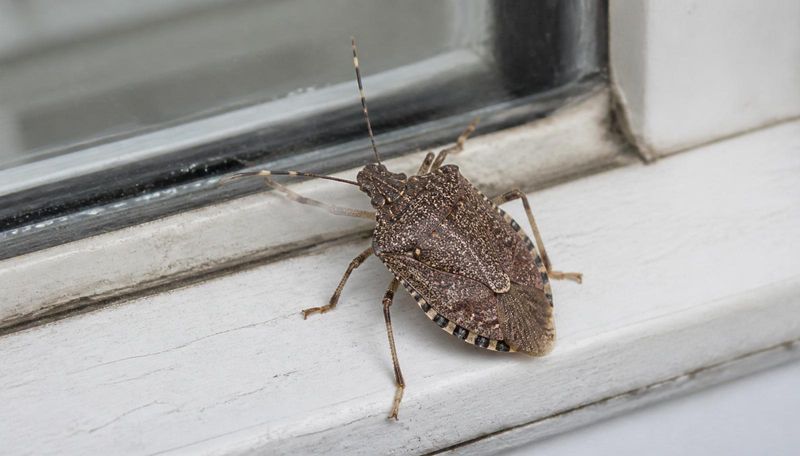
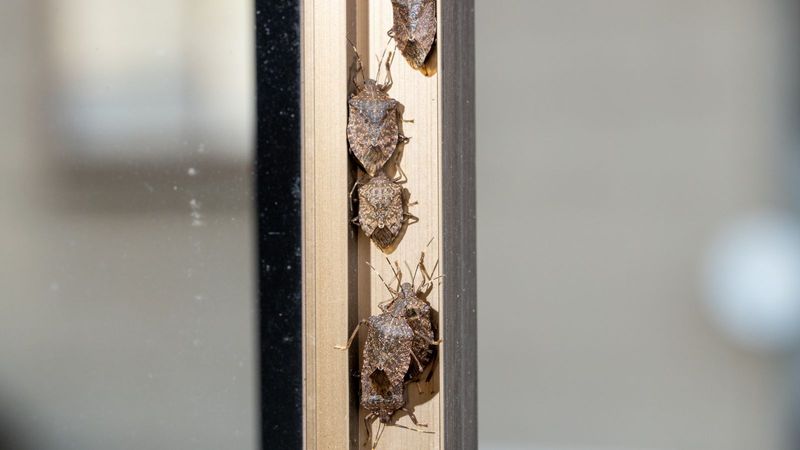
Late summer and fall bring a change in behavior for the brown marmorated stink bug. According to UC IPM guidance, this species gathers on buildings while looking for protected spots to spend the winter.
Gaps around windows, doors, vents, and screens can let them slip inside.
That habit belongs to this species, not to every stink bug. In Florida, UF/IFAS Polk County points out that some stink bugs are plant-feeding pests while others, like the spined soldier bug, are helpful predators.
Texas homeowners may also see southern green, green, or brown stink bugs, as described by Texas A&M AgriLife. So a bug on your window is not automatically the fall-gathering kind.
One bit of calm news: the EPA notes these bugs do not reproduce or damage the structure of your home. They are mostly a nuisance, and a smelly one when disturbed.
What the indoor trap evidence supports
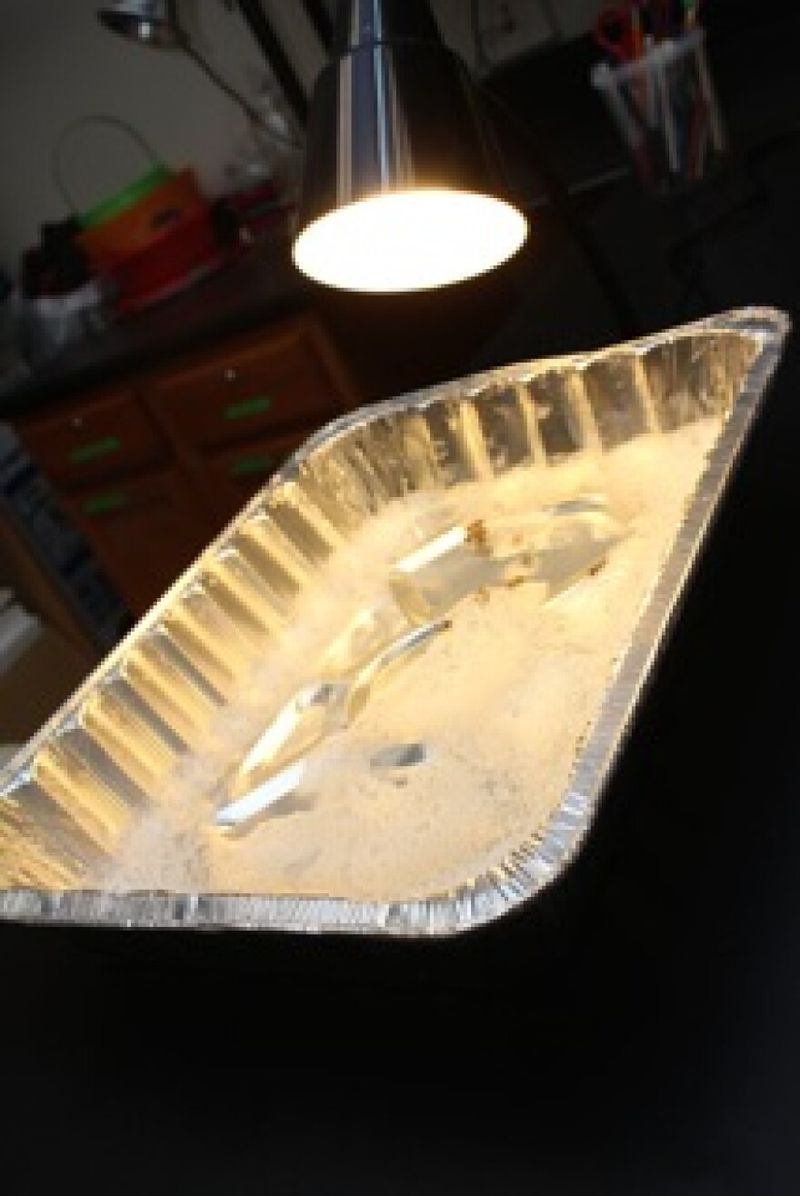
The pan-and-light setup is a way to collect brown marmorated stink bugs that are already inside. It is not a device for catching bugs gathering on a porch or outside a window, and it does not control them throughout the whole house.
The best research comes from a Virginia study that compared several indoor traps for these bugs in homes. An aluminum-foil water-pan design caught the most among the designs tested.
Home trapping in that study took place in late winter and early spring.
That result does not give a catch rate you can count on. It also does not prove the same performance for other stink bug species, other regions, other homes, or outdoor spots.
UF/IFAS trap guidance describes the same basic idea as a simple do-it-yourself option.
Build the pan-and-light trap tonight
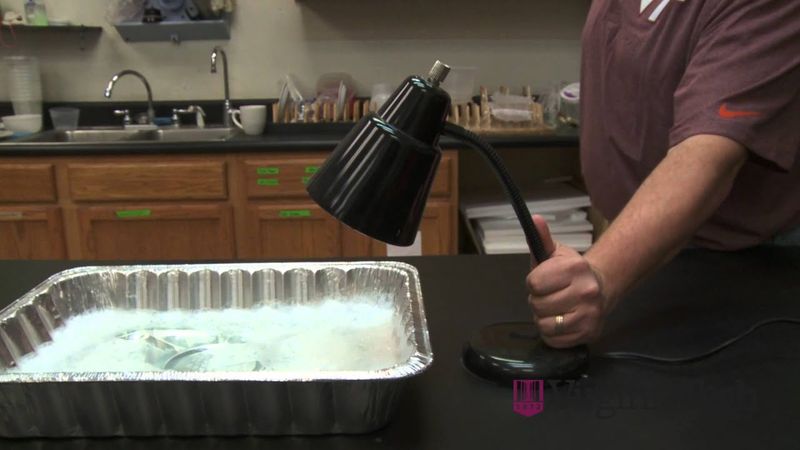
Start with a shallow, reflective foil pan, such as a disposable roasting pan. Pour in water, then add a few drops of dish soap.
The soap breaks the surface tension so bugs sink instead of walking out.
Next, set up a light so it shines down into the pan in a dark room. A small desk lamp works well.
The shiny foil and the glow are what draw bugs toward the water, as UC IPM describes in its trap instructions.
Keep water depth in mind. UF/IFAS cautions that a larger stink bug may need deeper water than a flea trap uses.
There is no exact depth to follow, so pour enough that the bugs cannot simply stand in it.
Check the pan in the morning. Some nights you may catch several bugs, and other nights none.
Place the trap indoors and keep it safe
Pick a dark indoor room where you have already seen stink bugs, such as a spare bedroom, sunroom, or den near a window. Keep the trap inside.
A light on a porch or outside a window can actually attract more of them toward your entrance, and UC IPM suggests turning off unneeded exterior lights.
Water and electricity do not mix, so set things up carefully. Put the pan on a flat, stable surface so it cannot tip.
Keep the lamp and its cord well away from the water.
Place the whole setup where children and pets cannot reach it. These are common-sense safety steps, not results from the trap study.
UF/IFAS also warns about mixing electricity and water when it covers light traps.
Empty the pan and remove bugs without crushing them
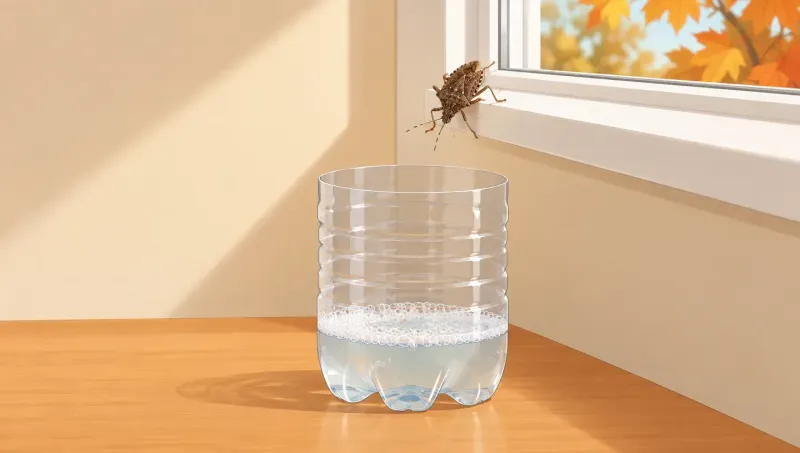
Once bugs collect, dump the pan, rinse it, and refill it with fresh soapy water. Reset the light if you plan to try again the next evening.
Empty it whenever it gets crowded.
Some bugs will skip the trap and stay on curtains or walls. For those, brush them straight into a container of soapy water.
UC IPM lists this as an option.
A vacuum can also work, though the vacuum may hold the odor afterward. Skip crushing if smell is a worry, because the EPA notes that these bugs release their scent when disturbed or squashed.
Reduce future entry by sealing gaps
Trapping deals with bugs that are already inside. Keeping new ones out takes a different job: closing the gaps.
Seal cracks around windows, repair torn screens, and add weather-stripping to doors.
UC IPM treats this kind of exclusion as more effective than relying on insecticide sprays. UF/IFAS likewise points to sealing entry points for this species.
Also think about outdoor lighting. Stink bugs are attracted to lights, so consider turning off or moving unneeded exterior lights near doors and windows.
None of these steps can promise zero bugs, but they can reduce how many get in.
Treat tonight’s catch as one part of the plan
Use the pan indoors to gather bugs that have already come in, remove stragglers carefully, and work on sealing gaps for the longer term. The EPA says more than one tactic is needed for full control.
A good night’s catch does not mean the job is done, since more bugs may still be hiding or looking for a way in. Think of the trap as a helpful tool, not the whole plan.