
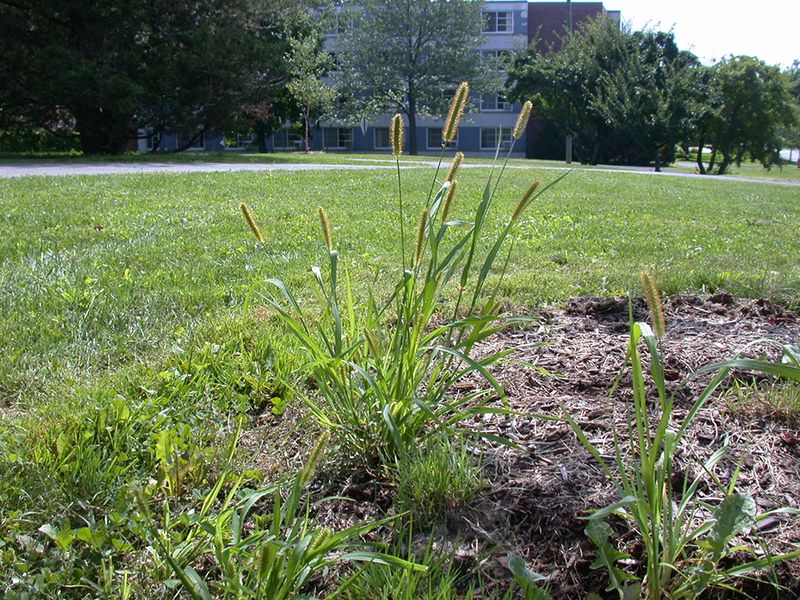
Bare soil in a California bed is basically an open invitation for weed seeds. Once fall rain arrives, some of those seeds wake up and fill the space fast.
A smart cover of organic mulch and leaves can make that harder for them, but it also affects the bees that nest in the ground. Here is how to balance weed control, wildlife, and fire safety in your own beds.
Plan around local fall growth, not a statewide first-rain deadline
Getting ahead of fall rain is a smart habit, but the right date depends on where you live and which weed you are fighting. UC IPM notes that weedy mallows, the plants behind cheeseweed, begin growing with the fall rains.
That makes the weeks before significant rain a handy window for getting beds ready.
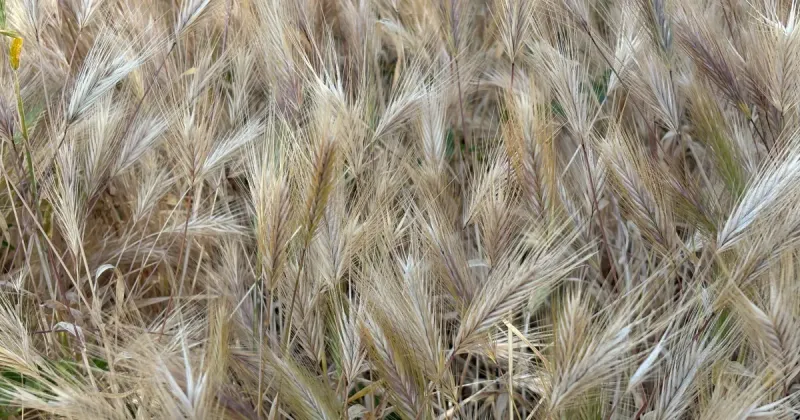
Foxtails are trickier, because the name covers more than one plant. A UC Cooperative Extension article from Alameda County describes winter-annual barley, brome, and rye grasses, all locally called foxtails, that sprout after significant rains.
Those are the grasses that fit a fall-prep plan.
On the other hand, UC IPM’s foxtail page describes Setaria foxtails as summer annuals. Those grow in warm weather, so a fall mulch job will not line up with their schedule in the same way.
Before you set a date, check what is actually sprouting in your yard and watch your local forecast. A coastal bed, a Central Valley lot, and a foothill yard can all see rain weeks apart.
Treat the first big storm in your area as your cue, not a single date on the calendar for the whole state.
Clear weeds before applying mulch
Mulch works best on ground that is already clean. UC IPM recommends applying it to weed-free areas and removing young weeds before they flower and set seed.
Covering a bed full of live weeds just gives them a head start under a blanket.
Walk the bed slowly and pull everything green, roots included. Damp soil after irrigation makes this easier, since roots slide out instead of snapping.
Drop pulled plants that have already made seed heads into the trash rather than the compost pile.
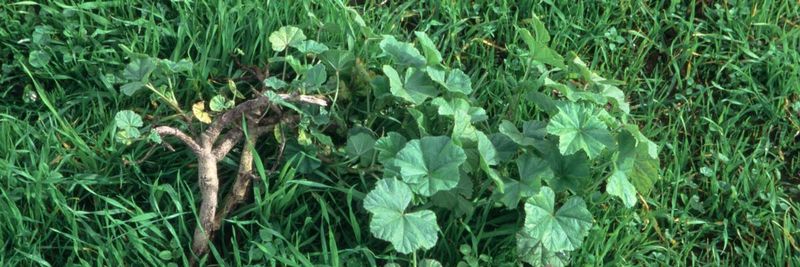
Size matters with cheeseweed. UC IPM advises pulling young mallows while they have four or fewer true leaves, because the taproot gets hard to remove as the plant matures.
A seedling that comes out with one tug in October can need a shovel by spring.
Look for a round, lobed leaf on a small plant, which is a common cheeseweed clue. Pull those first and then move on to grasses.
Once the soil looks tidy, you are ready for the mulch step.
Use mulch to reduce emergence, not to promise a weed-free bed
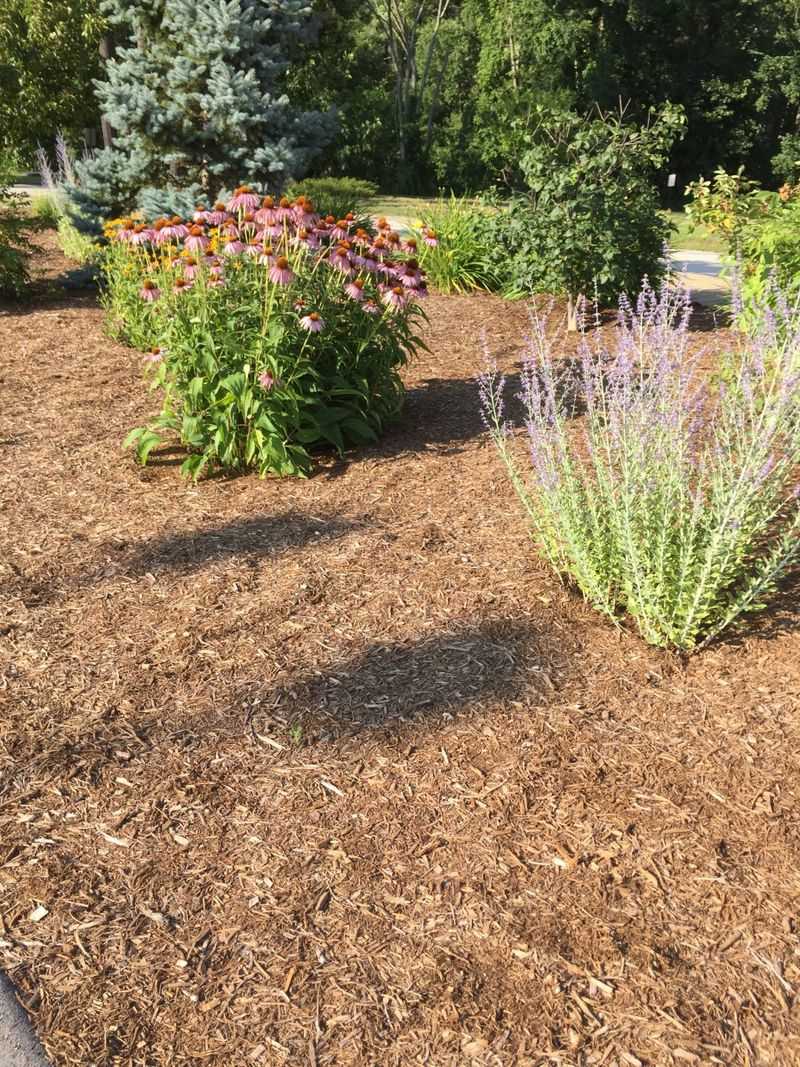
Organic mulch cuts down on weeds mainly by blocking light, which many annual weed seeds need to sprout. UC IPM recommends about 3 to 4 inches of medium-sized mulch for landscape weed control.
Bigger pieces let more light slip through, so coarse chunks may need a deeper layer to do the same job.
For cheeseweed, UC IPM says at least 3 inches of bark or wood chips makes it harder for seedlings to emerge. Notice the wording: harder, not impossible.
A few stubborn plants may still poke through.
Think of these depths as a way to lower your weeding workload. They are not a guarantee, and nothing here points to a special native-material recipe.
Standard chipped bark or wood from tree trimming follows the same rules as anything else.
Spread the mulch evenly and keep it a few inches back from plant stems and trunks, so the base of each plant can breathe. Check that the layer stays level, since thin patches are where weeds tend to break through first.
A little regular touch-up beats a big once-a-year overhaul.
Use fallen leaves carefully
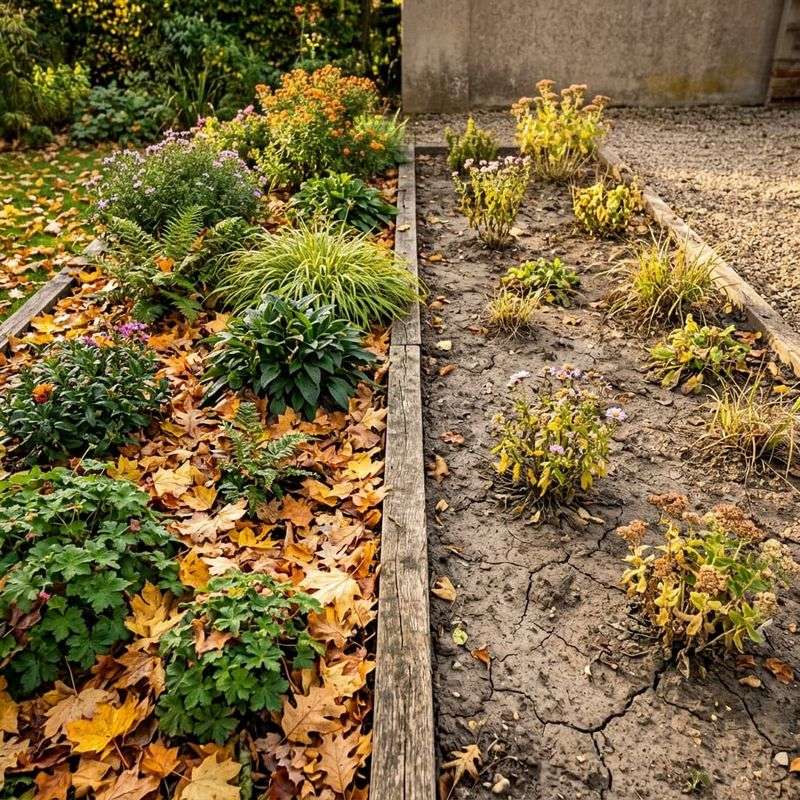
Fallen leaves are free, local, and already sitting in your yard. A UC Master Gardener article from Contra Costa County suggests a leaf layer about 2 to 3 inches deep.
That is a different number from the 3 to 4 inches UC IPM gives for weed suppression, so do not expect the two to perform the same.
Whole leaves can mat down into a soggy sheet, especially when thick, and that can block air and water from reaching the soil. The same article suggests shredding thicker layers.
Running a mower over a pile or using a leaf shredder breaks them into pieces that settle more loosely.
Leaves also vanish faster than wood chips. Expect to top up the bed as they break down, sometimes more than once over a season.
Leaf litter helps feed the soil and covers bare ground, but it should not be your only defense against foxtails or cheeseweed. Pair it with early weed removal, and consider chips in the spots where weeds always return.
Reserve a separate patch for ground-nesting bees
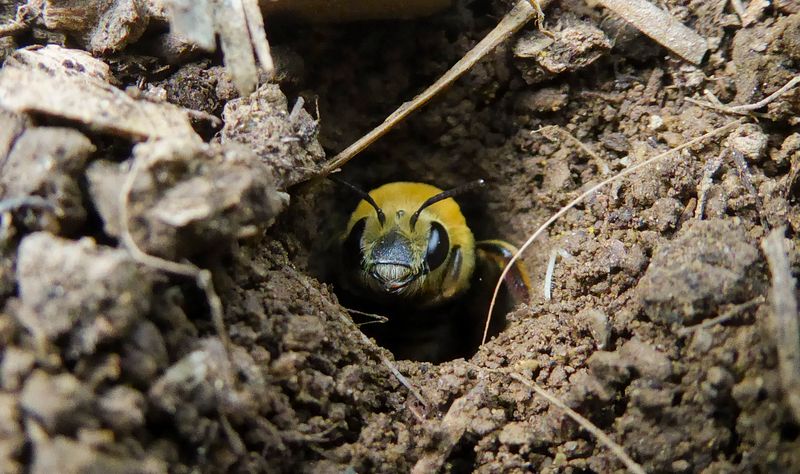
Here is the tradeoff: the same thick mulch that blocks weeds can also block bees. Many native bees nest in the ground, and a UC Real Dirt article encourages leaving some bare or lightly leaf-covered soil for them.
It also notes that some ground-nesting bees can use lightly mulched soil or thin leaf cover.
The fix is separation. Mulch deeply where weeds are a problem, and set aside a distinct, undisturbed patch for nesting.
Pick a spot with sun, away from foot traffic and irrigation spray. Deep mulch should not be counted as nesting habitat.
If you spot small holes or mounds in bare soil, leave them alone and do not cover them. The UC Bee Gardener blog takes up the same mulch question for bee gardeners.
Research points the same direction, with limits. A peer-reviewed study of urban gardens found that bee abundance and species richness were associated with more flowers, less mulch, and more bare ground.
Those are associations, not proof that mulch alone causes bee declines.
No single patch size fits every bee species, so start small and watch what visits. Bees you never knew you had may show up.
Keep combustible mulch out of the first five feet

Wildfire season changes the mulch plan right next to your house. CAL FIRE’s defensible space guidance calls for hardscape, not combustible bark or mulch, in the first five feet from a home.
It also calls for removing dead leaves and debris from that zone.
That means the weed-control advice in this article stops at the five-foot line. No wood chips, no leaf mulch, and no cozy layer of fall leaves against the foundation or under decks.
Gravel, pavers, or bare mineral soil are the usual swaps.
Local rules can be stricter than the state guidance, so check with your city, county, or fire district. Some areas have their own ordinances for landscaping near structures.
For weeds in the hardscape zone, plan on pulling them by hand and sweeping leaves often. It is a little extra work, but it keeps embers from finding fuel at your walls.
Inspect and maintain the bed after installation
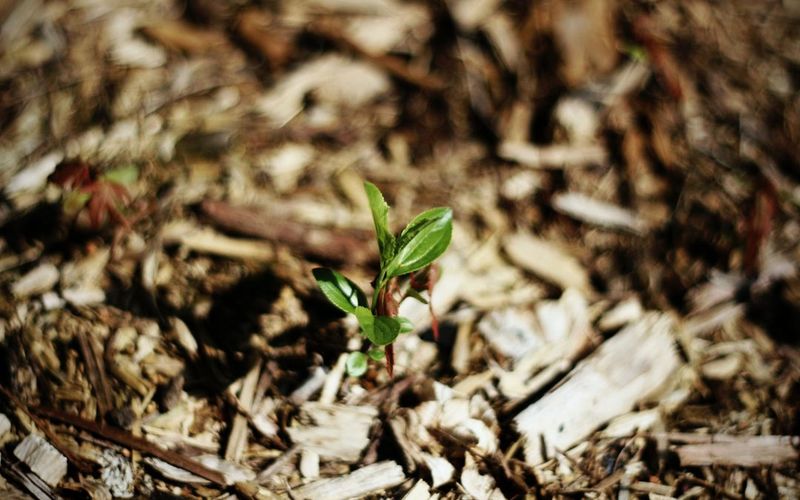
Mulch is maintenance, not a one-time fix. After each good rain, take a short walk through the beds and look for green sprouts.
UC IPM explains that seeds can blow or fall onto mulch and sprout there, and that decomposed or overly fine, wet mulch can support seedlings.
Pull new weeds while they are small and before they flower and set seed, as UC IPM advises. A weed that comes out in ten seconds in November is far easier than one that has gone to seed by April.
If mulch looks like dark crumbly soil, rake it loose or add a fresh layer.
Leaf cover thins out faster than chips, so watch for bare spots and top them up, as the Contra Costa Master Gardeners suggest. Keep the bee patch out of this routine, since UC guidance favors leaving it undisturbed.
Near the house, CAL FIRE’s rules still call for hardscape and clean ground.
Clear first, mulch the weed-prone areas, save a separate patch for bees, and respect the fire-safe zone. You will still pull weeds, just far fewer of them.
A bed that gets ten minutes of attention a week beats one that gets a perfect plan and none.