
Pine straw looks tidy for a few months, then it thins out, blows away, and lets weeds sneak right back in. A living carpet of native plants can do the same job year after year without hauling bales every spring.
Late September is a smart time to plant in North Carolina, since cooler air and warm soil help roots settle in before winter. Here are nine natives that can shade out weeds under your trees while feeding local wildlife.
1. Green and Gold
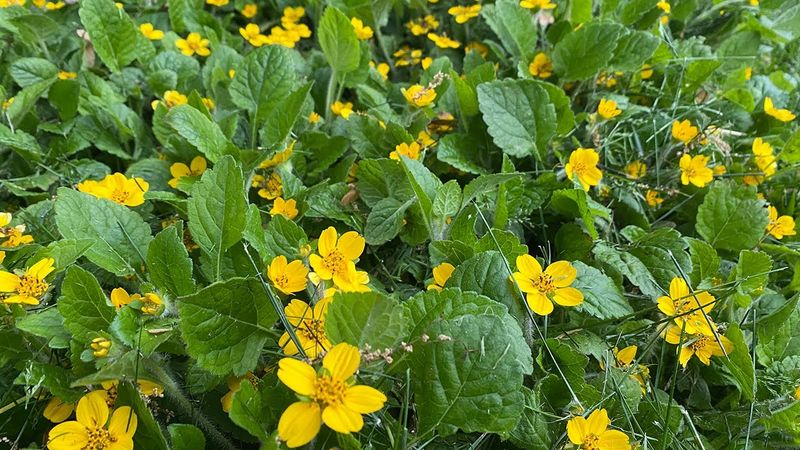
Picture a carpet of fuzzy green leaves sprinkled with little yellow stars every spring. Green and gold (Chrysogonum virginianum) grows naturally across the Piedmont and mountains, and it spreads by runners that knit into a dense mat.
That thick mat is the secret. Once it fills in, it can crowd out a lot of the chickweed and wiregrass that pop through pine straw.
Plant plugs about 12 inches apart and expect good cover in one to two seasons.
It handles part shade best and likes soil that drains well. Bees visit the blooms, and some plants rebloom lightly into fall.
2. Allegheny Spurge
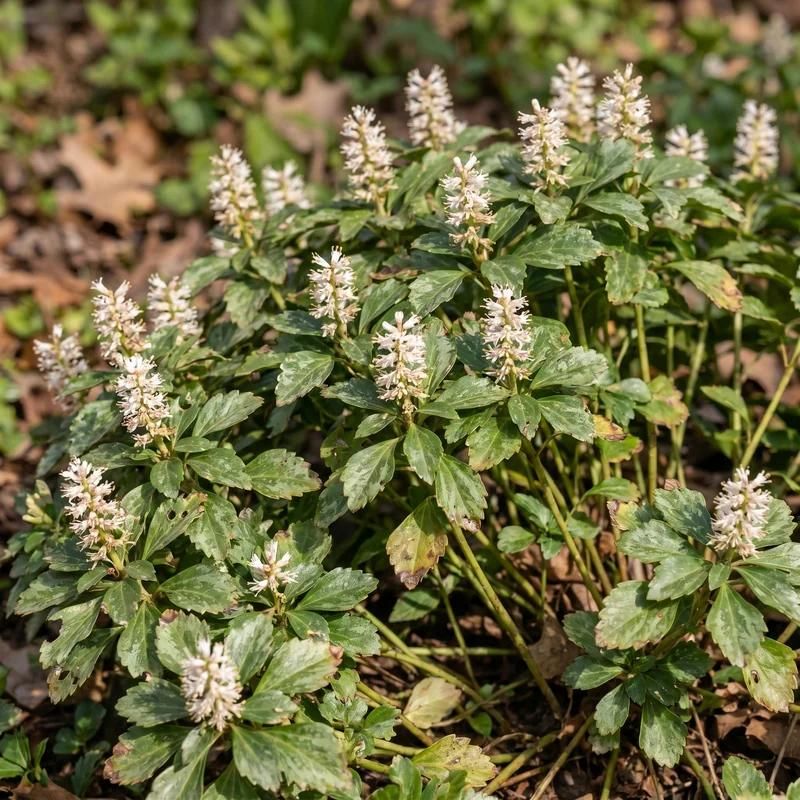
Gardeners who planted Japanese pachysandra years ago often wish they had known about its native cousin. Allegheny spurge (Pachysandra procumbens) is found in the Southeast, including western North Carolina, and it behaves far better.
Its broad, mottled leaves overlap to block light from reaching weed seeds. In early spring, fragrant white bottlebrush flowers appear before the new leaves, a welcome treat for early bees.
Growth is slow at first, so patience pays. Once established in rich, shady soil, it may hold its ground for decades with almost no fuss.
3. Pennsylvania Sedge
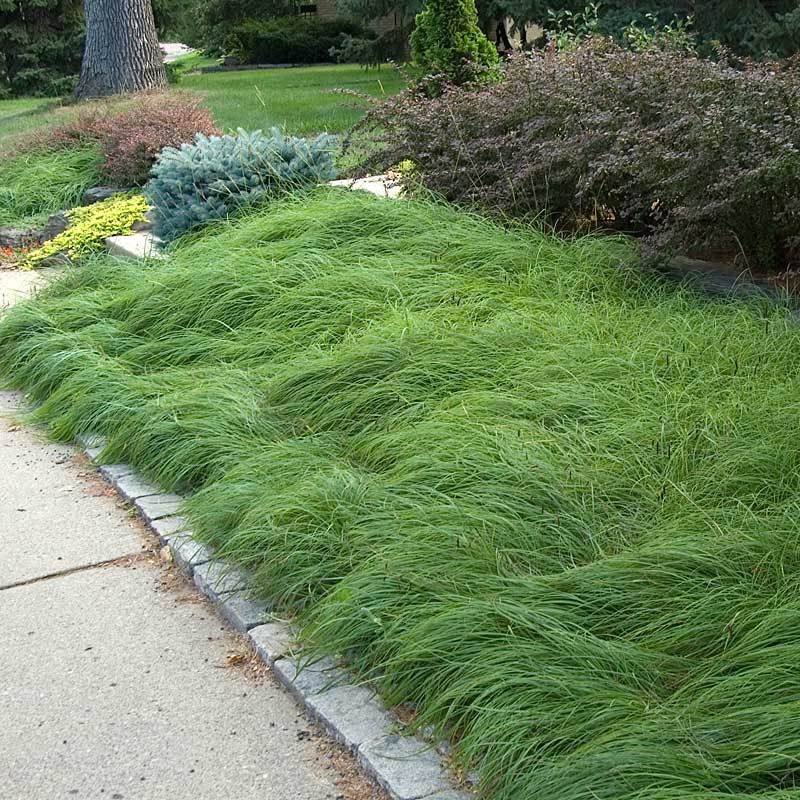
Grass refuses to grow under your oaks? Pennsylvania sedge (Carex pensylvanica) is the fix many native plant fans swear by.
It forms a soft, fine-textured carpet that looks like a shaggy lawn you never have to mow. The leaves stay low and dense, which can limit weed seedlings from getting a foothold.
It thrives in dry shade, a tough spot where most plants struggle. Mountain and Piedmont yards suit it especially well, and it tolerates root competition from big trees.
4. Foamflower
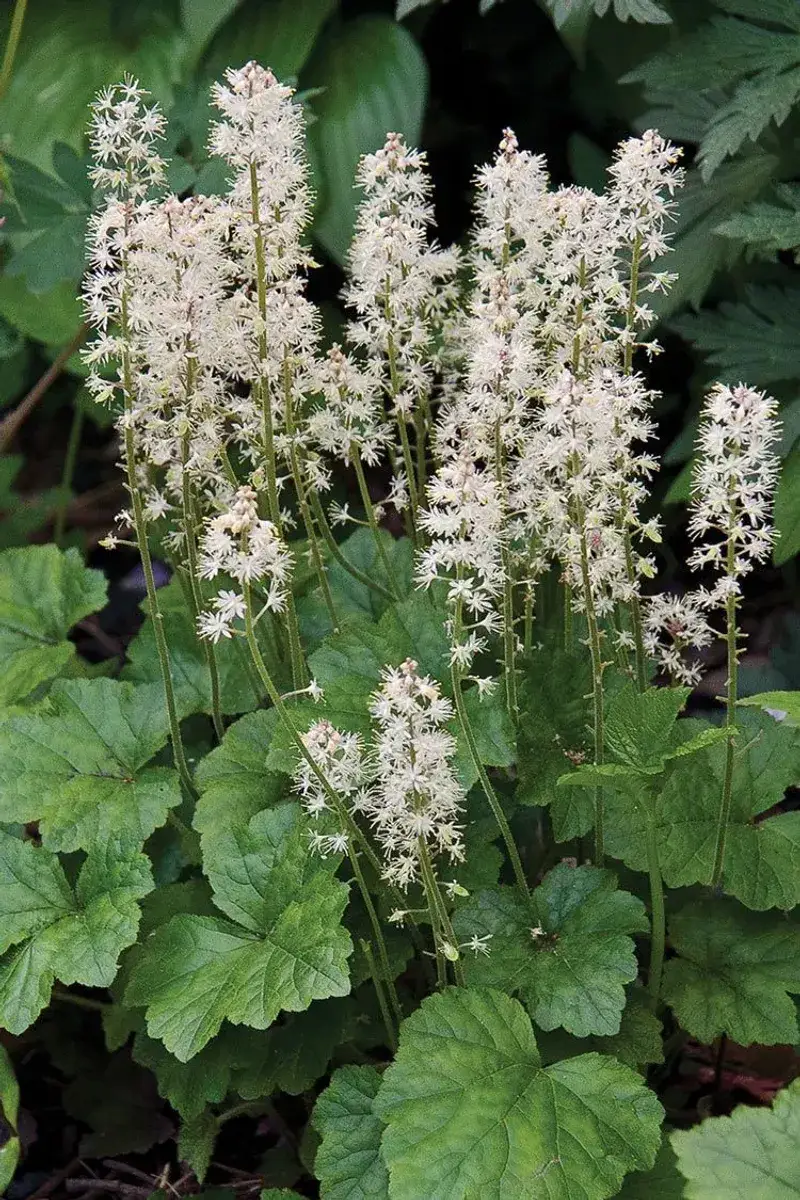
Foamy white spikes rise above heart-shaped leaves each April, and the effect is pure woodland magic. Foamflower (Tiarella cordifolia) grows wild in the NC mountains and adapts nicely to Piedmont gardens with moist shade.
Running types spread by stolons and form tight colonies. Choose a running variety, not a clumping one, if weed control is your goal.
Keep the soil evenly moist the first summer. In return, you get evergreen leaves that often blush bronze in winter, plus blooms that small native bees appreciate.
5. Partridgeberry
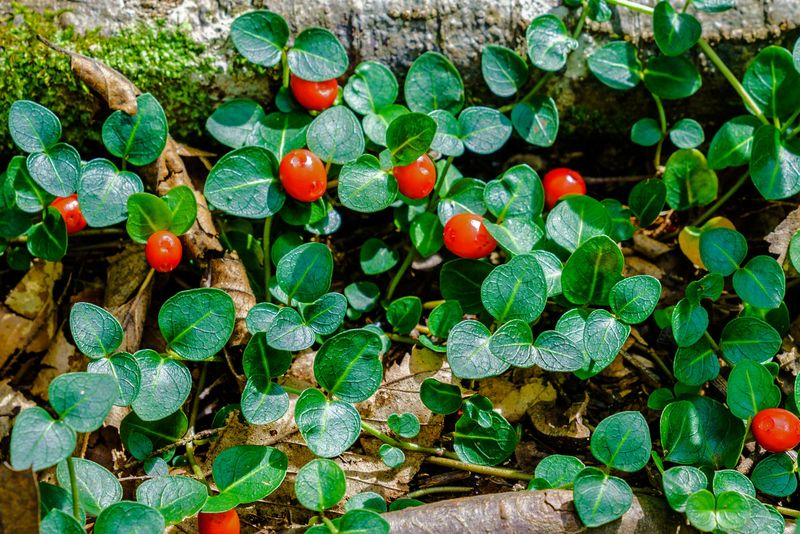
Tiny glossy leaves, paired white flowers, and bright red berries that last into winter. Partridgeberry (Mitchella repens) is a quiet charmer found in woods all over North Carolina, from the coast to the mountains.
It hugs the ground so tightly that it works well in small spaces near tree trunks. Coverage is slow, so tuck it among faster spreaders or use it in a cozy corner.
Fun fact: each berry forms from two flowers fused together, and you can often spot two little dimples on it. Birds like wild turkeys and bobwhite may eat the fruit.
6. Wild Ginger
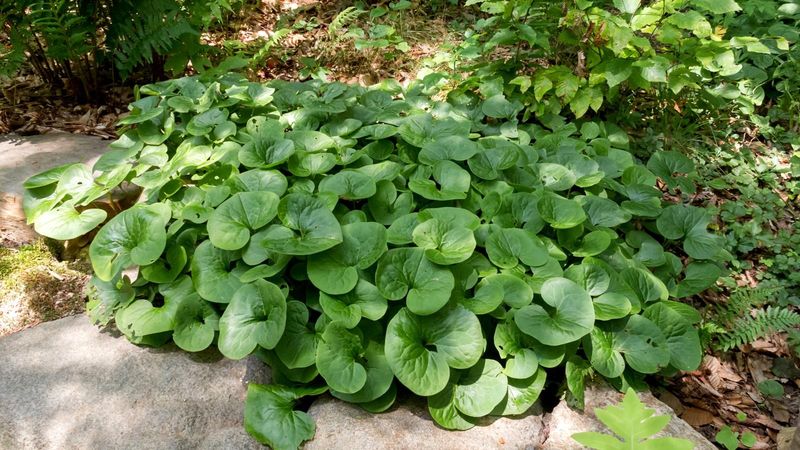
Ever want leaves so big they act like tiny umbrellas over the soil? Wild ginger (Asarum canadense) has velvety, heart-shaped leaves that shade the ground below and starve weeds of light.
It loves rich, moist shade, making it a great match for mountain yards and cooler Piedmont spots. Hidden maroon flowers sit right at soil level in spring.
It goes dormant in winter, so pair it with an evergreen like heartleaf ginger (Hexastylis) for year-round cover. Despite the name, do not eat it, since it is not true culinary ginger.
7. Creeping Phlox
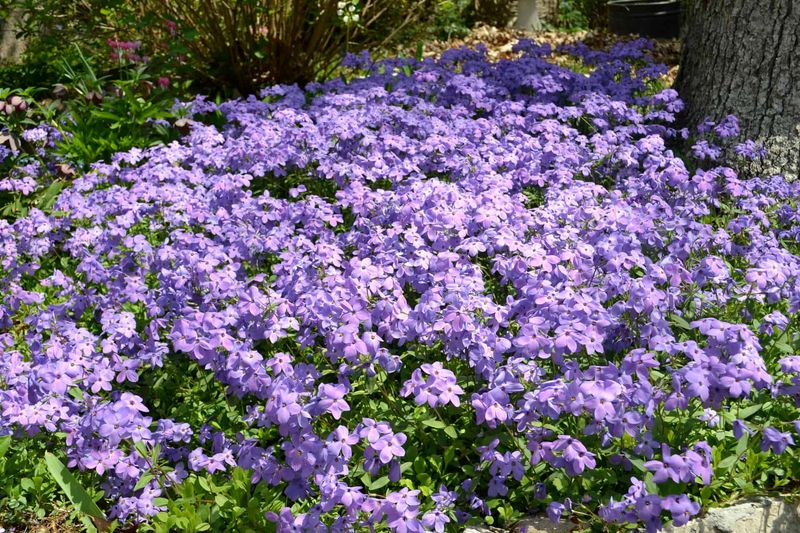
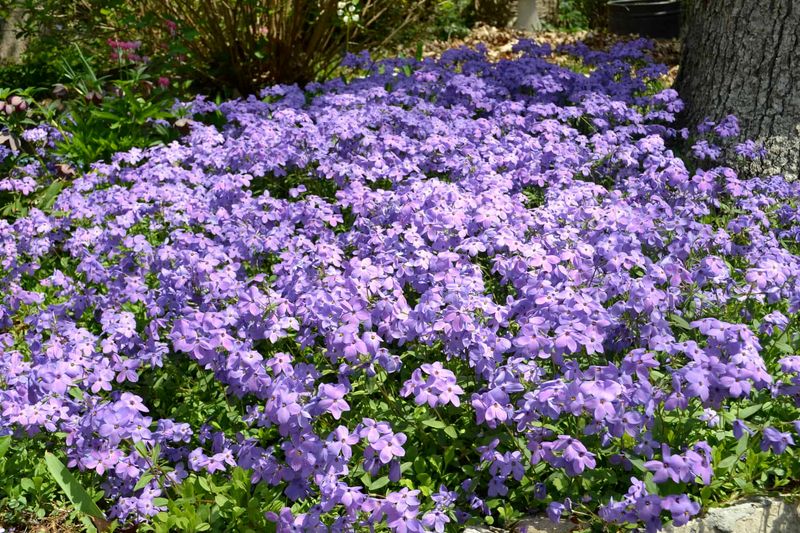
When creeping phlox blooms, the ground looks like it was painted lavender overnight. Phlox stolonifera is native to the Appalachians and spreads by leafy runners that root as they go.
Not to be confused with the sunny moss phlox, this one prefers part shade under trees. Its mats can cover bare soil quickly, which helps keep weeds from moving in.
Butterflies and long-tongued bees love the spring flowers. Give it decent drainage and a little leaf mulch, and it will reward you every April.
8. Christmas Fern
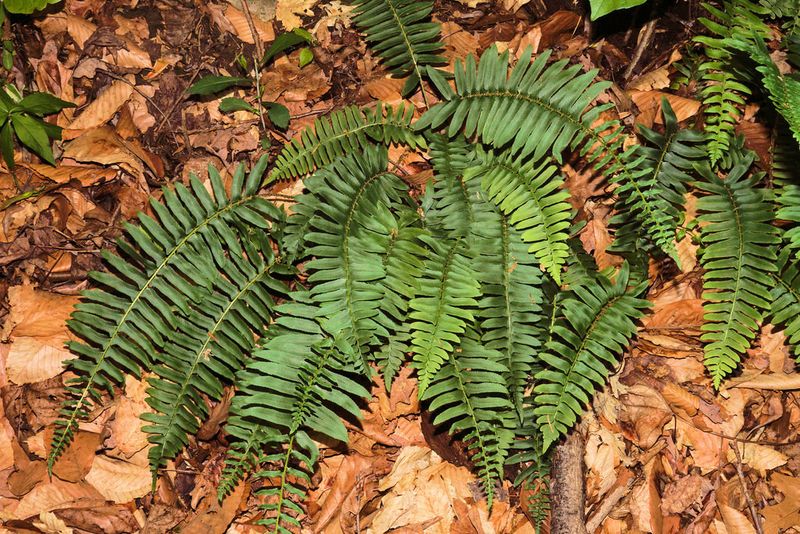
Stay green through snow, drought, and deer? Christmas fern (Polystichum acrostichoides) pulls it off, and it grows wild in every region of North Carolina.
Each clump spreads its fronds wide, and planted about 18 to 24 inches apart, they overlap into a shady, weed-resistant layer. It handles dry shade and slopes too.
Its name comes from the fronds staying green at Christmas, when early settlers used them for holiday decor. Leave old fronds in place over winter for shelter that may help overwintering insects.
9. Golden Ragwort
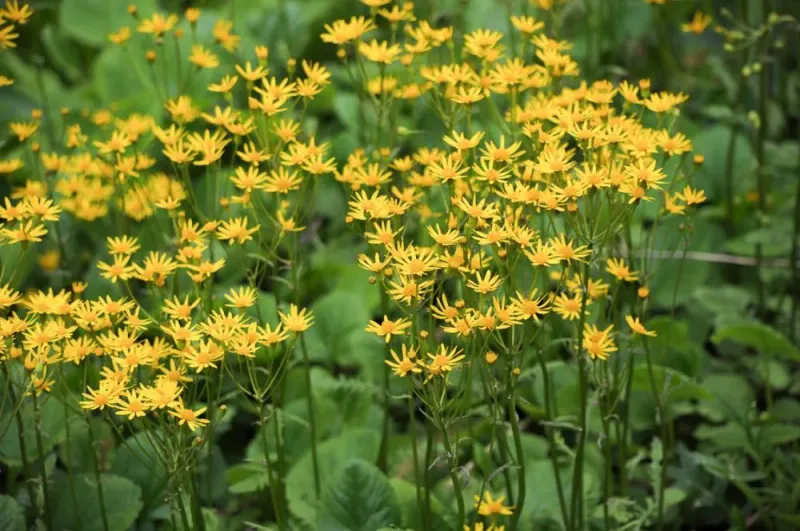
Here is a hard worker for damp, shady spots where nothing else seems happy. Golden ragwort (Packera aurea) forms dense evergreen rosettes that spread quickly into a solid carpet.
Bright yellow daisies burst up in early spring, giving early pollinators an important meal. It reseeds and runs, so it fills gaps fast, sometimes faster than you expect.
That speed makes it a strong weed blocker. Plant it this fall in moist soil, and by spring you may see pine straw chores disappear for good.