
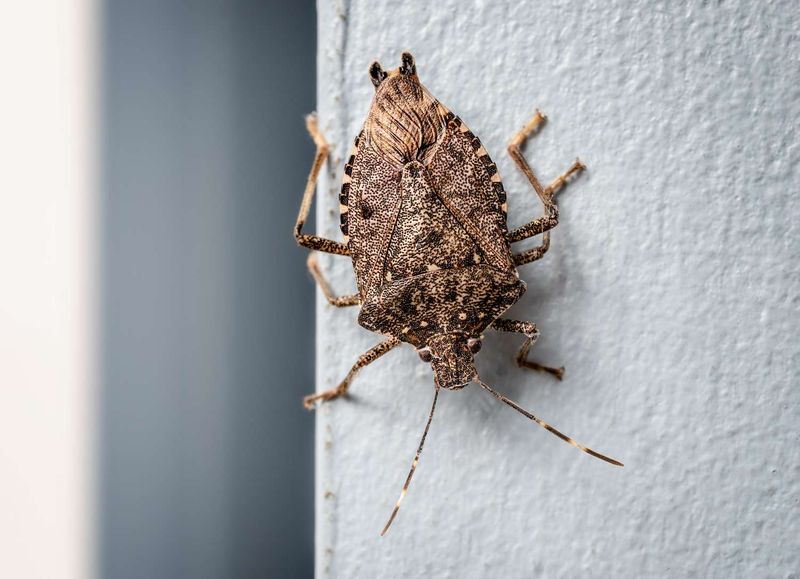
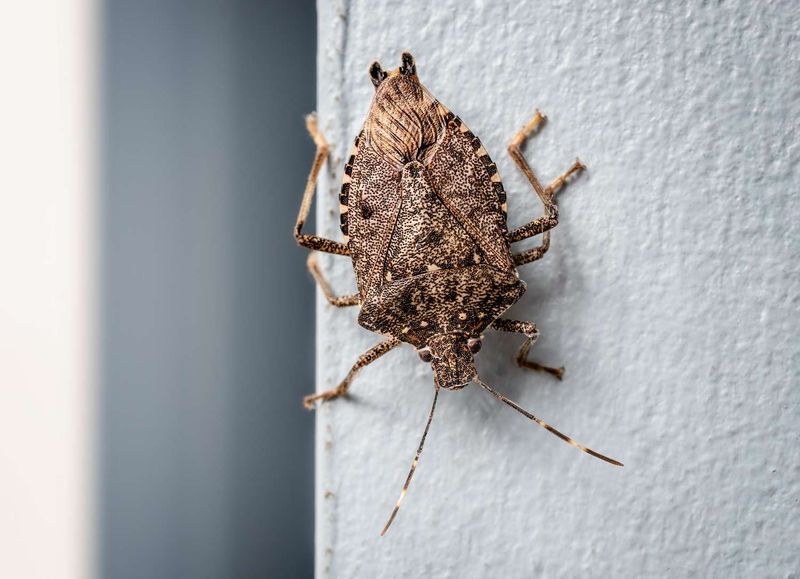
Brown marmorated stink bugs start looking for cozy winter shelter as fall arrives, and your house can look like a great spot. A popular claim says a common herb can keep them away.
The real story is narrower, and knowing it can save you time and effort. Here is what one study found, what it did not test, and what actually helps protect your home and beds.
What a spearmint oil trap study found
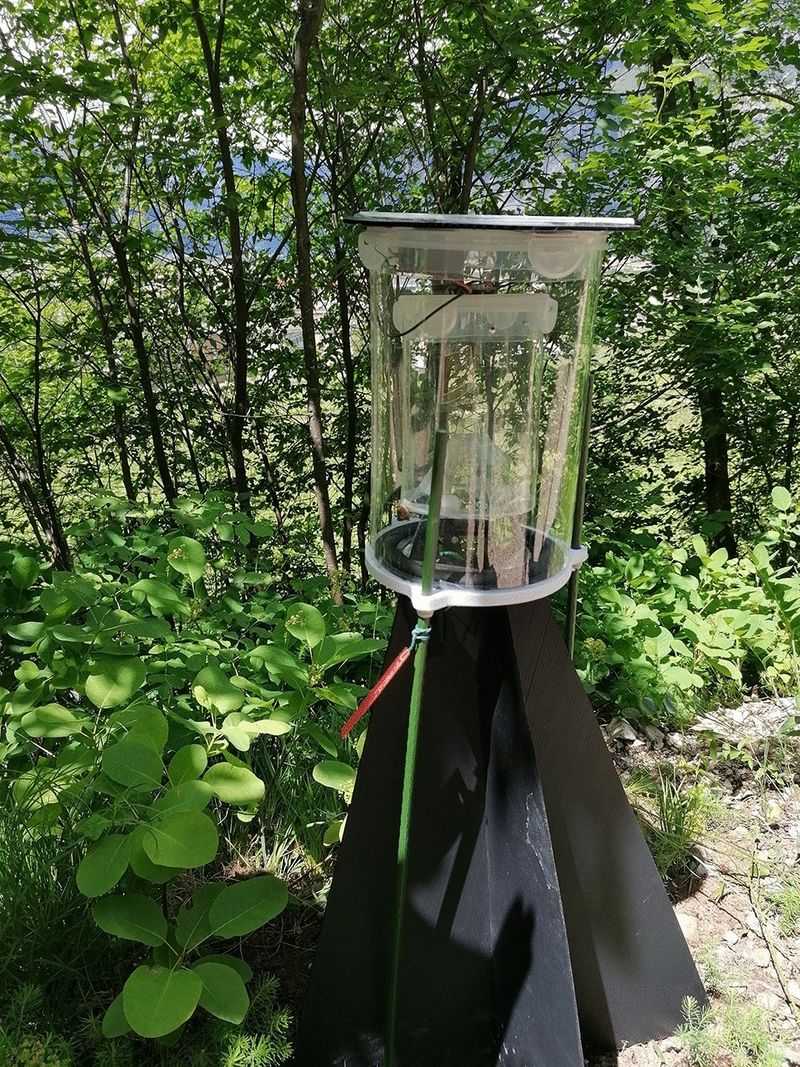
Researchers tested several plant oils to see whether they could change how brown marmorated stink bugs (BMSB) respond to baited traps. In a peer-reviewed 2014 study in the Journal of Applied Entomology, spearmint essential oil reduced how many bugs were drawn to baited traps.
Spearmint was not the only oil that worked. Clove, lemongrass, and ylang-ylang oils also produced strong reductions in trap attraction.
Rosemary oil reduced it too, but by a smaller amount.
Notice what was measured: attraction to traps. That is a lab and field testing result for one species.
It is not a count of fewer bugs on your tomatoes, fewer bugs on your porch, or fewer bugs inside your house. So the finding is interesting for researchers, but it is not a ready-made homeowner treatment.
Why the trap result does not prove mint is a barrier
A bottle of concentrated spearmint essential oil is very different from a mint plant growing in your yard. The study used the oil in a trap experiment.
The scent of living leaves, how much of it drifts into the air, and how far it reaches are not the same thing.
The researchers did not test mint borders around garden beds. They also did not test homemade sprays, home-entry prevention, or damage to garden plants.
Nothing in the study gives you a mixing ratio or a schedule for reapplying anything.
Timing matters too. A USDA-supported BMSB resource notes that essential oils volatilize quickly and do not provide ongoing protection.
Even a real effect could fade fast, so season-long protection should not be expected.
A practical example: if you see bugs on a porch that has a pot of mint beside it, that is no surprise. The plant was never shown to stop them.
Identify brown marmorated stink bugs before applying fall advice
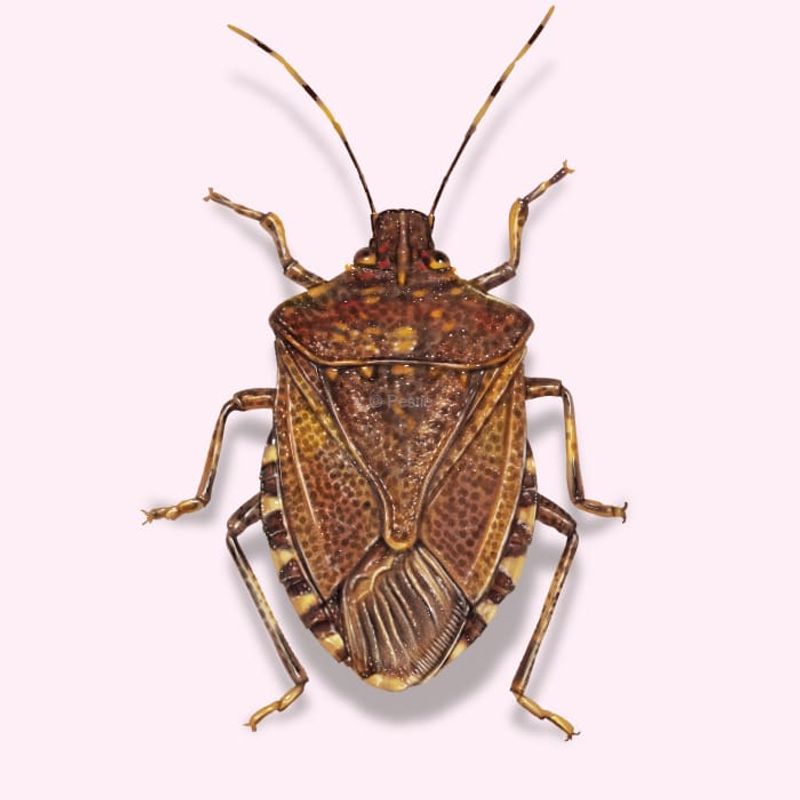
Late summer and early fall is when adult BMSB gather and look for shelter for the winter. UC Statewide IPM guidance says that includes tucking into buildings.
That habit is specific to this species, so it should not be assumed for every stink bug you find.
For a Southern example, University of Georgia Cooperative Extension describes BMSB moving into homes in fall in Georgia. Pressure in Florida or Texas may be different, so check with your local Extension office.
To identify one, look for a mottled brown, shield-shaped body and light bands on the antennae. Native stink bugs can look similar, so look closely at the antennae before deciding what you have.
Seal entry points to reduce BMSB in the home
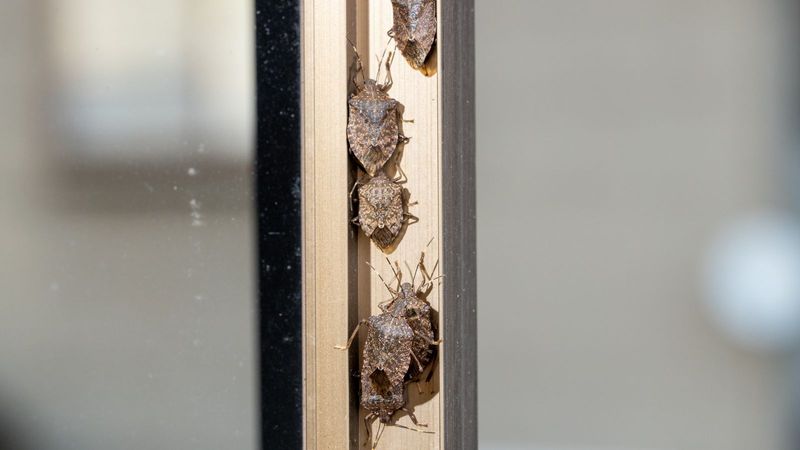
Keeping bugs out beats dealing with them once they are inside. UC IPM describes exclusion as the best way to keep BMSB out of a home, and that is the better-supported plan compared with any mint idea.
Walk the outside of your house and start with screens. Repair tears and holes in window and door screens.
Then seal cracks and gaps around windows, doors, vents, and utility entries.
Add weatherstripping or a door sweep where daylight shows under or around a door. Small gaps are enough for a bug to squeeze through.
Look at your lights too. BMSB are attracted to lights, so turn off unnecessary outdoor lighting near entrances during fall evenings.
Do this work before the bugs gather, and mint is not a substitute for any of it.
Handle bugs already indoors or in garden beds
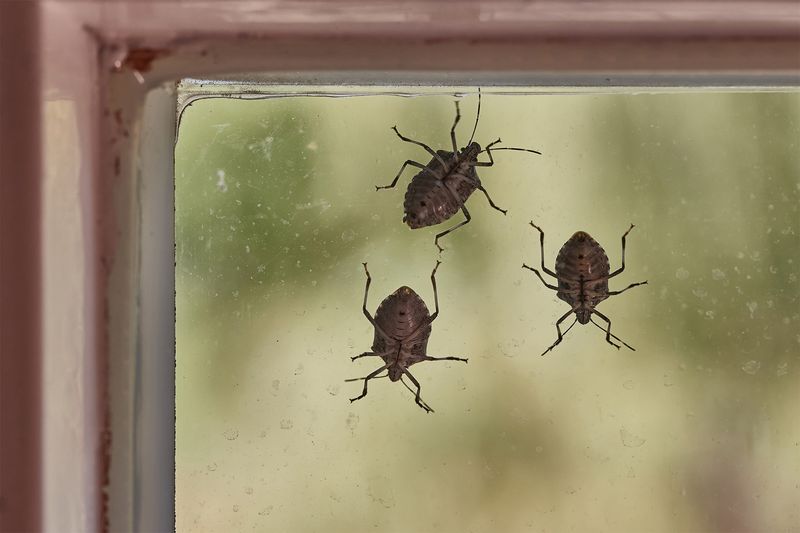
Some bugs will get in anyway, and that calls for cleanup rather than prevention. Indoors, capture them with a vacuum you set aside just for this job, or drop them into soapy water.
Vacuuming can leave a persistent odor in the machine, which is why a dedicated one makes sense.
In garden beds, hand-picking works on a small scale. Brush the bugs off plants into a container of soapy water, and check the undersides of leaves and fruit.
Row covers can keep bugs from feeding on your plants. The catch, noted by UC IPM, is that they can also block pollinators from reaching flowers.
Use them on crops that do not need pollination, or lift them when plants are blooming.
Grow spearmint for the herb, not as bug control
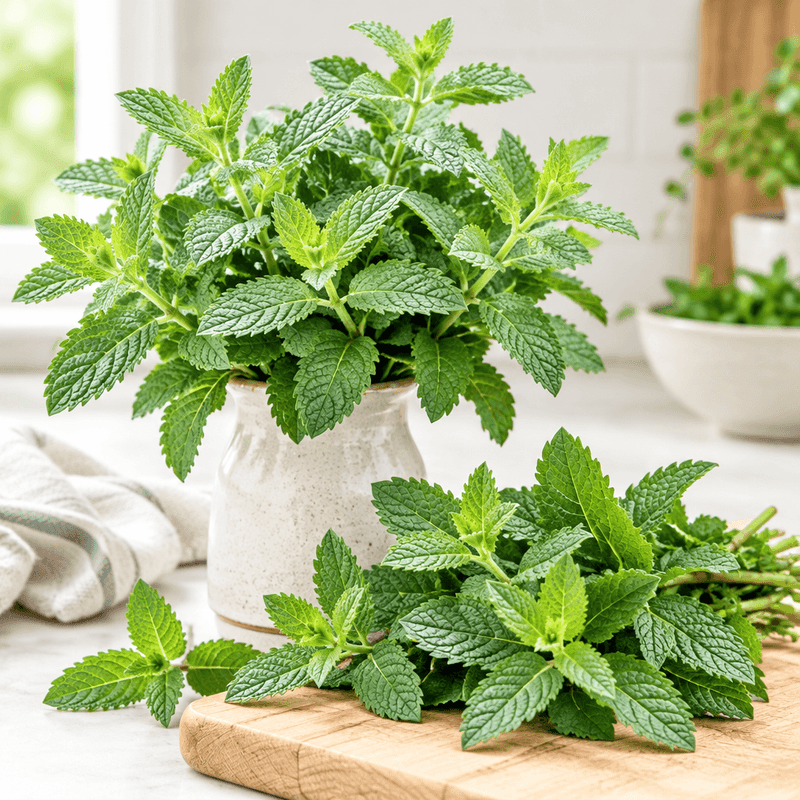
Spearmint is still a great plant to grow for tea, salads, and cooking. Just grow it for the kitchen and not as a stink bug fix.
Mint spreads aggressively, so contain it. University of Maryland Extension advises growing it in a pot or using another contained planting method.
A container keeps runners from taking over nearby beds.
That step is about managing a pushy herb. It has nothing to do with pest management.
Put the pot near the kitchen door where it is easy to snip.
Your best fall defense is still a tight house. The mint just makes the tea better.