
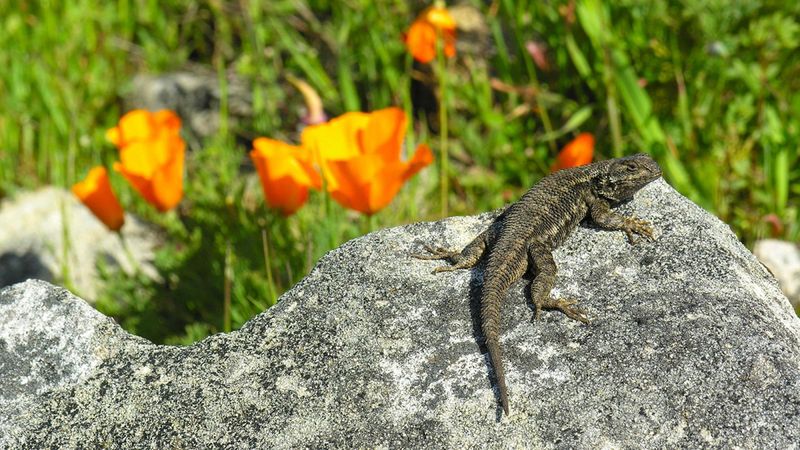
That quick gray lizard doing push-ups on your garden wall is a western fence lizard, and it eats insects. Some stories say it guards your beds and loses its home when you tidy up in fall.
The truth is more careful than that, and it can change how you clean up your California yard. Here is what is known, what is not, and how to check before you move things.
Insect eater does not mean garden-bed patrol
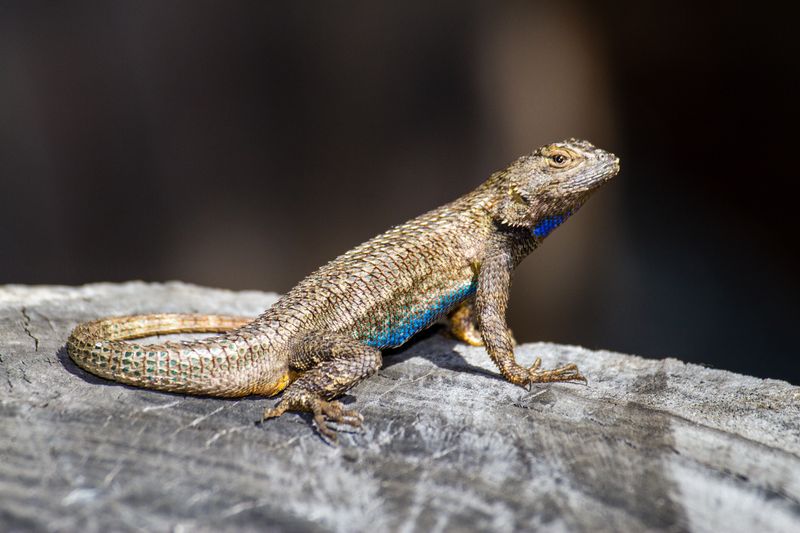
Western fence lizards eat insects. California’s wildlife habitat account says they feed mostly on terrestrial invertebrates, especially insects.
Spiders and other small creepy-crawlies can be on the menu too.
Beetles show up in the record. A northern California diet study, listed in a state toxicology citation database, recorded beetles among the prey found in lizard stomachs.
That tells us beetles are part of what these lizards eat. It does not tell us that a lizard works your vegetable beds looking for beetle pests.
So the popular idea of a lizard patrol is not backed up. Nothing in these sources shows that fence lizards go after garden pests on purpose, or that they cut pest numbers in a way you could measure.
A lizard eats what it happens to catch near its perch.
There is still a possible upside. UC IPM says California lizards mostly eat insects, do not cause measurable damage to garden plants, and may help with pest control.
Treat that as a possible bonus, not a guarantee.
A good rule: enjoy the lizard, but keep your usual pest checks going. Look at your leaves, handpick what you find, and do not count on a lizard to keep your garden pest-free.
What brings western fence lizards into a yard?
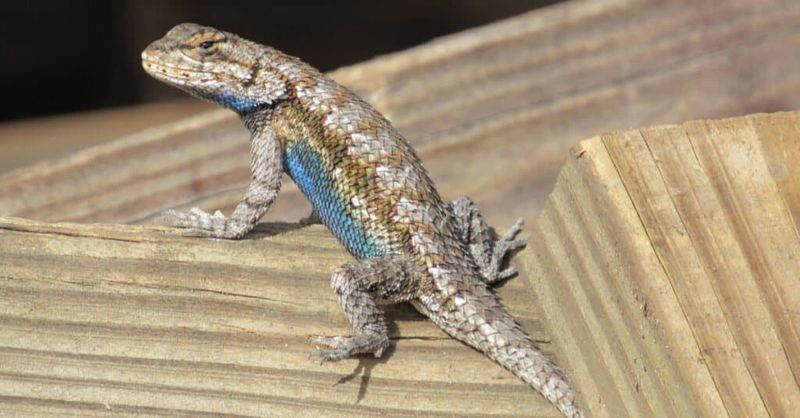
Picture a sunny rock wall in the afternoon. Lizards like a warm, open perch with a hiding spot close by, and yards are full of them.
The state wildlife account lists rocks, woodpiles, fences, tree trunks, crevices, and burrows as places these lizards may perch or take cover, according to California’s habitat relationships account.
Not every lizard needs or uses every one of those features. Some may stick to a fence, while others favor a stone border or a hollow in the ground.
What you see depends on your yard and the animals living nearby.
People most often notice them in the open. UC IPM says western fence lizards are commonly seen on rocks, trees, fences, and buildings during their active season.
That matches the spots many of us walk past daily.
This is a California story. The western fence lizard is the one found in California yards, so do not assume the same lizard lives in gardens across the Southern states.
You may hear it called the blue belly. That is an informal name.
Blue patches sit on the sides of the belly, and adult males also have blue throat patches. Some lizards show much less blue, so a plain gray one can still be the same species.
Moving cover can disturb an animal using it
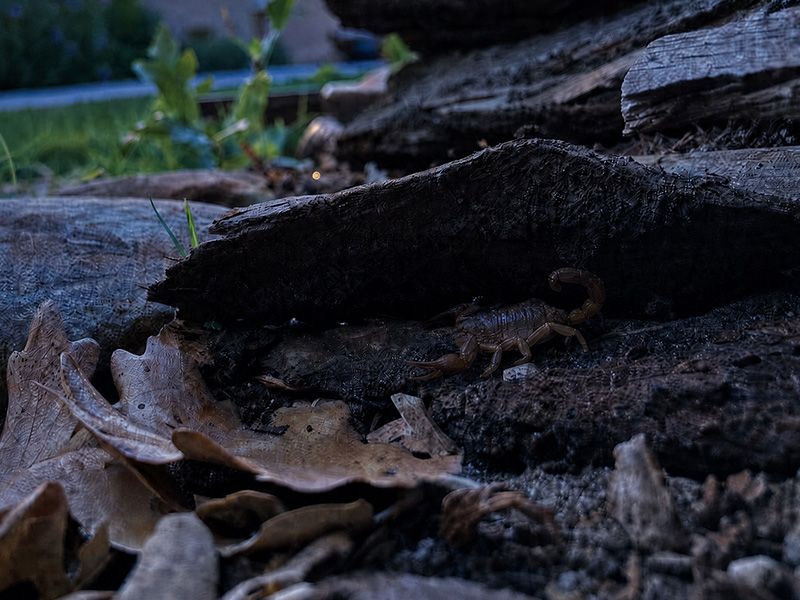
Lifting a flat rock or an old board seems harmless. If a lizard is using the space underneath, though, moving it takes away that shelter in one move.
The issue is the particular spot, not cleanup in general.
The idea that tidy fall cleanup leaves lizards homeless goes too far. Nothing in the sources shows that ordinary yard work makes lizards homeless or shrinks their numbers.
What can happen is smaller and more local: clearing one rock pile or log that an animal is using may disturb it.
Fall timing matters too. According to the state’s life history account, fall and winter inactivity occurs in most localities.
Rocks, boards, bark, crevices, and burrows can serve as cold-season shelter. The account also notes that lizards may seek suitable shelter sites, and that significant seasonal migration has not been reported.
That wording says most, not all. Warm spells in some places can bring a lizard out on a sunny day, so do not assume every one is tucked away.
A sluggish lizard under a board in November is a good reason to pause and put things back.
Think of it as a heads-up, not a warning. A short look before you lift something covers most of the risk.
Check before you move yard materials
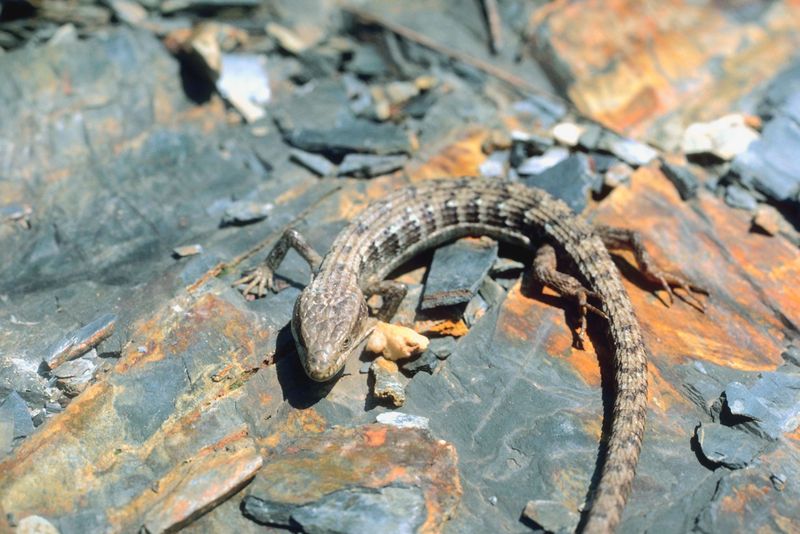
A few simple habits go a long way. Before you shift a rock, board, or stack of material, take a slow look around its edges.
Then lift one side gently and check underneath.
If you find an animal, stop and set the material back down. Give it time to move off on its own, or come back later.
Avoid grabbing or chasing it, since that can stress the animal and put your hands at risk.
Some features can stay where they are. When a rock border or stone feature is safe, sturdy, and already in use, the state’s habitat account points to the value of cover like this, so leaving it in place can be the easiest choice.
A feature that is not in your way and not a hazard is a good candidate.
There are limits to this advice. You do not need to keep every rock or log, and you should not skip your normal cleanup.
Please do not build new piles of material just to attract lizards either.
Try this routine: walk the area on a mild afternoon, check the spots you plan to clear, move what is empty, and leave what is occupied for another day.
Fire safety comes before habitat retention
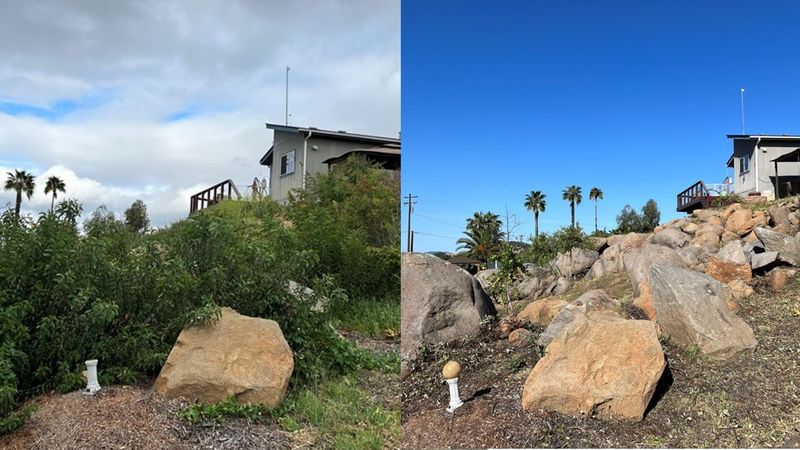
Wildlife cover and fire safety can pull in different directions, and safety wins. Dry leaves, brush, and firewood burn, and they should not stay near your house for the sake of lizards.
Start with CAL FIRE’s defensible space guidance. It calls for 10 feet of clearance around exposed woodpiles, and it covers removing dry debris and other fuels near buildings.
Your city, county, or fire district may have its own rules too, so check those and follow them.
Rocks and stone features are different from fuel. A stone border or rock wall does not burn, so it may offer a perch or crevice without adding fire risk.
Even then, make sure it fits your local requirements and is not buried in dry vegetation.
Habitat should fit around the rules, not the other way around. As California’s wildlife account shows, lizards use many kinds of cover, so you can give up a hazardous pile without giving up every option.
Keep cover only where it is safe and compliant.
Clean up carefully, without alarm
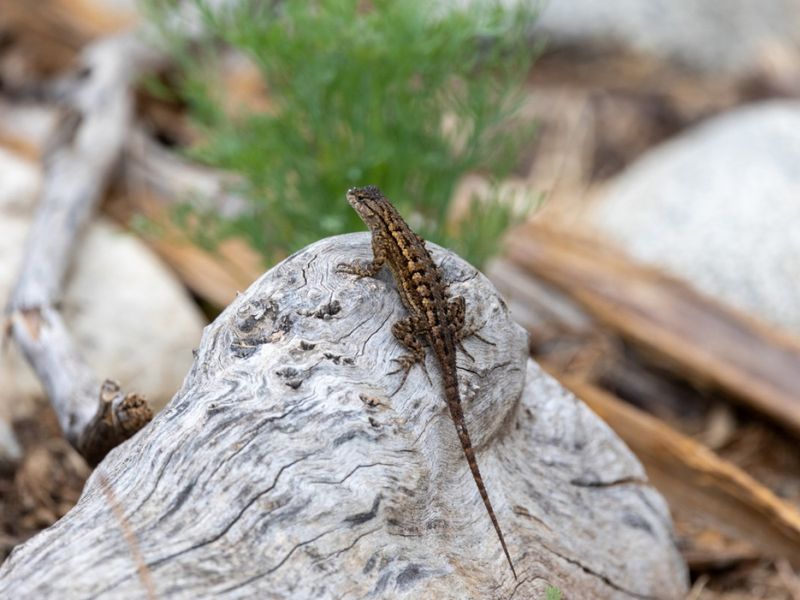
Here is the short version. Western fence lizards eat insects, a specific rock or board may shelter an animal, and a quick check before you move it is a sensible habit.
Where California wildlife guidance and CAL FIRE rules both allow, keeping a safe feature is a nice extra.
You can still do your fall work. A tidy yard and a visiting lizard can coexist when you look first.