
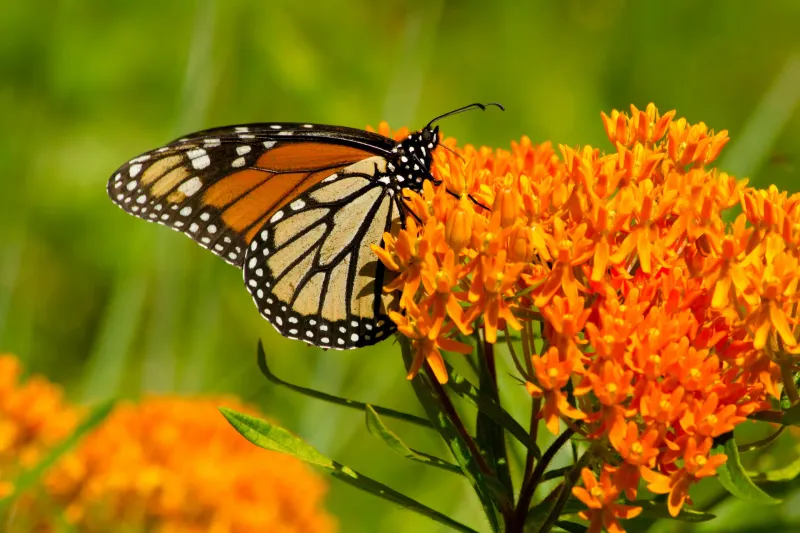
A flower bed can do more than brighten the view from your porch. With the right Florida natives, it can feed bees, butterflies, and other helpful visitors through much of the year.
These seven plants offer different kinds of food, bloom times, and growing habits, so you can choose what fits your yard. Start with a few well-placed plants, and even a small space can become a busy feeding spot.
1. Dune Sunflower
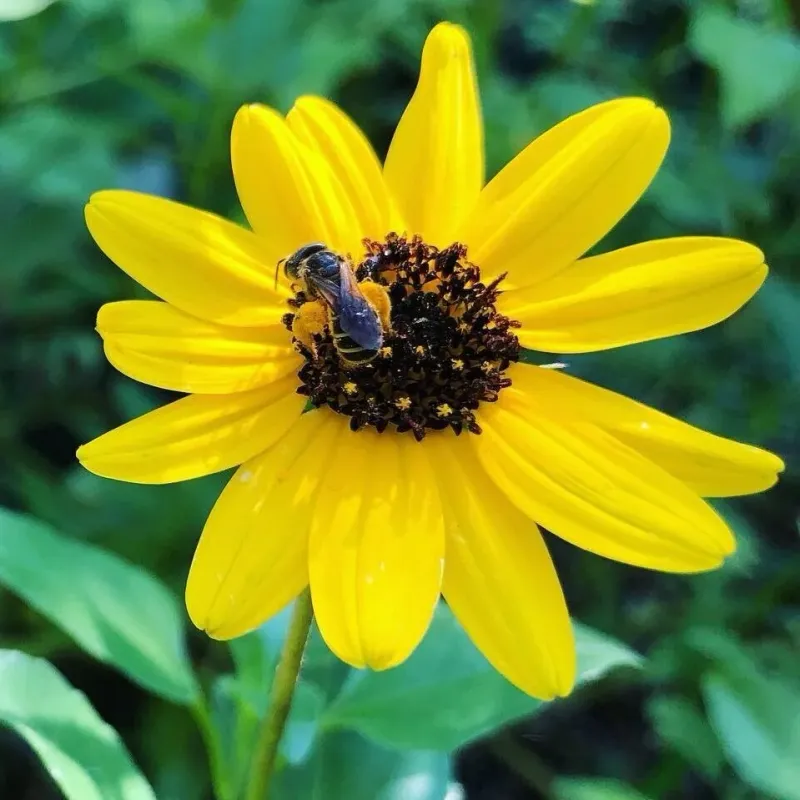
A sunny patch of sand does not have to stay bare. Dune sunflower (Helianthus debilis) turns a difficult, fast-draining spot into a low carpet of yellow flowers that bees and butterflies can visit.
Its main advantage is coverage: spreading stems help fill open ground while producing plenty of accessible blooms. Flowering can last much of the year in frost-free parts of Florida, while colder areas usually have a shorter season.
Give it full sun and well-drained soil, especially near a driveway, walkway, or coastal garden edge. Most plants stay roughly 1 to 3 feet tall but spread several feet wide, so leave room rather than crowding them between small annuals.
Water new plants until their roots settle in, then adjust irrigation to rainfall and soil conditions. Constantly wet ground is a poor match, and rich soil or heavy fertilizer can encourage floppy growth.
Choose nursery stock appropriate to your part of Florida, since dune sunflower has regional forms. Trim wandering stems when needed, but avoid cutting the whole patch at once so some flowers remain available.
2. Lanceleaf Tickseed
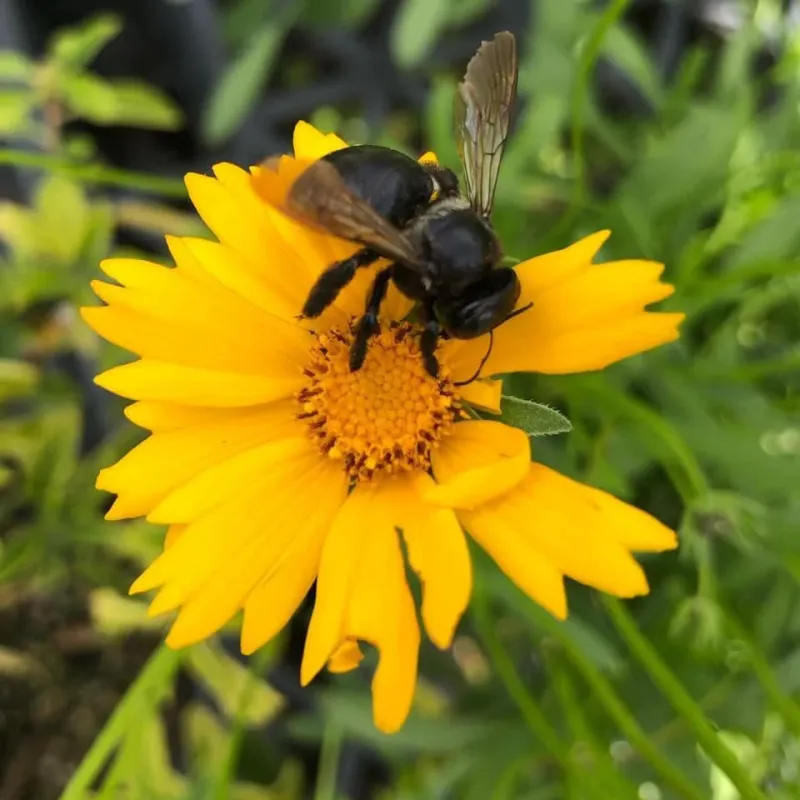
For a cheerful spring border, few sights beat yellow flowers bobbing above a neat clump of leaves. Lanceleaf tickseed (Coreopsis lanceolata) brings that look while providing pollen and nectar for visiting insects.
Unlike a spreading groundcover, it forms an upright clump that fits neatly among other perennials. Plants commonly reach about 1 to 2 feet tall, making them useful near the front of a sunny bed where their flowers stay easy to see.
Spring into early summer is its main flowering window, especially in North and Central Florida. That timing helps supply food before many late-season natives begin their strongest show.
Plant it in full sun with good drainage, and avoid a low spot that holds water after storms. Once established, it handles dry spells better than many bedding flowers, though young plants still need careful watering.
Removing some spent flowers can encourage additional blooming, while leaving others allows seed to develop. Keep mulch from burying the crown, and ask a native nursery whether this species suits your county, especially if you garden in South Florida.
3. Scarlet Sage
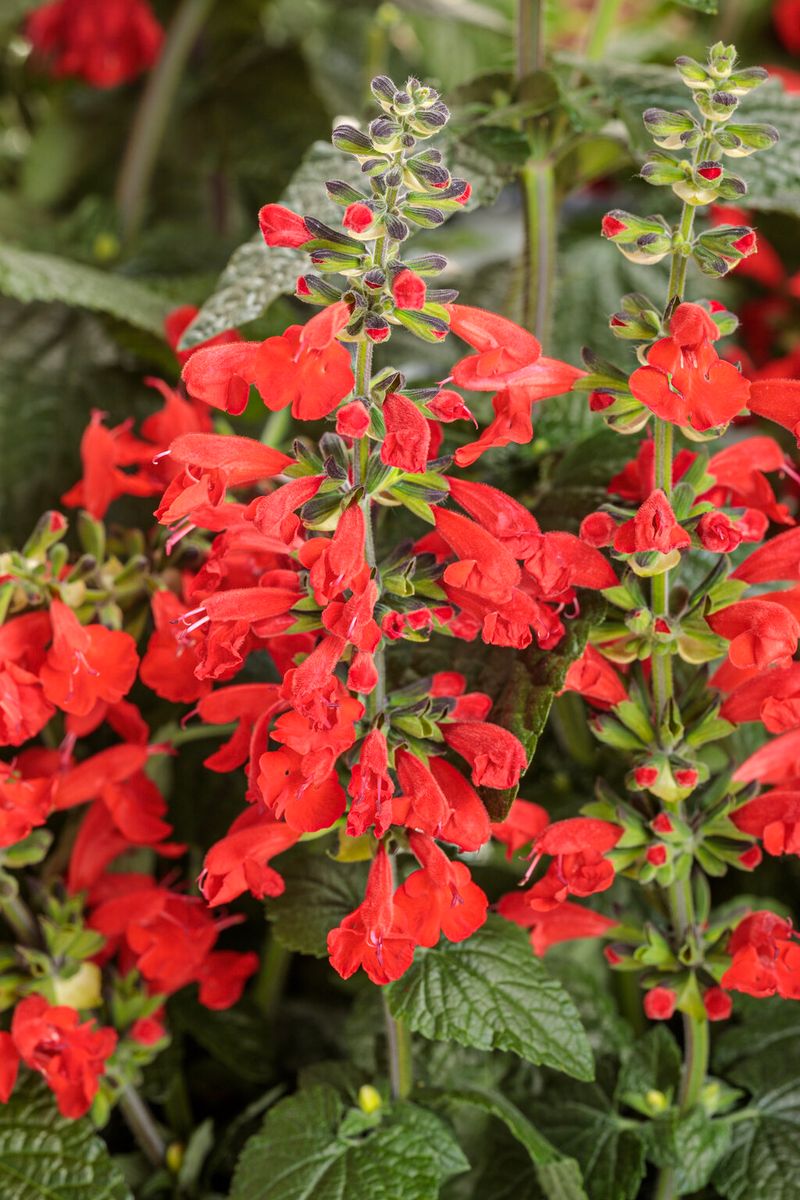
Red flowers can act like little signposts for nectar-seeking visitors. Scarlet sage (Salvia coccinea) offers a light, airy way to add that color without planting a large shrub.
Its tubular blooms attract butterflies and hummingbirds, and some bees also visit them. The loose flower spikes bring height to a mixed border without creating a solid wall of foliage, usually reaching around 2 to 3 feet.
Use it where the garden receives sun or partial shade and the soil drains well. In a hot Florida yard, a position with morning sun and some afternoon shade can be useful, particularly while plants are getting established.
Blooming often extends across the warmer months, with a longer season where frost is uncommon. Cutting back tired stems can encourage fresh growth and help keep the planting tidy.
Expect a little movement around the garden because scarlet sage can reseed. Keep seedlings where they fit, remove those crowding a path, and let a few replace older plants.
For the native red-flowered look, buy plants labeled Salvia coccinea rather than assuming every red bedding salvia is the same species.
4. Spotted Beebalm
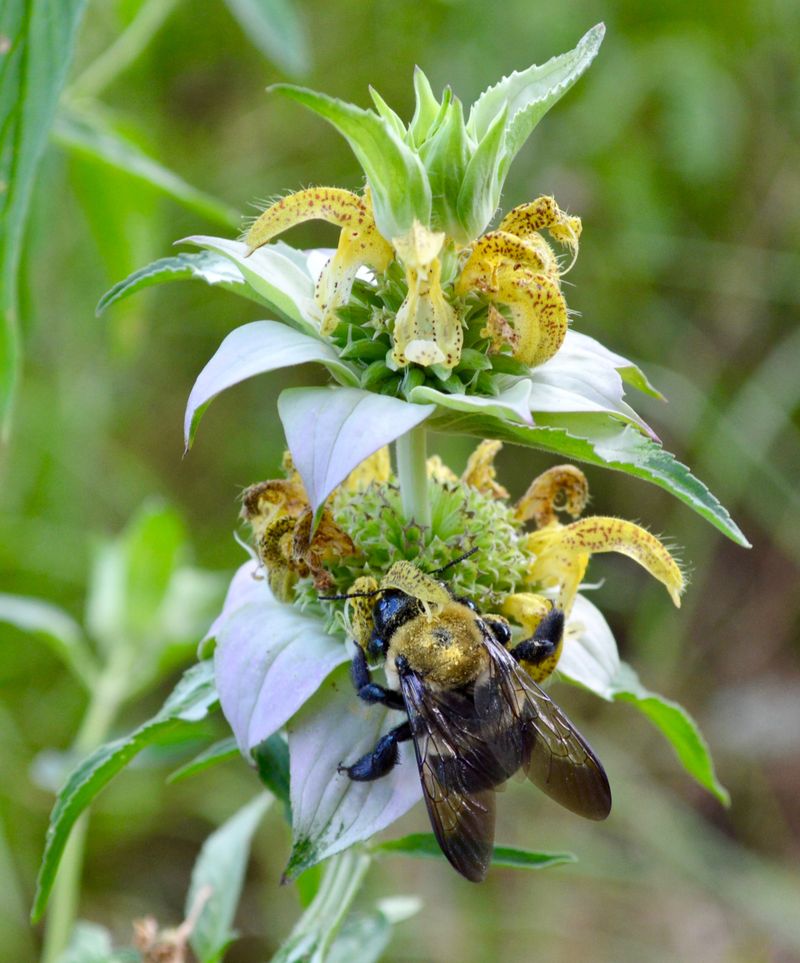
Look closely at those pinkish tiers, and you will find a flower display unlike anything else on this list. Spotted beebalm (Monarda punctata) pairs pale, spotted flowers with showy bracts that give each stem a stacked appearance.
Its special strength is the variety of insects it draws. Bees, butterflies, and nectar-feeding wasps visit the flowers, making it a useful choice for gardeners who want more than a butterfly-only planting.
Give it a sunny place with sandy, well-drained soil. Depending on conditions, stems may reach roughly 1 to 3 feet tall, so it works well in the middle of an informal border.
Flowering generally comes in summer and fall, helping carry the garden beyond its spring display. The foliage is aromatic, another enjoyable detail when you brush past it while weeding.
Spotted beebalm can be short-lived, but allowing some seed to mature helps renew the planting. Avoid thick mulch over every open patch if you want seedlings to appear.
Place it a little away from busy doorways if household members feel uneasy around wasps. Most flower visitors are focused on feeding, but room to observe them comfortably makes the garden more enjoyable.
5. Butterfly Weed
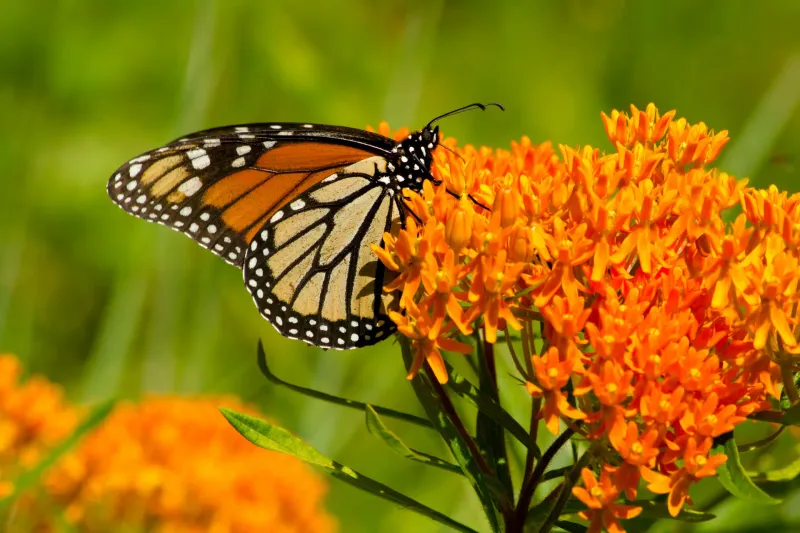
A butterfly garden needs a nursery as well as a dining room. Butterfly weed (Asclepias tuberosa) offers nectar to adult insects and leaves that monarch caterpillars can eat.
The bright orange flower clusters make it easy to work into a colorful front-yard bed. Unlike several moisture-loving milkweeds, this species belongs in a sunny, well-drained site and is a better match for dry ground than a rain garden.
Plants often reach about 1 to 2 feet tall and develop a deep root system. Choose their location carefully, because established plants do not appreciate being moved.
Ask a Florida native nursery whether butterfly weed is appropriate for your county and which locally native milkweed best fits your conditions. It is especially useful in suitable North and Central Florida sites, rather than as a blanket recommendation for every southern yard.
Leaves may disappear when caterpillars feed, so tuck plants among other flowers instead of expecting them to stay flawless. Avoid insecticides on or near the planting, including products intended to kill caterpillars.
Seasonal dormancy is normal. Mark the spot so a resting plant is not mistaken for an empty space and dug up.
6. Sweet Goldenrod
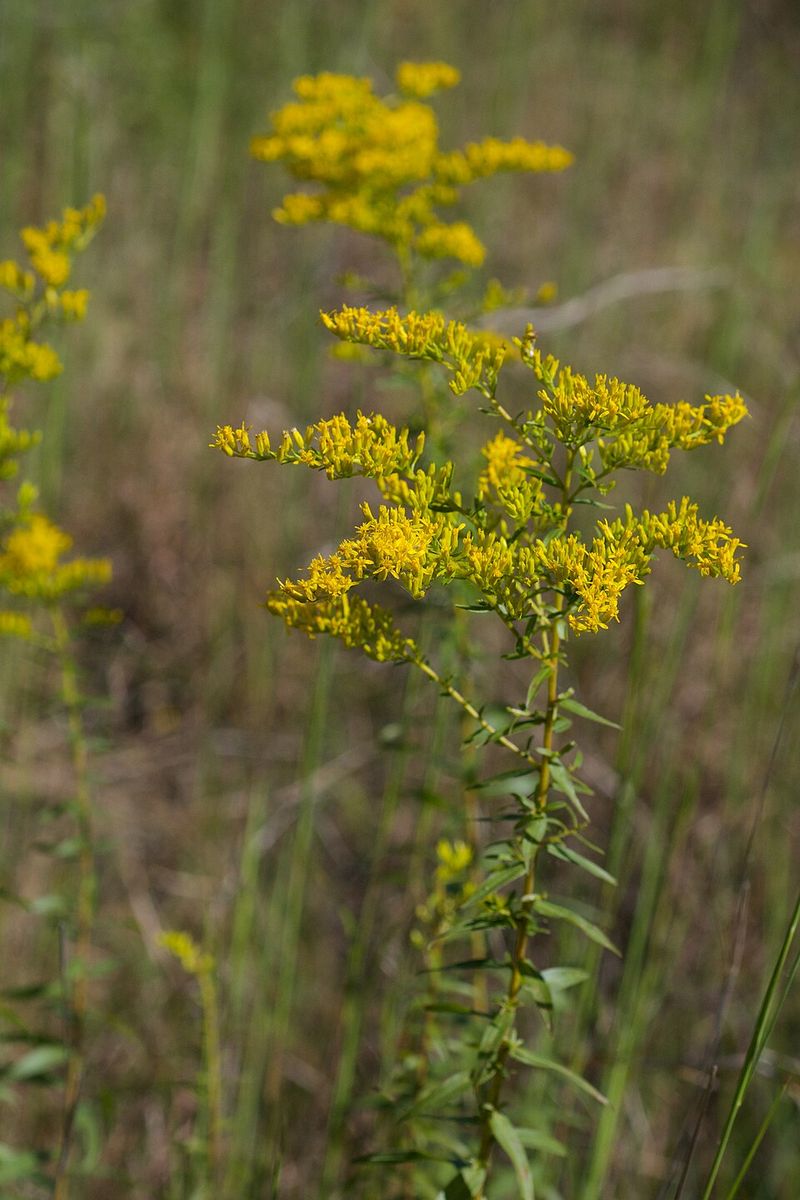
When summer flowers begin to slow down, a golden border can keep the feeding station open. Sweet goldenrod (Solidago odora) earns its place by supplying nectar and pollen during the late-season garden shift.
Its sprays of small yellow flowers serve many kinds of visiting insects, including bees and butterflies. The narrow leaves have an anise-like scent when crushed, giving this species an extra detail beyond its fall color.
Allow roughly 2 to 4 feet of height, with size varying by site. Plant it toward the back of a sunny or lightly shaded bed, where its upright stems can rise behind shorter flowers.
Well-drained soil is a good fit, and established plants generally need less attention than thirsty seasonal bedding plants. Check local suitability before buying, especially in southern Florida, and seek correctly labeled native stock.
Goldenrod often gets blamed for fall allergies, but its pollen is mainly carried by insects. Wind-pollinated ragweed is a more common cause of seasonal trouble.
Leave some stems standing after flowering if the bed allows it, then tidy selectively as new growth begins. Pairing goldenrod with spring bloomers helps spread the food supply across more months.
7. Firebush
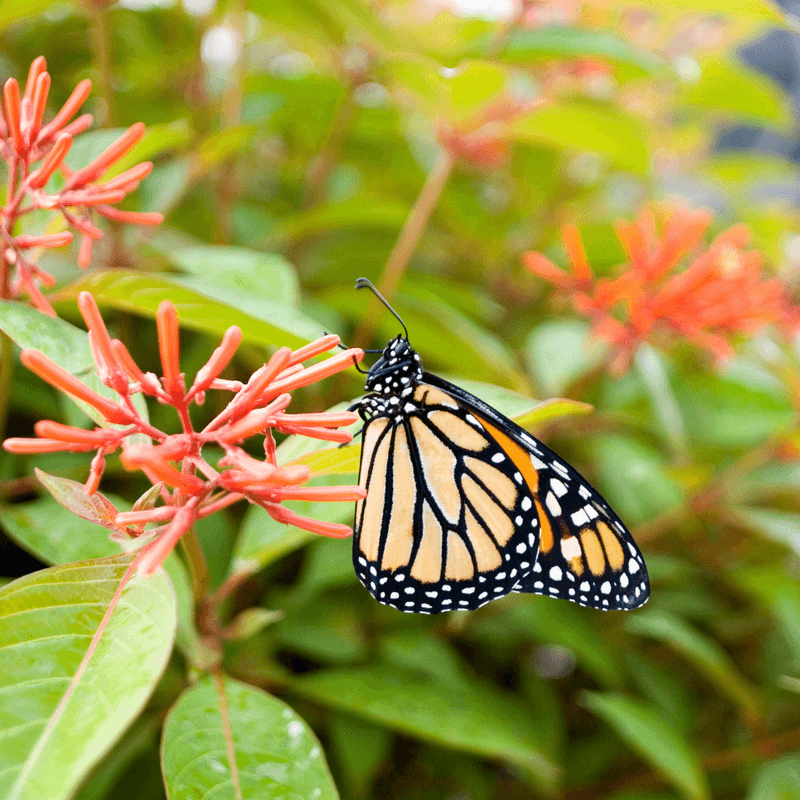
For a larger yard, one flowering shrub can provide far more feeding space than a row of small pots. Firebush (Hamelia patens) fills that role in warm Florida gardens with clusters of orange-red tubular blooms.
Butterflies and hummingbirds visit the flowers, while birds may eat the berries that follow. That combination makes it a useful anchor for a wildlife-friendly bed, rather than just another splash of seasonal color.
Native firebush is best suited to South Florida and warmer parts of Central Florida. Freezes can damage its stems, so gardeners farther north should understand that winter performance will be less reliable.
Give it sun for stronger flowering, although it tolerates some shade. In frost-free conditions it can become a substantial shrub, often 8 to 12 feet tall or more, so allow space away from windows and narrow walkways.
Buy Florida-native Hamelia patens var. patens from a knowledgeable nursery. Some plants sold as dwarf firebush are nonnative forms or hybrids, so the common name alone is not enough.
Prune selectively instead of repeatedly shearing it into a tight hedge. Leaving flowering branches intact preserves the very food source you planted it to provide.