
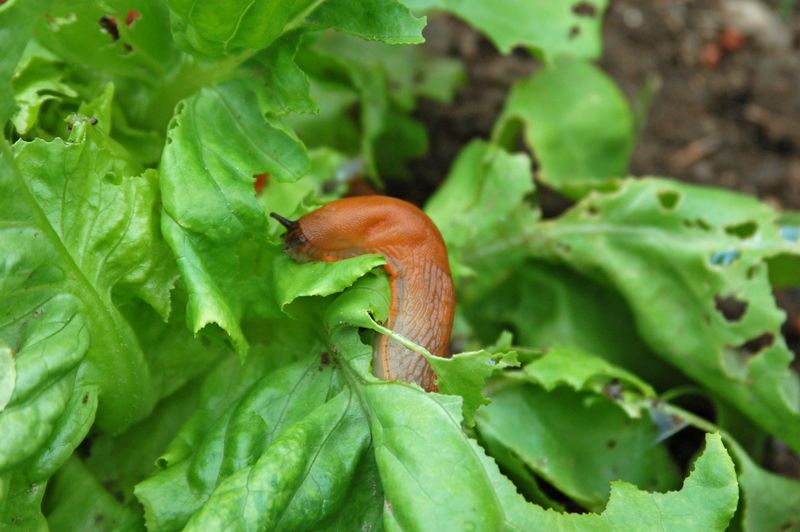
You head out to the garden and find your lettuce and kale seedlings full of ragged holes, or gone entirely. Slugs are one possible suspect, but they are not the only one.
Fall brings cool, damp nights that can suit slugs, though it does not mean every Southern garden has the same problem. Here is how to check for slugs first, then take careful steps to protect your young greens.
Slime trails make the diagnosis stronger
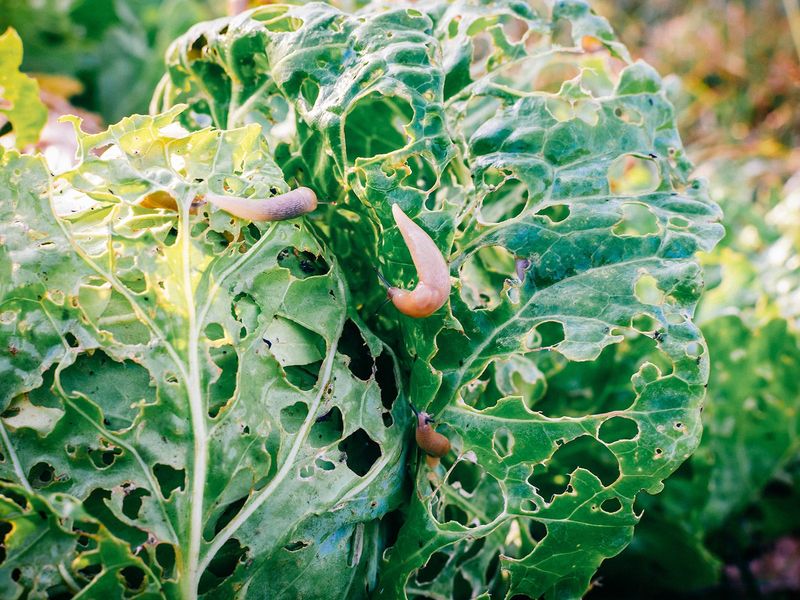
Missing seedlings and chewed leaves are clues, not proof. Caterpillars, beetles, and other pests can leave holes in lettuce too, as Penn State Extension explains in its guide to identifying hole-makers.
Start by looking closely at the damaged plants. Check the undersides of leaves, the soil around the stem, and the spot where a seedling used to be.
Slugs leave shiny, silvery slime trails that dry into a crusty streak, and University of Minnesota Extension describes irregular holes along with those trails as typical slug signs.
Finding a trail or an actual slug near fresh damage makes the case much stronger. If you see neither, keep an open mind and look for other culprits before you treat anything.
Why do tiny greens disappear after dark?
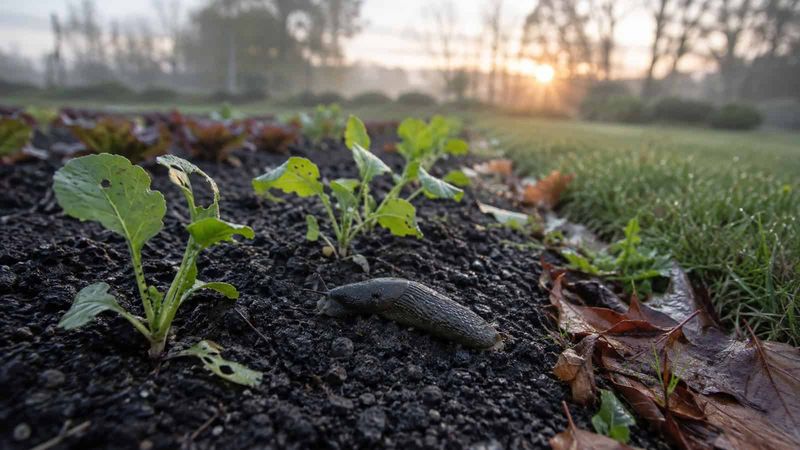
Slugs often feed at night, and they like cool, damp conditions. By morning they have slipped away, so you see the damage but rarely the slugs.
During the day they can hide under leaves, boards, pots, and plant debris, according to University of Minnesota Extension.
Size matters here. Severe feeding can injure young seedlings, while larger, established plants usually tolerate some chewing.
A tiny kale transplant with only a few leaves has little to spare.
Overnight loss is possible, but it is not guaranteed. How fast damage happens depends on how many slugs are around and how damp the weather is, as Oregon State University Extension notes in its slug control guide.
Fall does not bring the same slug pressure everywhere
Fall is when many Southern gardeners plant greens. UGA Extension treats lettuce as a fall crop in Georgia, and its fall vegetable gardening guide lists kale too.
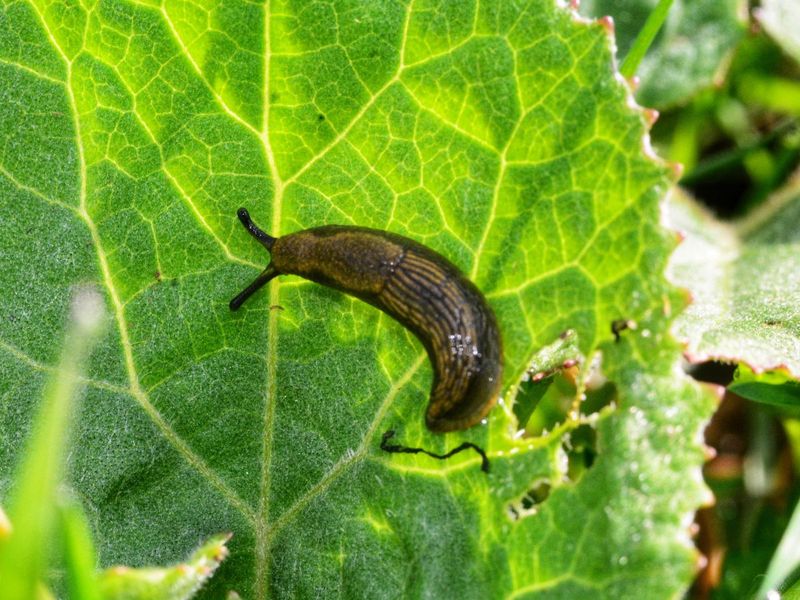
Planting time, though, is not the same as slug time. Slugs become active when conditions suit them, meaning cool, damp, and sheltered, and Minnesota Extension notes they can be active through summer and fall under the right conditions.
Place matters as well. UF/IFAS says slugs are generally not important pests in Florida, although nonnative species may become more visible.
So a Florida gardener with chewed greens should look hard at other causes, while a gardener with a soggy, shaded bed may well have slugs. Texas gardens vary too, so let your own bed and your own evidence guide you.
A less sheltered bed can reduce slug-friendly conditions
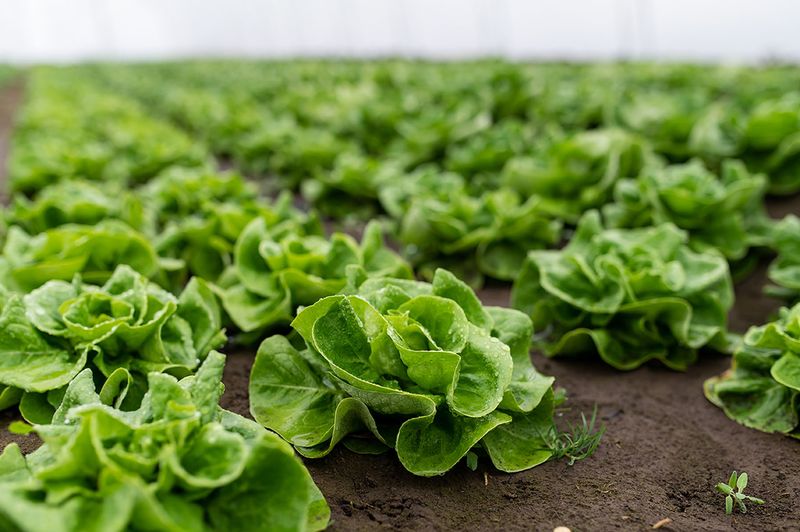
Slugs need somewhere to hide by day. Clear away boards, unused pots, and plant debris near your seedlings where practical, since those are the spots University of Minnesota Extension points to as shelter.
If the bed is crowded or heavily shaded, thinning plants and letting in more light and air can help it dry out between waterings. Fewer cool, damp corners may mean fewer places for slugs to settle.
Timing your water helps too. Watering in the morning can leave the bed less damp overnight than evening watering.
Drip or soaker lines deliver water to the roots and keep leaves drier, a method covered in UGA’s fall vegetable guide.
Do not let your greens go thirsty to fight slugs. Keep meeting their water needs, and just shift when and how you water where you can.
Night patrols can catch slugs in the act
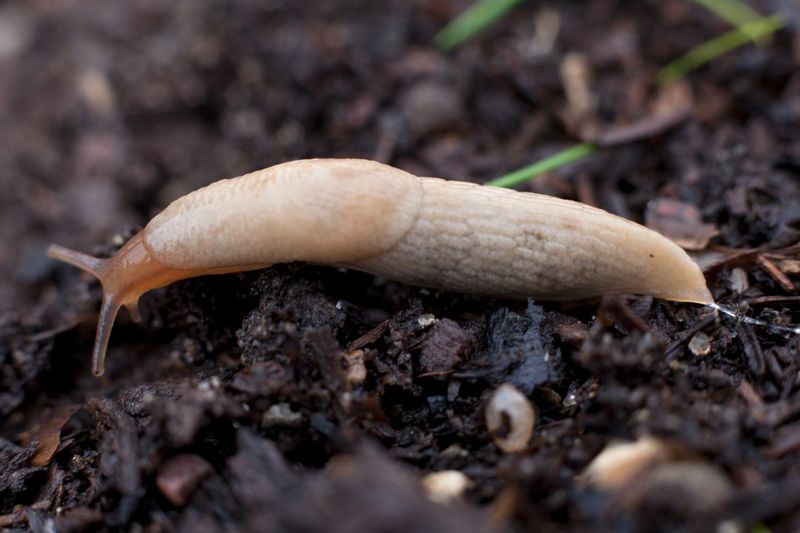
Grab a flashlight an hour or two after dark and take a slow walk past your seedlings. Cloudy or rainy evenings are especially worth checking.
Look on leaves, along stems, and under nearby pots or boards.
Hand-picking is a direct, low-chemical option. Drop the slugs you find into a container of soapy water, or dispose of them another way you are comfortable with.
Oregon State University Extension lists hand-picking among its recommended controls.
Beer traps may catch some slugs, though they are not a guaranteed fix. Oregon State’s slug and snail guide describes them as one tool among several.
Each patrol also doubles as proof. If you keep finding slugs, you have your answer.
If you find none after several checks, Minnesota Extension’s slug guidance is a good reminder to look at other pests.
Baits need label-first, careful use
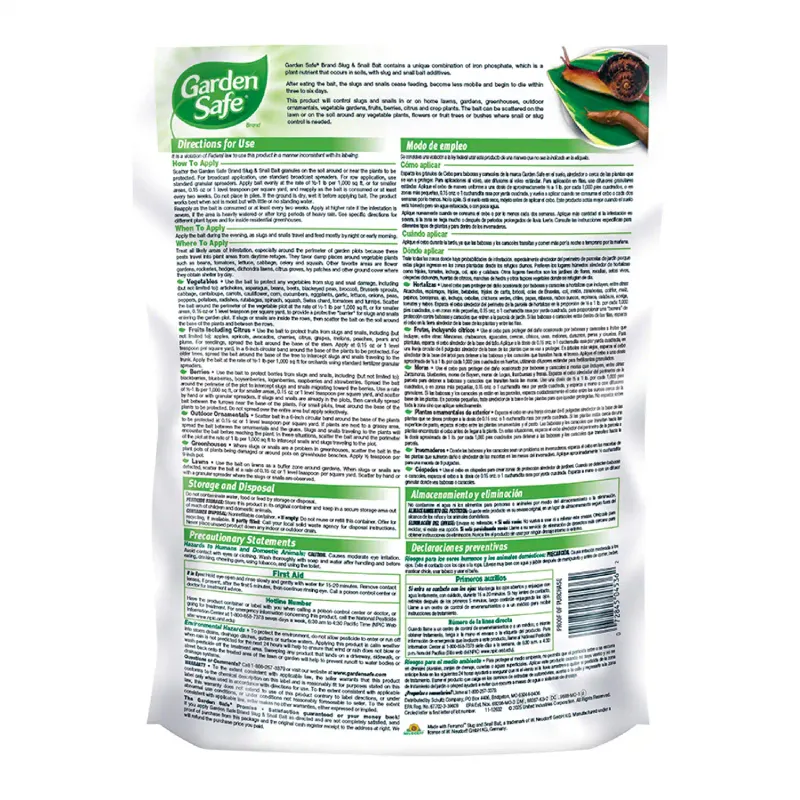
Bait is a later step. Consider it after you have confirmed slugs are present and tried basic measures like cleanup and night picking.
Choose a product labeled for your site and crop, follow the directions exactly, and keep it away from children and animals. UF/IFAS calls iron-phosphate baits a safer alternative to metaldehyde, but safer is not risk-free.
It also describes metaldehyde as highly toxic to pets and wildlife. UF/IFAS advises applying granules as directed and not watering afterward, so they do not dissolve.
Skip the salt. Oregon State’s slug and snail guide warns that it can injure plants.
Do not count on diatomaceous earth in humid weather either. UF/IFAS says it must stay dry and questions whether it deters molluscs at all, so it is hard to rely on in a damp Southern fall.
Keep checking seedlings instead of expecting a one-step cure
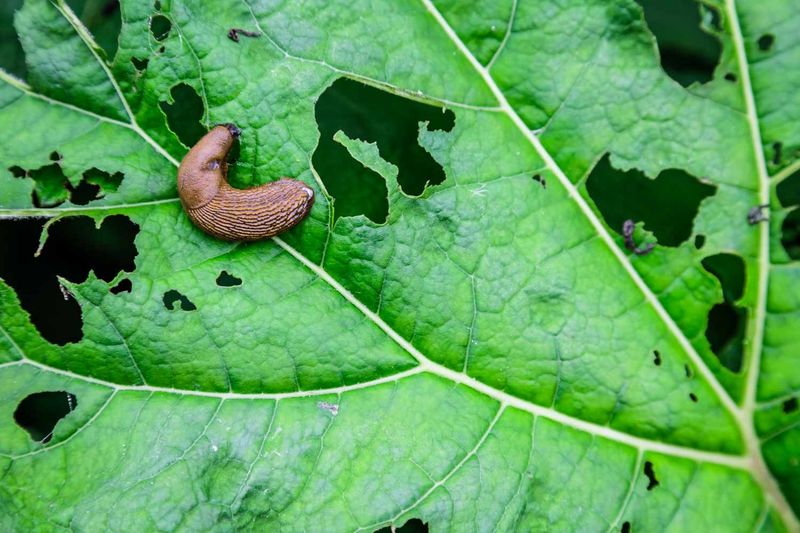
A simple routine works better than a single big cleanup. First, confirm slug evidence with slime trails or slugs on the spot.
Then clear nearby shelter, keep watering to your crop’s needs, and check after dark every few evenings.
Reassess as you go. If damage slows, you are on the right track.
If it keeps coming and slugs keep showing up, labeled bait may be worth considering, with UF/IFAS guidance on using it carefully. Extension advice from places like Minnesota treats slug control as a set of measures, not a single fix.
These steps can help manage damage, but they will not guarantee that every slug or other pest is gone. Seedlings grow stronger each week, and a watchful gardener usually gets there first.