
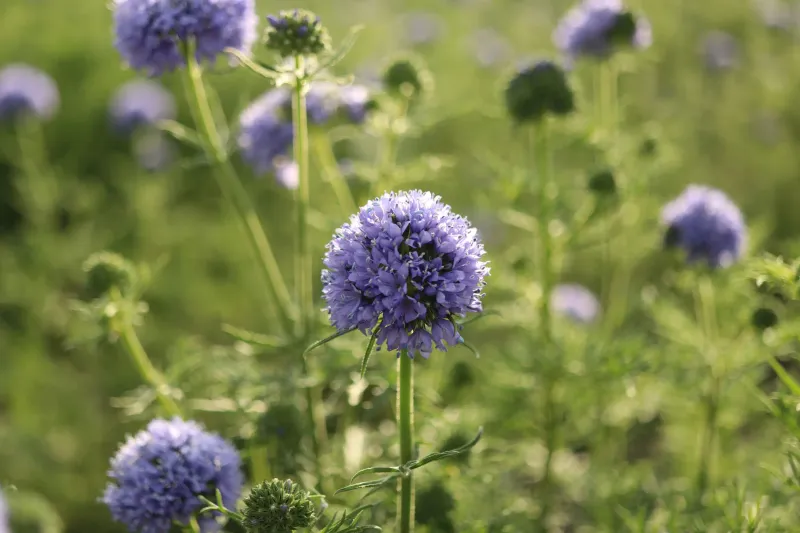
In California, the smartest time to sow wildflowers is right before the first big winter storm rolls in. Toss the seeds on bare soil now, and the rain will press them into the ground and wake them up without any watering from you.
By spring, that patch of dirt can turn into a buzzing meadow full of native bees, butterflies, and hummingbirds. Here are ten native seeds that are made for this lazy, rain-powered planting method.
1. California Poppy
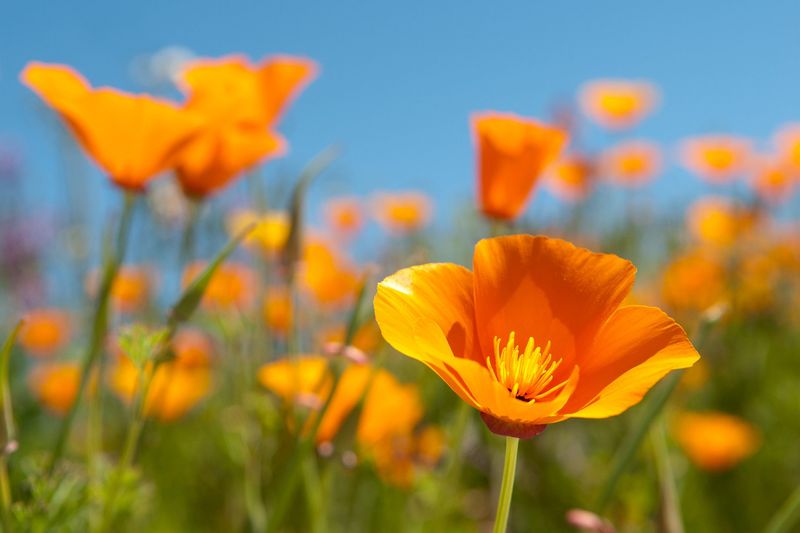
Nothing says spring in the Golden State like a hillside glowing orange. The California poppy, our state flower, may be the easiest native seed you will ever sow.
Scatter the tiny seeds on raked, weed-free soil in late fall and let the rain handle the rest. Seedlings pop up in winter, form feathery blue-green leaves, and bloom from February through May in many areas.
Poppies need no summer water once they finish, and they often reseed themselves for next year. Skip rich soil and fertilizer, since they bloom best in lean, sunny spots like parking strips and dry slopes.
2. Arroyo Lupine
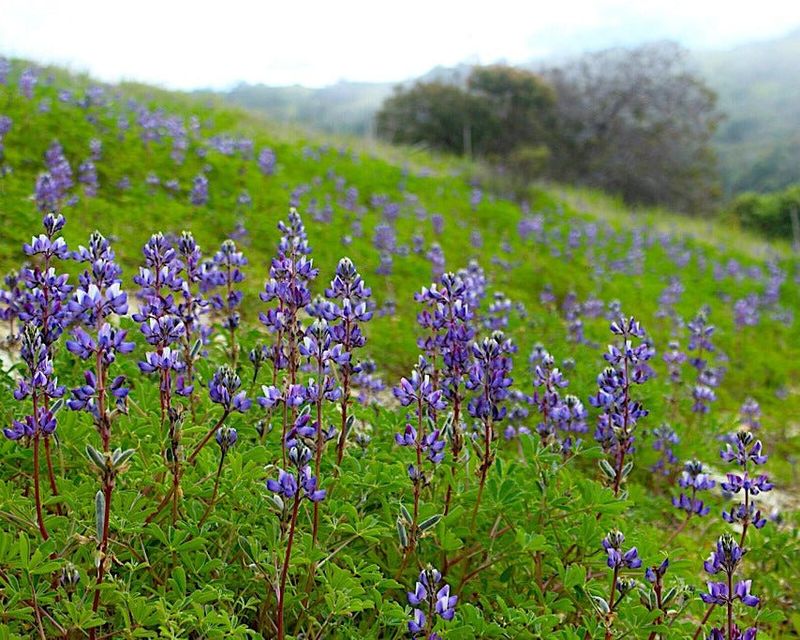
Bumblebees practically line up for lupine. Arroyo lupine, Lupinus succulentus, sends up spikes of violet-blue flowers that native bees can tumble into and pollinate with ease.
The seeds have a hard coat, so soak them overnight in warm water before scattering. Many gardeners skip this step and get spotty results, so a quick soak can make a real difference.
As a bonus, lupines are legumes that can add nitrogen to the soil. Plant them near poppies for a classic purple-and-orange combo that looks like a postcard.
3. Baby Blue Eyes
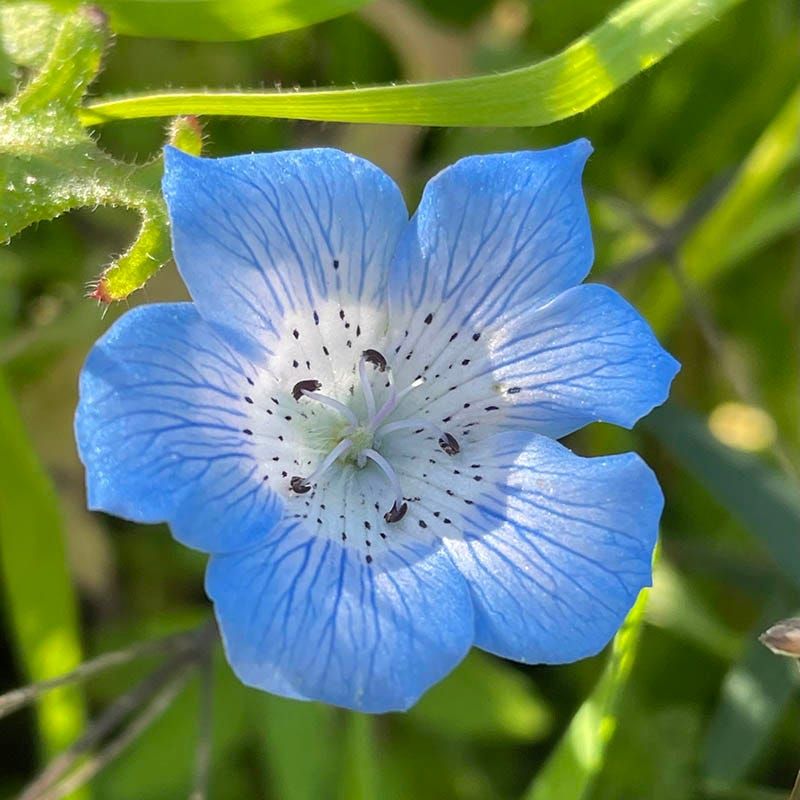
Got a spot under an oak or along a shady fence? Baby blue eyes might be the answer you have been missing.
Nemophila menziesii forms a low carpet of sky-blue cups with white centers. It tolerates part shade better than most annual wildflowers, which makes it a handy fix for tricky corners.
Sow it thinly in fall, as the seedlings are delicate and appreciate a little breathing room. Early blooms can feed native bees when little else is open in late winter.
4. Tidy Tips
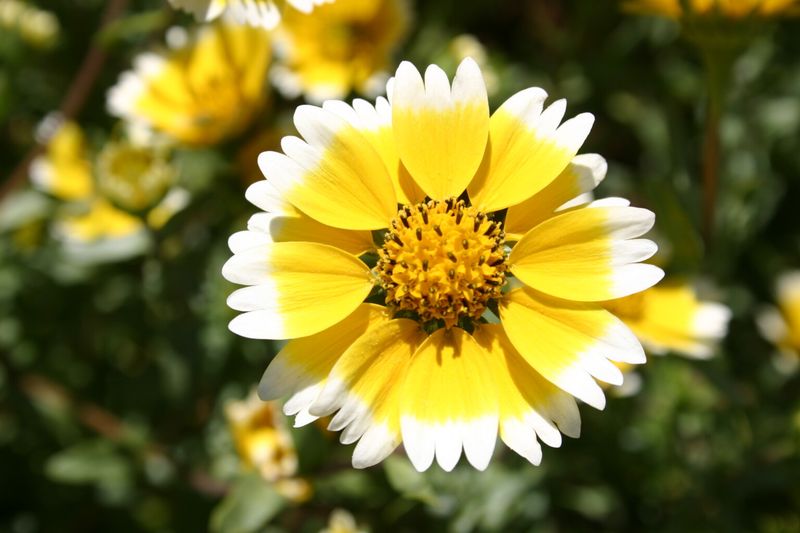
Imagine a daisy someone dipped in white paint. Tidy tips, Layia platyglossa, wear bright yellow petals edged in crisp white, and they look cheerful even on a gray day.
They handle clay and sandy soils, which helps in inland valleys where ground can be tough. Full sun is a must.
Small native bees and butterflies visit often. Mix them into a meadow blend for color that holds steady in mid-spring after the poppies peak.
5. Farewell to Spring
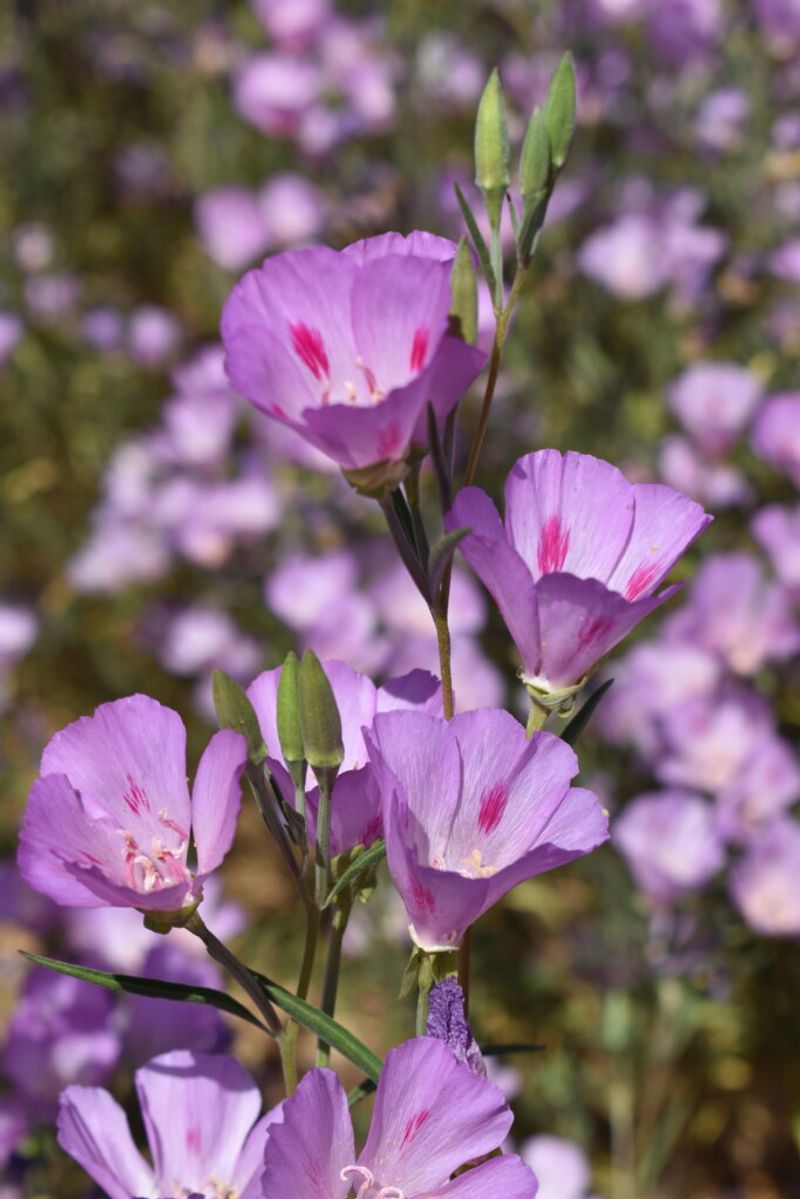
True to its name, this flower shows up just as other annuals fade. Clarkia amoena carries pink, satiny cups into June, stretching your wildflower season by weeks.
That late timing matters for pollinators, since early summer can be a hungry gap in a dry California yard. Clarkia bridges it with zero extra water in most years.
Sow it in fall alongside early bloomers. It grows quietly all winter, then takes the stage when the rest of the meadow turns golden.
6. Globe Gilia
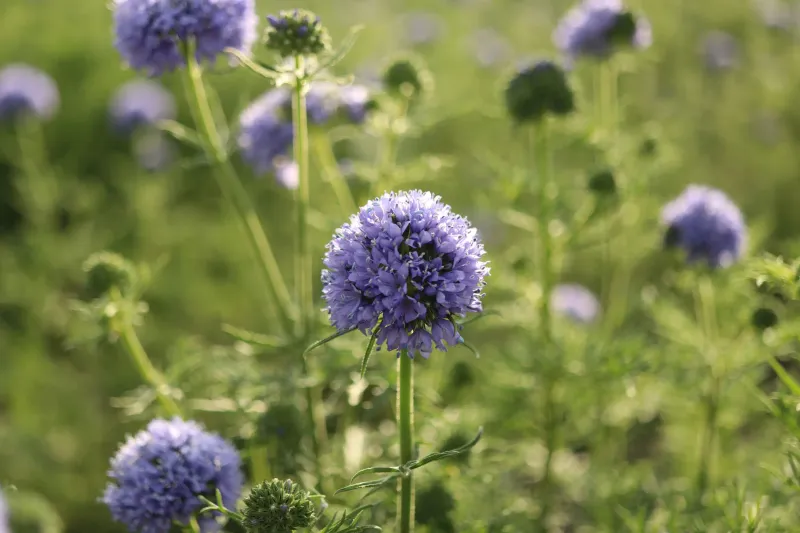
Picture a bouquet of lavender-blue pompoms. Gilia capitata produces round flower heads packed with pollen, and native bees adore them.
Researchers and native plant nurseries often list it among the top bee plants for California gardens. It grows in poor soil and full sun.
Let some flowers go to seed. Goldfinches may stop by to snack, and new plants can return on their own next winter.
7. Phacelia
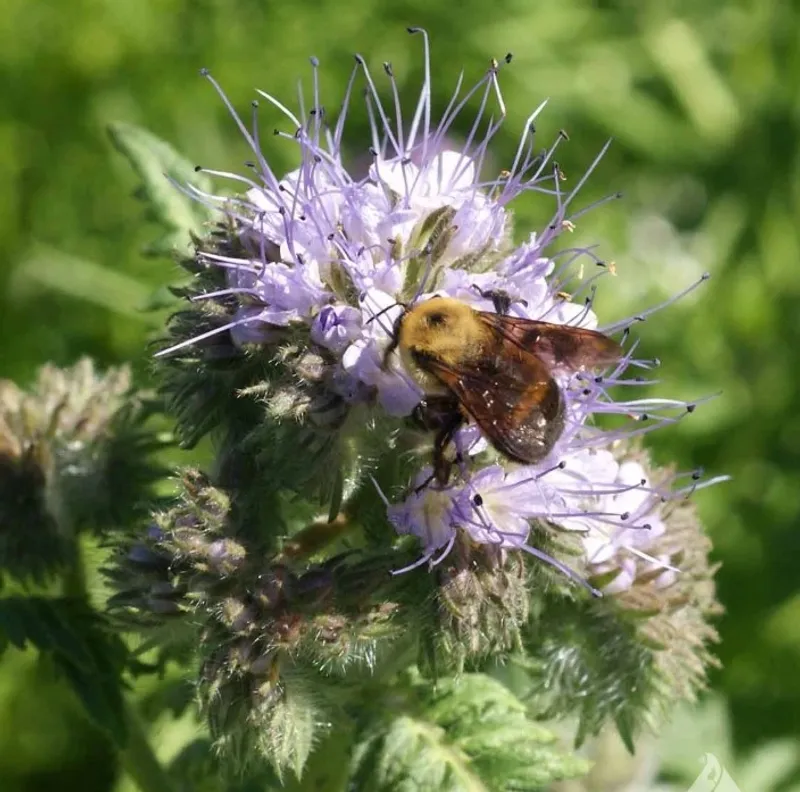
Beekeepers sometimes call phacelia a bee magnet, and the nickname fits. Its curled, fiddlehead-shaped flower clusters unroll into lacy purple blooms that hum with activity.
Lacy phacelia, Phacelia tanacetifolia, grows fast from fall sowing and handles dry, sunny spots. Some people get a mild skin rash from the bristly leaves, so wear gloves when weeding nearby.
If you want visible proof your yard supports pollinators, this is the plant to watch on a warm April morning.
8. Goldfields
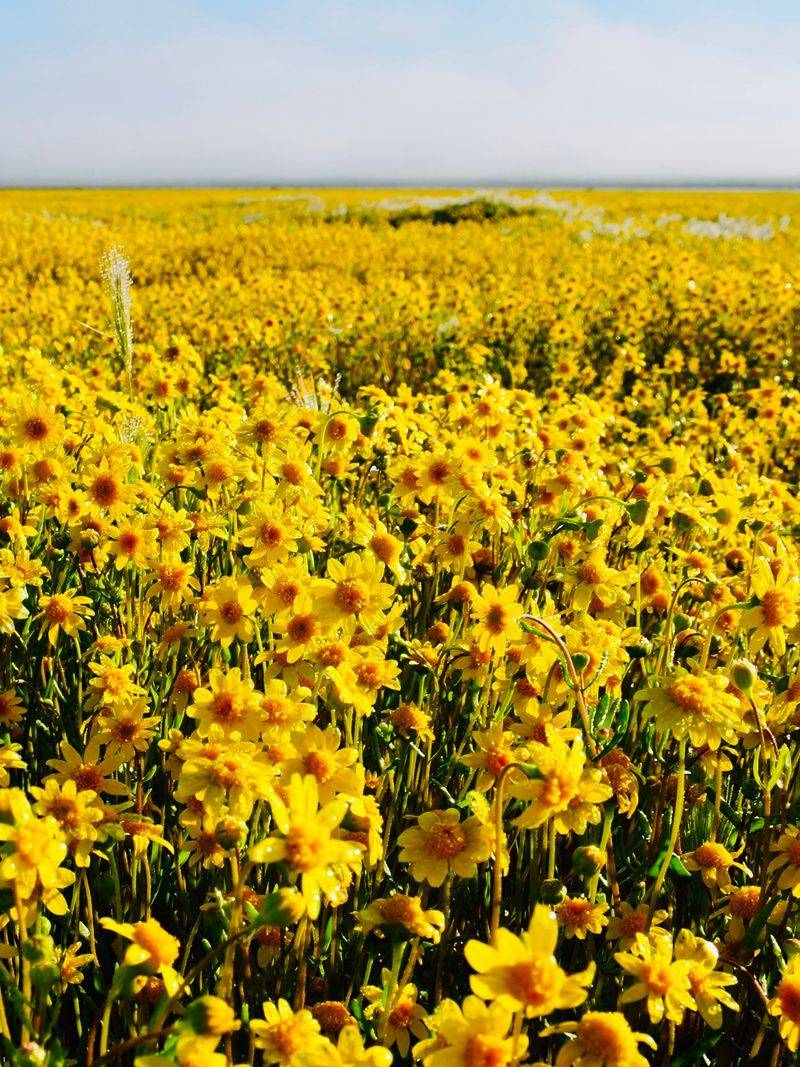
Ever seen a field that looks spray-painted yellow? That is often goldfields, Lasthenia californica, a tiny daisy that blooms in dense sheets.
Plants stay just a few inches tall, so they work as a short, seasonal lawn alternative in small areas. They thrive in tough, sunny soil.
After blooming, they dry up and drop seed for next year. Rake lightly in fall to help the cycle along.
9. Chinese Houses
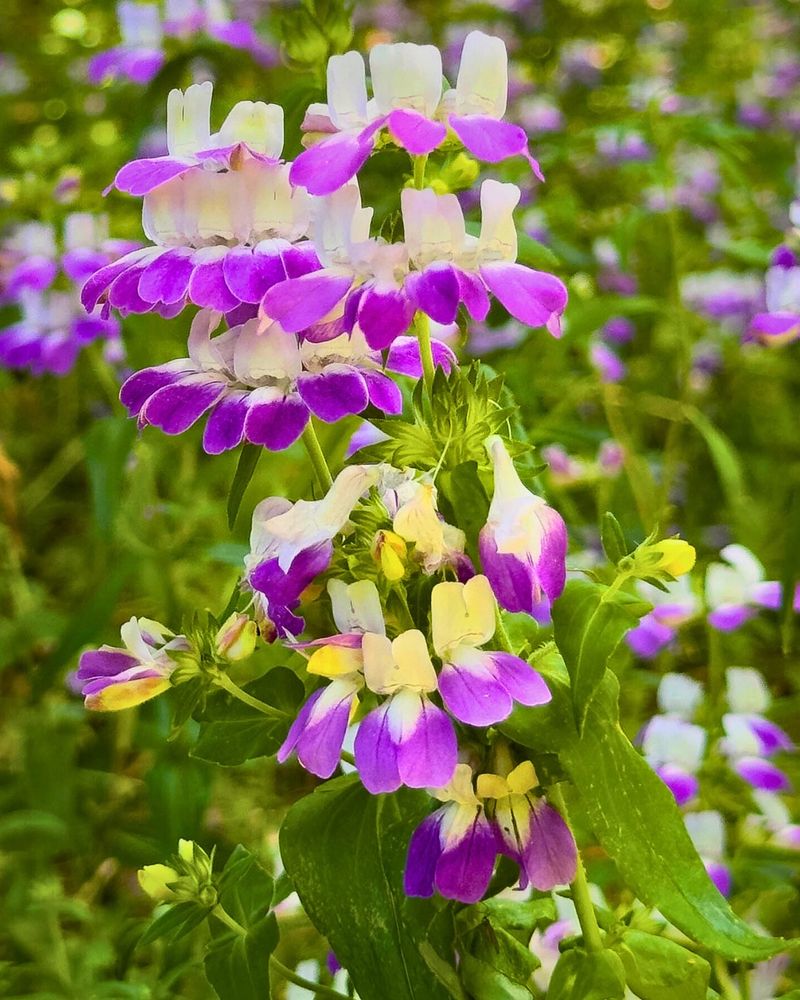
Stacked flowers in tiers like a little pagoda give this plant its quirky name. Collinsia heterophylla blooms in purple and white rings up each stem.
It is happy in dappled shade, a rare trait among wildflowers. Try it beneath native trees or on the north side of a house.
Native bees work the flowers carefully, pressing open the lower petal to reach pollen.
10. Yarrow
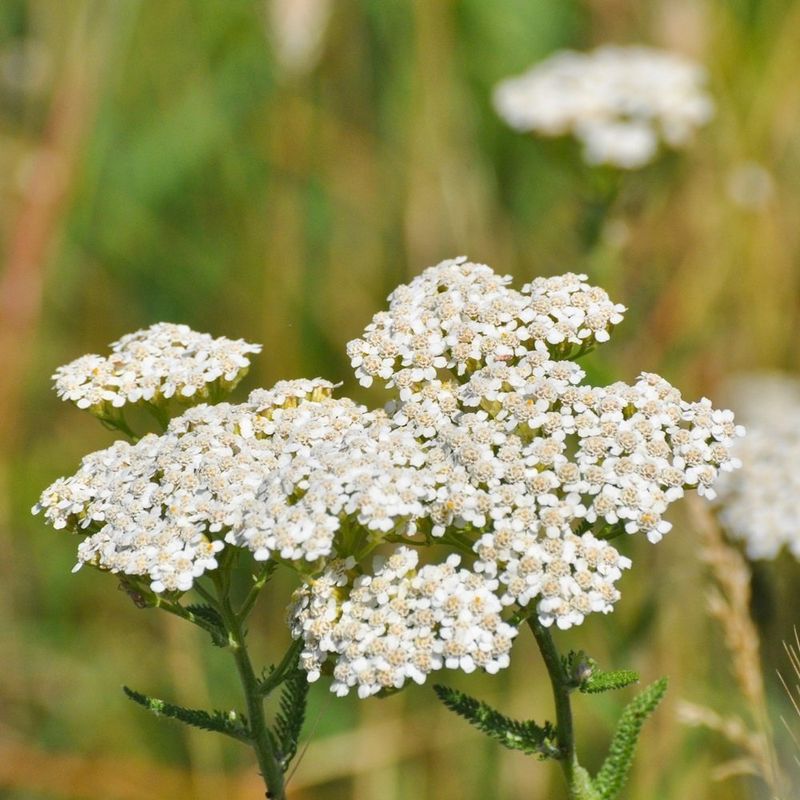
Most flowers on this list are annuals, but yarrow sticks around for years. Native Achillea millefolium spreads flat white flower heads over ferny leaves.
Fall sowing gives roots time to settle before summer heat. Once established, it handles drought and can be mowed, making it useful near homes in fire-prone areas when kept green and trimmed.
Butterflies and beneficial insects visit through summer. It anchors your meadow after annuals fade.