
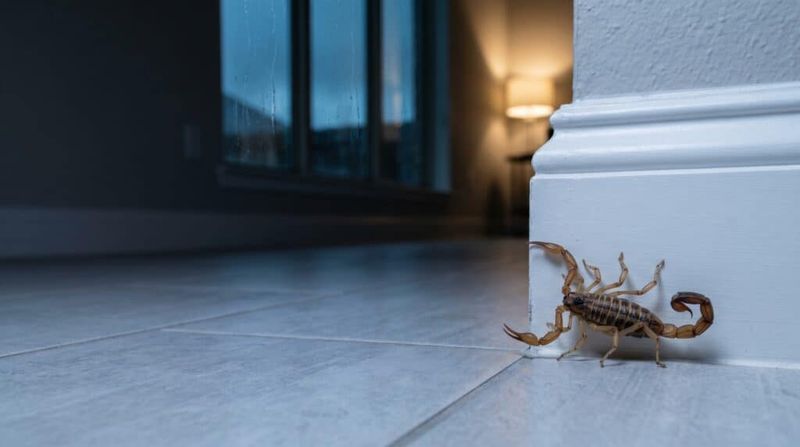
You pull back the covers or slip on a shoe, and something small with a curled tail is already there. In Central Texas, that surprise happens, and a calm plan matters more than a fast reaction.
Knowing what to do in the first minute can keep you and your family from a painful sting. Here is how to respond, how to check your things, and how to make repeat visits less likely.
Keep people back and do not reach blindly
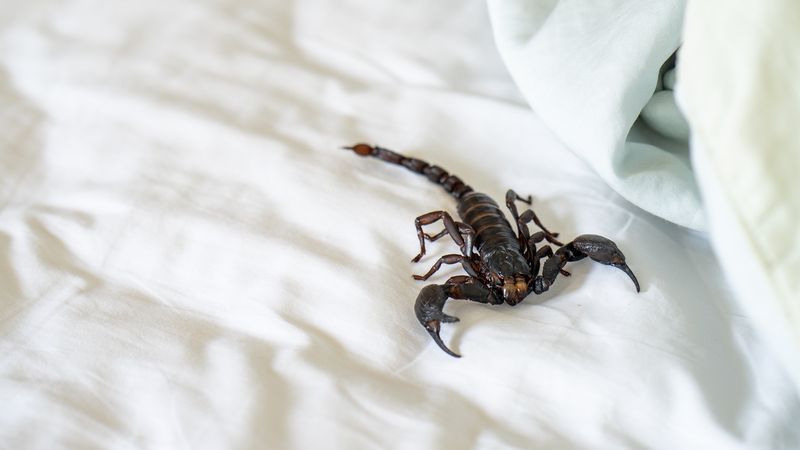
Freeze first, then create distance. Move children and pets out of reach of the bed, shoe, or closet shelf, and keep your own hands well away from the spot.
A scorpion that is startled may sting, so quick grabbing is the move to avoid.
Keep your eyes on the animal if you can do so from a safe distance. Losing track of it is how people end up with a second surprise later.
If it is on a sheet, do not pull the sheet toward you. If it is in a shoe, do not tip the shoe over your bare foot or stick your fingers inside.
The same caution applies to anything nearby that could hide another one. Poison Control’s scorpion guidance advises checking shoes before wearing them and shaking out bedding and clothing before use where scorpions occur.
Treat that as a rule for anything you are about to touch, not just the item where you spotted one.
Reactions to Texas scorpion stings vary from person to person, and pediatric symptom guidance treats stings seriously, especially in young children. That is why distance comes first.
Deciding whether to remove the scorpion yourself is a separate step, and you can take it once everyone is out of reach.
Use a barrier if you choose to remove it
Removal is optional. If you cannot keep a safe distance, or the scorpion is wedged in a spot you cannot see well, step back and ask for help instead of improvising.
A pest professional or a more confident household member is a better choice than a risky grab.
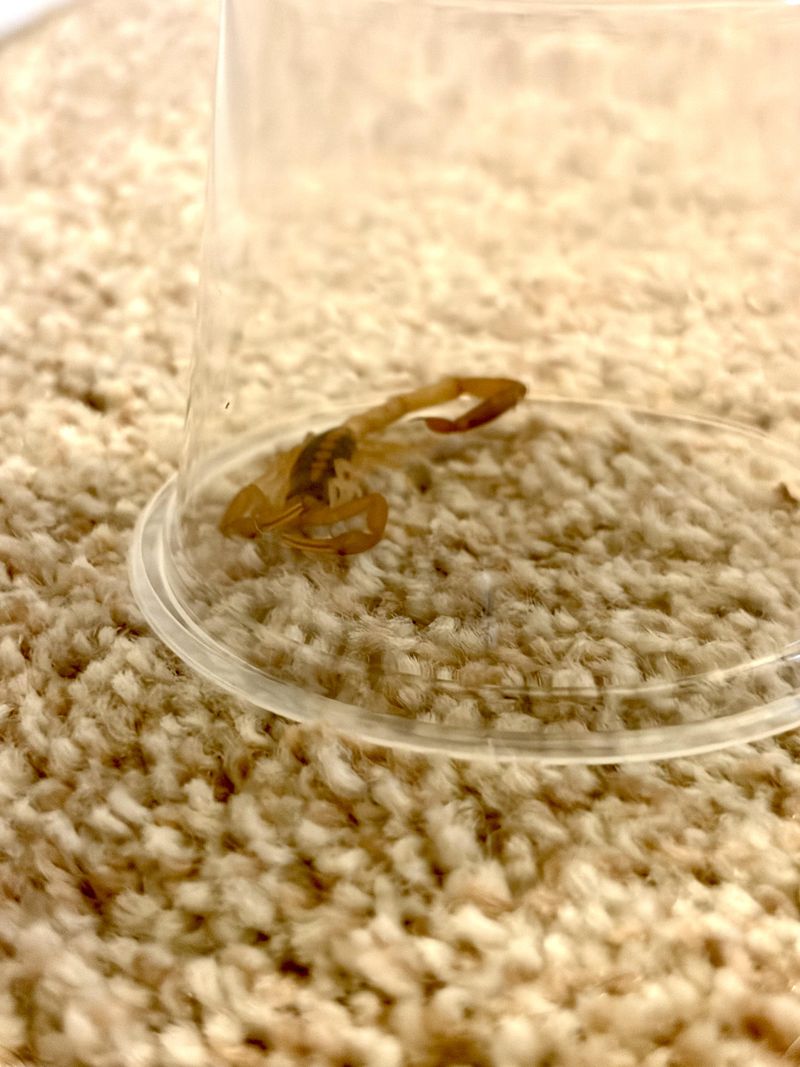
When the setup is safe, Texas A&M campus pest guidance describes covering the scorpion with a jar and then sliding stiff paper underneath. The jar and paper keep a barrier between your hand and the animal.
Once it is sealed inside, you can carry it outdoors, away from the house.
Long tongs are another option. Poison Control notes that if capture is necessary, protective footwear and long tongs help keep your body away from the scorpion.
Closed shoes matter because scorpions often move across the floor in unexpected directions.
Never use bare hands, a rolled-up cloth, or anything that puts your fingers close. Spraying a pesticide is not a substitute for safe removal, and it does not make a nearby scorpion safe to handle.
If a scorpion slips away, keep people and pets back, and check the area before anyone touches it again.
Check shoes, clothes, and bedding before using them
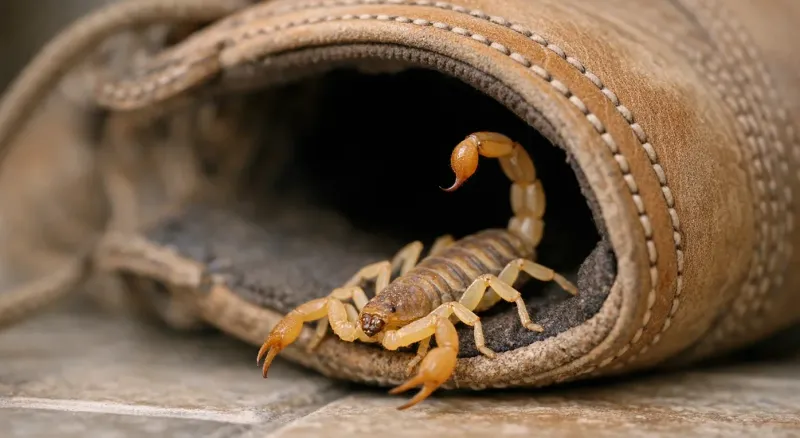
Make the check a habit, like looking both ways before crossing a street. Turn each shoe over and tap it on the floor before your foot goes in.
Work boots and garden clogs left by the back door deserve the most attention.
For clothing, give each piece a firm shake, especially anything that sat on the floor or in a laundry pile. Towels left on the bathroom floor count too.
A quick look inside sleeves and pant legs takes seconds.
Bedding gets the same treatment. Pull the covers back and shake out sheets and blankets before you climb in, and keep the bed skirt and comforter from trailing on the floor.
That gives a scorpion less of a ramp to the mattress. Both Poison Control and HealthyChildren.org point to this kind of shake-and-look routine.
Kids’ shoes and stuffed toys left on the floor are easy to forget. A basket on a shelf or a hook off the ground keeps these items away from the places scorpions wander at night.
Store shoes in a closed bin if you often find surprises.
After a sting, get advice based on the symptoms
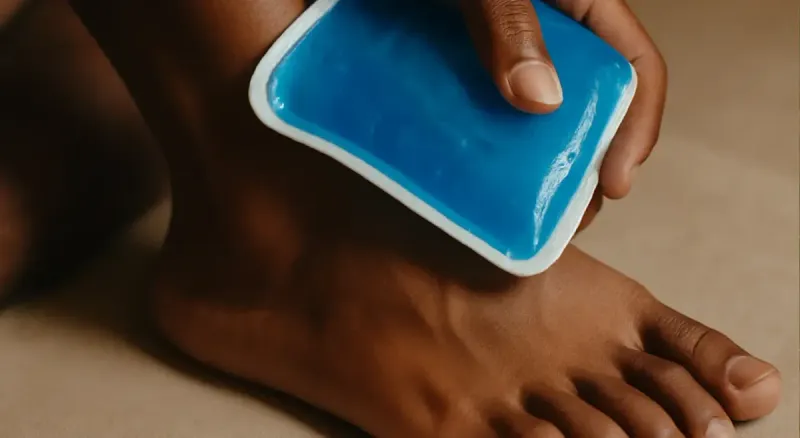
Start with the basics. Wash the sting site with soap and water, then call Poison Control at 1-800-222-1222 for advice that fits the person who was stung.
Poison Control can talk you through what to watch for and what to do next.
In Texas, the Texas Poison Center Network offers free, 24-hour advice, so there is no reason to wait until morning or worry about a bill for the call.
Not every sting plays out the same way. Some people have pain at the site and little else, while others react more strongly.
Young children, and anyone with allergies, deserve extra attention.
Get emergency care for trouble breathing or swallowing, muscle jerking, or other serious symptoms. Pediatric symptom guidance lists these as reasons not to wait.
If you can safely do so, note the time of the sting and any symptoms as they change. That gives the person on the phone something concrete to work with.
Do not assume a mild start means nothing can change, and do not try home remedies in place of advice.
Why scorpions may enter homes—and what fall does not prove
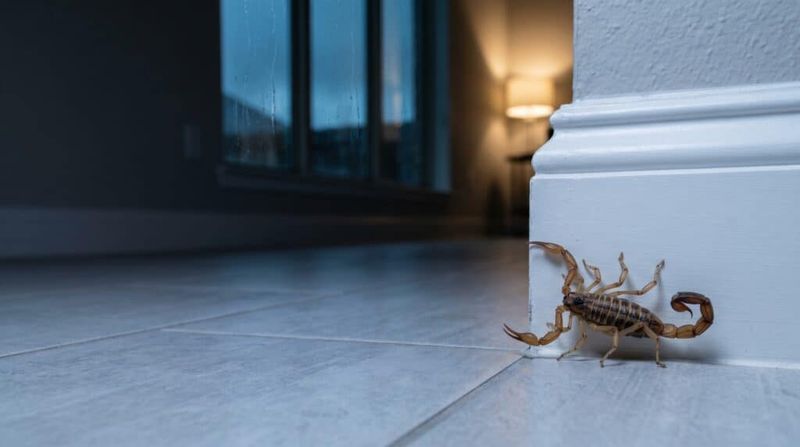
It is tempting to blame cool October nights, but the facts are less tidy. A 2012 Texas A&M AgriLife item said cooler weather or drought can prompt scorpions and other arthropods to move indoors.
That is a possibility under some conditions, not proof of a predictable fall surge.
Heat can play a role too. A Texas A&M report from a hot, dry summer described scorpions heading indoors in that weather.
AgriLife’s scorpion guide adds that they may move from hot attics into living areas.
So an indoor scorpion in October does not mean fall caused it. A hot attic, a gap under a door, or a dry spell could be just as likely.
Keep your checks going all year.
The striped bark scorpion is the most common scorpion in Central Texas, per Texas A&M. Even so, location alone cannot tell you what a particular scorpion is, especially one you did not see clearly.
Treat any scorpion with the same care, and do not assume it is a milder kind.
Seal gaps that connect the outside to the house
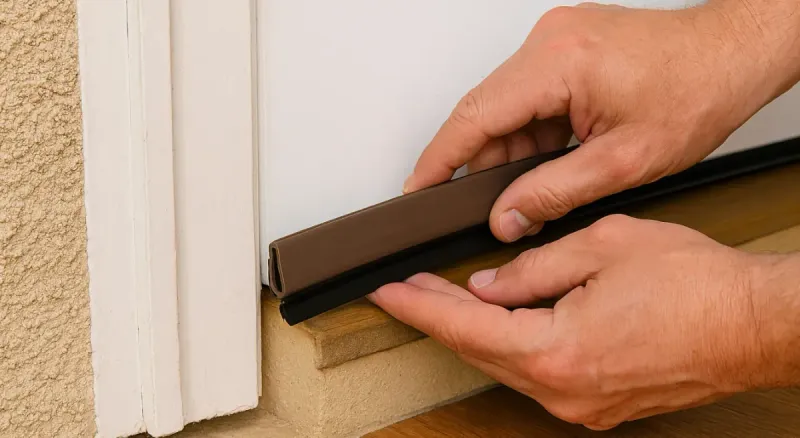
Walk the house like an inspector, starting at the doors. Replace worn door sweeps and weatherstripping so no light shows along the bottom or sides.
Garage doors and back doors often have the biggest gaps.
Next, look at places where things pass through walls. Seal cracks and gaps around pipes, cables, and eaves.
Check window and door screens for tears or loose edges, and keep them fitted and intact.
Brick homes have an extra detail. Weep holes near the base of brick veneer let moisture out, and they can also let small creatures in.
Texas A&M’s scorpion identification and control guide points to appropriate screening or mesh for those openings, so water can still drain.
Texas A&M IPM’s note on critters moving inside also stresses closing entry points. Fall is a handy time for the project, with milder afternoons for working outside.
These repairs can reduce the ways in, but they cannot promise a scorpion-free home. Keep up the shoe and bedding checks even after the work is done.
Reduce nearby hiding places and escalate repeat sightings
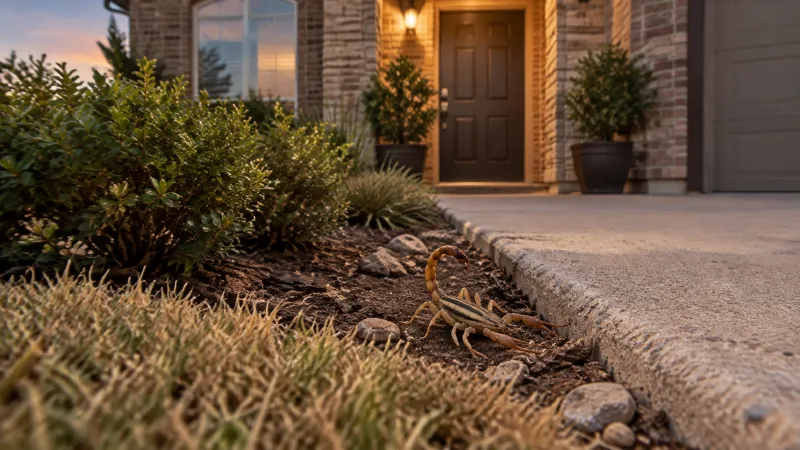
Scorpions like cover, so take it away from the foundation. Move firewood, rocks, boards, and debris away from the house, and clear clutter from garages, sheds, and porches.
Trim shrubs, vines, and groundcover so they do not touch the walls, per Texas A&M AgriLife guidance.
Pesticides alone are hard to rely on for scorpions. If you use one, choose a product labeled for the site where you will apply it and follow the label exactly.
Repeated sightings are a good reason to call a pest professional.
A blacklight can help during an inspection, since scorpions glow under UV light, as Poison Control notes. Use it only to locate them, not to prevent or control them.
Texas A&M’s campus pest booklet mentions it in the same way.
A yard with fewer hiding spots and a house with fewer gaps leaves scorpions with fewer reasons to come in. A sealed door is only as good as the shoe you shake out beside it.