
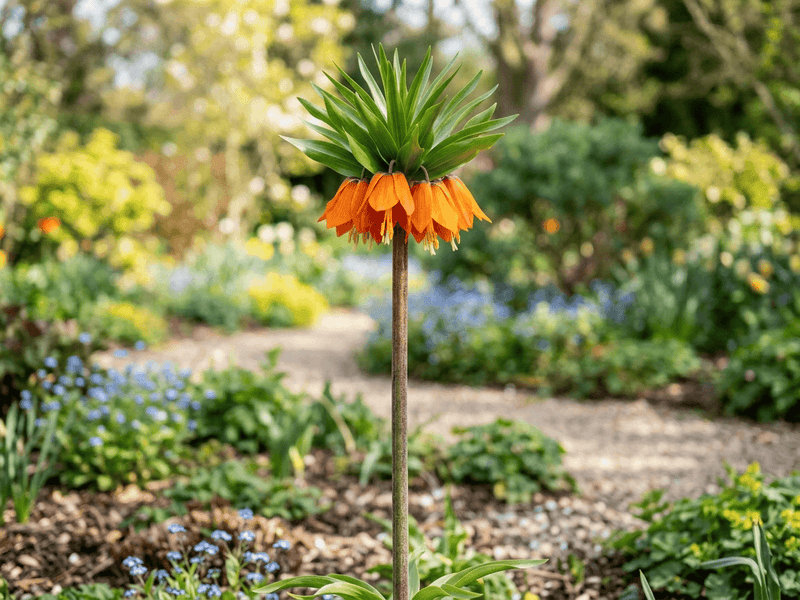
When the first big winter storms soak California soil, voles get busy. These small, chubby rodents dig fresh runways under mulch and chew on roots and bulbs while you stay indoors.
The good news is that some water-wise plants may help make your beds less inviting, without poisons that can harm owls, hawks, and the pets that share your yard. Here are eight plants worth tucking into your garden before the rainy season gets going.
1. Daffodils
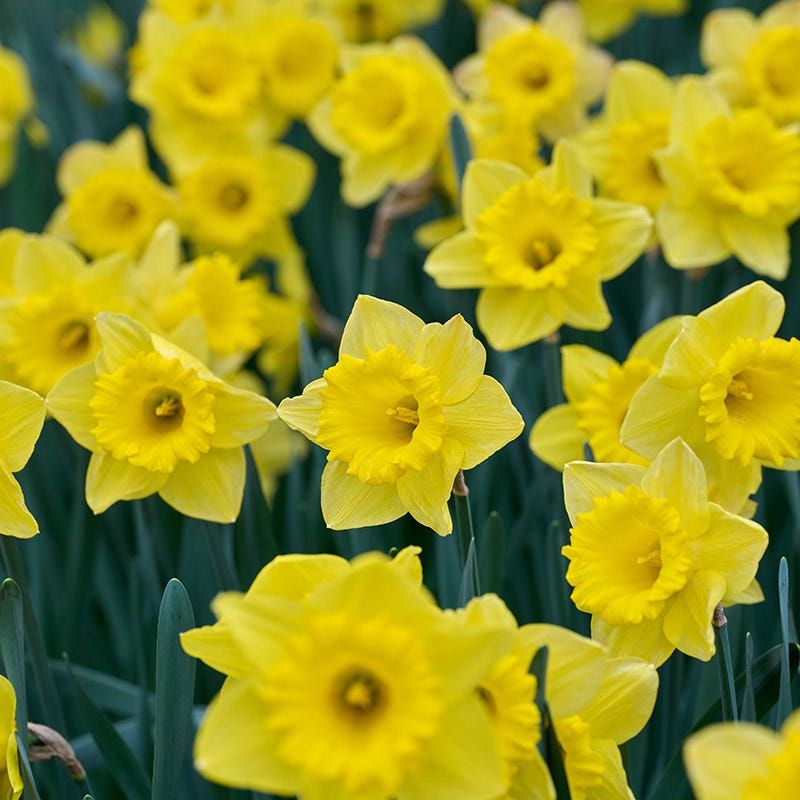
Gardeners who lose every tulip to voles often notice the daffodils sitting untouched right beside the wreckage. That is no accident.
Daffodil bulbs contain lycorine, a bitter alkaloid that rodents tend to leave alone.
Plant them in fall, just before the rains, as a living border around beds you want to protect. A ring of bulbs may help discourage voles from crossing into the center, though no plant creates a perfect wall.
Mixing daffodils among tasty bulbs like crocus can also reduce damage.
Daffodils suit California well because they grow with winter rain and go dormant in summer, so they need little extra water once established. Choose naturalizing types like Tete-a-Tete or Ice Follies for clumps that return year after year.
2. Society Garlic
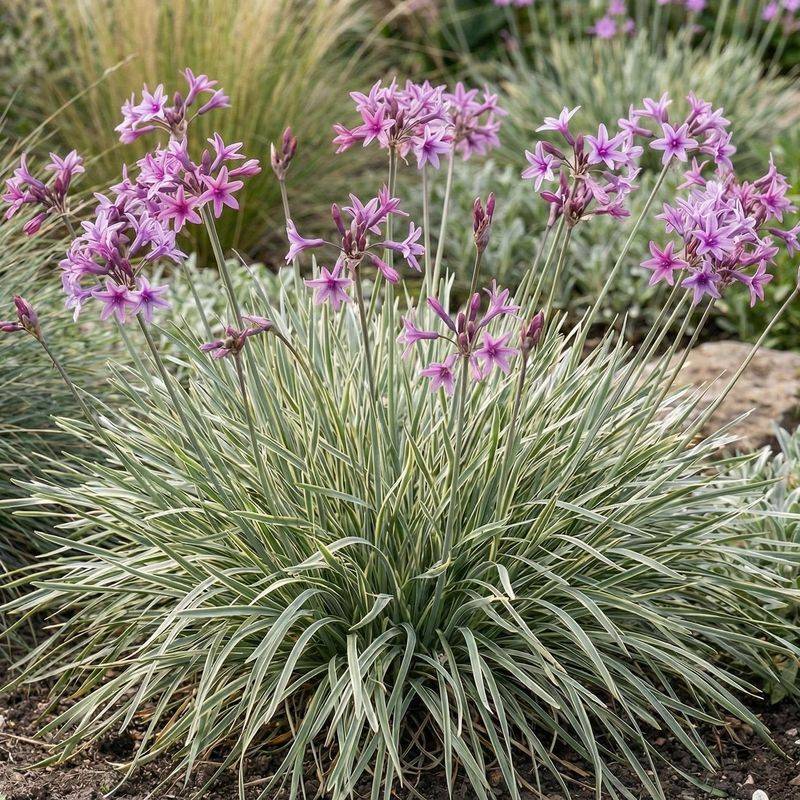
Brush against society garlic and you will smell why voles might think twice. The strappy leaves and roots give off a strong, garlicky scent that many small mammals seem to dislike.
Native to South Africa, Tulbaghia violacea thrives in California’s Mediterranean climate. It handles heat, light frost in most zones, and long dry spells once rooted.
Lavender flower clusters show up for months and feed bees too.
Use it as an edging plant along vegetable beds or around fruit trees where vole runways tend to start. Results vary from yard to yard, but it is an easy, low-water plant to test along the borders where damage shows up first.
3. Crown Imperial Fritillaria
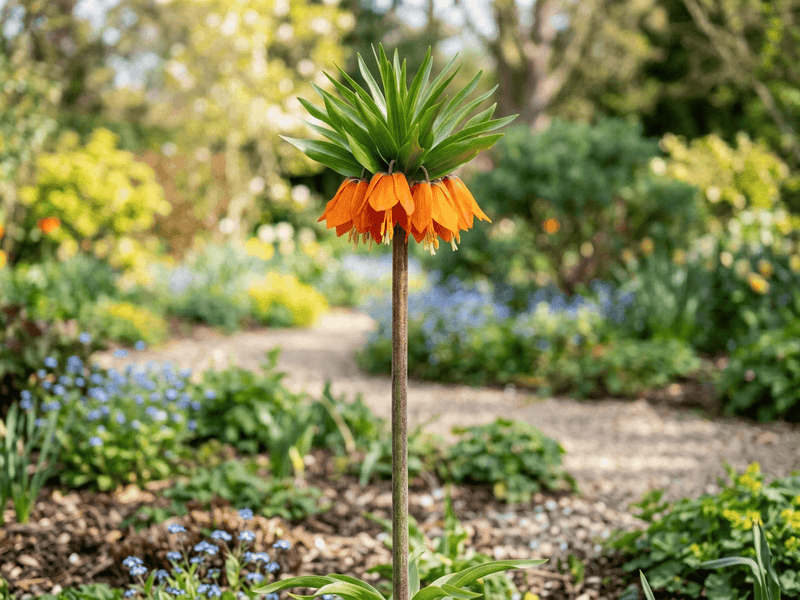
Here is a plant with a reputation that starts with your nose. Crown imperial bulbs smell musky, almost skunk-like, and old garden lore has long claimed they chase off moles and voles.
Science on that claim is thin, so treat it as a bonus rather than a guarantee. Still, many gardeners report that rodents avoid digging near the bulbs, and the flowers alone are worth the effort.
Tall stalks topped with orange or yellow bells look like something out of a storybook.
Crown imperials do best in cooler inland and Northern California zones with good drainage. Plant the bulbs on their sides in fall to keep winter rain from rotting the center.
Soggy clay is their enemy, so add gravel or plant on a slight mound.
4. Lavender
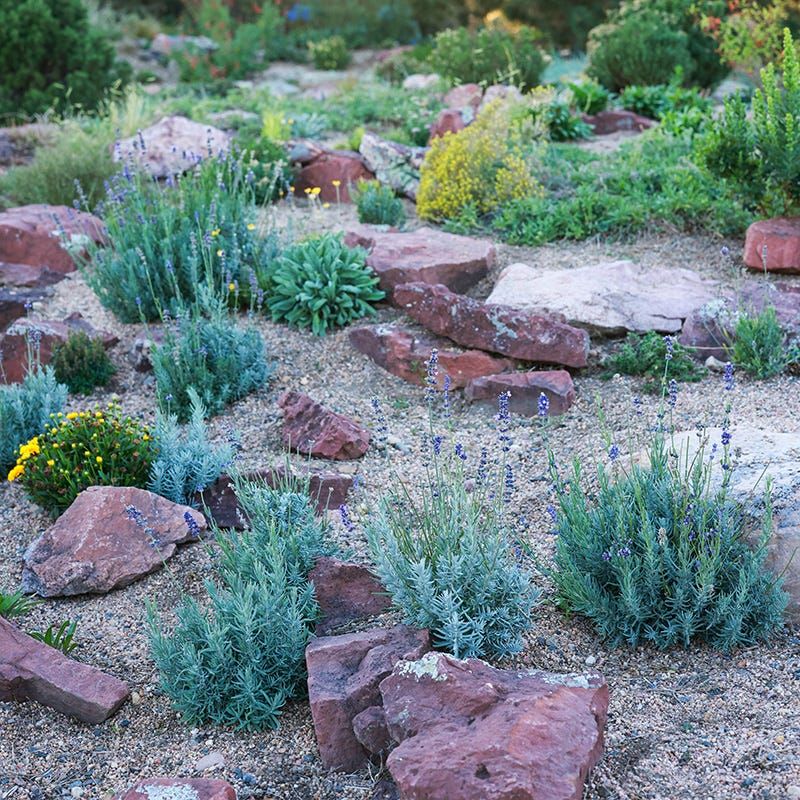
Lavender rarely shows up on a vole’s menu. The woody stems and aromatic oils are tough and strong-tasting, so it stands up well where softer perennials get gnawed.
There is another reason lavender helps. It wants lean, fast-draining soil and gravel mulch instead of thick bark or straw.
Voles love deep, fluffy mulch for cover, so a gravel-topped lavender bed takes away their hiding spot.
For California yards, Spanish and English lavenders handle summer drought beautifully and pull in native bees. Keep plants spaced so air moves between them, and skip summer overwatering.
Fewer soggy spots mean fewer comfy tunnels.
5. Cleveland Sage
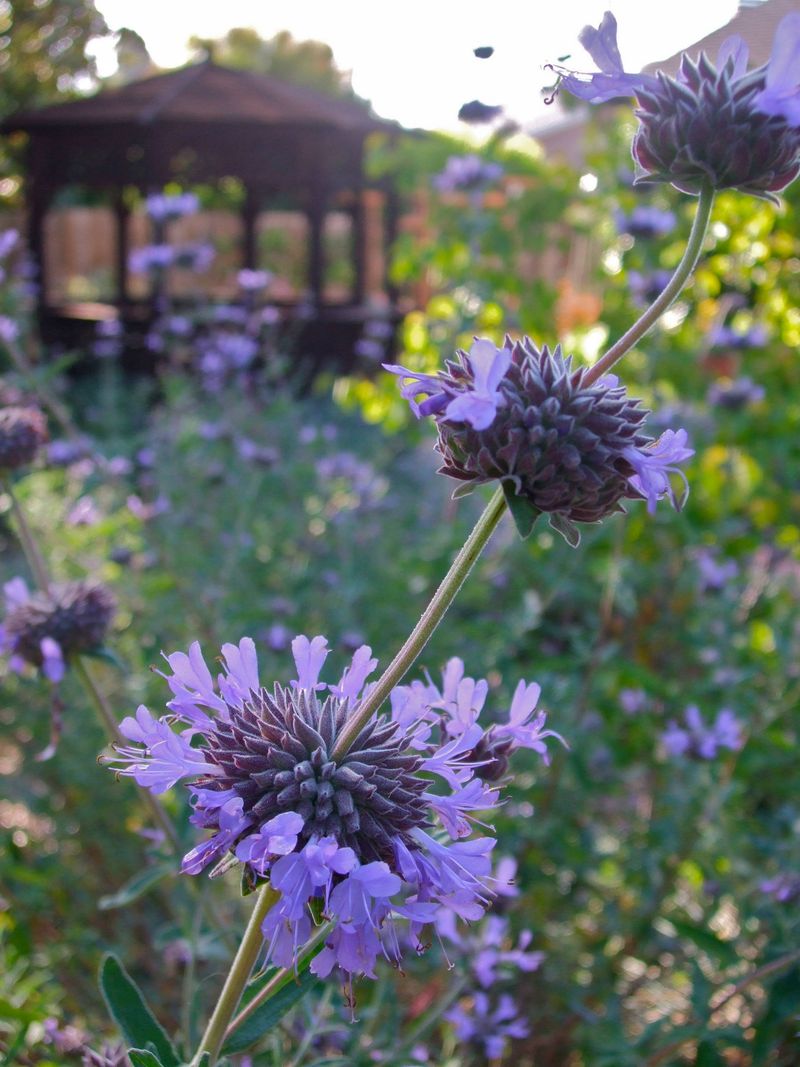
Hike through Southern California chaparral in spring and you might catch the sweet, resin scent of Cleveland sage before you see it. Salvia clevelandii is a native shrub packed with fragrant oils that browsing animals usually skip.
For vole problems, its value is twofold. The strong aroma may make beds less appealing, and the plant needs almost no summer water, so the soil stays firm and dry instead of soft and easy to dig.
Hummingbirds and native bees adore the purple flower whorls. Plant it in full sun on slopes or in open beds, and avoid heavy mulch around the base.
It fits nicely into fire-wise plans when kept well spaced and pruned of dead wood.
6. Rosemary
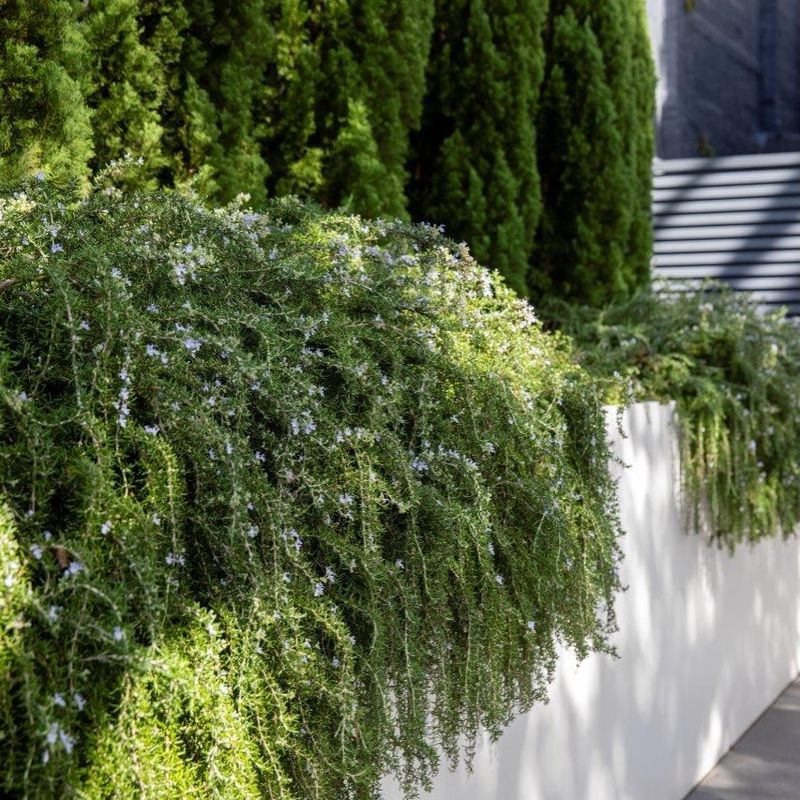
Picture a raised bed of winter greens edged with a trailing rosemary hedge. That pairing is practical, not just pretty.
Rosemary’s resinous leaves are seldom chewed by rodents, and the dense roots fill space voles might otherwise travel through.
It grows almost anywhere in California with sun and decent drainage. Prostrate types like Huntington Carpet cover ground fast and handle drought once established.
You also get fresh herbs for the kitchen.
Keep the area around the plants clear of tall weeds and thick leaf litter, since voles move under cover. Rosemary works best as part of a tidy border plan, not a standalone fix.
7. Alliums
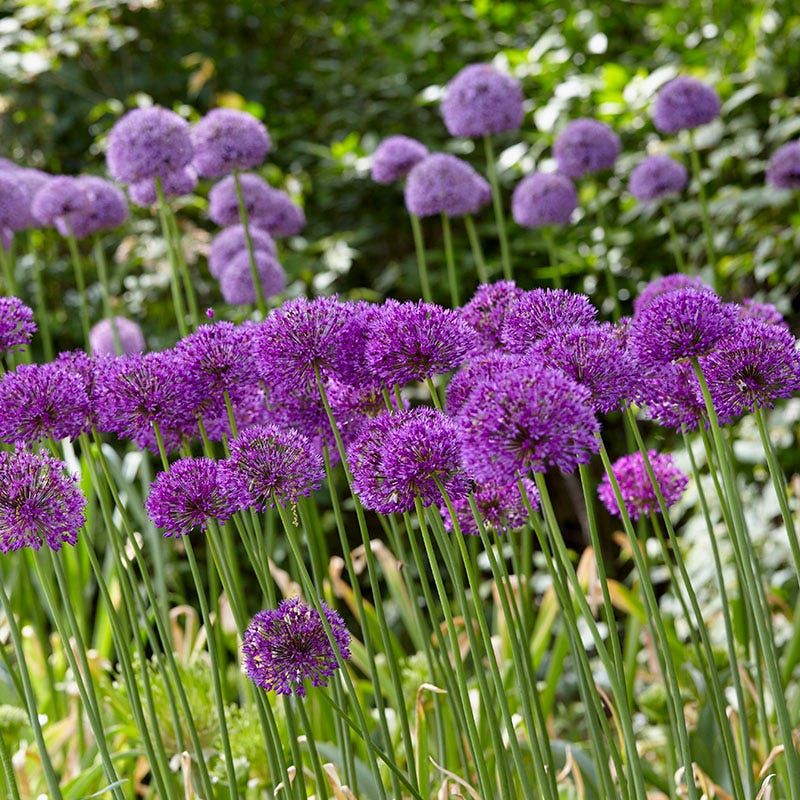
Onions, garlic, chives, and ornamental alliums all share one trait: that sharp sulfur bite. Many rodents find it unpleasant, which is why gardeners have long planted alliums around bulbs and roots that voles target.
Ornamental types like Allium Globemaster or Purple Sensation add tall purple balls to spring beds. Edible chives and garlic can tuck into vegetable gardens, where they may help reduce chewing near carrots and beets.
Plant bulbs in fall so they root during winter rains. Most need little water after flowering and rest through summer, a perfect fit for the California rhythm.
Native Allium unifolium is a lovely pink choice for wildlife-friendly yards.
8. Deer Grass
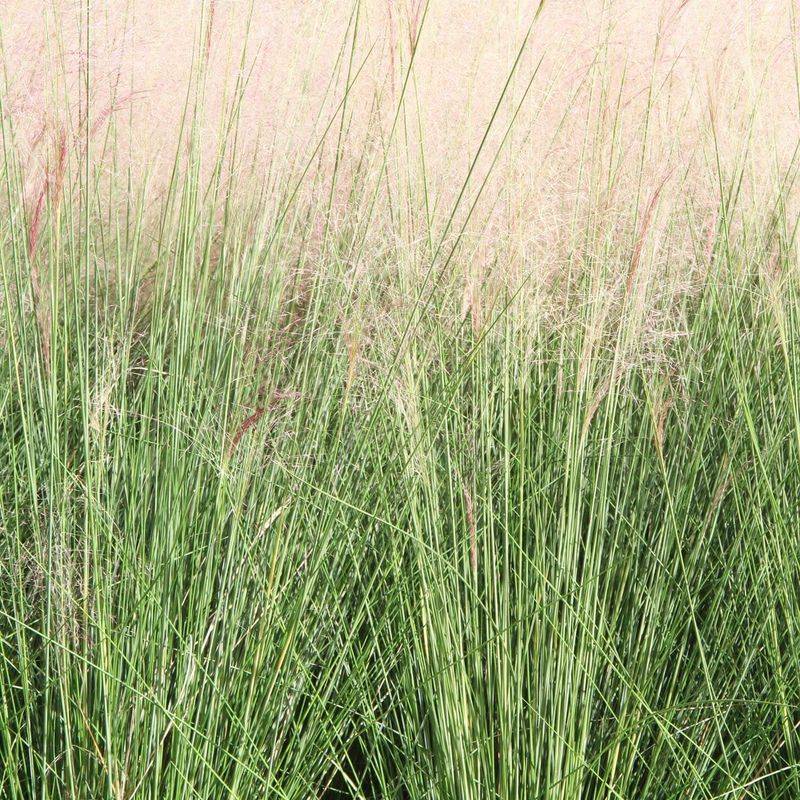
Sometimes the best defense is to stop building vole hotels. Many gardeners use dense groundcovers and matted lawn grasses that give voles perfect cover, then wonder why runways show up every winter.
Deer grass offers a better option. Muhlenbergia rigens grows in upright, well-spaced clumps with open soil between them, so voles have less shelter to hide from hawks, owls, and snakes.
That keeps natural predators working for you.
This native bunchgrass handles drought, heat, and clay, and it looks great swaying along borders or slopes. Pair it with an owl box and avoid rodent poisons, which can harm the very raptors that help control voles.
A wildlife-friendly yard often turns out to be the most vole-resistant one.