
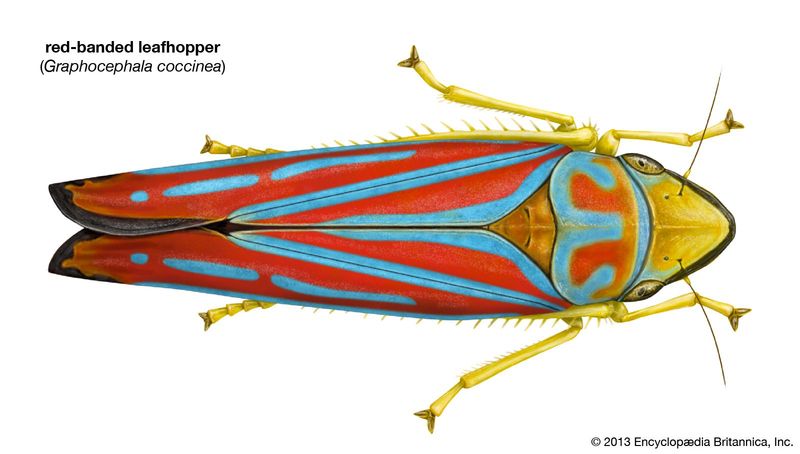
Pale, yellowing patches in a Texas lawn can send any homeowner hunting for a culprit. One tiny insect, the red-streaked leafhopper, has been recorded in Texas and is worth knowing how to spot.
A quick look at your grass can tell you whether small hoppers are around, but it cannot tell you what caused the color change. Here is how to check, what else could be going on, and where to turn for a real answer.
The insect to know is the red-streaked leafhopper
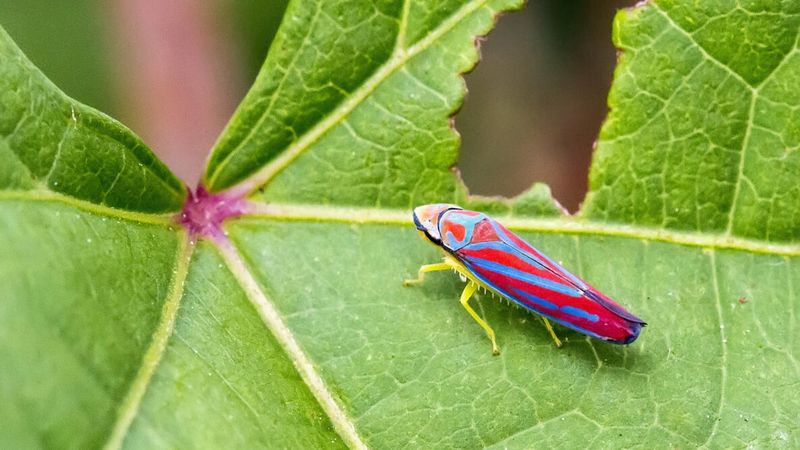
The small insect to check for is the red-streaked leafhopper, known to scientists as Balclutha rubrostriata. It is an introduced species that feeds on grasses, and it has been recorded in Texas.
Think of it as an insect worth recognizing, not a headline-making invader.
According to Texas A&M AgriLife Landscape IPM, adults measure only about 4.2 millimeters long. That is smaller than a grain of rice, so you will not notice one by glancing across the yard.
The name comes from a reddish or brown streak that can help describe the insect, though it is hard to see without close inspection.
Like other leafhoppers, it tends to hop or flit away when disturbed. That behavior is often the first thing a person notices, a spray of tiny insects jumping up from the turf as you walk across it.
Here is the honest picture. Texas A&M notes that leafhopper problems in turf have historically been uncommon, and leafhoppers are difficult to tell apart.
So seeing a tiny hopper does not mean you have this species, and having this species does not mean your lawn is in trouble. It simply gives you a name for something that may show up in Texas grass.
The rest of this guide shows how to look, what else can cause pale patches, and how to get a reliable identification.
A quick turf check can reveal hoppers, not confirm the species
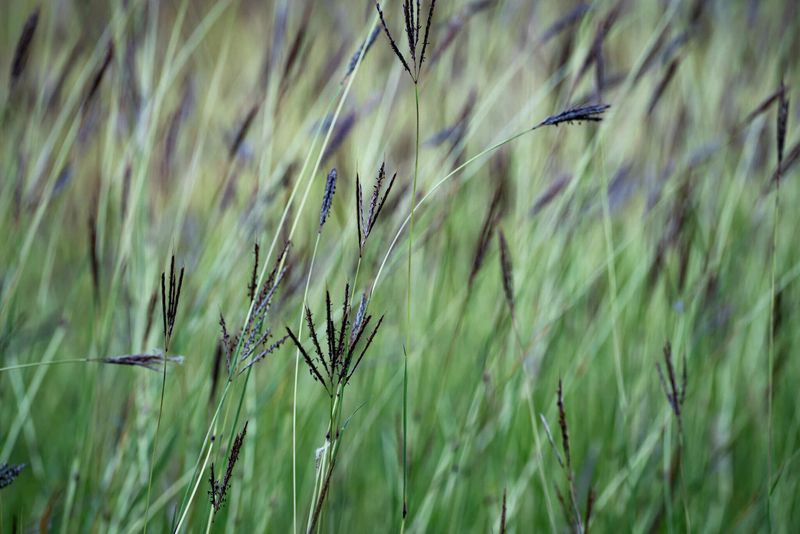
Grab a cup of coffee and spend ten minutes on your knees in the grass. The goal is simple observation, and you do not need any tools beyond your eyes and maybe a phone camera.
Start by parting the grass blades and looking closely at the blades and the thatch layer underneath. Check both the pale areas and the green grass next to them, since comparing the two tells you more than either one alone.
Look for tiny, slender insects clinging to the leaves.
Next, gently disturb a small patch by brushing your hand across the turf or stomping lightly. Then watch for small insects that hop or flick away.
Doing this early in the day or in the evening, when it is cooler, can make the insects easier to see.
Here is what the result means. If you see hoppers, leafhoppers may be present.
That is all. Texas A&M says leafhoppers are difficult to identify and recommends specialist help, so a backyard check cannot confirm the red-streaked leafhopper or any other species.
Many small insects live in turf, and plenty of them are harmless. Jot down where you looked, how many you saw, and which areas of the lawn were involved.
Those notes will be useful later.
Pale spots can suggest feeding but cannot diagnose the cause
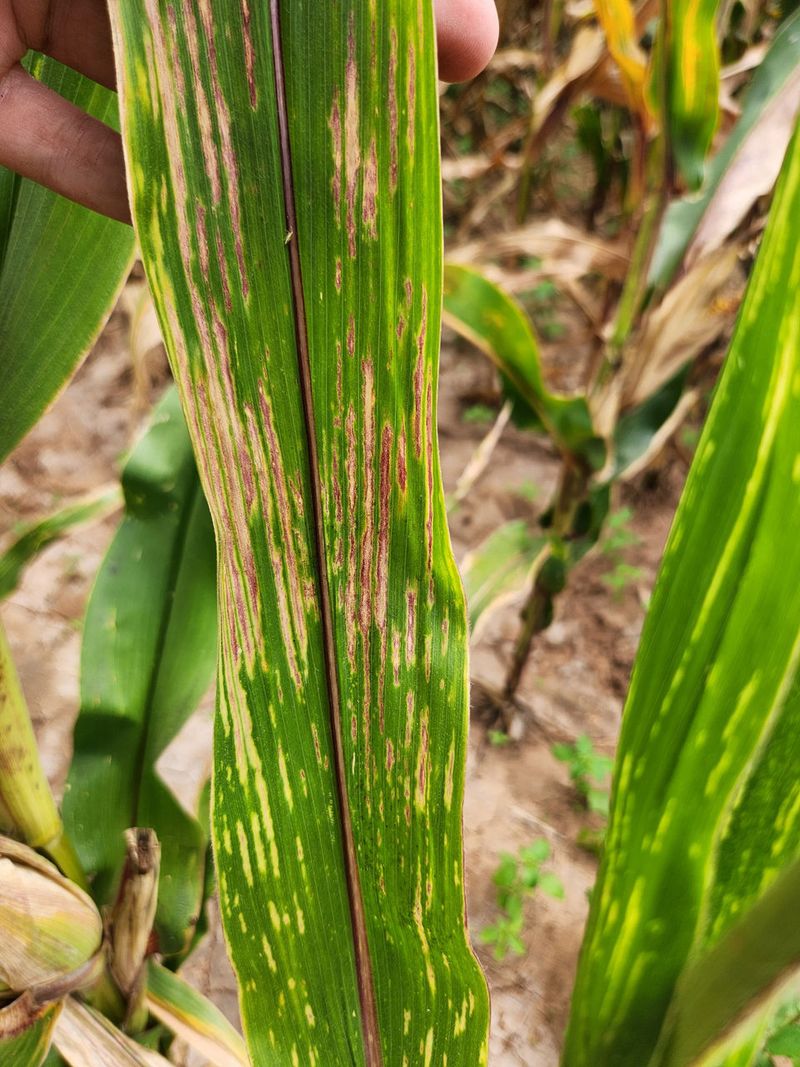
Leafhoppers feed by piercing grass blades, and that feeding may leave small yellow or bleached spots on the leaves. When a lot of insects are feeding in one area, a heavy infestation can yellow the turf there.
Those are the signs Texas A&M links to leafhoppers in turf.
The catch is that a pale spot is only a clue. It tells you something is stressing the grass, not what.
Many different problems can leave a lawn looking washed out, and an insect on the blade at the same time may be a bystander.
Picture two yards. In one, you find small hoppers and pale flecks on the leaves in the same spot.
In the other, you find pale patches and no insects at all. The first yard raises the possibility of feeding, but neither one gives you a diagnosis.
To move from a hunch toward an answer, you need two things: confirmation of which insect is there, and some way to rule out other causes. A hopper plus a yellow spot is a reason to look further, not a verdict.
It also helps to remember the scale. Texas A&M describes turf trouble from leafhoppers as historically uncommon, so pale spots in your lawn are far more likely to have another explanation worth checking first.
Drought, dormancy, and chinch bugs can look different up close
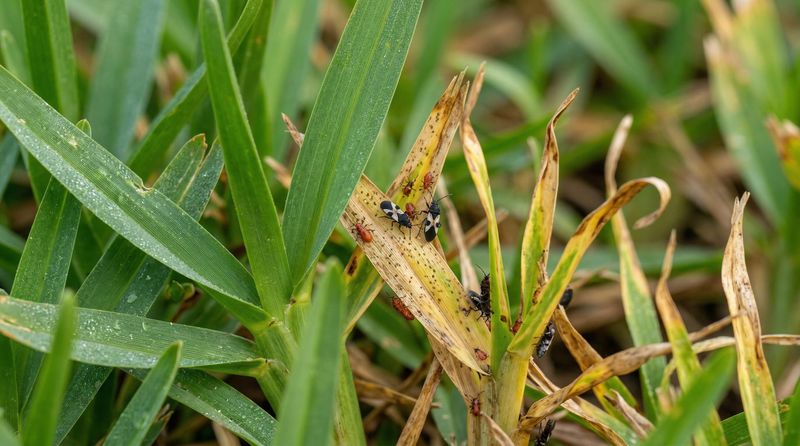
Yellow or brown grass in fall has a long list of possible causes, and color alone cannot sort them out. Three common ones are drought stress, seasonal dormancy, and chinch bugs.
Drought stress, as described by Texas A&M’s St. Augustinegrass guidance, shows up as wilting leaves and a blue-gray color across the lawn. Warm-season grass can also go dormant as temperatures cool in fall, so a fading lawn this time of year may simply be settling in for winter.
Chinch bugs are the better-known insect lookalike. Texas A&M says they can cause irregular patches that range from yellow to dead in St. Augustinegrass, and those patches are often mistaken for drought or disease.
You can read more in the AgriLife Extension lawn management PDF. Its treatment threshold of 25 bugs per square foot applies to chinch bugs only, not to leafhoppers.
So how do you tell them apart? Practical clues include whether the whole lawn is changing evenly or only in patches, whether the soil is dry, and whether insects are present at the edge of a patch.
Even so, appearance alone does not settle the diagnosis. Treat what you see as a list of suspects, then confirm before acting.
Texas records document presence, not a new fall lawn invasion
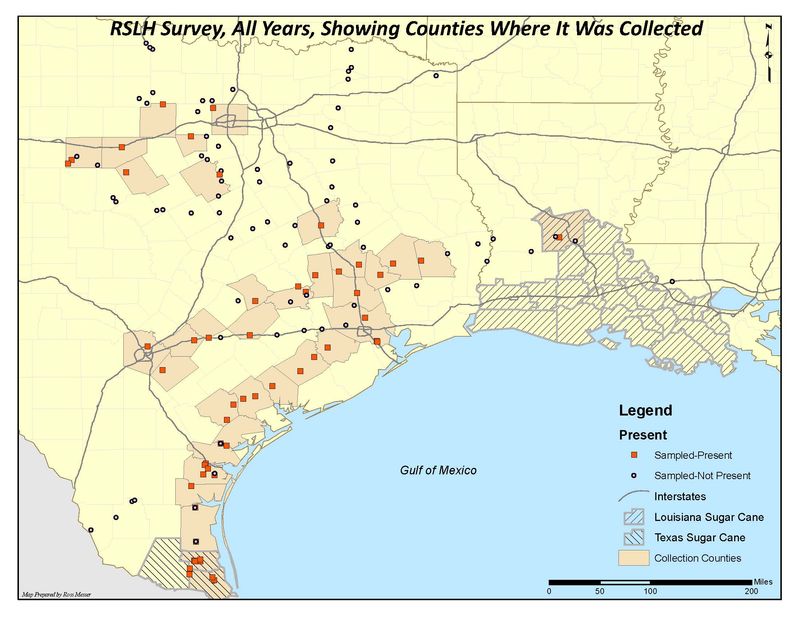
Headlines about a pest quietly taking over lawns make for a good story, but the records tell a calmer one. A 2013 survey in Florida Entomologist documented the red-streaked leafhopper at sites along the Gulf Coast and in eastern Texas.
Most of those finds were on King Ranch bluestem, an invasive grass.
That survey did not sample residential lawns, and it was not a measure of what is happening this fall. It shows where the insect had been found years ago.
It cannot show a current surge through neighborhood yards.
Researchers also reported no visible damage to the King Ranch bluestem, even though the leafhopper made up a large share of the insects they collected. That finding is about one type of grass in the field.
It does not tell us how often the insect harms home lawns, in either direction.
Other records exist too. Texas A&M’s leafhopper page lists county records, and it says adults are most abundant in July and early August, so fall is not their peak.
Taken together, the picture is a species recorded in Texas, not a verified fall invasion.
Get an identification before deciding whether to act
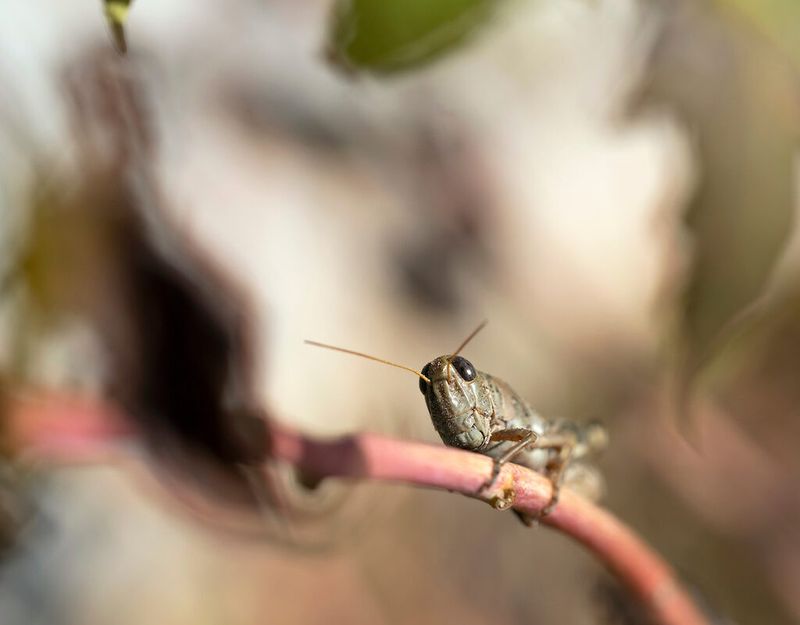
Start by writing down what you see: the date, where the pale patches are, and how the insects behave. Then take a few sharp, close-up photos of the insects on a plain background if you can.
Texas residents can send those pictures to Texas A&M AgriLife’s insect identification service.
Before you treat anything, talk with your county Extension office. Spraying because of discolored turf or unidentified hoppers can waste money and miss the real cause.
No homeowner treatment threshold exists for the red-streaked leafhopper.
One general tip comes from Texas A&M. Large leafhopper infestations may be linked with frequent, intensive nitrogen fertilizing, and cutting back on nitrogen may minimize the problem.
That is general leafhopper guidance, not a proven plan for this species.
A hopper in the grass is a reason to look closer, not a reason to reach for the sprayer.