
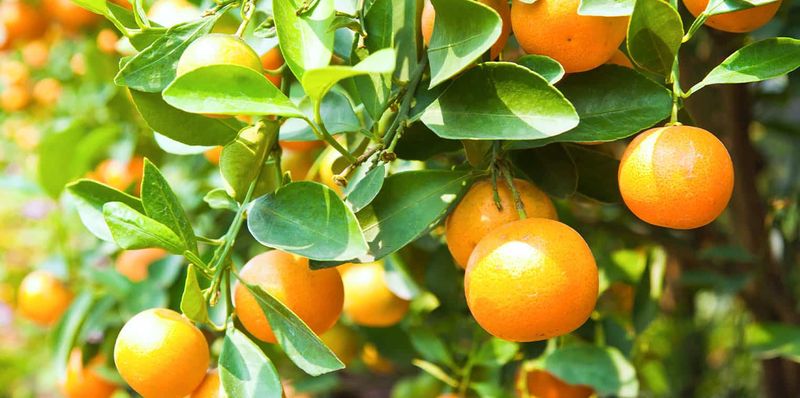
One clear, still December night can undo a whole year of care for your avocado and citrus trees. In much of California, frost shows up only a few times each winter, so it is easy to get caught off guard.
A little prep before that first cold night can save tender leaves, young branches, and the fruit you have been waiting on all year. Here are ten simple steps that help your trees ride out the chill and bounce back strong in spring.
1. Know Your Frost Dates and Cold Spots
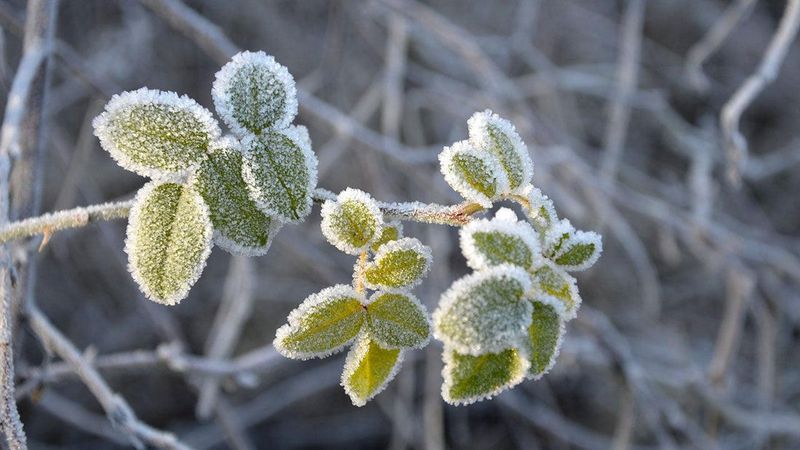
Cold air behaves a lot like water. It slides downhill and pools in low spots, which is why one neighbor’s lemon gets frost burn while the tree two houses up looks fine.
Inland valleys like the Central Valley, parts of the Inland Empire, and foothill towns usually see frost from late November through February. Coastal yards get it far less often, but a surprise night can still hit.
Check your local forecast and note any nights predicted below 32 degrees.
Walk your yard on a cold morning and see where frost lingers longest. Those pockets are where your most tender trees face the most risk, so plan your protection there first.
2. Learn Which Trees Are Most Tender
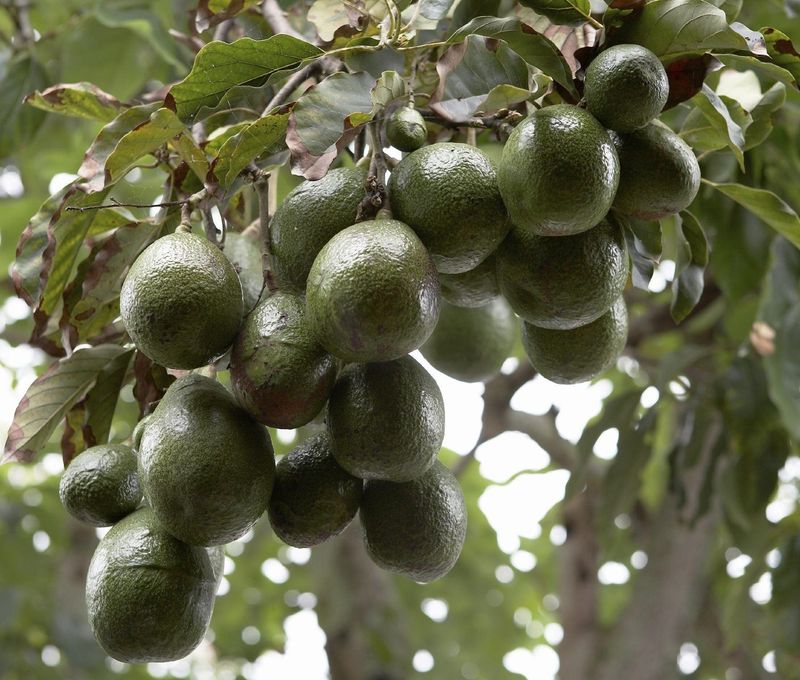
Not every tree in your yard flinches at the same temperature. Limes and Mexican-type avocados are sensitive, and young Hass avocados can show damage around 30 degrees.
Lemons and grapefruit sit in the middle. Mandarins and kumquats tend to handle cold better, often shrugging off brief dips into the upper 20s once they are mature.
Fun fact: a tree’s age matters as much as its type. A citrus tree under three years old has thinner bark and fewer leaves to shield itself, so give the youngsters first priority on a frost night.
3. Water Deeply a Day or Two Ahead
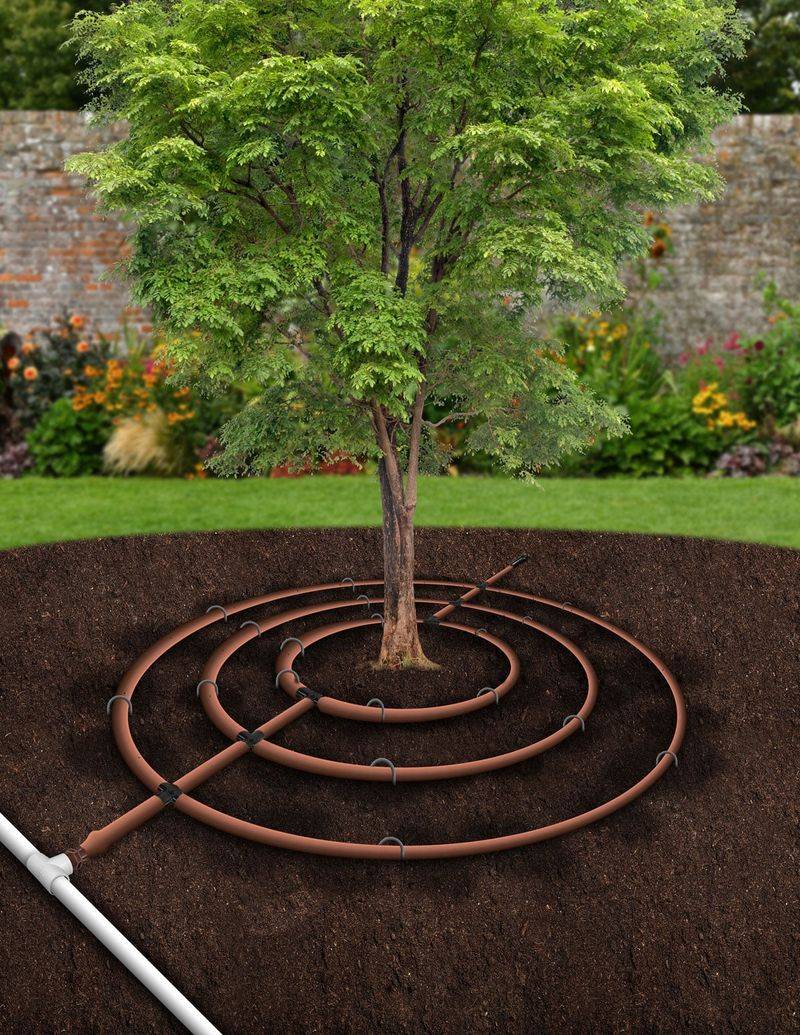
Here is a trick that surprises a lot of homeowners. Moist soil holds and releases heat better than dry soil, so a well-watered root zone can keep the air around your tree a degree or two warmer overnight.
Give your trees a slow, deep soak one or two days before the cold arrives. Drip lines or a soaker hose work well and use less water than a sprinkler, which matters under California water rules.
Skip watering the leaves themselves at night. Wet foliage can freeze faster, and that is the opposite of what you want.
4. Pull Mulch Back From the Trunk
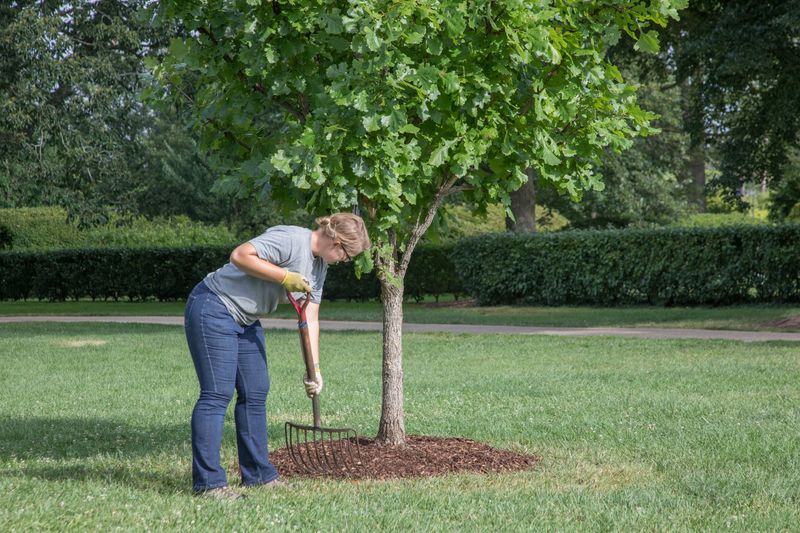
Mulch is a summer hero for avocados, which love a thick layer over their shallow roots. Before frost, though, a heavy blanket can actually keep the ground’s stored warmth from rising up to the canopy.
Rake mulch back a few feet from the trunk on frost-prone nights. Bare, damp soil soaks up daytime sun and gives it back after dark.
Once the cold spell passes, spread it back out. Your roots will thank you, and you will keep holding onto that precious soil moisture.
5. Cover With Frost Cloth, Not Plastic
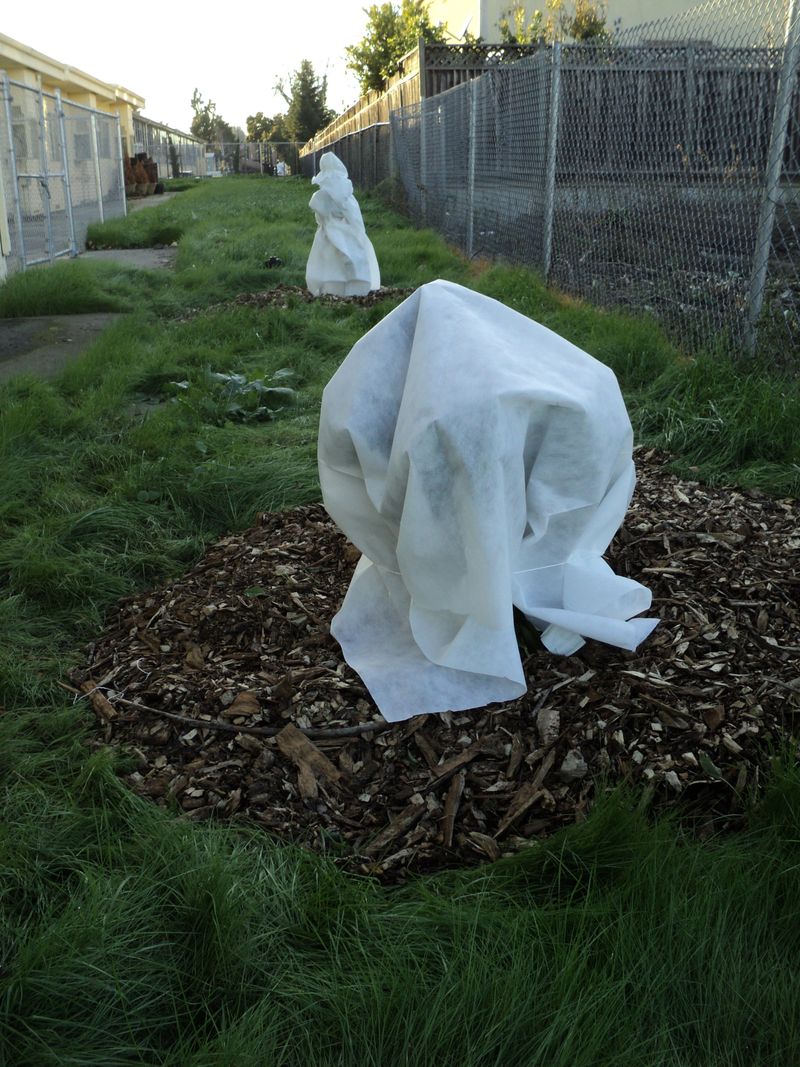
Picture tucking a blanket around a sleeping kid, all the way to the floor. That is how frost cloth should drape over a small citrus or avocado tree.
Use breathable frost cloth or an old cotton sheet, and let it reach the ground so it traps heat rising from the soil. Plastic touching leaves can transfer cold and cause burn, so save it for the recycling bin.
Prop the fabric up with stakes if you can, and remove it in the morning once temperatures rise. Leaving it on during sunny days can overheat the tree.
6. Add Gentle Heat Under the Cover
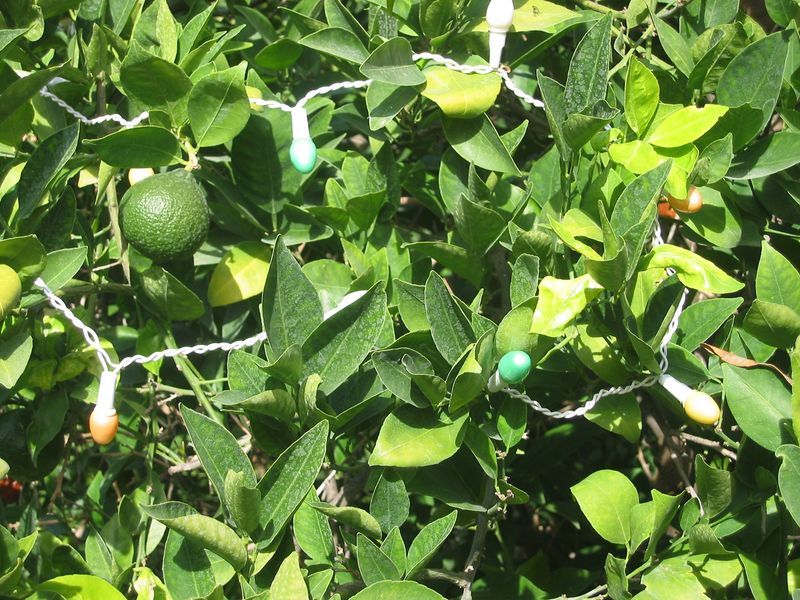
Old-fashioned holiday lights have a second job. The classic incandescent bulbs give off a small amount of heat, and under a frost cloth that warmth can make a real difference.
Wrap them loosely through the inner branches before covering. Modern LED lights look pretty but give off almost no heat, so they will not help much here.
Use outdoor-rated cords and a GFCI outlet, and keep bulbs from touching the fabric. Safety comes first, especially in fire-aware California neighborhoods.
7. Wrap Young Trunks
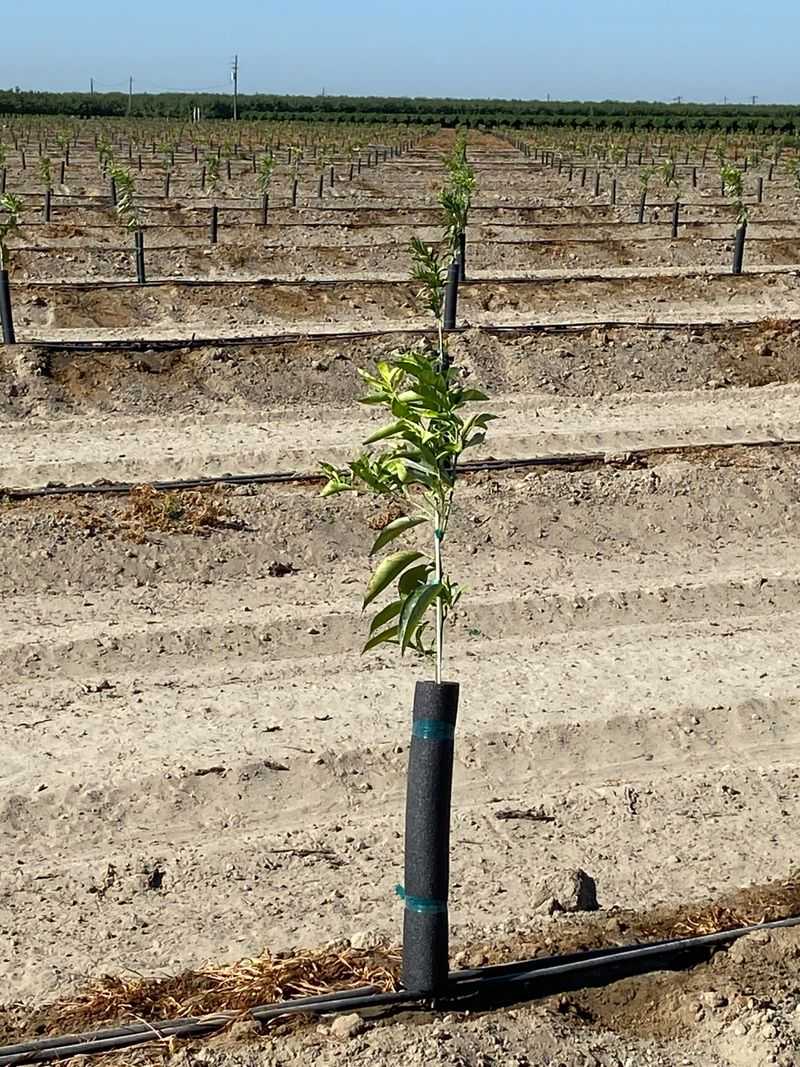
A healthy trunk is the tree’s lifeline. If frost kills the leaves, a living trunk can still push out new growth in spring.
For trees under a few years old, wrap the trunk with foam pipe insulation, burlap, or a commercial tree wrap. Even a layer of cardboard can help on a single cold night.
Remove or loosen the wrap after the frost season ends. Leaving it too long may invite pests or trap moisture against the bark.
8. Pick Ripe Fruit Early
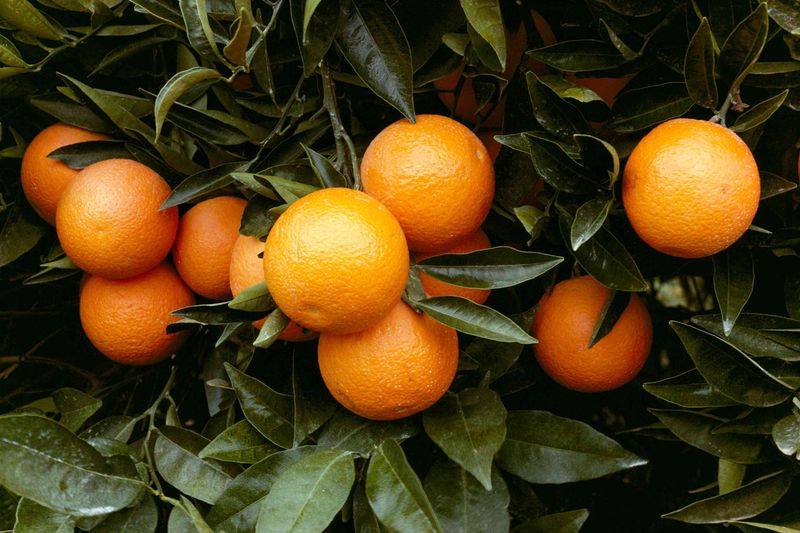
Sweet mandarins and ripe lemons are easy targets for frost. A hard freeze can turn juicy fruit dry and mushy inside, even when the peel still looks fine.
If a cold night is coming and your fruit is ready, go ahead and harvest it. Many citrus fruits store well in the fridge for weeks.
Avocados are a bit different since they ripen off the tree. Mature Hass fruit can be picked a little early and softened on the counter, so you lose nothing by playing it safe.
9. Hold Off on Fertilizer and Pruning
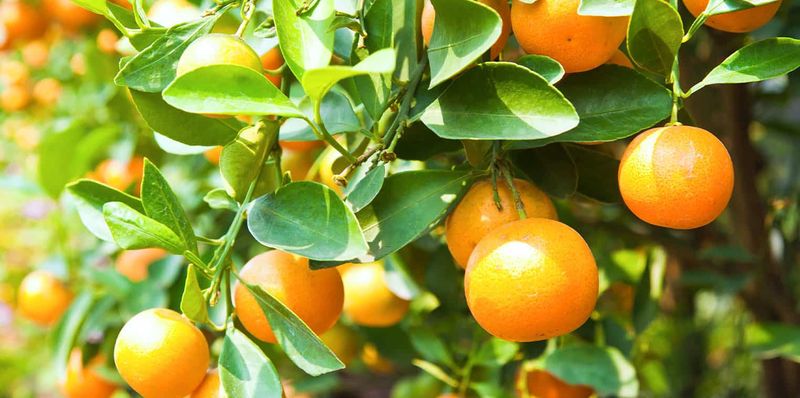
Late-season pruning and feeding might feel like helpful care. In reality, both can push tender new shoots that freeze at the first cold snap.
Stop nitrogen feeding by late summer or early fall, and save pruning for spring. A full, leafy canopy also shelters the inner branches and fruit.
Even after frost damage, wait to trim. Brown leaves look rough, but they can protect the wood underneath until warm weather shows what truly died.
10. Move Potted Trees to Shelter
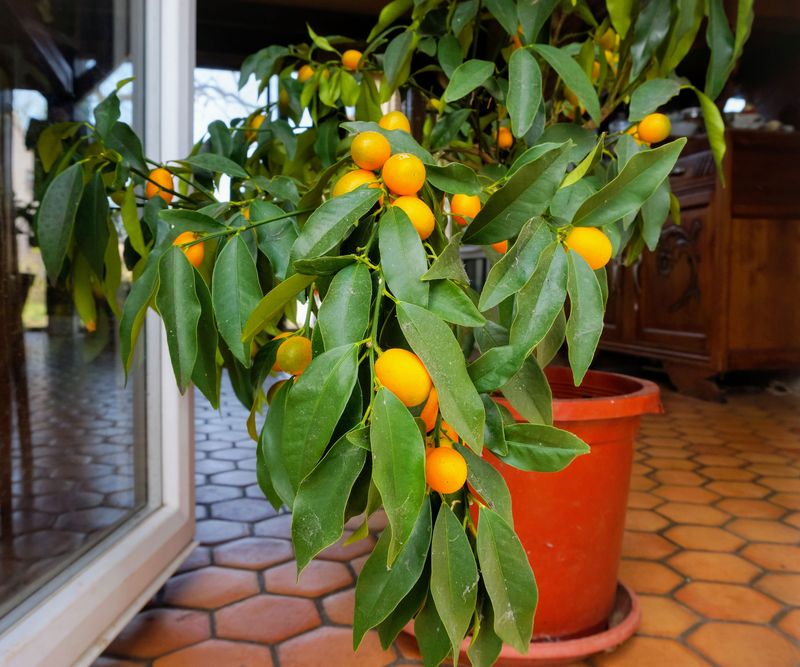
Container trees have a hidden weakness. Their roots sit above ground in a pot, so they chill faster than trees planted in the soil.
Roll potted citrus or dwarf avocados under a patio cover, against a south-facing wall, or into a garage for the night. A plant caddy with wheels makes the job much easier.
Bring them back into the sun the next day. A little extra effort on a few cold nights can keep a prized Meyer lemon going for years.