
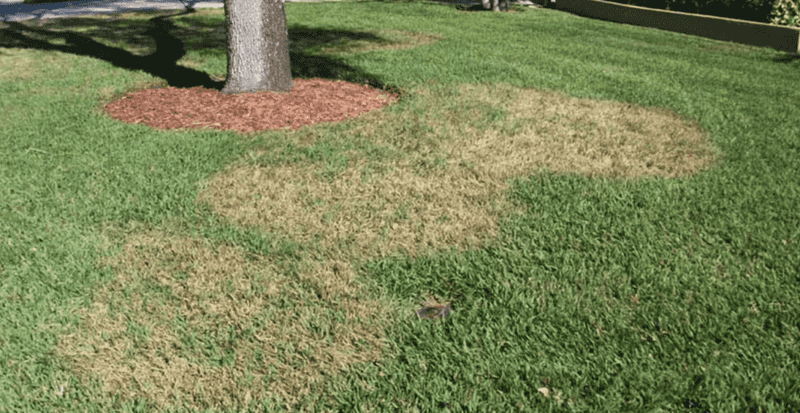
When the Texas heat finally breaks in fall, most of us want to rush outside and fix the lawn. But a lot of the advice online was written for lawns in Ohio or Michigan, not for St. Augustine and Bermuda grass baking in Texas clay.
Follow the wrong tips now and you could be staring at brown patches, weeds, and dead spots come spring. Here are the fall mistakes Texas homeowners keep making, and what to do instead.
1. Seeding Cool-Season Grass Over a Warm-Season Lawn
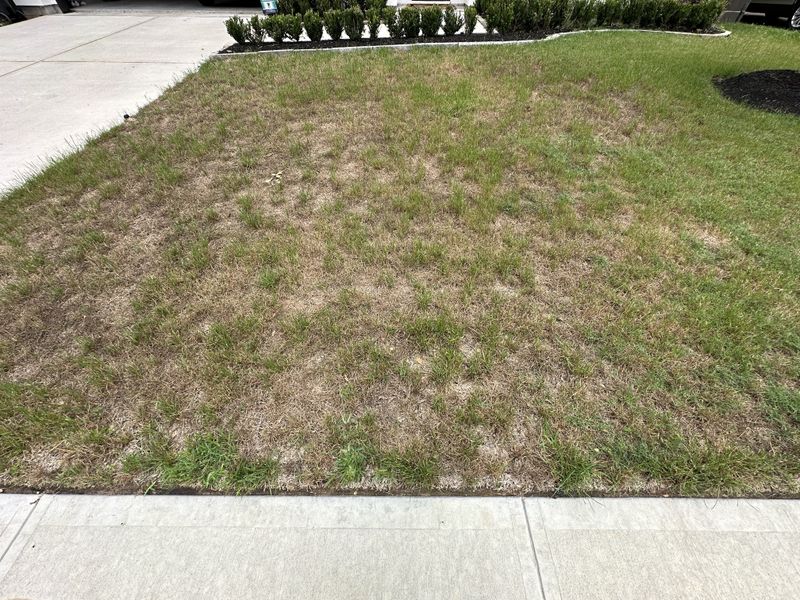
Scroll through any national lawn blog in September and you will see the same cheerful advice: fall is the best time to overseed. For a Kentucky bluegrass lawn in Indiana, that is true.
For a St. Augustine or Zoysia lawn in Houston, it is a recipe for trouble.
Warm-season grasses are slowing down and getting ready for dormancy in fall. Tossing fescue or bluegrass seed on top creates competition, holds extra moisture against the turf, and may invite disease.
The cool-season grass then struggles once the heat returns in May.
If your yard has thin spots, the better move is usually to wait until late spring and fix them with sod or plugs of the grass you already have. Ryegrass for winter color is an option for Bermuda lawns, but skip it on St. Augustine.
2. Heavy Nitrogen Fertilizer in October
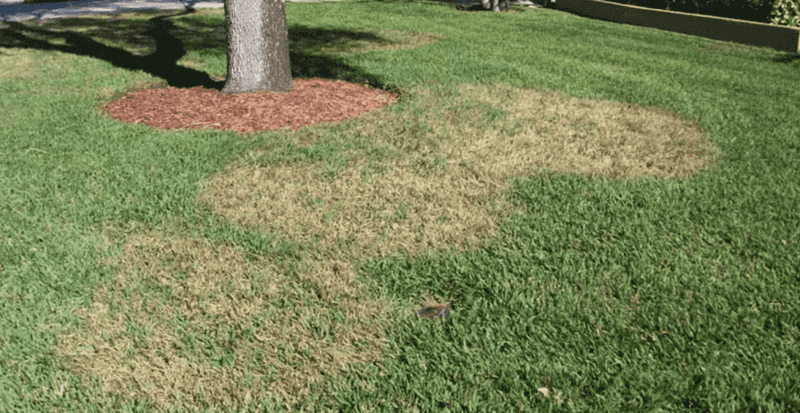
Picture this: the bag says fall feeding, so you load the spreader in mid-October and give the yard a big dose. A few weeks later, gray leaf spots and yellow rings appear.
Bad luck? Not quite.
High-nitrogen feeding late in the season pushes tender new growth right when warm-season turf should be hardening off. That soft growth is more likely to get hit by large patch, a fungal disease that loves cool, damp Texas falls.
Many Texas extension experts suggest a light feeding in early fall, roughly September, or a winterizer that leans on potassium instead of nitrogen. A soil test from Texas A&M AgriLife can tell you what your yard actually needs, often for less than the cost of one bag.
3. Keeping the Summer Watering Schedule
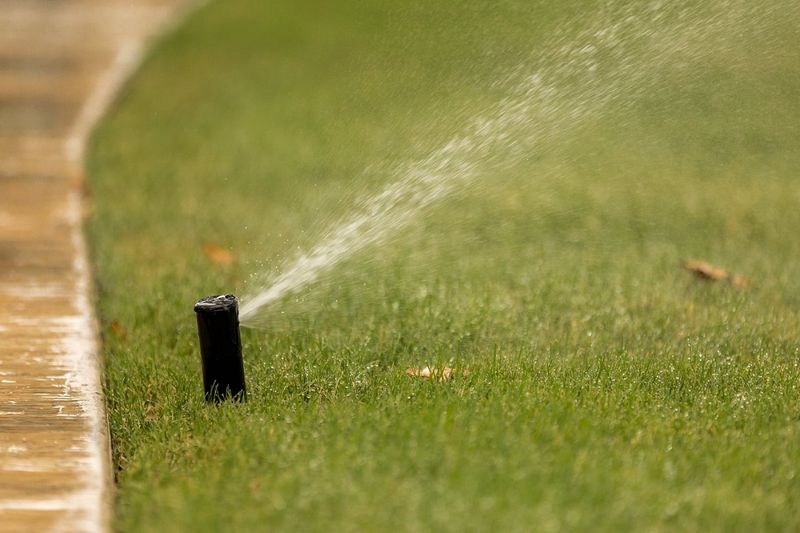
Sprinkler timers are the most forgotten gadgets in Texas. Set them in July and they keep chugging along through November like nothing changed.
Fall brings cooler nights, shorter days, and often a few good rains. Grass simply uses less water.
Overwatering now wastes money during city restrictions and creates soggy roots where fungus and weeds thrive.
Cut back to deep, occasional watering, about once every week or two depending on rain. A rain sensor or smart controller can help a lot here.
Check your city’s current watering rules too, since many Texas towns keep restrictions in place well into fall.
4. Missing the Pre-Emergent Window
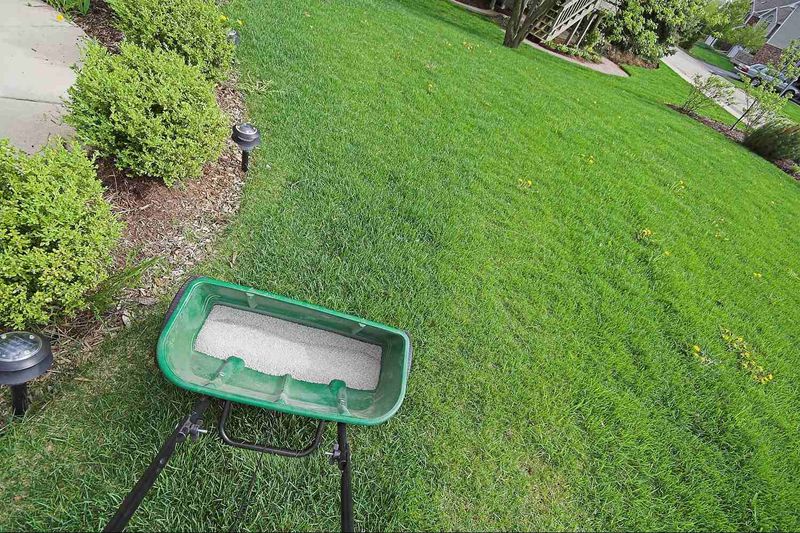
Henbit, annual bluegrass, and burweed all share a secret. They sprout in fall, sit quietly through winter, and then explode across your yard in February.
Plenty of homeowners only think about weeds once they see them. By then, pre-emergent herbicides are useless because they only stop seeds from sprouting.
In much of Texas, the fall application window falls from about mid-September to early October, a bit later along the Gulf Coast.
Mark it on the calendar now. One timely application may save you a spring of pulling sticky burweed out of your kids’ feet.
And if you plan to lay new sod, read the label, since some products block rooting.
5. Scalping the Lawn Too Early
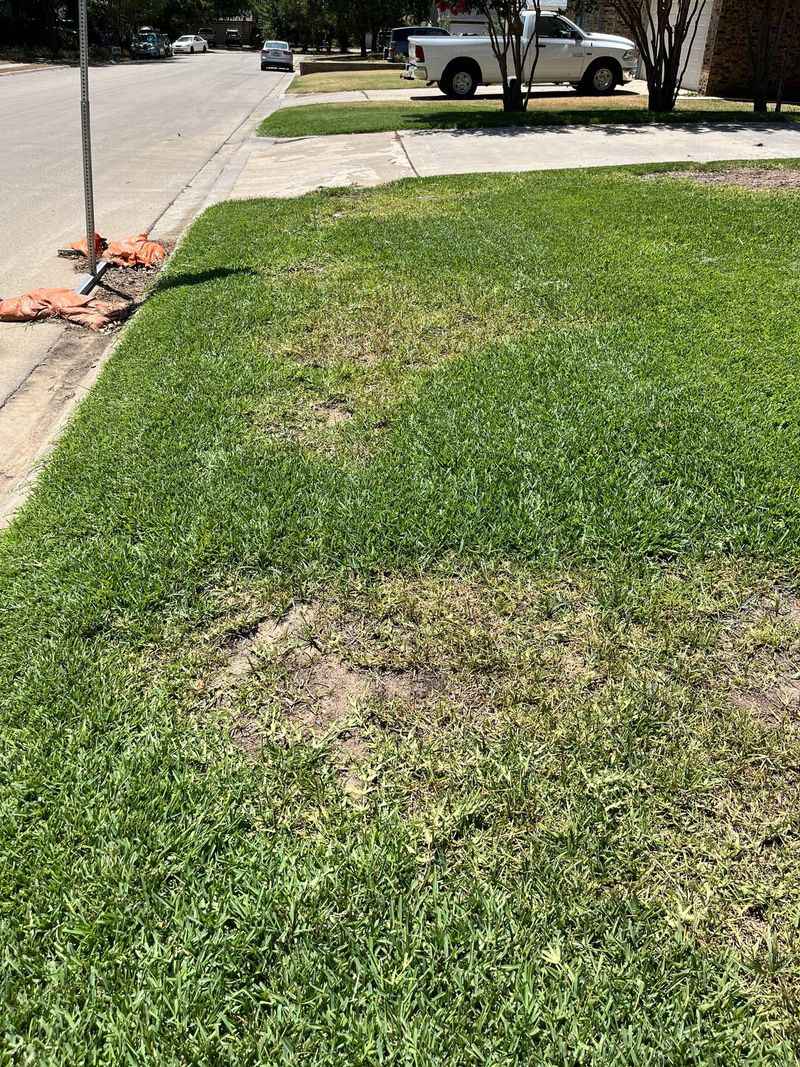
Short grass looks neat, sure. But mowing St. Augustine down to a buzz cut in October leaves it exposed just as cold snaps start rolling in.
Scalping is meant for Bermuda lawns in late winter or early spring, right before green-up. Doing it in fall strips the blades that store energy for winter and leaves runners open to freeze damage.
The February 2021 storm showed many Texans how fragile stressed St. Augustine can be.
Keep your mower at its normal height through fall, roughly 3 to 4 inches for St. Augustine. Mow less often as growth slows instead of lowering the blade.
6. Letting Live Oak Leaves Smother the Grass
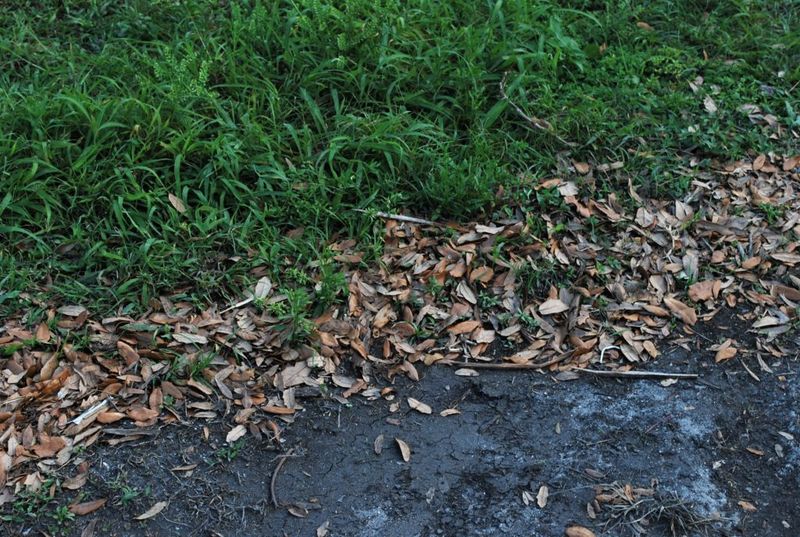
Fun fact: Texas live oaks drop most of their leaves in spring, not fall. Still, pecans, red oaks, and cedar elms make up for it, piling leaves across yards from Austin to Tyler.
A thick mat blocks light and traps moisture, which can feed brown patch and leave dead circles under the trees. Shaded St. Augustine already struggles, so it does not need extra help failing.
The easy fix is to mow over light leaf drops with a mulching mower so the bits feed the soil. Heavier piles can be raked into beds as free mulch.
Your flower beds will thank you, and so will the ground beetles and toads that shelter there.
7. Ignoring Chinch Bug Damage Until Spring
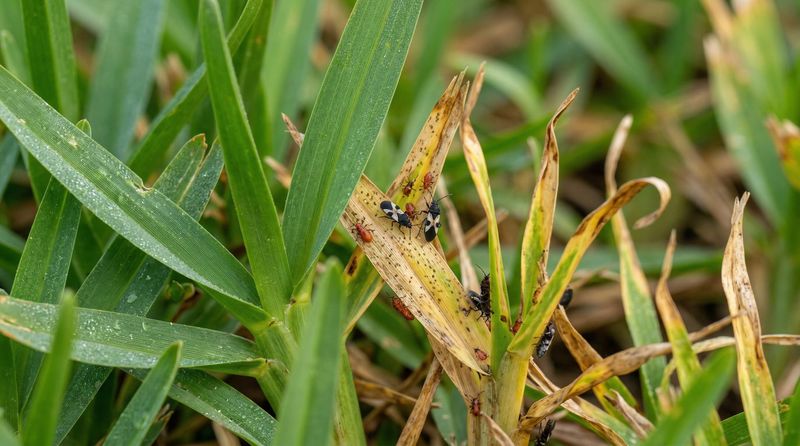
Those crunchy yellow spots by the driveway were not just drought. In many Texas yards, they were chinch bugs, and the damage often goes unnoticed until the weather cools.
Fall is a good time to walk the lawn and look closely at sunny edges near concrete. Part the grass and check for tiny black insects with white wings.
Treating hot spots or simply noting them can help you plan an early response next summer.
Healthy turf recovers better, so avoid piling on fertilizer to green up damaged areas. Lighter nitrogen and proper watering may help reduce future outbreaks.
8. Aerating Clay Soil at the Wrong Time
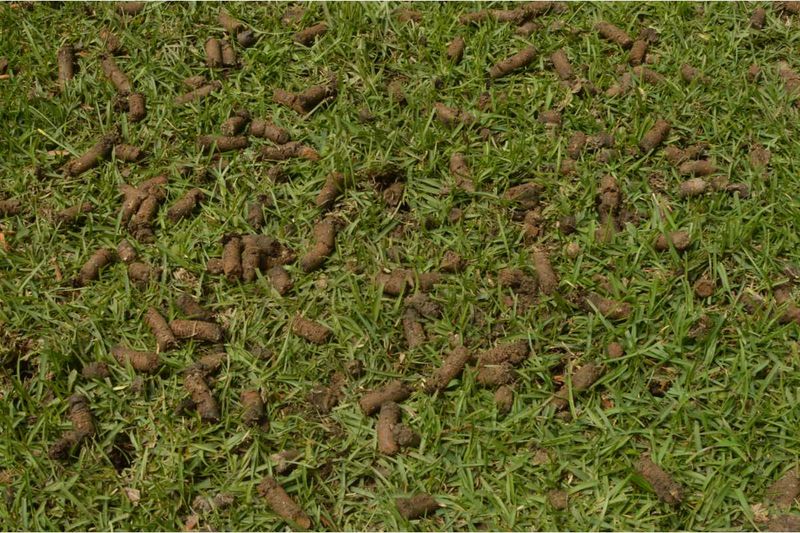
Aeration gets praised online like a miracle cure, and for compacted Texas clay it can really help. Timing is where folks slip up.
Warm-season grasses heal holes fastest while they are actively growing, usually late spring through early summer. Aerating in late fall leaves open holes the dormant grass cannot fill, giving weed seeds a cozy spot to land.
If your blackland clay feels like a brick, put core aeration on the May to-do list. In fall, a thin topdressing of compost is a gentler way to improve soil life.
9. Skipping Freeze Prep for the Lawn
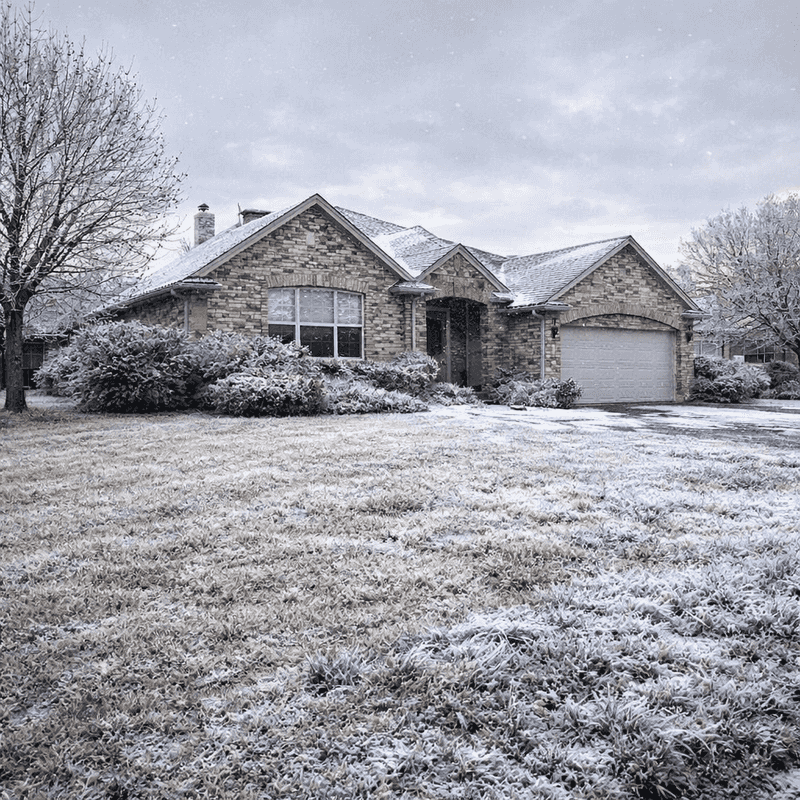
Texas winters are mild until they suddenly are not. A blue norther can drop temperatures 40 degrees in an afternoon.
Bone-dry turf takes freeze damage worse than moist turf, so a deep watering a day or two before a hard freeze can help protect roots. Insulate backflow preventers and drain exposed irrigation lines too, since a cracked valve is an expensive spring surprise.
Avoid walking on frozen grass, which can crush brittle blades. A little planning keeps your lawn ready to bounce back when spring arrives.
10. Fighting Shade With More Grass
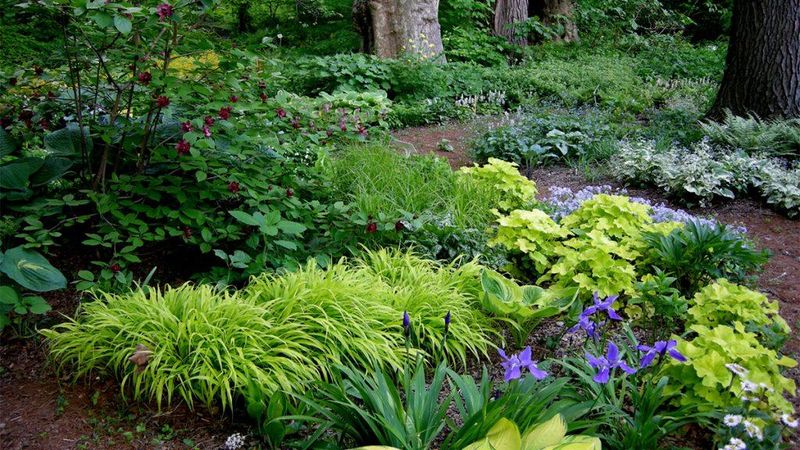
Every fall, someone lays fresh sod under a big live oak. And every summer, it thins out again.
Grass needs sun, and no product online changes that.
Fall is actually a great planting season in Texas for natives and groundcovers. Under trees, try horseherb, inland sea oats, Turk’s cap, or a simple mulched bed.
These options handle dry shade and water restrictions better than turf.
The bonus is real: less mowing, fewer bare patches, and more food and cover for butterflies, bees, and birds. Sometimes the smartest lawn fix is a little less lawn.