
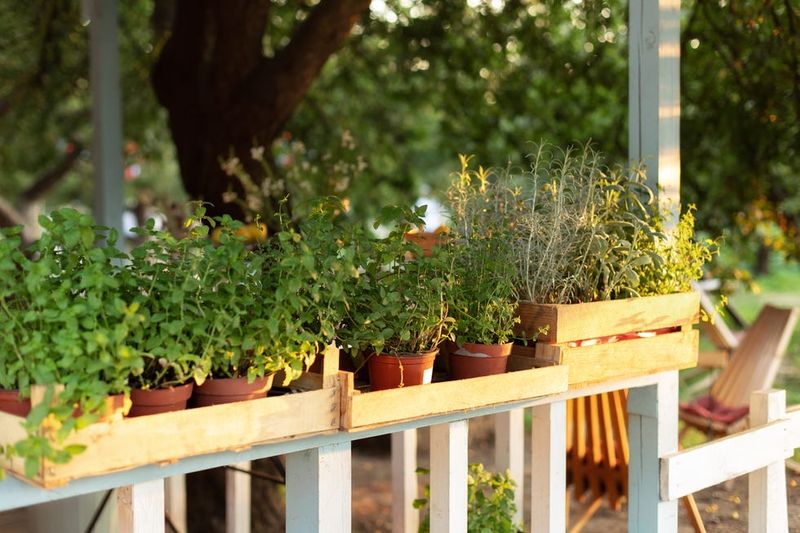
Mint smells wonderful by a front door, and plenty of gardeners wonder if it also keeps spiders away. The research does not back that up, so it helps to know what is really going on at your entry.
Spiders often show up because the porch light brings in insects for them to eat. A few small changes to lighting and upkeep can make your entry cleaner, and mint can still earn a spot in a pot.
A porch herb is not a proven spider barrier
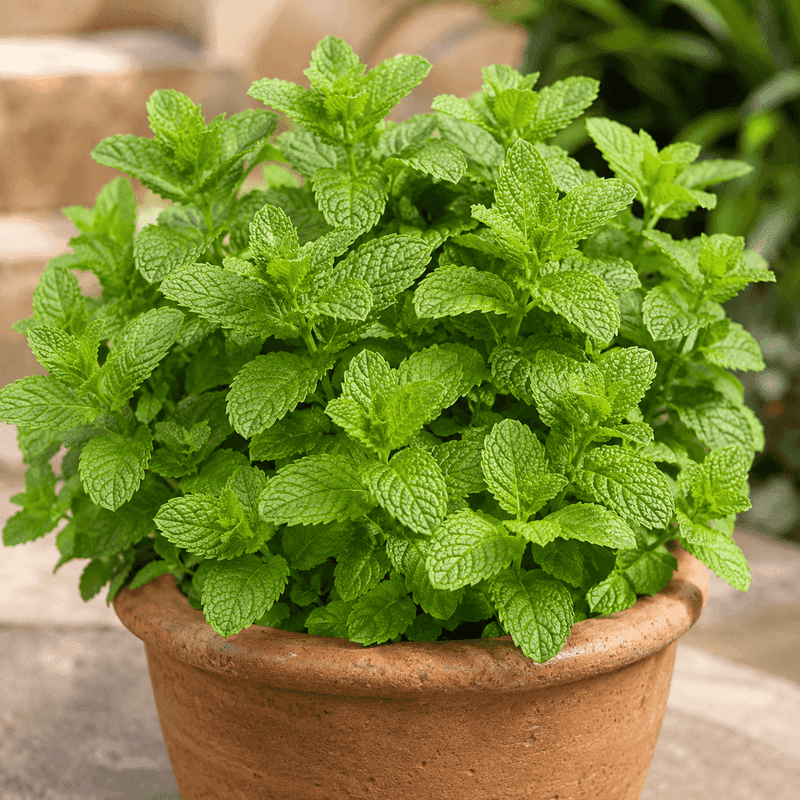
Planting a fragrant herb beside your porch light has not been shown to keep spiders away. No study has tested that setup at a real California home.
The research that does exist used concentrated essential oils in laboratory dishes. In a 2018 lab study of three invasive spider species, mint oil deterred two of them and had little effect on the third.
A later study tested several oils, including catnip, cedarwood, cinnamon, citronella, and clove, against a single wolf spider species, and some of them deterred it in a choice test.
Oil in a lab and a living plant in a pot are very different things. Nobody measured whether an intact herb gives off enough of anything to matter outdoors.
So a mint plant is a fine choice for scent, but it is not a spider fence.
The more useful question is what draws spiders to an entry in the first place. Answering that gives you steps that are better supported than any plant.
Why spiders build webs near illuminated entries

Walk up to a lit doorway at night and you will often see moths, gnats, and beetles circling the bulb. Outdoor lights can pull insects in from the surrounding yard, as UF/IFAS Extension explains in its guidance on exterior lighting.
Spiders tend to build webs where food is easy to catch. A bright fixture with a steady crowd of insects is a convenient place to set up a trap, so webs often show up around eaves, corners, and door frames.
University extension guidance, including UC IPM’s spider page and University of Maine Extension, points to lighting as one way to reduce the prey that attracts spiders.
Light is only part of the story, though. Spider numbers and web spots also depend on nearby shrubs, shelter, moisture, and the species living in your area.
Cutting insects can make an entry less appealing, but it cannot promise a spider-free doorway.
Mint oil has limited lab evidence; a living plant is another matter
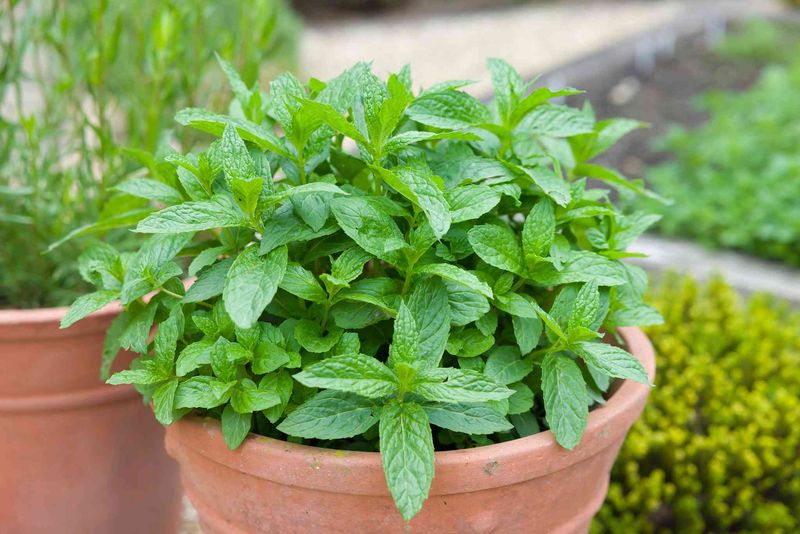
The mint finding is narrow. In the lab, researchers gave spiders a choice between treated and untreated areas, and mint oil steered away two of three species.
The third species barely reacted.
That mixed result matters. Even in the lab, the effect changed from one spider to the next, and the oil was concentrated far beyond what a leafy plant gives off.
A pot of mint on your porch is a different situation altogether. Wind, heat, and open air carry scent away, and no one has tested whether a living plant produces a repelling dose.
If a spider walks past a mint pot, there is no evidence it will turn around.
Mint still has real garden appeal. It smells fresh when you brush it, it makes good tea, and it is handy for mojitos and summer salads.
Grow it in a container, though. UC IPM advises container planting because mint spreads aggressively and can become invasive in a bed.
A pot by the door keeps it contained and within easy reach of the kitchen.
Change the lighting before relying on a plant
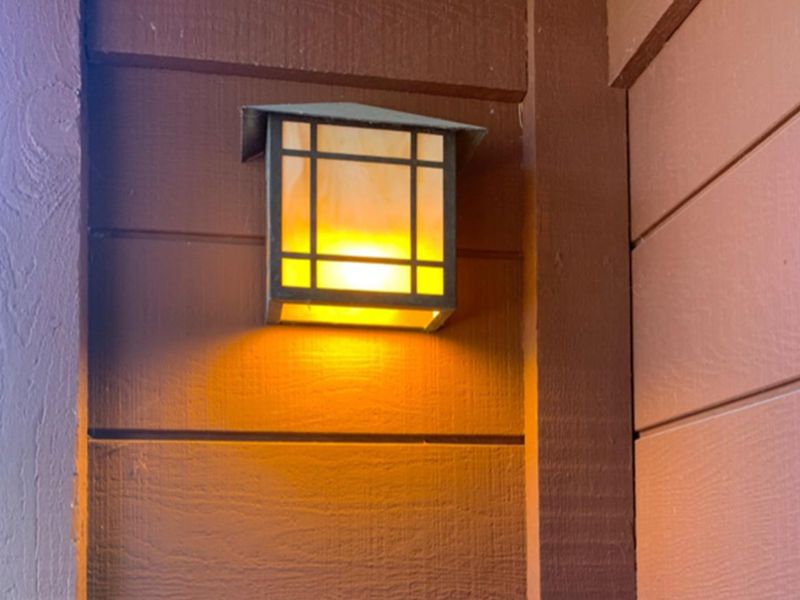
If you want fewer insects at the door, start with the light. Turn exterior lights off when nobody needs them, or put them on a timer or motion sensor so they are not glowing all night.
Bulb color also plays a role. UF/IFAS Extension recommends warm or ultra-warm white LEDs and describes yellow bug lights as less attractive to insects.
Amber and warm-white bulbs are easy swaps at any hardware store.
Placement helps too. UC IPM suggests, where feasible, locating outdoor lights away from structures and doorways.
A fixture on a post near the walkway can light your path while drawing bugs away from the door itself.
University of Maine Extension also recommends dimmer or yellow porch lights to cut down insects and the spiders that hunt them.
Expect improvement, not perfection. No bulb guarantees an insect-free porch, and spiders may still settle in for other reasons.
A clear entry starts with webs, plants, and sealed gaps
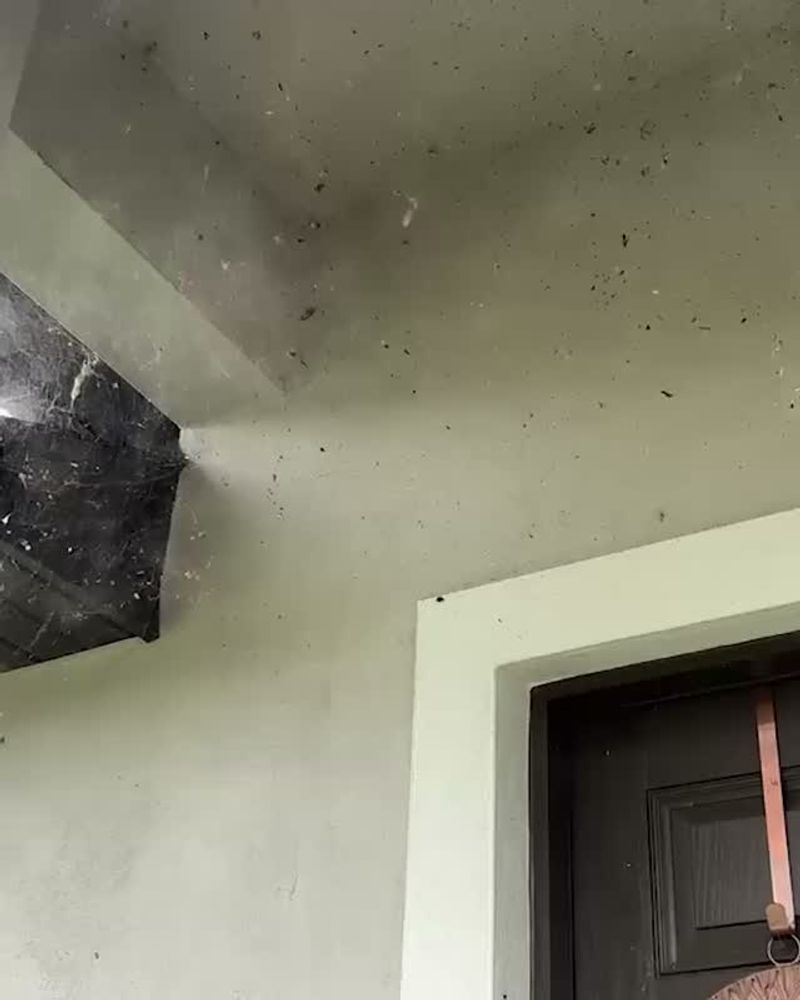
Routine upkeep does a lot of quiet work. Knock down webs with a broom or duster whenever they show up, and spiders will have to rebuild instead of settling in.
UC IPM lists web removal among its outdoor spider management steps.
Next, look at the ground along the foundation. Rake out leaf litter, thin heavy vegetation, and trim shrubs and vines so they do not touch the walls or eaves.
Plants that brush against the house act like bridges and hiding places.
Then check the doorway itself. University of Maine Extension recommends keeping screens intact, adding door sweeps, and sealing cracks and crevices to limit ways inside.
A quick monthly walk-around is enough for most homes. Look up at the corners of the porch ceiling, glance under the door, and note any gaps near utility lines.
These jobs deal with shelter and access, not magic. They make the area less inviting, but they will not make it spider-proof.
Keep the useful spiders in perspective
Go ahead and plant mint in a pot for its scent and your kitchen, but do not count on it to repel spiders. Lighting changes and entry upkeep are the better bets.
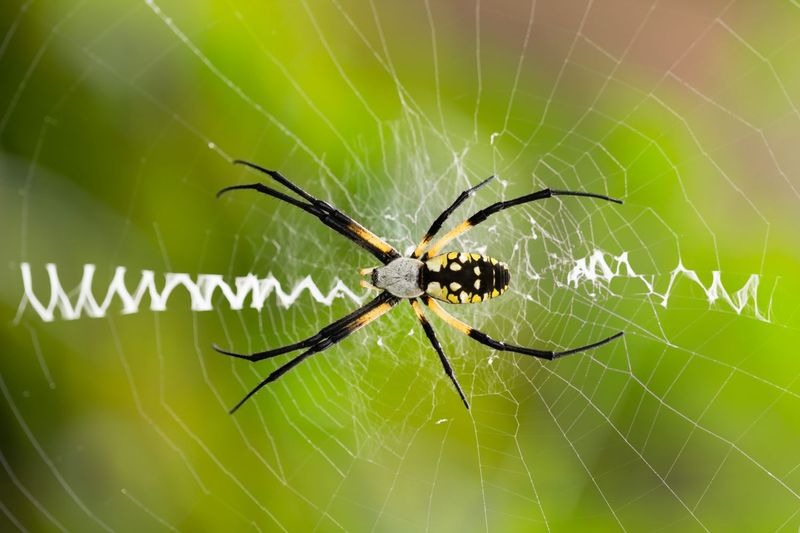
Keep the bigger picture in mind, too. UC IPM notes that most spiders are beneficial predators of insects, and NC State Extension says outdoor pesticide applications for spiders are largely unnecessary and should be avoided.
Remember to keep that mint in a container, as UC IPM recommends. A swept doorway and a pot of mint can share the porch peacefully, and the spiders in the garden will keep eating pests.