
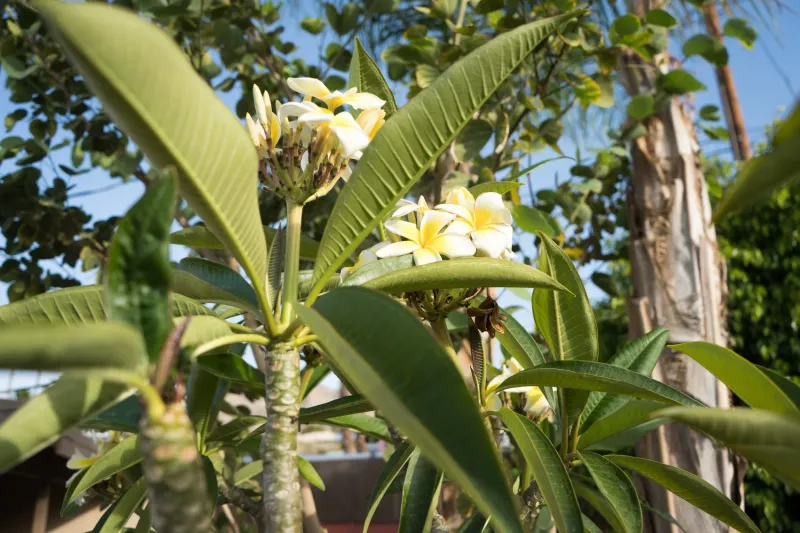
Plumerias love Florida heat, but cool nights can be tough on them. A little planning in fall can help you avoid cold damage and winter problems.
The right timing depends on your forecast, your yard, and what your plant is doing, not on one date on the calendar. Here is how to get ready without guessing.
Use local weather, not a statewide fall deadline
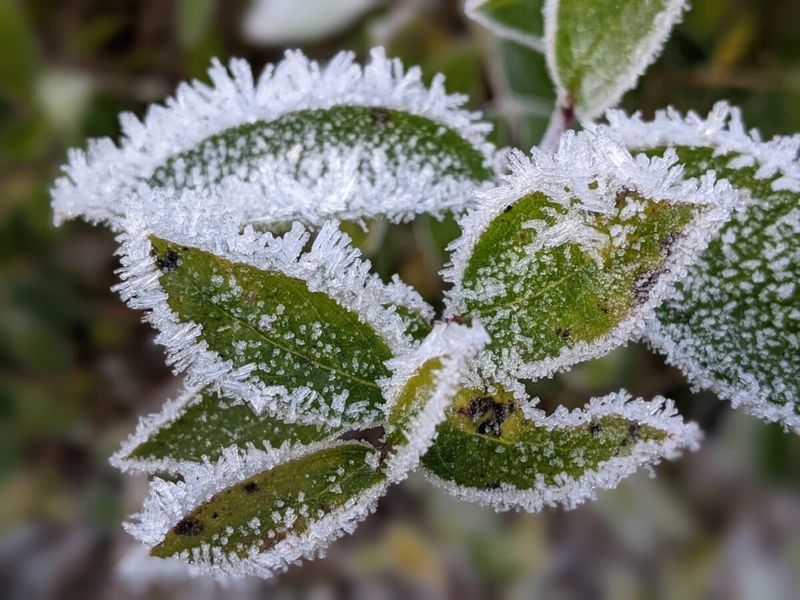
Florida is not one climate. A gardener in Key West faces very different nights than someone in Gainesville, so a single fall deadline would not fit anyone well.
Watch your own forecast, notice where cold air settles in your yard, and pay attention to what your plant is doing.
According to UF/IFAS Gardening Solutions, cold can damage or kill plumerias, and the risk is greater outside South Florida and protected parts of Central Florida. Local microclimates matter too.
A spot beside a south-facing wall or under a tree canopy can stay warmer than an open lawn just a few yards away.
UF/IFAS also notes that plumerias are generally limited to South Florida and protected Central Florida landscapes unless you provide frost protection, and that interior Central Florida stays frost-prone. If you garden in the north or inland, plan on more protection.
If you garden in the far south, you may need less, but you should still watch the forecast.
Leaf drop is another clue to read carefully. Many Florida plumerias go dormant and lose leaves in winter, but not every type does.
A University of Wisconsin Extension guide describes Plumeria rubra as deciduous, while P. obtusa and some other white-flowered types are evergreen. A bare stem on one plant may be normal, while an evergreen type that suddenly drops leaves could be telling you something else.
The goal of everything below is simple: lower the odds of cold injury and winter-care trouble. It is not a promise about when, or how heavily, your plant will flower.
Stop feeding before cold weather encourages vulnerable growth
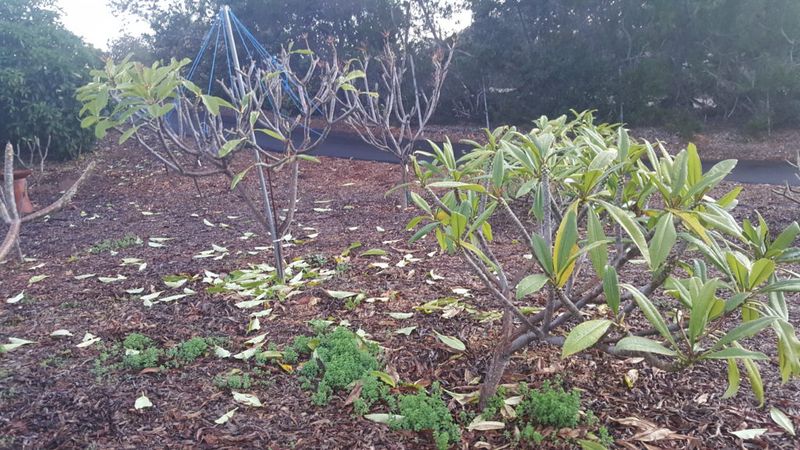
Fertilizer tells a plant to grow, and fresh growth is the last thing you want when nights start to cool. Soft new shoots are more exposed to cold than older, settled tissue.
That is why Missouri Botanical Garden advises discontinuing regular feeding in late summer.
UF/IFAS makes a similar point in its cold protection guidance. Late-fall fertilizer can trigger growth that is more vulnerable to cold.
It also recommends applying fertilizer at appropriate rates and times, only when needed, and following local rules.
You may see products sold as fall bloom boosters, and some care guides suggest high-phosphorus fertilizer during active growth. The sources used here do not show that extra phosphorus in fall secures next year’s flowers.
So there is no good reason to load up a slowing plant with heavy feeding.
A practical approach is to mark your last feeding on the calendar in late summer and leave it there. If your plant is still pushing new leaves in a warm southern yard, resist the urge to keep topping it off.
Let it slow down on its own schedule.
This is one of the easiest steps on the list because it asks you to do less. Put the fertilizer away, and spend that effort on watering and shelter instead.
Let watering follow growth, not habit
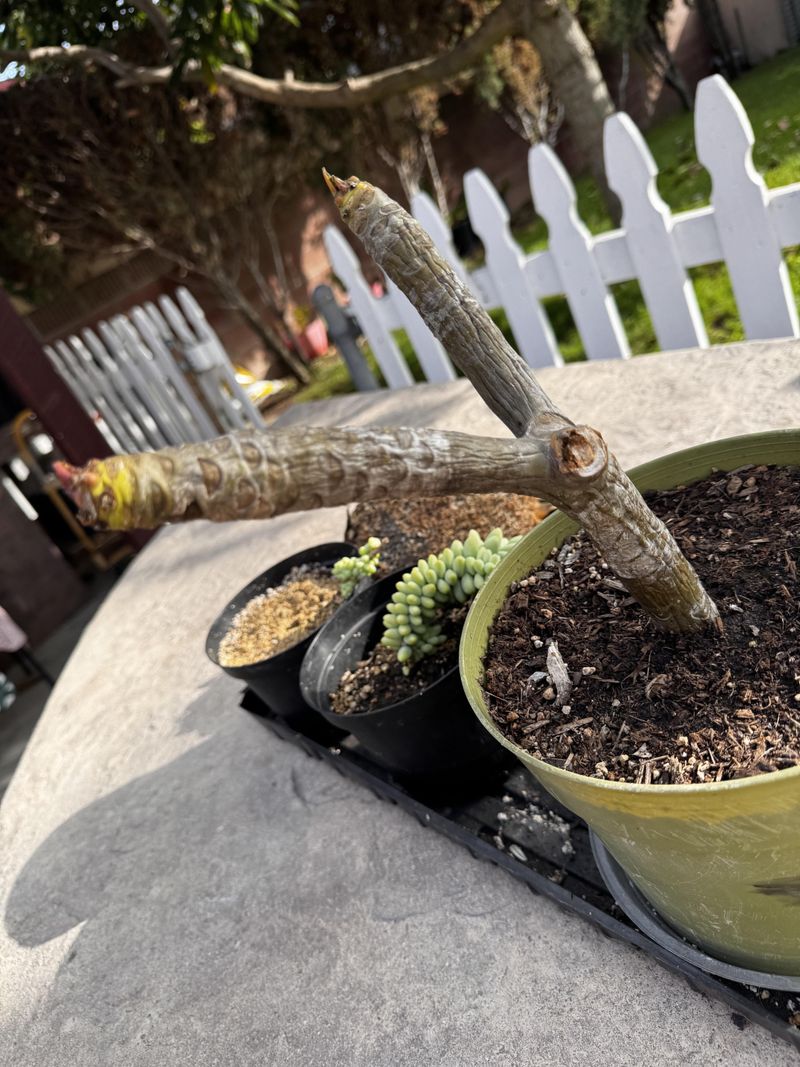
Summer watering habits can quietly cause trouble in fall. As days shorten and temperatures drop, the plant uses less water, and soil stays wet longer.
Plumerias need well-drained conditions, and overwatering can lead to root rot.
The University of Wisconsin Extension guide advises reducing watering in cooler weather. Instead of watering every few days out of habit, check the soil first.
If it is still damp a couple of inches down, wait.
Sandy Florida soil drains fast in the ground, so in-ground plants often cope with fall rain better than pots do. Containers with dense, water-holding mix are the ones that tend to stay soggy.
Make sure drainage holes are clear and saucers are not holding standing water.
How you water also depends on how the plant spends the cool season. According to Missouri Botanical Garden, a cool, leafless plant stored dormant needs no water or light.
A plant kept warm and actively growing indoors is different. It still has leaves, still uses water, and needs bright light.
So treat watering as a response, not a schedule. Look at the leaves, the temperature, and the soil, then decide.
Shelter container plumerias as nights approach 40°F
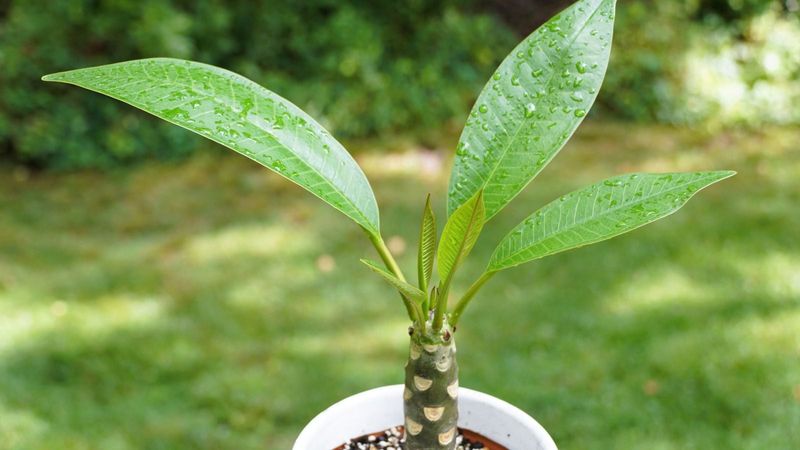
Pots have one big advantage: you can move them. Pick the shelter spot before the first cold forecast arrives, so you are not hauling a heavy pot around in the dark.
A garage with a window, an enclosed porch, or a bright room all work as options.
Missouri Botanical Garden recommends moving container plumerias indoors when nights fall below 40°F. Think of that as a cautious, practical rule for pot growers.
It is not a precise damage threshold, and it does not mean a plant is guaranteed safe at 41°F.
Your own conditions still count. A pot on an open, windy patio will feel cold sooner than one tucked against a warm wall.
Many tropical plants can also suffer chilling injury at higher temperatures, so a very cool, damp night is worth taking seriously even if the number looks fine.
Once inside, decide which path you are following. A cool spot where the plant loses its leaves is dormant storage, and that plant needs no water or light.
A warm spot keeps the plumeria growing, so it needs bright light and some water.
Also remember that, per UF/IFAS, plumeria sap contains irritants. Wear gloves and keep the plant out of reach of children and pets when moving it.
Use frost covers as limited protection for in-ground plants
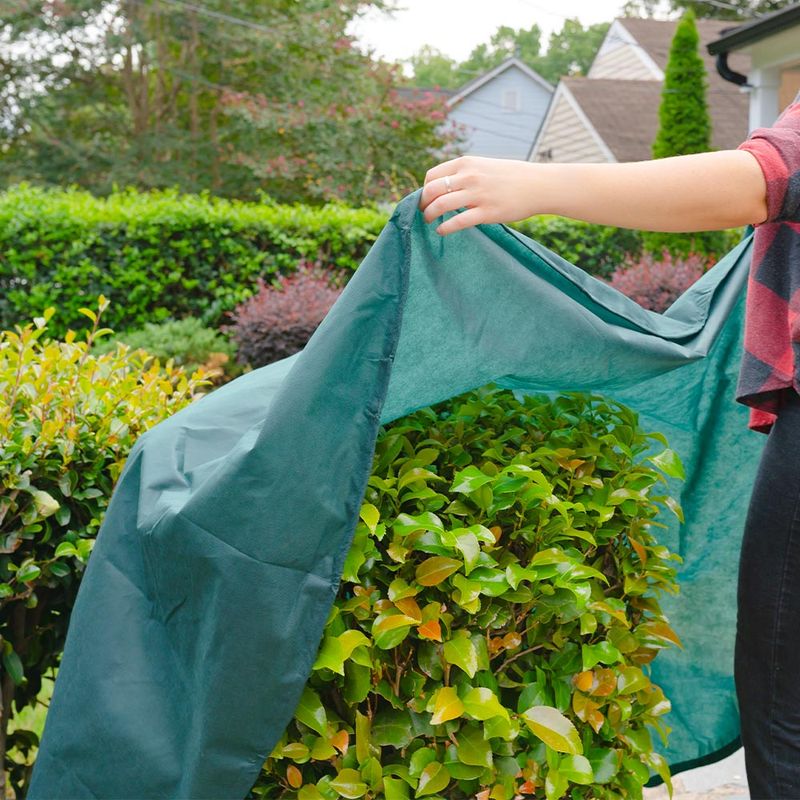
An in-ground plumeria cannot be rolled inside, so a cover is your main tool when frost is in the forecast. Cover the plant in the evening, before temperatures drop.
Ideally the cover should not rest on the foliage, so use stakes or a light frame, and it should extend all the way to the ground to hold in soil heat.
Here is the key limit. UF/IFAS cold protection guidance says covers work better against frost than against extreme cold.
A cover can help on a frosty night, but it does not make a plumeria safe in every freeze, and a hard freeze can still do serious damage.
If you use plastic, ventilate or remove it on sunny days. Heat can build up quickly under plastic, and trapped moisture and heat can stress the plant.
Cloth covers are easier to manage, but they still need to come off or be opened when the weather warms.
Skip the sprinkler trick. UF/IFAS warns that ordinary home irrigation systems generally cannot maintain the water film needed for freeze protection, and running them overnight can cause waterlogged soil and ice breakage.
Because plumerias are generally limited to South Florida and protected parts of Central Florida unless protected, as UF/IFAS notes, gardeners farther north should be realistic. A cover is a helper, not a guarantee.
Remove fallen leaves when rust has been a problem
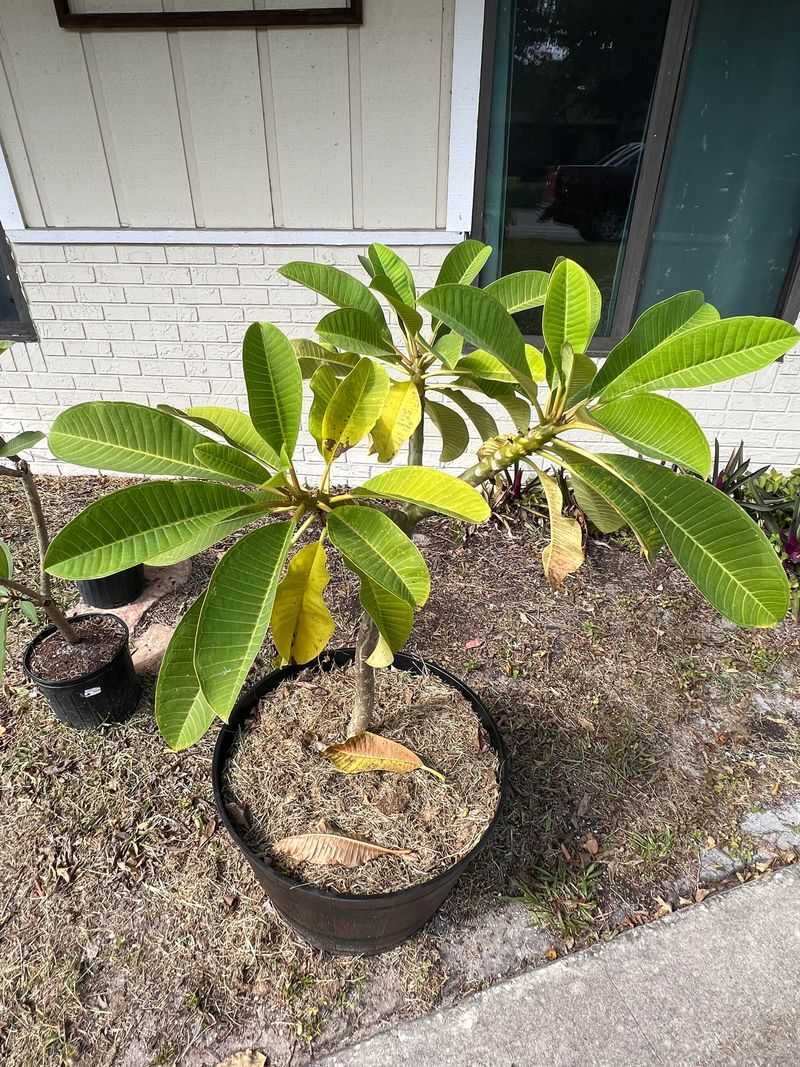
If your plumeria had orange, powdery rust spots this year, the fallen leaves deserve some attention. Rust spores can linger on dead foliage, and that debris can be a starting point for the next round.
UF/IFAS specifically recommends collecting and removing dead leaves in fall to reduce plumeria rust levels in the next growing season, as described on its plumeria page.
Keep the job targeted. Rake or pick up leaves from around the base and from the pot surface, and bag them for the trash rather than leaving them in a pile nearby.
Gloves are a smart idea, since the sap can irritate skin.
This is not the same as stripping the plant bare, and it is not fall pruning. Leaves still attached are doing their job, and plumerias usually do not need pruning at all.
If pruning is ever needed, spring is the better time.
Cleanup also is not a cure. It can lower rust pressure, but it will not guarantee a rust-free season, and gardeners whose plants never had rust do not need to treat this as a required chore.
A quick check is easy: look at the undersides of leaves for orange pustules. If you see them, cleanup is worth the ten minutes.
Protect the plant without promising a bloom date
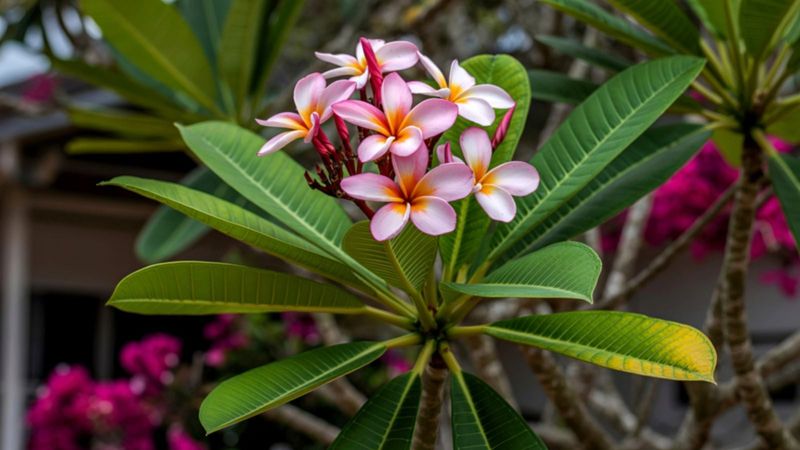
Each step here targets a specific risk: no late feeding to avoid tender growth, careful watering to avoid rot, shelter or covers for cold, and leaf cleanup for rust. None of the sources show that missing one task will cost you next season’s flowers.
Bloom timing also varies, with Missouri Botanical Garden describing flowers from early summer into fall, UF/IFAS saying plants bloom after leaves return, and a Texas A&M page noting early-spring blooms in a warm climate.
So let your forecast, your plant type, and your yard make the call. A healthy plant going into winter is a good place to start, and the flowers will come when they come.