
Bare dirt is an open invitation for weeds, and thick tangles of ivy or overgrown junipers are a favorite hiding spot for roof rats. Many California homeowners fight both problems at once without realizing their plant choices may be part of the cause.
The good news is that the right native plants can fill space fast, shade out weed seedlings, and stay open enough underneath that rats have fewer places to nest. Here are ten water-wise natives that can help your yard look full, tidy, and friendlier to the wildlife you actually want.
1. Dwarf Coyote Brush (Baccharis pilularis ‘Pigeon Point’)
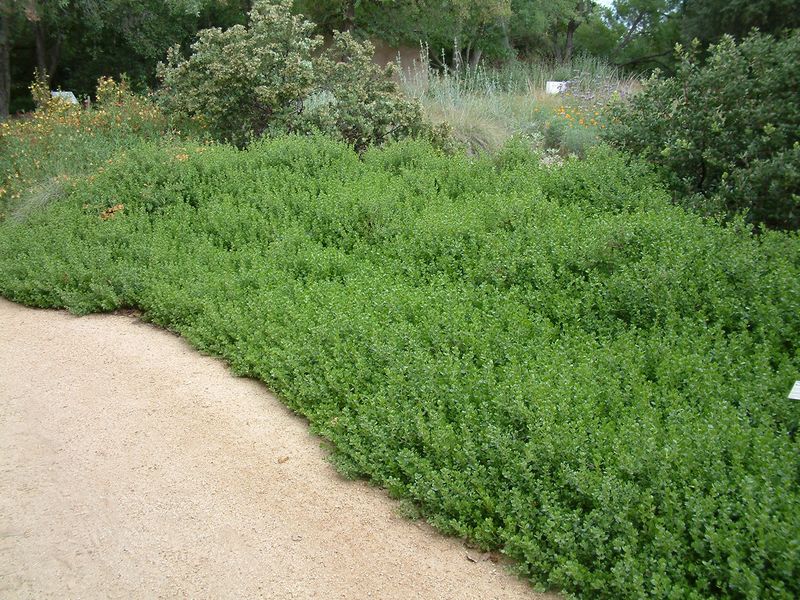
Ask any California landscaper which native covers ground the fastest, and coyote brush tends to come up first. The low-growing forms spread into a dense green mat that can reach 8 to 10 feet wide in a couple of seasons.
That thick canopy may help block sunlight from reaching weed seeds, which is half the battle in a sunny slope or parkway. Because the plant hugs the ground and stays fairly tight, it lacks the hollow, woody interior that rats look for in overgrown shrubs.
It handles coastal fog and inland heat, and once established it often needs only occasional summer water. Trim it back hard every few years in late winter to keep it low and fresh, which also helps with fire-season upkeep.
2. California Fuchsia (Epilobium canum)
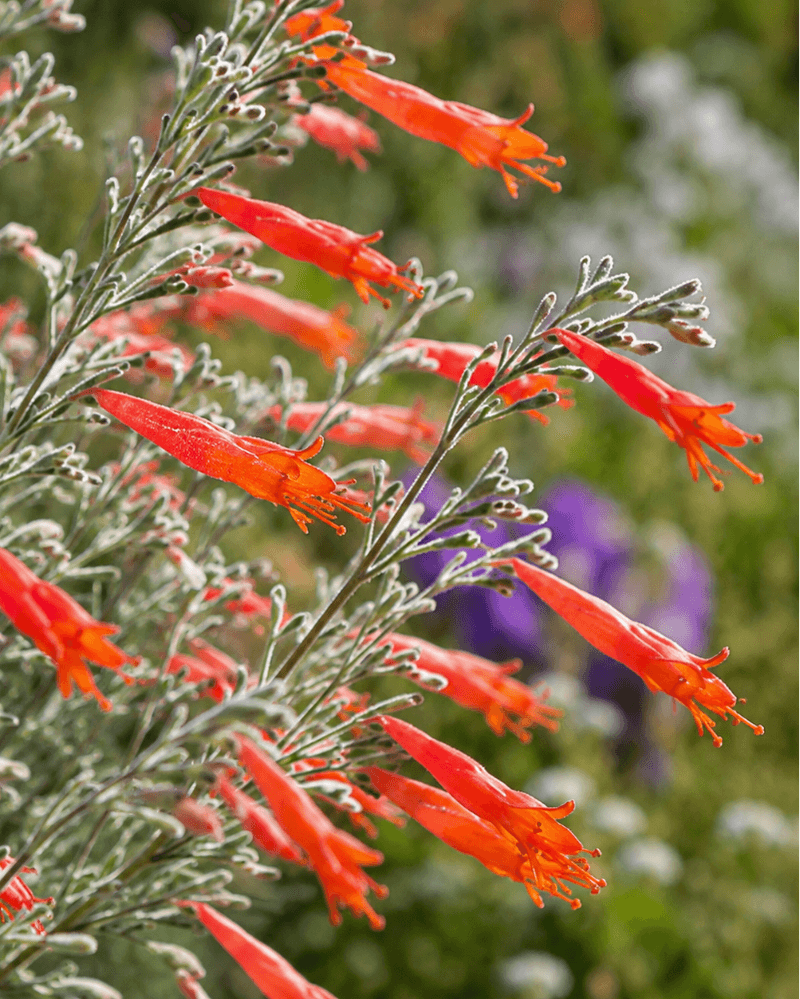
Late August, when most gardens look tired, California fuchsia lights up like a string of orange lanterns. Hummingbirds treat it as a refueling station right when food runs short.
Its spreading roots send up new shoots that knit together into a carpet along borders and rocky edges. That steady creep can help fill the gaps where spurge and crabgrass like to sneak in.
The foliage stays low and airy, so there is little shelter for rodents. Cut it to the ground in winter, and it returns clean and weed-blocking each spring with very little water.
3. Creeping Sage (Salvia sonomensis)
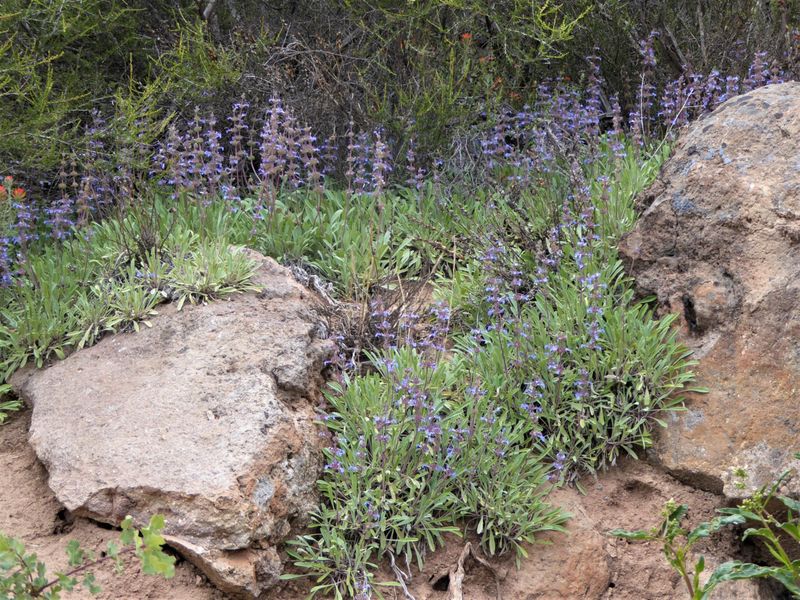
Here is a groundcover that smells like a hike in the Sierra foothills every time you brush past it. Creeping sage forms a low, gray-green rug that roots as it spreads.
The mat grows thick enough to smother many annual weeds, and the aromatic leaves are not a favorite with browsing animals. Native bees swarm the blue spring flowers.
Plant it in dry shade under oaks, where lawns and thirsty plants fail. Keep summer water light, since soggy soil is about the only thing that can do it in.
4. Yarrow (Achillea millefolium)
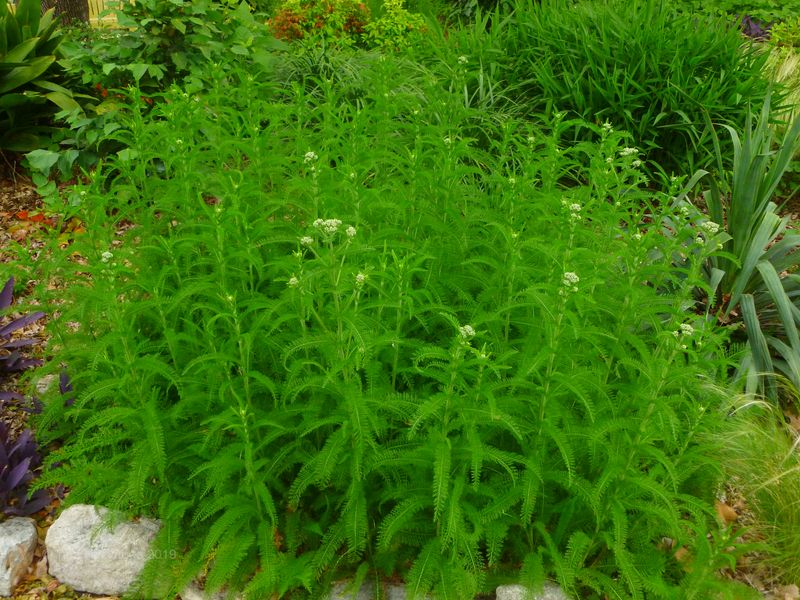
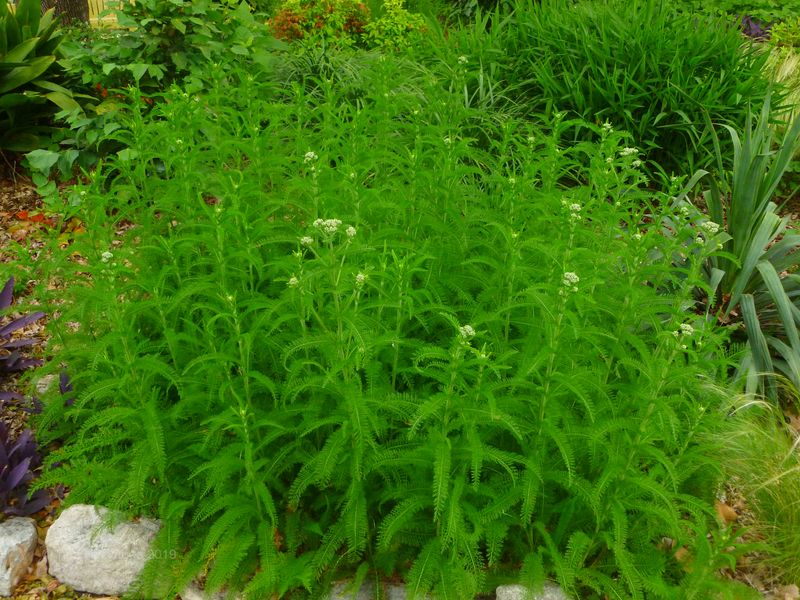
Swapping a thirsty lawn for yarrow might be one of the easiest upgrades a California homeowner can make. The ferny leaves spread by underground runners into a thick, mowable turf.
Once it fills in, the dense foliage leaves weeds little room to sprout. Mowed short, it gives rats no cover at all, unlike tall weedy patches along fences.
Leave a section unmowed and you get flat white flowers that feed butterflies and beneficial wasps. It uses a fraction of the water a traditional lawn needs.
5. Carmel Creeper Ceanothus (Ceanothus griseus horizontalis)
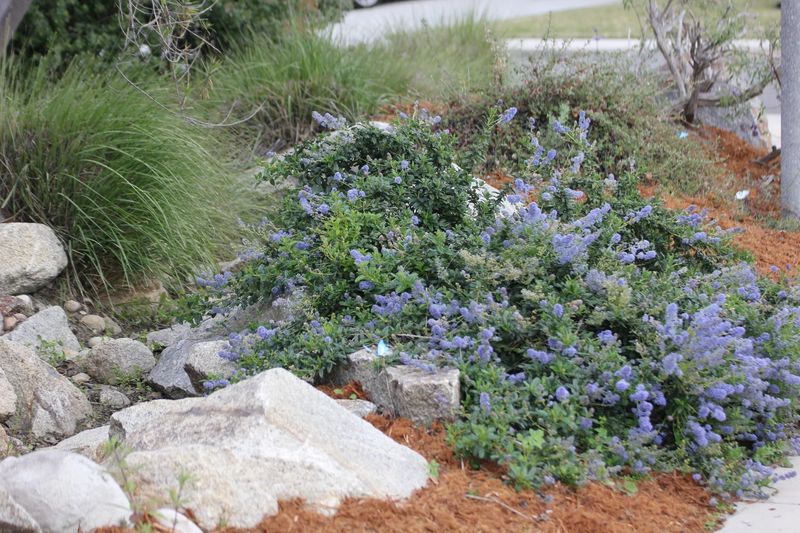
In March, a slope covered in blue ceanothus looks almost unreal. The horizontal forms spread wide and low, with glossy leaves that shade the soil beneath them.
That shade can reduce weed germination across big areas, which is why it shows up on so many hillside properties. Keep the plants pruned up slightly from the ground and clear of fences so you can see under them, which helps discourage rodents from setting up house.
Bees go wild for the flowers. Give it good drainage and almost no summer water once it is established, since overwatering shortens its life.
6. Deer Grass (Muhlenbergia rigens)
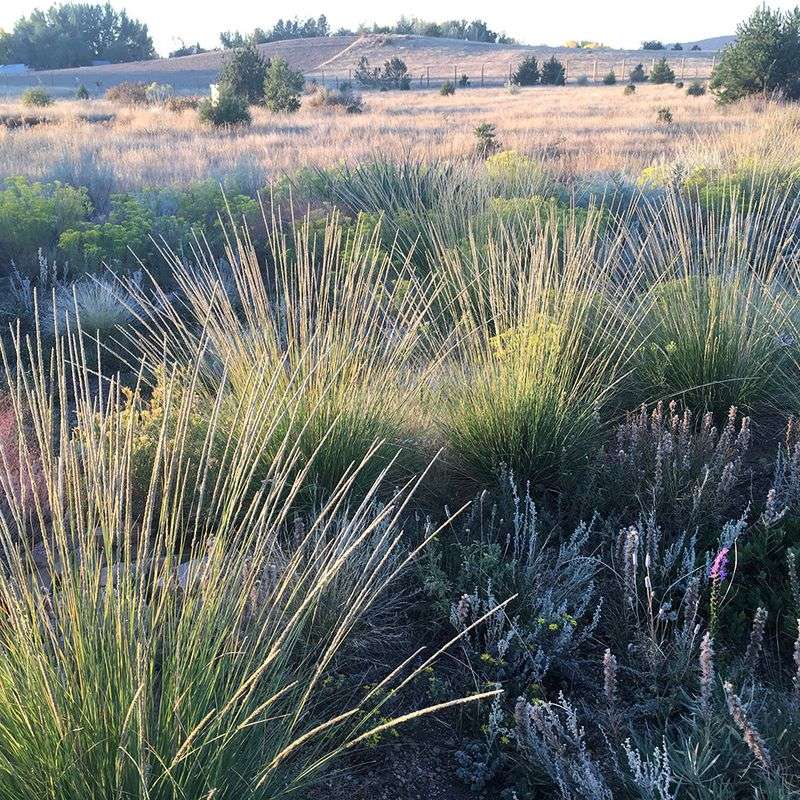
Bold, fountain-shaped clumps of deer grass give a yard instant structure. Planted in groups, the clumps shade the soil around them and help hold mulch in place, both of which slow weeds down.
A fair warning: any bunchgrass can collect old thatch at its base. Comb out dead blades or cut clumps back every couple of years in late winter, and you remove the dense, dry core that could otherwise shelter rodents.
Deer grass tolerates heat, drought, and clay soil. Native birds pick at the seed heads in fall.
7. Seaside Daisy (Erigeron glaucus)
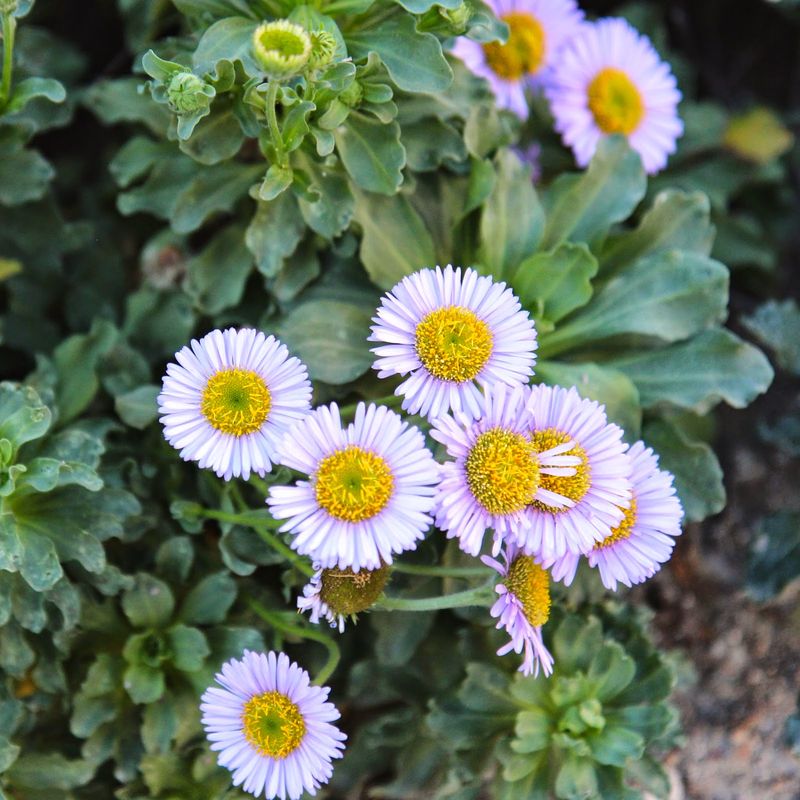
Cheerful is the only word for seaside daisy. Its lavender flowers bloom on and off for much of the year near the coast.
The plant forms tight, spreading mounds that fill path edges and small beds. Close spacing turns those mounds into a solid patch that leaves weeds little bare soil to claim.
It stays low and open, so it never becomes a rodent hideout. Deadhead now and then to keep blooms coming, and give a bit more water and afternoon shade in hot inland gardens.
8. Manzanita ‘Emerald Carpet’ (Arctostaphylos uva-ursi hybrid)
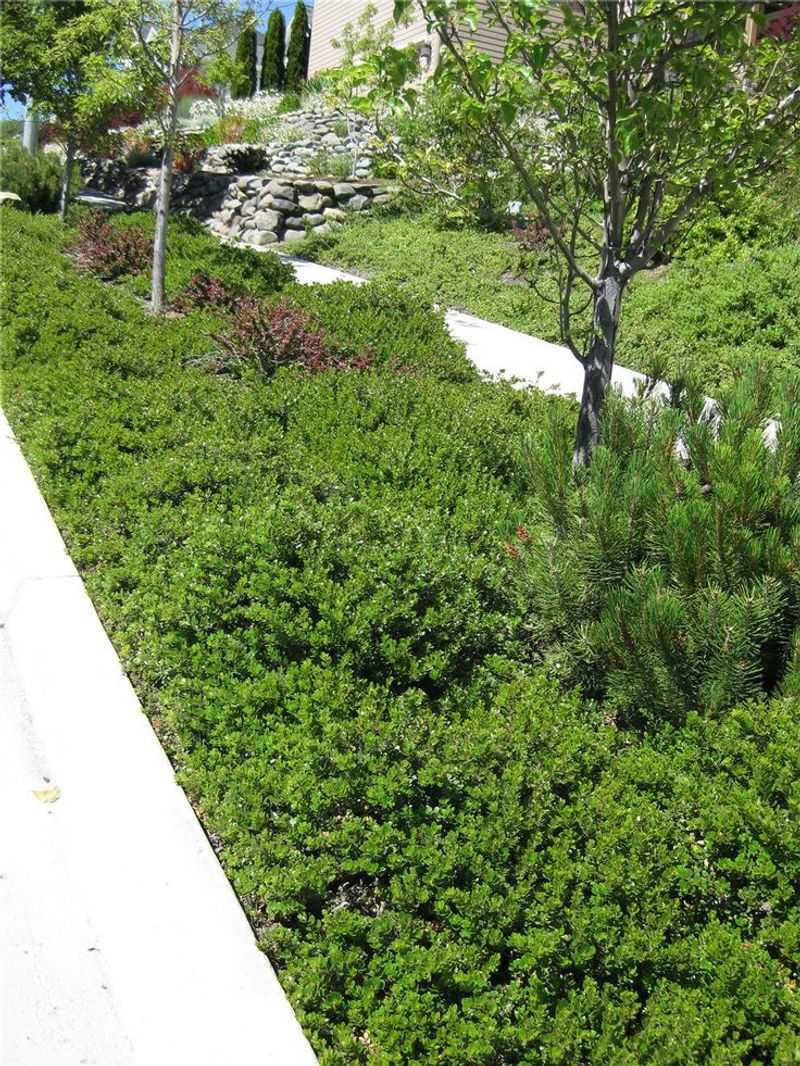
Most people picture manzanita as a twisted red-barked shrub, yet ‘Emerald Carpet’ stays under a foot tall. It grows into a tidy, glossy mat that looks almost manicured.
The foliage is dense enough to suppress many weeds once it closes in. Because it stays so low, you can see right across the bed, a big plus if you are trying to remove rat hiding spots near the house.
Early bees visit the tiny pink bells in late winter. It prefers some afternoon shade inland and only occasional deep watering.
9. Douglas Iris (Iris douglasiana)
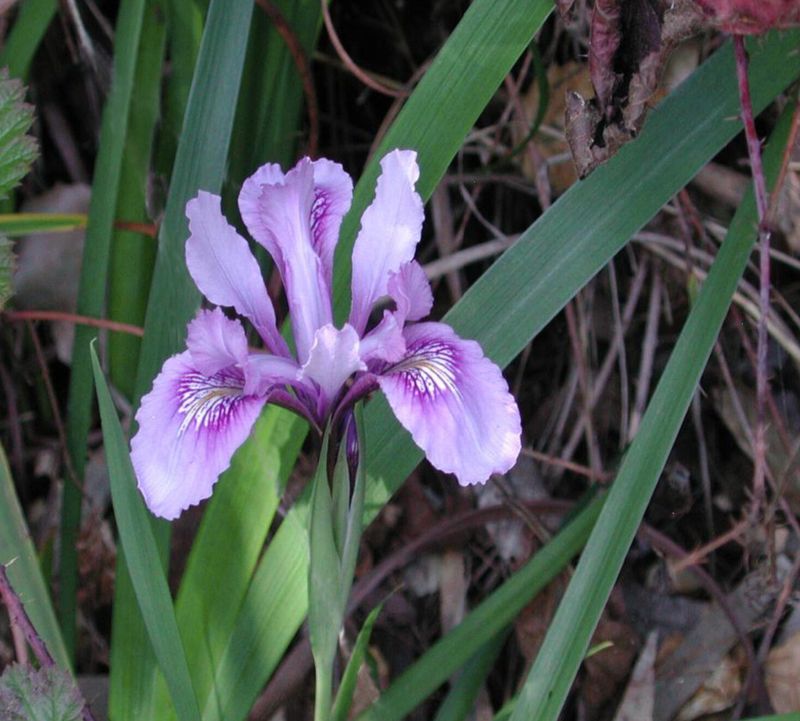
Shady corners are where weeds often win, because few tough plants want to grow there. Douglas iris is an exception that thrives in dappled light.
Its strappy leaves form expanding clumps that, planted close together, can crowd out sprouting weeds. The clumps stay fairly upright, so the ground around them remains visible rather than hollow.
Spring flowers range from purple to cream. Clip off ragged old leaves in fall to keep things clean and avoid buildup of dry debris.
10. California Sagebrush ‘Canyon Gray’ (Artemisia californica)
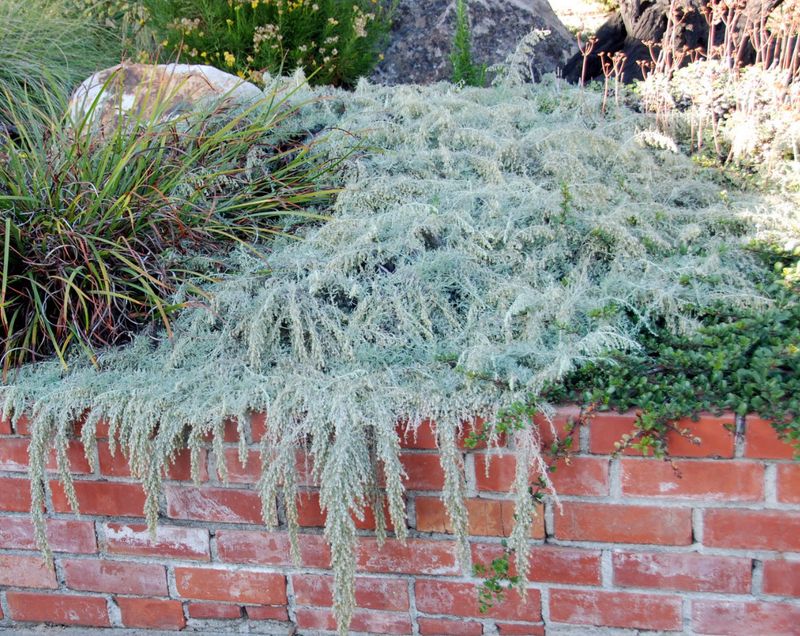
One whiff after a rain and you know you are in California. ‘Canyon Gray’ is a prostrate form of coastal sagebrush that sprawls low across slopes.
Its feathery silver branches cover ground quickly and can help limit weeds on banks that are hard to maintain. The low habit avoids the tall, dense shrub mass that rats often favor.
It can help support native insects and the birds that eat them. In fire-prone areas, keep it trimmed, well spaced, and away from structures, following your local defensible-space rules.