
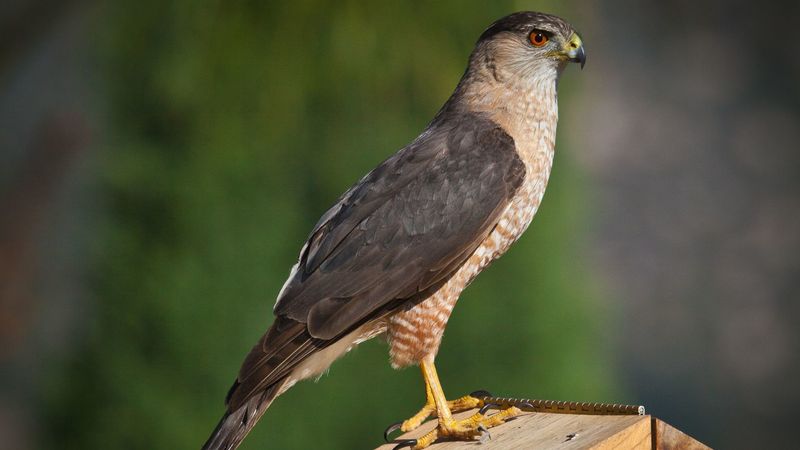
A blur of wings, a burst of scattering finches, and then a hawk is sitting on your fence. It looks dramatic, and it can leave you wondering what you did to bring it there.
The answer is simpler than you might think, and it says less about your yard than you might fear. Here is what a hawk visit does and does not mean, and what you can do about it.
The hawk may be following the birds, not the seed
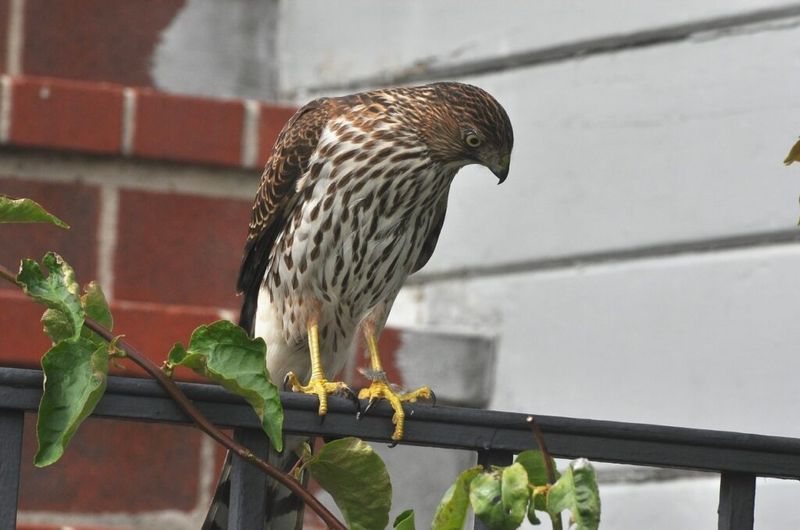
Hawks do not eat sunflower seed. What a hawk wants is the small birds that come to eat it.
When a feeder draws finches, sparrows, and doves into one spot, it can turn into a handy hunting opportunity for a predator passing through.
Cooper’s hawks, a species sometimes seen in California neighborhoods, mainly eat birds. Their diet can also include small mammals and other prey, according to Cornell Lab’s life history account.
So the feeder is only one possible place a hawk might hunt, not its sole food source. Unless you have a clear look at the bird, it is safest to call it a hawk rather than assume the species.
Cover matters too. Hawks of this kind hunt along woodland edges and in broken, tree-covered habitat, where they can slip close to prey before being noticed, as described in a CDFW-hosted ecology account.
A feeder near a hedge, an oak, or a fence line can give a hawk that kind of approach path.
Cornell’s own advice for hawks at feeders treats this as normal predator behavior. Seed gathers birds, and birds can gather a hawk.
Seeing it happen is startling, but it is a natural food chain at work.
One visit reveals a hunting opportunity, not a yard score
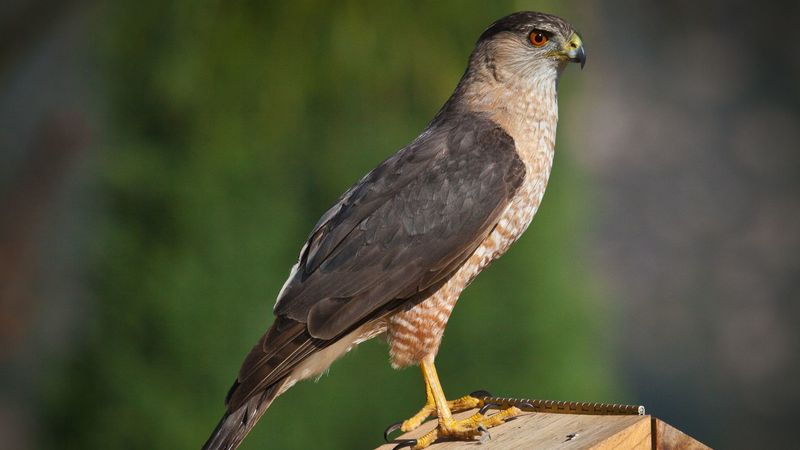
A hawk landing near your feeder shows one thing: a predator found a chance to hunt. That is all one sighting can tell you.
It does not prove your yard is a thriving native habitat or packed with species. It does not mean a nest is tucked in a nearby tree, and it does not mean the hawk is patrolling a route through your property.
It also does not mean your feeder has caused a lasting drop in local songbirds. A single visit simply cannot answer those questions.
Feeders can make birds easier to find by bunching them in one place, but they do not create a hawk’s presence on their own. Hawks also hunt elsewhere in the neighborhood.
Some research looks at this link in more detail. A peer-reviewed study of urban hawks used 21 years of feeder observations in the Chicago area.
Its authors, and Cornell’s coverage of it, describe the relationship between feeders, prey, and risk as complicated. That work comes from Chicago, so it cannot tell you what happens in a California yard.
If you want to know how your yard is doing, watch it over many weeks. Note which birds visit, which plants they use, and whether the activity changes with the seasons.
Swooping alone cannot identify the hawk
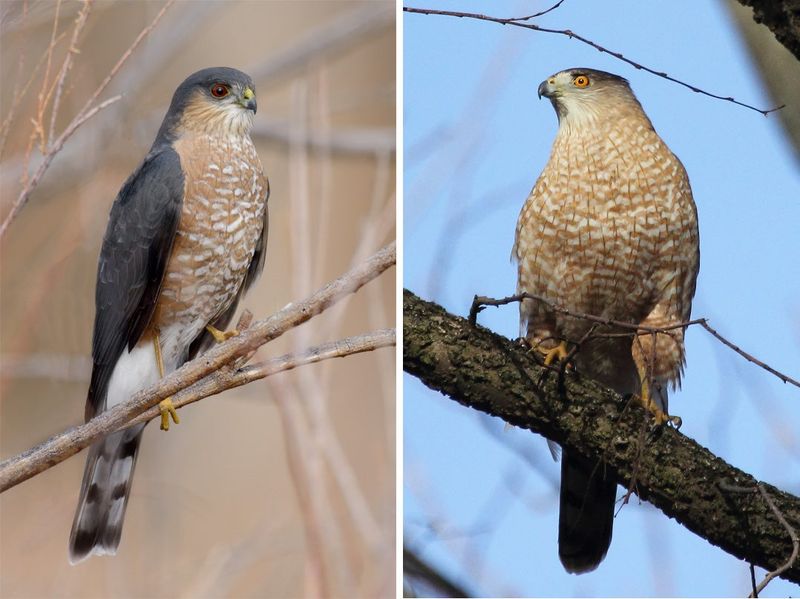
Plenty of people see a fast hawk at a feeder and call it a Cooper’s hawk on the spot. That is a reasonable guess, but the dive itself does not settle it.
Sharp-shinned hawks also hunt around feeders, and the two species are commonly confused.
Size and other field marks are the better clues. Cornell’s guide to telling the two apart walks through the features birders use, such as overall size and shape.
Its sharp-shinned hawk identification page adds more detail.
Sex complicates things, because it affects size. A larger female sharp-shinned and a smaller male Cooper’s can look closer in size than you would expect.
A single glance at a bird that is already flying away may simply not be enough for a confident call.
If you want to identify it, try taking a few photos from a window and noting size against nearby objects, like the feeder or fence. Then compare them with the guide.
If you still cannot tell, calling it a hawk is accurate and perfectly fine. The practical advice for your feeder is the same either way.
A short feeder pause may change the action at that spot
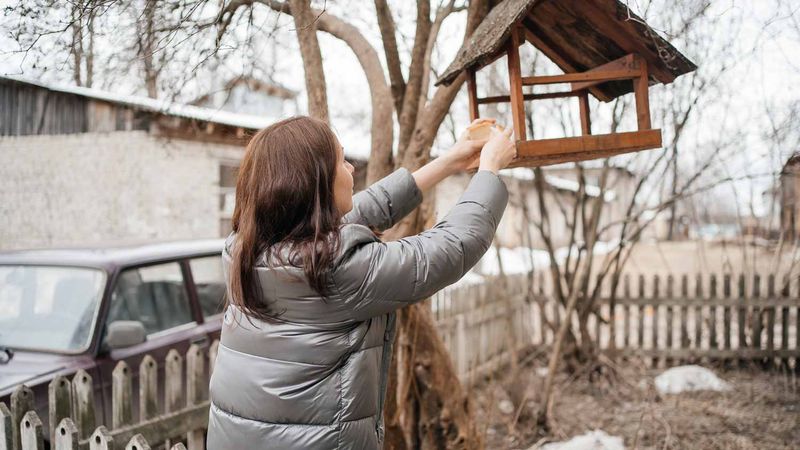
If repeated attacks are upsetting you, or you simply want to discourage hunting at your feeder, there is one simple step. Cornell Lab recommends taking feeders down for a few days so the birds disperse, then trying them again after a week or two.
You can read its full suggestion in this Cornell Lab answer on hawks hunting feeder birds.
The idea is modest. With no seed, birds stop gathering at that spot, and a hawk has less reason to check it.
The pause is aimed at that one feeding location, not at the whole neighborhood.
It does not guarantee the hawk will leave the area. The hawk may keep hunting elsewhere, and it may not have been visiting often to begin with.
A pause is a gentle experiment, and it is entirely optional.
If you try it, a few habits help. Pick a date to put the feeder away and a date to reassess.
Clean the feeder before you hang it again. Notice whether the birds return at the same pace and whether the hawk still shows up.
Hawks are doing what hawks do, so the goal is not to win. It is to give small birds a break and see what changes.
California guidance offers a longer-term alternative to feeding
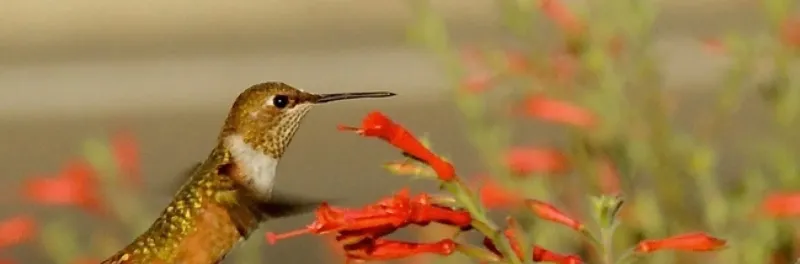
A short pause is one thing. California’s broader wildlife-health advice is another.
The state’s Wildlife Health Lab at CDFW advises against providing artificial food or water to wild birds, as explained on its avian investigations page.
The reasoning is that feeders can concentrate birds in one place, which can contribute to disease risks. That does not mean every feeder causes disease.
It means crowded birds can pass illness around more easily than scattered ones.
This guidance applies to feeding in general. A hawk sighting does not trigger it, and you do not need a hawk to consider it.
A homeowner with no hawk at all is covered by the same advice.
CDFW points to native plants as a natural alternative, offering food and habitat in a way that spreads birds out. In a California yard, that might mean planting species suited to your region, such as toyon, manzanita, or native sages, chosen for your local climate zone.
Native plantings also tend to suit water-wise gardening in our long dry summers.
Think of the two options as separate. You can pause a feeder for a couple of weeks, or you can gradually replace feeding with habitat.
Either is a reasonable choice, and neither is a verdict on your yard.
Leave the hawk unharmed
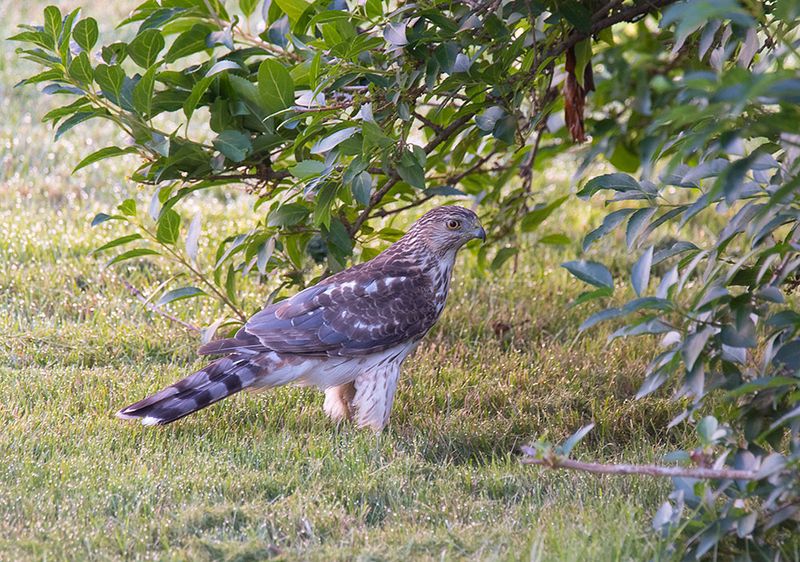
Whatever you decide about the feeder, the hawk should be left alone. Do not shoot it, trap it, handle it, or try to relocate it, and do not disturb a nest if you ever find one.
The U.S. Fish and Wildlife Service states that the Migratory Bird Treaty Act prohibits taking protected migratory birds without authorization.
Poison is a bad idea as well. CDFW warns that hawks and other predators can be exposed to rodenticides through poisoned prey, as noted on its wildlife health page.
That is a general risk. It does not mean any particular hawk you see has been exposed.
If rodents are a concern at home, choose methods that do not leave poisoned animals for predators to eat. Your local wildlife agency can point you toward safer options.
The practical choices are still simple. You can pause a feeder, consider native planting, or just watch.
None of them requires treating one sighting as a diagnosis of your yard.
A hawk on the fence is a reminder that your backyard is part of a larger food web, and that you only get a glimpse of it.