
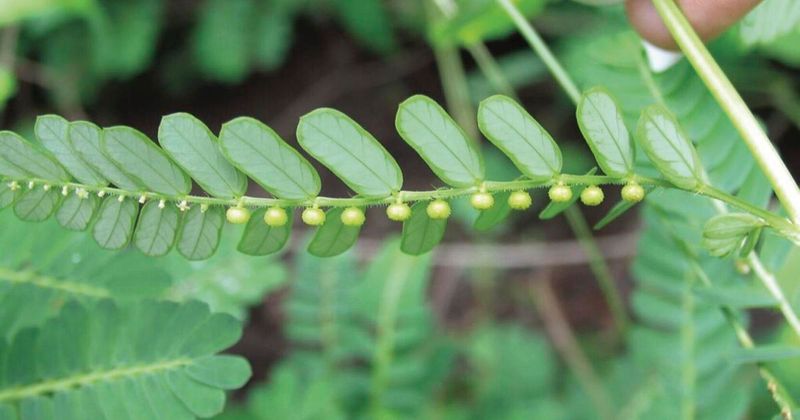
That feathery little weed in your Florida lawn or flower bed may be doing more than it seems. Chamberbitter can tuck small fruits among its leaflets, and ripe fruits can burst and scatter seeds.
Because the plant can stay low, a quick pass with the mower may not solve the problem. Knowing what to look for helps you act before the fruits mature.
Confirm the weed before you remove it
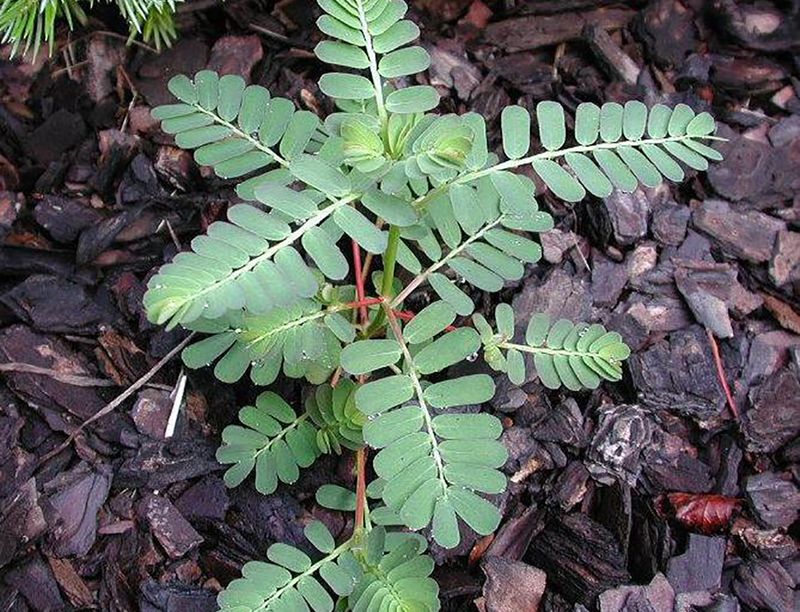
Walk out to the patch and look closely before you pull or spray anything. Chamberbitter has slender stems lined with many small, paired leaflets that give it a ferny, almost mimosa-like look.
That look is exactly why mix-ups happen.
The common name covers two similar Florida weeds, Phyllanthus urinariaPhyllanthus tenellusP. urinariaP. tenellus and . According to UF/IFAS Gardening Solutions, the fruits differ in how they attach: has capsules without stalks, while has capsules on stalks.
Treat that as a clue, not a final verdict, because a hand lens and a good look at several plants make the call more reliable.
Chamberbitter can also resemble native sunshine mimosa, a plant you would not want to rip out by mistake. If you are not sure, take a photo and a sample to your county Extension office.
A UF/IFAS publication on long-stalked phyllanthus also shows that these relatives are not identical, so advice written for one species may not fit the other perfectly.
Why does this matter? The right control depends on what is growing there.
A confirmed identification keeps you from harming a native plant or choosing a treatment that does not suit the weed or your grass.
The fruits can hide among the leaflets
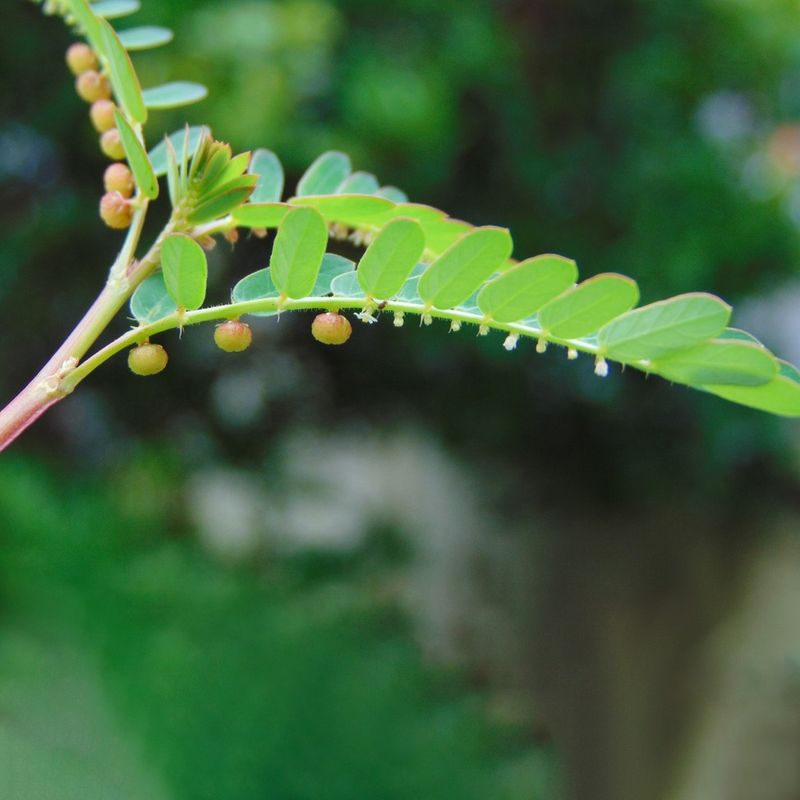
Flip a stem over and the story changes. Chamberbitter’s small fruits form among the leaflets, so from above you may see only tidy green foliage.
The seed-making part of the plant is easy to miss unless you look underneath.
Per UF/IFAS, the fruits are tucked among the leaflets, and when ripe they can burst and scatter seeds. The key word is ripe.
A plant with young green fruits is not yet flinging seeds, which is why timing matters more than panic.
That gives you a useful window. Plants that look harmless today may already carry fruits, and those fruits may still be maturing.
Catching them before they ripen is far easier than chasing seeds afterward.
UF/IFAS Extension in Nassau County, in a post about a St. Augustine lawn weed, describes P. urinaria as an annual with low-hiding seeds. In practice, that means an overlooked patch can quietly set the stage for next season’s seedlings.
Checking under the stems every week or two during warm months is a simple habit that pays off.
Why mowing may miss the problem
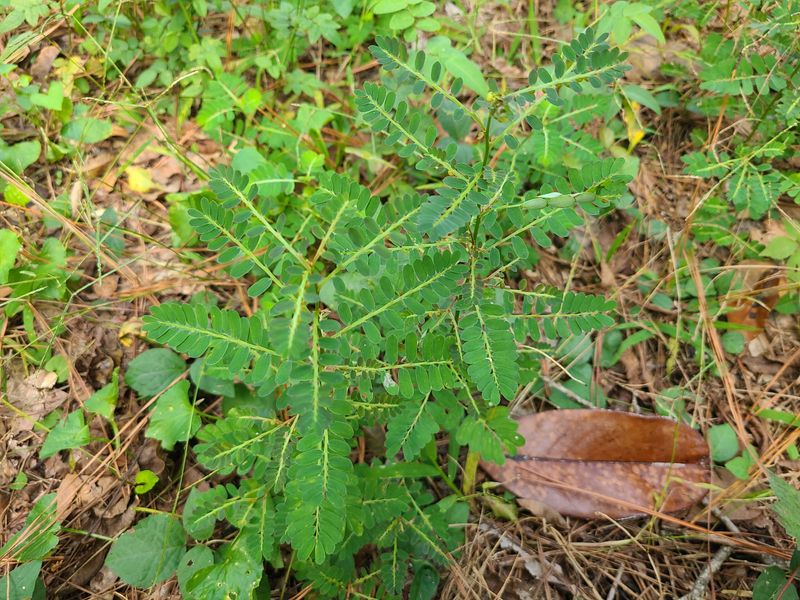
A freshly mown lawn can still hold fruiting weeds. UF/IFAS notes that P. urinaria can reproduce at about two inches tall, a height where a mower may pass right over it.
That does not mean every mower misses it, only that mowing is a shaky plan for this weed.
The UF/IFAS chamberbitter page says mowing does little to check its progress. The Nassau County post on a St. Augustine lawn weed echoes the low-growing habit.
There is a twist worth knowing. The UF/IFAS Florida lawn weed guide says mowing before seedheads form can reduce weed seed reserves in general.
It also notes that some weeds get established below mowing height.
So the difference comes down to timing and height. Mowing ahead of seeding can help with taller weeds, but a plant that sets fruit close to the soil can slip under the blades.
Nothing here says mowing always spreads seeds, so there is no need to stop mowing. Just do not count on it to solve a chamberbitter patch.
Pull young plants before their fruits mature
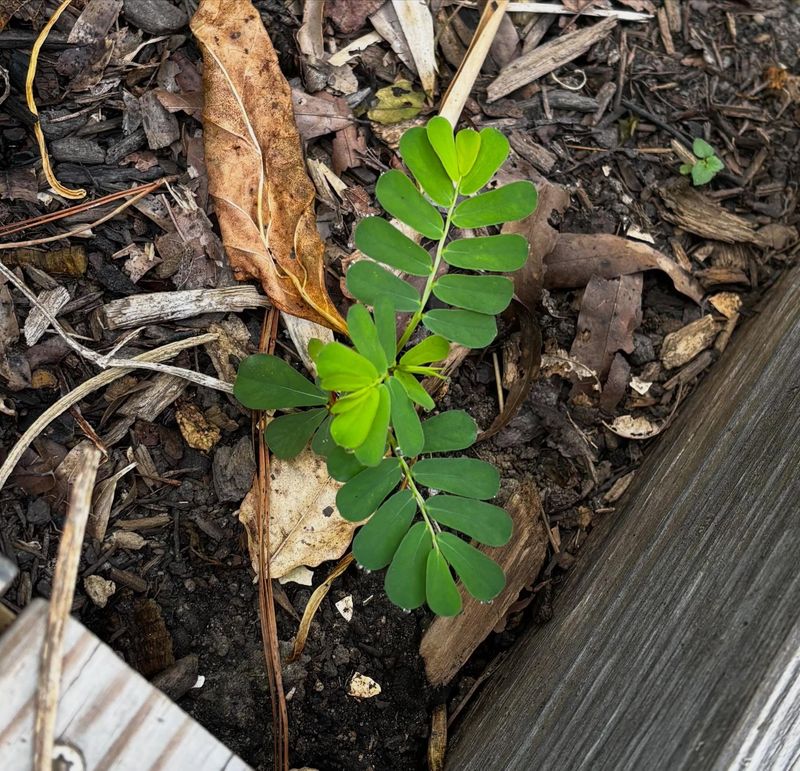
Small plants are the easy ones. UF/IFAS recommends scouting often and hand-pulling chamberbitter as soon as it shows up, because mature plants get harder to control.
A quick walk through your beds after rain can catch seedlings while they are tiny.
Technique counts too. Guidance from UF/IFAS Extension in Santa Rosa County says not to shake soil from the roots, since that could spread seeds.
Drop pulled plants straight into a bucket or bag instead of tossing them around the bed.
Sandy Florida soil usually lets roots slip out cleanly when it is damp, which makes pulling less of a chore. Pulling when the soil is bone dry may snap stems and leave roots behind.
Do not expect one session to finish the job. Pulling removes the plants you can see, but it will not stop seeds already in the soil from sprouting later.
That is also why a patch can seem to return even when you were thorough. Keep checking the same spots every week or two through the warm months, and pull each new flush while it is still small, as UF/IFAS Gardening Solutions advises.
Use mulch in beds and maintain competitive turf
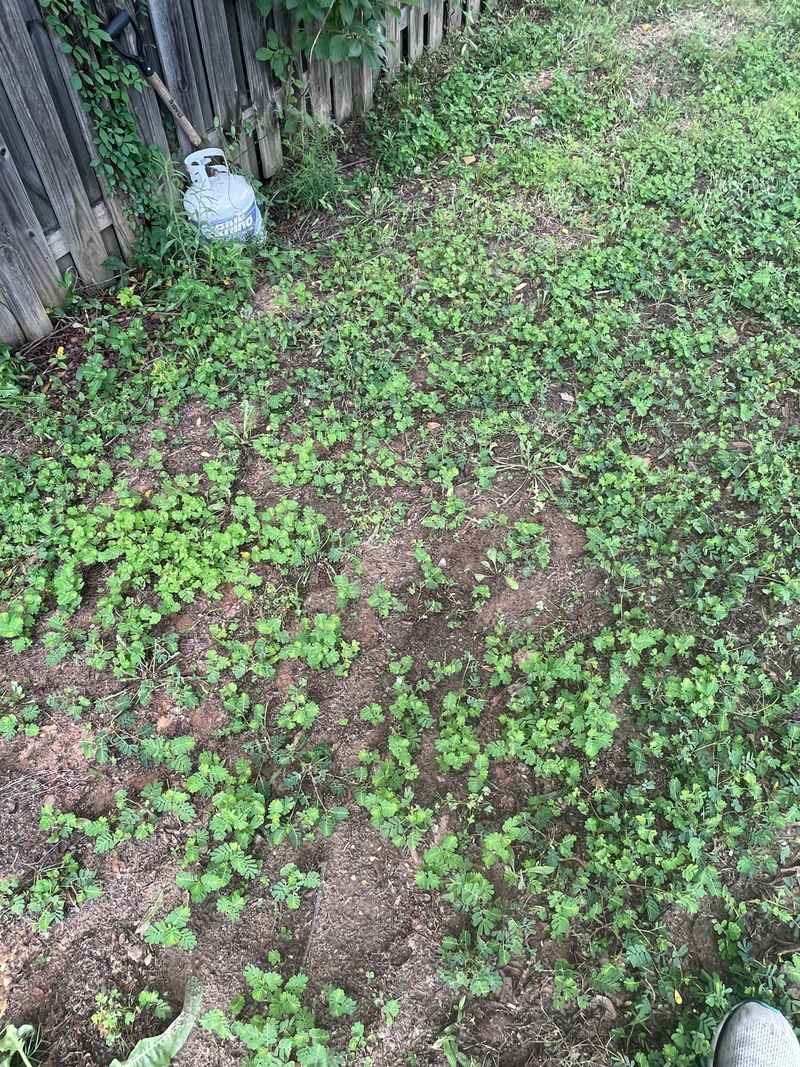
Beds and lawns need different tactics. In a bed, clear out established plants first, then add a 2 to 3 inch layer of mulch, which is what UF/IFAS recommends.
Keep mulch from piling against trunks and stems.
Why does it help? Light and warmth encourage chamberbitter seeds to sprout, and mulch blocks both.
A UF/IFAS publication summarizes research in which shade and mulching reduced P. urinaria germination. That points to suppression, not a cure, so a few seedlings may still poke through and need pulling.
Lawns are a different story. UF/IFAS lists healthy, well-maintained turf as a defense against weeds, since thick grass leaves less bare soil for seedlings to claim.
That means mowing at the height suited to your grass, watering and feeding it as your grass type needs, and fixing thin spots early.
Neither approach promises to clear an established infestation on its own. Think of mulch and strong turf as the background work that makes every pulled weed count for more.
Open, thin patches in sandy soil are the first places to watch.
Match lawn treatments to the grass and timing
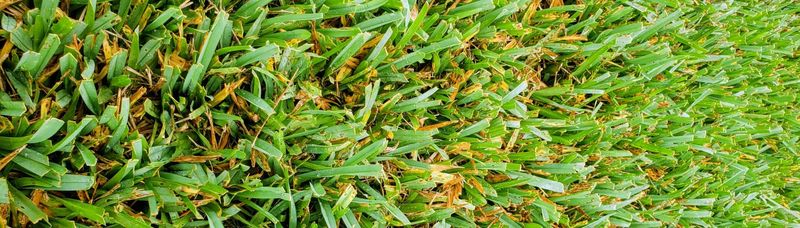
Chemical control is where one-size-fits-all advice goes wrong. The UF/IFAS Florida lawn weed guide lists chamberbitter among weeds for which preemergence herbicides may be used.
These products must go down before germination, and they do little or nothing to plants that have already emerged.
That means a bag applied after the weeds are up will not clear them. It also means timing depends on your area and the weather, so no single date works statewide.
Your grass type, site, and the product label decide which options are appropriate. Some products can injure certain turfgrasses or nearby ornamentals, and the label is the legal authority on use.
UF/IFAS cautions on its chamberbitter page that chemical options depend on the site, and it points readers to county Extension or the Pesticide Information Office for current recommendations.
So call your county Extension office, tell them your grass type, and ask what fits your lawn this season. Meanwhile, keep the practical goal in view: identify the plant, then stop it before its fruits ripen.
Mowing alone is unreliable, and no single treatment is guaranteed.
A weed that hides its fruits rewards the gardener who checks underneath.